Every vegetable garden starts with optimism. You buy seeds, imagine baskets of homegrown produce, and immediately picture yourself becoming the kind of person who casually says things like, “These cucumbers? Oh, they’re just from the garden.” Then reality shows up wearing muddy boots. Suddenly, your cauliflower buttons instead of forming heads, your spinach bolts faster than a teenager late for curfew, and your corn produces three lonely ears that look like they were grown out of spite.
Here is the good news: a disappointing harvest does not mean you are bad at gardening. It usually means you picked a crop with diva-level demands. Some vegetables are naturally harder to grow because they need a long season, precise temperatures, even moisture, generous fertility, or more garden space than most backyards can politely offer. If you are a beginner vegetable gardener, or even a seasoned one who is tired of being emotionally manipulated by celery, choosing easier crops can save time, money, and your remaining optimism.
This guide breaks down 10 vegetables that are hard to grow and offers practical, beginner-friendly alternatives that give you a better chance at success. Think of it as less “garden heartbreak” and more “harvest something before summer ends.”
Why Some Vegetables Are So Hard to Grow
The hardest vegetables to grow usually fail for predictable reasons. Some crops hate heat, others hate cold, and a few apparently hate joy. Cool-season vegetables such as cauliflower, spinach, and head lettuce often bolt or turn bitter when temperatures climb. Warm-season crops such as bell peppers and sweet corn may sulk if nights are too cool, if pollination is poor, or if the planting area is too cramped. Perennial crops like asparagus and artichokes demand patience because they may not reward you in the first season at all.
In other words, difficult vegetables are not impossible. They are just less forgiving. If your goal is a productive home garden with strong beginner wins, you are often better off growing reliable crops first and saving the finicky ones for your “I enjoy a challenge” era.
1. Artichokes
Why they are hard to grow
Artichokes are stunning plants, but they are not exactly low-maintenance roommates. They prefer a long, mild growing season and perform best in climates that are cool but not brutally cold. In many regions, gardeners must either grow special varieties as annuals, start them early, or protect them carefully through winter. That is a lot of work for a vegetable that often behaves like it is doing you a favor by existing.
What to grow instead: Broccoli
If what you love about artichokes is harvesting an edible flower bud, broccoli is the friendlier option. It is still a cool-season crop, but it is generally more straightforward, quicker to maturity, and much easier to fit into an ordinary garden plan. You also get a central head plus side shoots, which feels generous instead of theatrical.
2. Asparagus
Why they are hard to grow
Asparagus is the textbook example of delayed gratification. It is a perennial crop, which sounds charming until you remember that you may wait two to three years before a real harvest. It also needs permanent garden space, decent weed control, and restraint during harvesting so you do not weaken the crowns for future years. In short, asparagus is a commitment, not a fling.
What to grow instead: Bush beans
Bush beans are the opposite of asparagus in the best possible way. They sprout fast, mature quickly, and do not ask for a multiyear emotional investment. You can direct sow them after frost danger passes, harvest within weeks, and enjoy a crop that feels like it actually wants to participate. For beginner gardening success, beans are one of the easiest vegetables to grow.
3. Cauliflower
Why they are hard to grow
Cauliflower is one of the fussiest crops in the vegetable patch. It prefers cool temperatures, steady moisture, fertile soil, and basically zero drama from the weather. Heat can cause small heads, loose curds, or premature bolting. Cold snaps after good growth can also throw it off. When cauliflower works, it is beautiful. When it does not, it looks like a gardening riddle.
What to grow instead: Cabbage
If you want a substantial cool-season brassica without cauliflower’s mood swings, cabbage is a smarter bet. It still likes decent soil and regular watering, but it is generally more forgiving and less sensitive to tiny shifts in temperature. It also stores well, which makes it a practical choice for gardeners who want a real payoff for their effort.
4. Celery
Why they are hard to grow
Celery is the vegetable equivalent of a high-maintenance houseguest. It needs rich soil, abundant nutrients, and extremely consistent moisture. Even short periods of water stress can make stalks stringy, tough, or strongly flavored. It also takes a long time to mature and does best in cool conditions. You can grow it, absolutely, but celery tends to punish inconsistency faster than many other crops.
What to grow instead: Scallions
If you want fresh, crisp flavor for soups, salads, and stir-fries, scallions are a much easier choice. They are faster, simpler, and more forgiving than celery. You can succession plant them, harvest them young, and use both the white and green parts. They deliver plenty of kitchen value without requiring you to monitor soil moisture like you are running a spa.
5. Sweet Corn
Why they are hard to grow
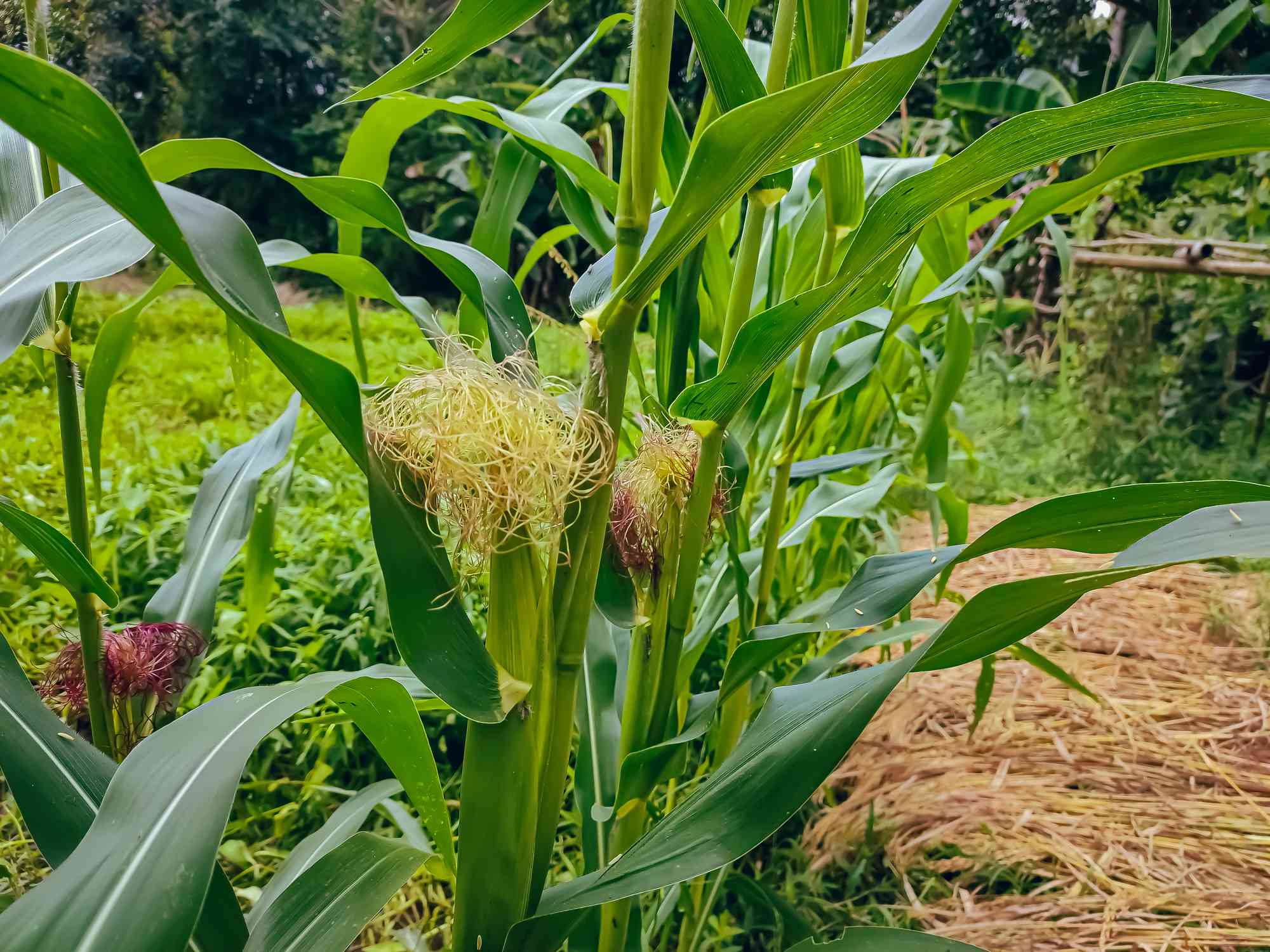
Sweet corn sounds wonderfully nostalgic until you realize it is not especially efficient in a small garden. Corn needs space, warm soil, good fertility, and block planting for proper pollination. Planting a single short row may save room, but it often leads to patchy kernels and disappointing ears. If your garden is compact, corn can become a lot of work for a surprisingly small harvest.
What to grow instead: Cucumbers
Cucumbers deliver that same fresh summer abundance with far less demand for square footage, especially if you grow them vertically on a trellis. They are productive, fast, and easier to manage in raised beds and small backyard gardens. You also get bonus points because trellised cucumbers are easier to spot, easier to pick, and less likely to disappear into the leaves like tiny green escape artists.
6. Brussels Sprouts
Why they are hard to grow
Brussels sprouts need a long cool season and often taste best after frost. That makes them tricky in regions with short falls, hot late summers, or abrupt weather swings. They also take up garden space for a long time before delivering a harvest. When temperatures stay too warm during sprout formation, the sprouts may remain loose instead of becoming tight little heads.
What to grow instead: Kale
Kale gives you the same cool-season toughness with a lot more flexibility. It germinates quickly, grows fast, tolerates cool weather well, and can be harvested leaf by leaf over a long stretch. It is an excellent crop for gardeners who want something nutritious, productive, and less likely to make them question all of their life choices in October.
7. Spinach
Why they are hard to grow
Spinach is famous for bolting when days grow longer and temperatures rise. That means your harvest window can be annoyingly short, especially in regions where spring goes from delightful to blazing in about six minutes. Warmth, drought stress, and delayed harvesting can all push spinach toward bitterness and seed stalks instead of tender leaves.
What to grow instead: Swiss chard
Swiss chard is the laid-back cousin spinach wishes it could be. It is productive, attractive, and much more tolerant of summer heat. While it also prefers reasonable moisture, it does not bolt the way spinach does, and you can keep harvesting outer leaves for weeks. For gardeners who want leafy greens without a stopwatch, chard is a terrific backup plan.
8. Bell Peppers
Why they are hard to grow
Bell peppers can be frustrating because fruit set drops when temperatures swing outside their preferred range. Cool nights can slow them down, and very hot days can cause flowers to abort. They also tend to grow more slowly than many gardeners expect. You spend weeks admiring a nice green plant while wondering whether peppers are more of a concept than an actual crop.
What to grow instead: Smaller sweet peppers or hot peppers
If you want reliable pepper harvests, grow smaller-fruited peppers. Many hot peppers and compact sweet varieties handle temperature swings better and set fruit more readily than large bell peppers. You still get the pepper flavor, the colorful harvest, and the smug satisfaction of saying, “No, these actually grew just fine.”
9. Head Lettuce
Why they are hard to grow
Head lettuce can be more difficult than loose-leaf types because it takes longer, needs steady growth, and can turn bitter or bolt when hot weather arrives. Tight heads can also be more vulnerable to certain quality issues, including tipburn and rot under stressful conditions. Growing a perfect head of lettuce is not impossible, but it is not always the easiest way to keep salad on the table.
What to grow instead: Leaf lettuce
Leaf lettuce is one of the smartest beginner vegetables you can grow. It matures faster, is more widely adapted, and lets you harvest a few leaves at a time instead of waiting for one perfect head. That “cut-and-come-again” habit makes it ideal for raised beds, containers, and gardeners who prefer steady wins over one dramatic harvest moment.
10. Onions From Seed
Why they are hard to grow
Growing onions from seed gives you variety, but it also gives you extra work. Germination can be uneven, onion seed loses vigor fairly quickly, and the crop often needs a long head start indoors. For many home gardeners, that means more trays, more thinning, more timing, and more opportunities to mutter things at tiny seedlings that should not be repeated in polite company.
What to grow instead: Onion sets
Onion sets are simply easier. They are faster to plant, easier to handle, and more beginner-friendly than seed. If your main goal is a dependable onion harvest instead of proving you can raise everything from scratch, sets are a great shortcut. Gardening is supposed to feed you, not become a competitive endurance sport.
How to Choose the Right Easy Vegetable Instead
When deciding what to grow instead of a difficult crop, do not just chase whatever sounds easy on the internet. Match the replacement to your garden conditions and cooking habits. If you have hot summers, lean toward heat-tolerant crops like Swiss chard, cucumbers, zucchini, and smaller peppers. If your spring and fall are long and cool, focus on kale, leaf lettuce, radishes, peas, and cabbage. If you only have containers, look for compact crops with quick turnaround times.
The smartest beginner garden is not built around bragging rights. It is built around repeatable success. A handful of reliable crops teaches you more than one season spent trying to force a stubborn vegetable into the wrong conditions. Easy vegetables to grow may not sound glamorous, but harvesting dinner from your backyard is pretty glamorous when it actually happens.
Final Thoughts
There is nothing wrong with growing hard vegetables if you enjoy the challenge. Plenty of gardeners love experimenting with finicky crops, dialing in soil fertility, and timing transplants like it is a precision sport. But if you want stronger harvests, less frustration, and a garden that feels rewarding instead of chaotic, swapping in easier alternatives is a smart move.
Grow the vegetables that match your climate, your schedule, and your patience level. Your garden does not need to impress anyone. It just needs to feed you, teach you, and occasionally provide enough cucumbers that your neighbors start avoiding eye contact.
500 More Words of Real-World Gardening Experience
One of the most common experiences gardeners have with hard vegetables is confusing “popular” with “beginner-friendly.” A vegetable may be common in grocery stores, cookbooks, and seed catalogs, but that does not mean it is a smart first crop. Sweet corn is a perfect example. It feels classic. It looks fun. It belongs in the fantasy version of a backyard garden where everything is tidy and sunlit and nobody has weeds. Then real life arrives. The planting block is too small, pollination is uneven, raccoons show suspicious interest, and suddenly the gardener is standing in the yard holding three mediocre ears of corn and a damaged sense of self-worth.
Cauliflower creates a different kind of frustration. Gardeners often do almost everything right and still get a disappointing result because the weather simply refuses to cooperate. A few hot days, a dry spell, or stress at the wrong stage can lead to tiny heads or premature flowering. This is the kind of crop that teaches an important lesson: sometimes the problem is not your effort. Sometimes the crop itself has very little tolerance for imperfection. That realization can be strangely liberating. When gardeners swap to cabbage or broccoli and finally get a usable harvest, confidence comes back fast.
Leafy greens tell the same story in miniature. Spinach and head lettuce seem simple because they are not giant sprawling plants. But small does not always mean easy. Many gardeners discover that a crop can fail quickly if the harvest window is short. Miss the timing by a week, get a burst of hot weather, or forget to water during a dry stretch, and the leaves can turn bitter or bolt. By contrast, Swiss chard and leaf lettuce tend to be far more forgiving. You can harvest a little at a time, recover from small mistakes, and still end up with something worth eating. That matters, especially for new gardeners who are still learning how fast weather and soil can change.
Another common experience is realizing that easy vegetables create momentum. Bush beans, cucumbers, scallions, and kale give you frequent signs of progress. Seeds emerge. Plants size up quickly. Harvests begin before you have had time to become emotionally exhausted. Those small wins are not trivial. They keep people gardening. A productive row of beans can teach spacing, watering, and harvest timing more effectively than a stubborn patch of celery ever will.
In many home gardens, the best strategy is to dedicate only a small space to experiments and fill the rest with reliable performers. That way, if the artichokes flop or the Brussels sprouts never quite tighten up, you still have cucumbers climbing, lettuce regrowing, and beans producing enough for dinner. Over time, experience makes the hard vegetables easier because you learn your microclimate, your soil, and your seasonal rhythm. Until then, there is no shame in choosing the crops most likely to succeed. In fact, that is not cheating. That is gardening wisely.