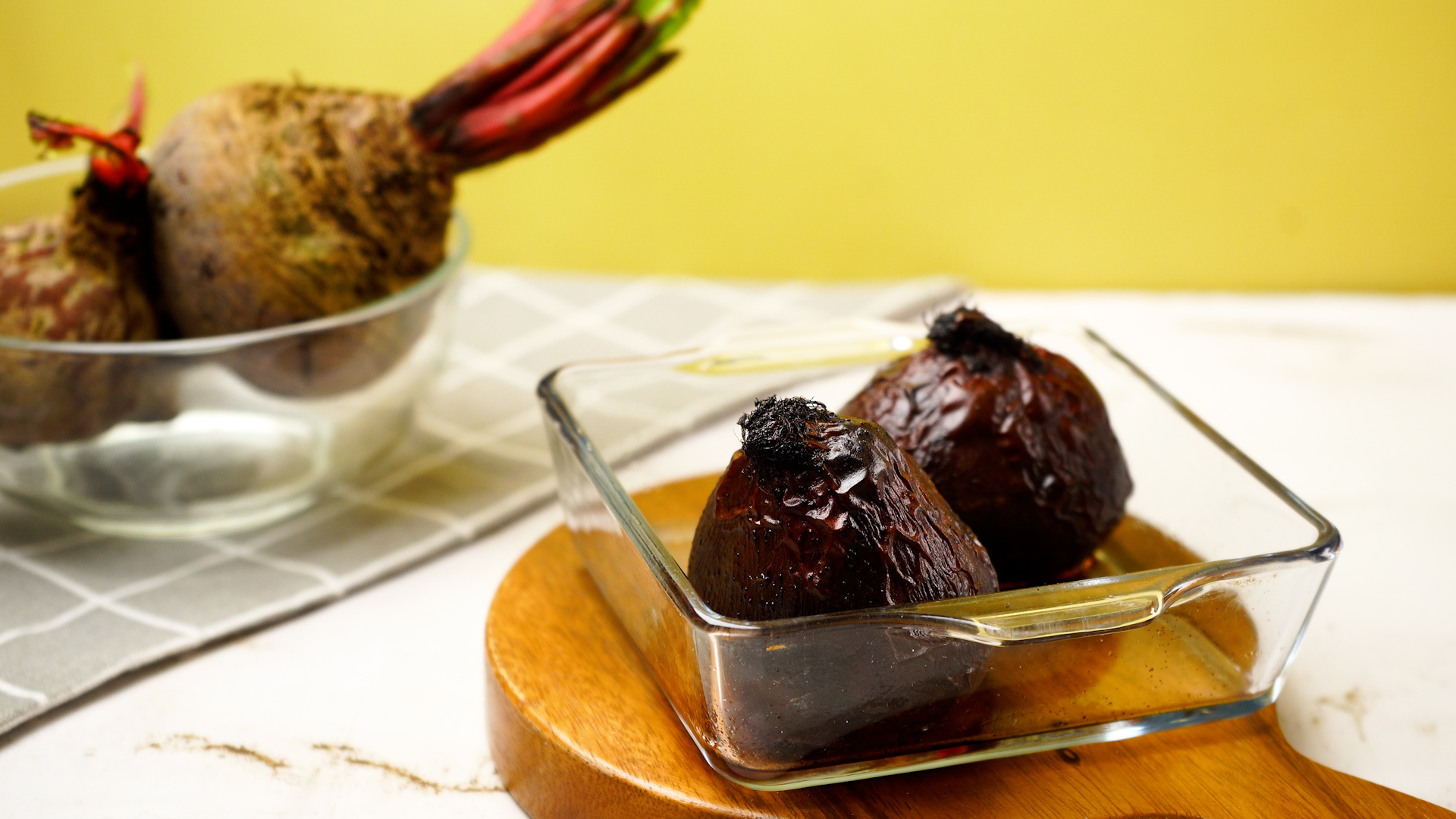
Beetroot is one of those vegetables that looks like it belongs in an art museum, stains like a crime scene, and somehow tastes both earthy and sweet at the same time. If you have ever bought a bunch of fresh beets with confidence, brought them home, stared at them on the counter, and thought, “Now what, purple potato?”welcome. You are among friends.
The good news is that learning how to cook beetroot is much easier than its dramatic color suggests. Whether you call them beets or beetroot, these ruby-red roots can become tender, sweet, savory, salad-ready, side-dish-worthy, and even fancy enough to sit next to goat cheese without feeling underdressed. The trick is choosing the right cooking method for the result you want.
This guide covers three reliable ways to cook beetroot: roasting, boiling, and steaming. Each method has its own personality. Roasted beetroot is deep, sweet, and caramelized. Boiled beetroot is soft, simple, and perfect for meal prep. Steamed beetroot is clean-tasting, colorful, and a smart choice when you want tenderness without watery flavor. By the end, you will know how to prep beets, cook them without panic, peel them without repainting your kitchen, season them properly, and use them in everyday meals.
Why Cook Beetroot at Home?
Fresh beetroot has a flavor that packaged beets often cannot match. When cooked correctly, it turns tender and naturally sweet, with a mild earthiness that pairs beautifully with bright ingredients like lemon, orange, vinegar, yogurt, herbs, mustard, feta, goat cheese, nuts, and olive oil. Think of beetroot as the introverted artist of the vegetable drawer: quiet at first, but surprisingly impressive when given the right lighting.
Beetroot is also a practical ingredient. Cooked beets keep well in the refrigerator, making them excellent for salads, grain bowls, sandwiches, dips, soups, and quick side dishes. They can be served warm, chilled, sliced, diced, mashed, blended, or tossed with dressing. If you cook a batch once, you can use it several ways throughout the week.
Before You Start: How to Prepare Beetroot
Choose the Best Beets
Look for firm, heavy beets with smooth skin. Small to medium beets usually cook more evenly and tend to be sweeter. Very large beets are still usable, but they may take longer and can occasionally taste more woody. If the beet greens are attached, they should look fresh rather than wilted. Bonus: beet greens are edible and can be sautéed like spinach or Swiss chard.
Trim Without Losing Flavor
Cut off the leafy tops, leaving about one inch of stem attached. Also leave the root tail in place if you are cooking the beets whole. This helps reduce color bleeding, especially when boiling or steaming. Scrub the skins well under running water to remove grit. Beetroot grows underground and is not shy about bringing the underground home with it.
Should You Peel Beetroot Before Cooking?
Usually, no. For whole roasted, boiled, or steamed beets, it is easier to cook them with the skins on and peel them afterward. Once tender and cool enough to handle, the skins often slip off with gentle pressure from your fingers, a paper towel, or a clean kitchen towel you do not emotionally depend on. If you are cutting beets into cubes or wedges before cooking, peeling first makes sense.
Method 1: Roasted Beetroot
Roasting is the best method when you want maximum flavor. The oven concentrates beetroot’s natural sugars, softens its earthy edge, and gives it a richer taste. If boiling is a sensible sedan, roasting is the convertible with the good playlist.
Best For
Roasted beetroot is ideal for salads, grain bowls, elegant side dishes, dips, sandwiches, and any recipe where flavor matters more than speed. It pairs especially well with goat cheese, feta, walnuts, pistachios, arugula, balsamic vinegar, citrus, dill, thyme, rosemary, and yogurt sauces.
Ingredients
- 1 to 2 pounds fresh beetroot
- 1 to 2 tablespoons olive oil
- Salt and black pepper
- Optional: garlic cloves, thyme, rosemary, orange zest, or balsamic vinegar
How to Roast Beetroot
- Preheat the oven to 400°F to 425°F.
- Trim the greens, leaving about one inch of stem. Scrub the beets well.
- Place each beet on foil or put them together in a covered baking dish.
- Drizzle with olive oil and season with salt and pepper.
- Wrap tightly in foil or cover the dish tightly to trap steam.
- Roast for 40 to 60 minutes, depending on size, until a knife or skewer slides easily into the center.
- Let the beets cool until safe to handle, then rub off the skins.
- Slice, dice, wedge, or season as desired.
Roasting Tips for Better Flavor
For sweeter beetroot, roast whole beets covered rather than leaving them exposed. The covered environment keeps the beets moist while still allowing their flavor to concentrate. Add garlic cloves, rosemary, thyme, or a splash of olive oil to the roasting packet for subtle aroma. After peeling, toss the warm beets with a little vinegar or lemon juice. Acid brightens the flavor and keeps the beets from tasting too “garden basement.”
If you want faster roasting, peel the beets and cut them into one-inch pieces before cooking. Spread them in a single layer on a baking sheet, toss with oil, salt, and pepper, and roast at 425°F until tender, usually 25 to 40 minutes. This version gives you more browned edges, but it may also create more beet stains during prep. Choose your adventure wisely.
Method 2: Boiled Beetroot
Boiling is the simplest way to cook beetroot. It does not create the deep sweetness of roasting, but it produces soft, tender beets with very little effort. Boiling is especially useful when you want cooked beetroot for soups, pickles, quick salads, or blended dips.
Best For
Boiled beetroot works well for borscht, beet salads, marinated beets, beet hummus, chilled side dishes, and recipes where dressing or seasoning will provide the main flavor. It is also a good method when you do not want to turn on the oven.
Ingredients
- 1 to 2 pounds fresh beetroot
- Water, enough to cover
- 1 teaspoon salt
- Optional: 1 to 2 tablespoons vinegar or lemon juice to help preserve color
How to Boil Beetroot
- Trim the beet greens, leaving about one inch of stem. Leave the root tail attached.
- Scrub the beets thoroughly.
- Place the beets in a large pot and cover with water.
- Add salt and, if desired, vinegar or lemon juice.
- Bring to a boil, then reduce to a gentle simmer.
- Cook small beets for about 25 to 35 minutes and medium to large beets for 40 to 60 minutes.
- Test with a knife. The beet is ready when the center is tender.
- Drain, cool slightly, and rub off the skins.
Boiling Tips for Better Beetroot
Do not boil beetroot aggressively the entire time. A gentle simmer is enough. Rapid boiling can knock the beets around and may cause more color to escape into the water. Keeping the stems and root ends mostly intact also helps the beets retain their color and flavor.
After boiling, season while the beetroot is still slightly warm. Warm beets absorb dressing better than cold beets. Try olive oil, red wine vinegar, Dijon mustard, salt, pepper, and chopped parsley. For a creamy version, toss boiled beet cubes with Greek yogurt, lemon juice, dill, and a pinch of garlic. It is simple, tangy, and much more exciting than the phrase “boiled root vegetable” has any right to be.
Method 3: Steamed Beetroot
Steaming sits comfortably between roasting and boiling. It cooks beetroot gently, helps preserve color, and avoids diluting the flavor as much as boiling can. Steamed beetroot tastes clean and naturally sweet, with a tender texture that works in both warm and cold dishes.
Best For
Steamed beetroot is great for meal prep, salads, simple sides, lunch bowls, baby food-style purees, and recipes where you want a fresh beet flavor without the deeper roasted taste. It is also a convenient stovetop method when oven space is already occupied by something needy, like a casserole demanding attention.
Ingredients
- 1 to 2 pounds fresh beetroot
- Water for steaming
- Salt, pepper, and olive oil for serving
- Optional: vinegar, lemon juice, fresh herbs, or butter
How to Steam Beetroot
- Trim and scrub the beets.
- Add 1 to 2 inches of water to a pot fitted with a steamer basket.
- Place whole beets in the basket, making sure they sit above the water.
- Cover the pot and bring the water to a boil.
- Reduce to a steady simmer and steam until tender.
- Small to medium beets may take 30 to 40 minutes; large beets may take up to 50 minutes or more.
- Cool slightly, peel, and season.
Steaming Tips for Better Texture
Make sure the pot does not run dry. Check the water level during longer cooking, especially with large beets. If you want faster steaming, peel and cut the beets into wedges or cubes first. Smaller pieces may steam in 15 to 25 minutes, depending on thickness.
For a simple side dish, toss steamed beetroot with olive oil, lemon juice, salt, pepper, and chopped dill. For a sweeter version, add a drizzle of honey and a splash of orange juice. For something savory, mix steamed beet cubes with toasted walnuts, crumbled feta, and a spoonful of vinaigrette.
How to Tell When Beetroot Is Done
The best doneness test is simple: slide a paring knife, fork, or skewer into the thickest part of the beet. If it enters easily with little resistance, the beetroot is done. If the center still feels hard, keep cooking and check again in 5 to 10 minutes. Beetroot cooking time varies widely because size, freshness, and density all matter.
Do not panic if the outside looks ready before the inside is tender. Beets are sturdy little vegetables. They are not delicate asparagus spears that collapse if you blink too slowly. Give them time.
How to Peel Cooked Beetroot Without Making a Mess
Let the cooked beetroot cool until you can handle it comfortably. Place it over a plate, bowl, or parchment-lined surface. Use your fingers, a paper towel, or disposable gloves to rub the skins away. If the skins do not slip off easily, the beets may need a few more minutes of cooking.
To reduce stains, avoid wooden cutting boards when handling red beets. Use glass, metal, plastic, parchment paper, or a washable plate. Lemon juice and baking soda can help lift beet stains from hands, but gloves are easier. Beetroot may be delicious, but it has the artistic confidence of permanent ink.
How to Season Cooked Beetroot
Beetroot loves contrast. Its sweetness needs acid, salt, fat, and sometimes crunch. A basic formula is: cooked beets + olive oil + vinegar or lemon juice + salt + pepper. From there, you can add herbs, cheese, nuts, citrus, yogurt, mustard, or spices.
Flavor Pairing Ideas
- Classic: beetroot, goat cheese, walnuts, arugula, balsamic vinegar
- Fresh: beetroot, orange slices, mint, pistachios, lemon vinaigrette
- Creamy: beetroot, Greek yogurt, dill, garlic, cucumber
- Hearty: beetroot, lentils, feta, parsley, red wine vinegar
- Sweet-savory: beetroot, honey, thyme, black pepper, toasted pecans
How to Store Cooked Beetroot
Store cooked beetroot in an airtight container in the refrigerator for up to 4 to 5 days. Keep it whole if you want it to stay moist longer, or slice it for quick meals. If dressing beets ahead of time, use a simple vinaigrette rather than delicate greens, which may wilt and turn pink faster than you can say “salad emergency.”
You can freeze cooked beetroot, though the texture may soften after thawing. Frozen cooked beets are best used in smoothies, soups, dips, and purees rather than crisp salads.
Common Beetroot Cooking Mistakes
Peeling Too Early
Peeling raw beets can be messy and unnecessary if you are cooking them whole. Cook first, peel later, and your hands will thank you.
Skipping Acid
Beetroot can taste flat without brightness. A splash of lemon juice, orange juice, red wine vinegar, apple cider vinegar, or balsamic vinegar makes the flavor pop.
Undercooking Large Beets
Large beets can look done on the outside while staying firm in the middle. Always test the center before removing them from the heat.
Forgetting the Greens
If your beets come with greens, do not throw them away. Wash them well, chop the stems, and sauté them with olive oil, garlic, salt, and a splash of vinegar. They make a fast side dish and help you feel like the sort of person who uses the whole vegetable.
Which Beetroot Cooking Method Is Best?
The best method depends on your goal. Choose roasting when you want the richest flavor and natural sweetness. Choose boiling when you want a simple, no-fuss method for soft beets. Choose steaming when you want a clean flavor, good color, and tender texture without turning on the oven.
If you are new to beetroot, start with roasting. It is the most forgiving flavor-wise because it brings out sweetness and reduces the strong earthy quality that makes some people suspicious of beets. If you already like beetroot and want easy meal prep, boiling or steaming will serve you well.
of Real-Life Beetroot Cooking Experience
The first time many home cooks try fresh beetroot, they underestimate two things: how long it takes to cook and how enthusiastically it shares its color with everything nearby. Beetroot is not a vegetable that whispers. It announces itself. The cutting board turns pink, the paper towel turns pink, your fingertips turn pink, and suddenly the kitchen looks like it hosted a tiny vegetable opera.
In practice, the easiest way to make beetroot less intimidating is to cook more than you need. Roasting two beets feels like a project. Roasting six beets feels like meal prep. The effort is almost the same, but the reward lasts for days. Once cooked and peeled, beetroot becomes one of those quiet refrigerator treasures that can rescue boring lunches. Add slices to a turkey sandwich with mustard and greens. Toss cubes into a quinoa bowl with chickpeas and feta. Blend roasted beets with white beans, lemon, garlic, and olive oil for a bright pink dip that makes guests ask questions before they even taste it.
Roasting is the method that tends to win over beet skeptics. The flavor becomes sweeter and rounder, especially when the beets are cooked with olive oil, salt, and a few aromatics. The texture also feels more luxurious. A roasted beet wedge with goat cheese, toasted walnuts, and balsamic vinegar can taste restaurant-level with very little effort. It is the kind of dish that makes you stand a little taller while serving it, even if you are wearing mismatched socks.
Boiling, however, has its own charm. It is practical, unfussy, and excellent when the beetroot is headed into a recipe with bold seasoning. For example, boiled beetroot works beautifully in a vinegar-forward salad with onions, herbs, and black pepper. It also blends smoothly into soups. If the flavor seems mild after boiling, that is not failure; it is an invitation. Add acid, salt, herbs, and fat. Beetroot does not need to be shouted at, but it does need direction.
Steaming is the method that often surprises people. It keeps the beets tasting fresh and clean, and it avoids the slightly diluted quality that can happen with boiling. Steamed beetroot is especially good for weekday salads because it feels light but still satisfying. Slice it thin, add citrus, drizzle with olive oil, and finish with flaky salt. That is lunch with confidence.
One useful habit is to separate red beets from golden beets when cooking. Red beets are generous with their pigment and will happily dye golden beets, potatoes, onions, and anything else in the pot. If color matters, cook them separately. If color does not matter, let chaos be delicious.
The biggest lesson from cooking beetroot regularly is that beets are not difficult; they are just dramatic. Treat them with patience, season them with brightness, protect your favorite white towel, and they will reward you with color, flavor, and a surprising amount of versatility.
Conclusion
Learning three ways to cook beetroot gives you options for nearly any meal. Roasting delivers deep sweetness and the best flavor for salads and sides. Boiling gives you soft, simple beets for soups, dips, and marinated dishes. Steaming offers a clean, colorful, nutrient-conscious method that works beautifully for everyday meal prep. Whichever method you choose, remember the golden beetroot rules: scrub well, cook until fully tender, peel after cooking when possible, and always finish with acid, salt, and a little fat.
Beetroot may look intimidating at first, but once you understand how to cook it, it becomes one of the most useful vegetables in the kitchen. It is bold enough for dinner parties, practical enough for weekday lunches, and colorful enough to make even a plain salad look like it hired a stylist.
Note: This article is written in original, web-ready American English and is based on established cooking guidance from reputable food, nutrition, and culinary sources. No external source links or citation placeholders are included in the HTML body.