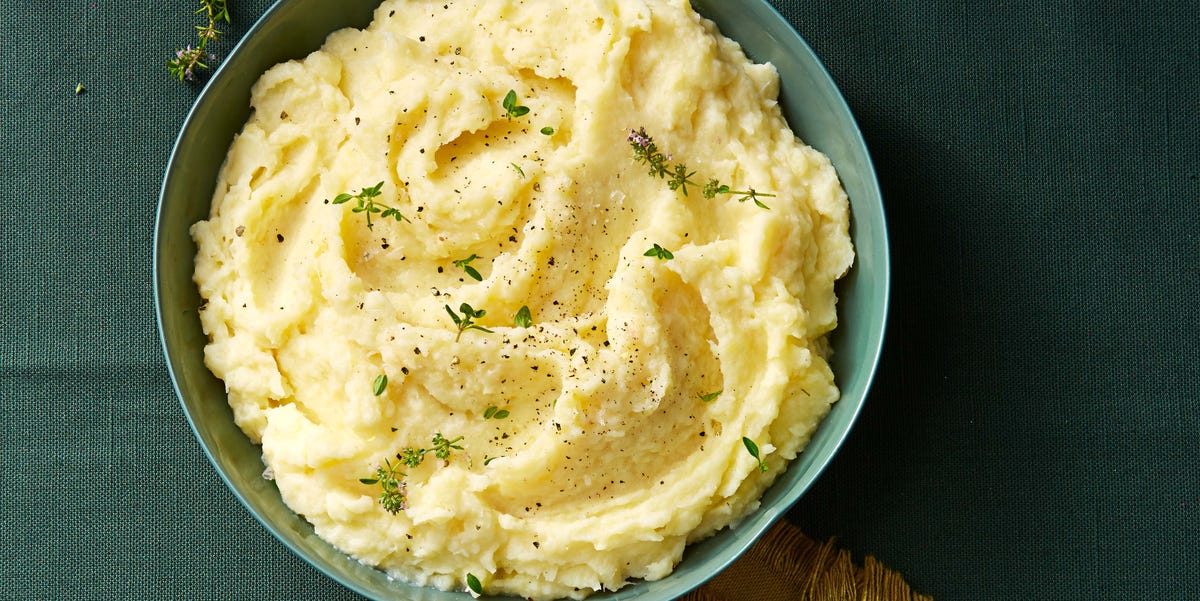
Mashed potatoes are already the comfort-food equivalent of a warm blanket, but add parsnips and suddenly that blanket has a cashmere upgrade. This best parsnip and potato mash recipe is creamy, slightly sweet, buttery, and cozy enough to make roast chicken applaud politely from the plate. It has the familiar fluffiness of classic mashed potatoes with the earthy, nutty sweetness of parsnipsbasically the side dish that shows up to dinner wearing a nice sweater.
If you have ever wondered how to make parsnip and potato mash that tastes restaurant-worthy without requiring a culinary degree, a French accent, or a sink full of mysterious equipment, this guide has you covered. The method is simple: choose the right potatoes, use fresh parsnips, cook them until perfectly tender, dry them well, then mash with warm dairy, butter, garlic, and a tiny whisper of nutmeg. The result is smooth but not gluey, rich but not heavy, and flavorful enough to stand next to turkey, beef, pork, chicken, or a vegetarian holiday spread without quietly disappearing.
Why Parsnip and Potato Mash Deserves a Spot on Your Table
Parsnips look like pale carrots that spent the winter reading poetry, but do not underestimate them. They bring a naturally sweet, earthy flavor that makes mashed potatoes more interesting without making them weird. Potatoes provide body and comfort; parsnips add depth and a gentle honey-like note. Together, they create a mash that feels familiar and special at the same time.
This dish works beautifully for Thanksgiving, Christmas dinner, Sunday roasts, Easter meals, or any cold evening when regular mashed potatoes need a little personality. It is also a clever way to serve root vegetables to people who claim they “do not like parsnips,” because once butter and potatoes enter the conversation, resistance tends to weaken.
The Best Potatoes for Parsnip and Potato Mash
The best potatoes for this recipe are Yukon Gold potatoes. They have a naturally buttery flavor, medium starch content, and creamy texture that mashes beautifully. Russet potatoes also work, especially if you want a fluffier mash, but they can become dry if overworked. Red potatoes are less ideal because they are waxier and can turn pasty if mashed too aggressively.
For the best balance, use about two parts potatoes to one part parsnips. This keeps the mash creamy and potato-forward while allowing the parsnips to shine. If you want a stronger parsnip flavor, use equal parts potatoes and parsnips. If you are serving picky eaters, start with a lighter parsnip ratio and let the vegetable sneak in like a polite dinner guest.
How to Choose Good Parsnips
Choose small to medium parsnips that feel firm and heavy for their size. The skin should be smooth, pale cream, and free from soft spots. Very large parsnips can have woody cores, which are about as welcome in a mash as a fork in a smoothie. If your parsnips are thick, cut away the tough center after peeling and quartering them.
Parsnips are often at their best in fall and winter, when their flavor becomes sweeter. Store them unwashed in a loose or perforated plastic bag in the refrigerator. Wash and peel them just before cooking so they stay fresh and crisp.
Ingredients for the Best Parsnip and Potato Mash
Main Ingredients
- 2 pounds Yukon Gold potatoes, peeled and cut into 1 1/2-inch chunks
- 1 pound parsnips, peeled, trimmed, and cut into 1-inch chunks
- 1 1/2 teaspoons kosher salt, plus more for the cooking water
- 4 tablespoons unsalted butter
- 3/4 cup whole milk, half-and-half, or light cream, warmed
- 1 large garlic clove, lightly smashed
- 1/4 cup sour cream or crème fraîche, optional but excellent
- 1/8 teaspoon freshly grated nutmeg
- Freshly ground black pepper, to taste
- 2 tablespoons chopped chives or parsley, for garnish
Optional Flavor Add-Ins
- 1 teaspoon prepared horseradish for a sharper holiday-style mash
- 1 teaspoon fresh thyme leaves for an herby finish
- 2 tablespoons roasted garlic for deeper sweetness
- Extra butter for serving, because joy is legal
How to Make Parsnip and Potato Mash
Step 1: Prep the Vegetables
Peel the potatoes and parsnips. Cut the potatoes into slightly larger pieces than the parsnips because potatoes usually soften a little faster. If your parsnips are large and have a firm core, remove the core before cooking. This one small step helps keep the final mash silky instead of fibrous.
Step 2: Start in Cold Salted Water
Place the potatoes and parsnips in a large pot. Cover them with cold water by about one inch and season the water generously with salt. Starting in cold water helps the vegetables cook evenly from edge to center. Bring to a boil over medium-high heat, then reduce to a steady simmer.
Step 3: Cook Until Very Tender
Simmer for 18 to 25 minutes, depending on the size of your pieces. The vegetables are ready when a fork slides through with almost no resistance. Do not stop at “kind of tender.” For a creamy parsnip potato mash, the vegetables should be soft enough to mash easily without a wrestling match.
Step 4: Warm the Dairy
While the vegetables cook, warm the milk or half-and-half in a small saucepan with the smashed garlic clove and butter. Keep the heat low. You want the butter melted and the dairy warm, not boiling like it has an important announcement. Warming the dairy helps it blend smoothly into the mash and prevents the potatoes from cooling down too quickly.
Step 5: Drain and Dry
Drain the potatoes and parsnips very well. Return them to the hot empty pot and place it over low heat for about one minute, shaking gently. This allows excess moisture to evaporate. A watery mash is nobody’s dream, unless that person has very unusual dreams.
Step 6: Mash Gently
Remove the garlic clove from the warm dairy if you want a mild flavor, or mash it in if you love garlic. Use a potato masher or ricer to mash the vegetables. Add the warm butter-milk mixture gradually, stirring gently until creamy. Fold in sour cream or crème fraîche if using, then season with salt, pepper, and nutmeg.
Step 7: Taste and Finish
Taste before serving. Parsnips are naturally sweet, so they need enough salt and pepper to stay balanced. Spoon the mash into a warm serving bowl, top with a pat of butter, and sprinkle with chopped chives or parsley. Serve hot.
Recipe Card: Creamy Parsnip and Potato Mash
Prep Time
15 minutes
Cook Time
25 minutes
Total Time
40 minutes
Servings
6 servings
Best For
Holiday dinners, roast meats, vegetarian mains, weeknight comfort food, and anyone who believes mashed potatoes should occasionally wear a fancy hat.
Tips for the Creamiest Parsnip and Potato Mash
Use Warm Milk, Not Cold Milk
Cold milk can make mashed potatoes tighten up and cool down quickly. Warm milk or half-and-half blends more smoothly and keeps the texture soft and luxurious.
Do Not Overmix
Potatoes release starch when mashed. A little starch creates body; too much stirring creates glue. Mash gently and stop once the texture looks creamy. This is not the time to prove your upper-body strength.
Drain Thoroughly
Parsnips and potatoes both hold moisture after boiling. Returning them to the hot pot for a minute helps steam off extra water and gives the mash a richer texture.
Balance Sweetness With Salt
Parsnips are sweeter than potatoes, so seasoning matters. Salt brings the dish back into savory territory, while black pepper, garlic, thyme, or horseradish add contrast.
Add Nutmeg Carefully
A tiny pinch of nutmeg enhances creamy root vegetables beautifully. Too much nutmeg, however, can make the dish taste like it accidentally wandered into a pumpkin pie. Use a light hand.
Flavor Variations
Garlic Parsnip and Potato Mash
Simmer one or two garlic cloves with the milk and butter, then mash them into the vegetables. For deeper flavor, use roasted garlic instead. It adds sweetness and a soft caramel note that pairs especially well with roast chicken or turkey.
Horseradish Parsnip Potato Mash
Add one teaspoon of prepared horseradish with the sour cream. This version is fantastic with beef, pork tenderloin, or rich mushroom gravy. It has just enough bite to keep the dish lively.
Dairy-Free Parsnip and Potato Mash
Use olive oil instead of butter and warm vegetable broth or unsweetened oat milk instead of dairy. Add fresh thyme, black pepper, and roasted garlic for flavor. The mash will be slightly lighter but still satisfying.
Extra-Rich Holiday Mash
Replace half the milk with heavy cream and finish with crème fraîche. This is the version you make when calories are not invited to the meeting. It is rich, silky, and fully prepared to steal attention from the main dish.
What to Serve With Parsnip and Potato Mash
This creamy root vegetable mash pairs with almost anything savory. Serve it with roast turkey, glazed ham, beef stew, pot roast, roast chicken, pork chops, meatloaf, or mushroom gravy. It is also excellent under braised short ribs or beside salmon with lemony greens.
For a vegetarian dinner, pair it with lentil loaf, roasted mushrooms, sautéed kale, caramelized onions, or a rich onion gravy. The mild sweetness of parsnips works especially well with earthy flavors, herbs, and anything roasted until golden.
Make-Ahead and Storage Tips
You can make parsnip and potato mash up to two days ahead. Let it cool, then store it in an airtight container in the refrigerator. Reheat gently on the stovetop over low heat, adding a splash of milk as needed to loosen the texture. Stir often so the bottom does not scorch.
Leftovers should be refrigerated within two hours of cooking. For best quality, eat refrigerated leftovers within three to four days. You can freeze this mash, but the texture may become slightly grainy after thawing because potatoes do not always love the freezer. If freezing, add extra butter or cream when reheating to bring back creaminess.
Common Mistakes to Avoid
Using Old, Woody Parsnips
Large or aging parsnips can have tough centers. Choose smaller parsnips when possible, and remove the core if it feels firm. This keeps the mash smooth and pleasant.
Skipping the Salted Water
Seasoning only at the end can leave the mash tasting flat. Salted cooking water seasons the vegetables from within, which gives the final dish better flavor.
Adding Too Much Liquid at Once
Pour in warm milk gradually. Potatoes vary in moisture, and parsnips can soften differently depending on size and freshness. Add liquid until the texture feels right, not until the measuring cup feels empty.
Using a Food Processor
A food processor can overwork potatoes quickly and turn them sticky. A masher, ricer, or food mill is safer. If you want a very smooth texture, pass the cooked vegetables through a ricer, then fold in the warm dairy by hand.
Why This Recipe Works
The beauty of this parsnip and potato mash recipe is balance. Yukon Gold potatoes create creaminess and structure. Parsnips provide sweetness and a subtle nutty flavor. Warm butter and milk add richness without drowning the vegetables. Sour cream or crème fraîche adds tang, which keeps the mash from tasting too sweet. A pinch of nutmeg enhances the root vegetable flavor without taking over.
The cooking method also matters. Starting in cold water helps everything cook evenly. Draining thoroughly removes excess moisture. Gentle mashing protects the potato texture. These small details are the difference between “nice side dish” and “why is everyone asking for the recipe?”
Experience Notes: What I Learned Making Parsnip and Potato Mash
The first time I made parsnip and potato mash, I treated it like regular mashed potatoes with a few parsnips tossed in for decoration. That was a mistake, though thankfully not the dramatic kind that requires opening windows or ordering pizza. Parsnips have their own personality. They are sweeter, firmer, and slightly more aromatic than potatoes, so they need a little attention. Once I started cutting the parsnips smaller than the potatoes, the texture improved immediately. No more random firm pieces hiding in the mash like vegetable speed bumps.
I also learned that draining is not optional. At first, I drained the pot quickly and started mashing right away. The flavor was good, but the texture was loose and slightly watery. Returning the vegetables to the warm pot for a minute changed everything. That extra steam-off step made the mash thicker, creamier, and better at holding a little pool of melted butter on top, which is obviously one of mashed food’s primary responsibilities.
Another helpful discovery: warm dairy makes the dish feel more polished. Cold milk straight from the fridge technically works, but it can make the mash cool and stiff. Warming the milk with butter and garlic gives the whole recipe a smoother, rounder flavor. The garlic becomes gentle instead of sharp, the butter melts evenly, and the potatoes seem much more cooperative. Potatoes, like people, respond better when approached warmly.
The best version I have made used Yukon Gold potatoes, medium parsnips, unsalted butter, whole milk, a spoonful of sour cream, black pepper, and just enough nutmeg to make people say, “What is that?” in a good way. I served it with roast chicken and pan gravy, and the mash quietly became the main event. It soaked up the gravy, balanced the salty roasted meat, and gave the plate a cozy sweetness that plain potatoes could not quite deliver.
For holiday meals, I like making this mash a few hours ahead and reheating it gently with an extra splash of milk. It saves stove space and lowers the chance of last-minute kitchen panic, which is important when the oven is full and someone is asking where the serving spoons went. A little extra butter on top before serving makes it look fresh and glossy. Add chives or parsley, and suddenly it looks intentional, not like you were mashing root vegetables while answering three questions and guarding the rolls from early snackers.
My favorite thing about this dish is that it feels special without being complicated. It uses basic ingredients, but the flavor is layered: creamy potatoes, sweet parsnips, savory garlic, tangy sour cream, and buttery richness. It is familiar enough for traditional mashed potato lovers and different enough to make dinner feel a little more memorable. In short, parsnip and potato mash is what happens when comfort food gets a charming winter upgrade and still remembers to be easy.
Conclusion
The best parsnip and potato mash recipe is not about making mashed potatoes complicated. It is about making them better. With the right ratio of Yukon Gold potatoes to parsnips, warm butter and milk, careful seasoning, and gentle mashing, you get a side dish that is creamy, flavorful, and just a bit more elegant than the usual bowl of spuds.
Serve it for holidays, Sunday dinners, or weeknights when you want comfort food with a little sparkle. It is simple enough for beginners, impressive enough for guests, and delicious enough that leftovers may become a rumor rather than a reality.
SEO Tags
Note: This article is written as original SEO content for web publication. It contains no embedded source links, no citation placeholders, and no unnecessary publishing artifacts.