English is a language that loves practical jokes. It gives us phrases that sound perfectly sensible in conversation, then waits until we type them in an email, text message, caption, job application, or office memo to whisper, “Surprise. That is not how that works.” Many of the most commonly misspelled phrases in everyday settings are not random mistakes. They happen because English is full of homophones, old idioms, borrowed words, silent letters, odd spellings, and expressions whose original meanings have faded into the linguistic attic.
That is why someone can write “for all intensive purposes” and feel completely reasonable. It sounds serious. It sounds productive. It sounds like a phrase wearing a blazer. Unfortunately, the correct expression is “for all intents and purposes.” The wrong version is an example of an eggcorn: a mistaken phrase that still seems logical because it sounds like the original and makes a kind of accidental sense.
This guide breaks down 98 popular phrases people spell wrong in everyday settings, from workplace emails to social media comments, school assignments, wedding invitations, customer service replies, and those group chats where one typo can become a family nickname for six years. You will find the correct phrase, the common wrong version, and a quick explanation so the mistake is easier to remember.
Why Do People Spell Common Phrases Wrong?
Most phrase mistakes come from sound. We hear a phrase long before we see it written. If the words blur together, the brain fills in the blanks with something familiar. That is how “could have” becomes “could of,” “beck and call” becomes “beckon call,” and “deep-seated” becomes “deep-seeded.” Autocorrect may help with single words, but it often shrugs at phrases. A sentence can be spelled correctly word by word and still be completely wrong as an expression.
Another reason is that many idioms are old. “Free rein” comes from horseback riding, where loose reins allow a horse more freedom. Today, most people are not galloping to the grocery store, so “free reign” can look logical because it suggests power or control. The wrong phrase feels modern, but the correct phrase carries the history.
98 Popular Phrases People Spell Wrong
Everyday Idioms That Commonly Go Wrong
- Correct: For all intents and purposes. Wrong: For all intensive purposes. Use it when something is practically true in effect.
- Correct: Could have. Wrong: Could of. The sound “could’ve” causes the confusion.
- Correct: Should have. Wrong: Should of. “Have” belongs after should, would, and could.
- Correct: Would have. Wrong: Would of. In formal writing, “would’ve” should become “would have.”
- Correct: Supposed to. Wrong: Suppose to. The final “d” often disappears in speech.
- Correct: Used to. Wrong: Use to. Past habit needs the “d.”
- Correct: A lot. Wrong: Alot. “A lot” is two words. “Alot” is not invited.
- Correct: All right. Wrong: Alright. “All right” is the safer standard choice in polished writing.
- Correct: Regardless. Wrong: Irregardless. “Regardless” already means without regard.
- Correct: In regard to. Wrong: In regards to. Use “regarding” if you want a cleaner option.
- Correct: As far as I know. Wrong: As far as I know of. The extra “of” clutters the phrase.
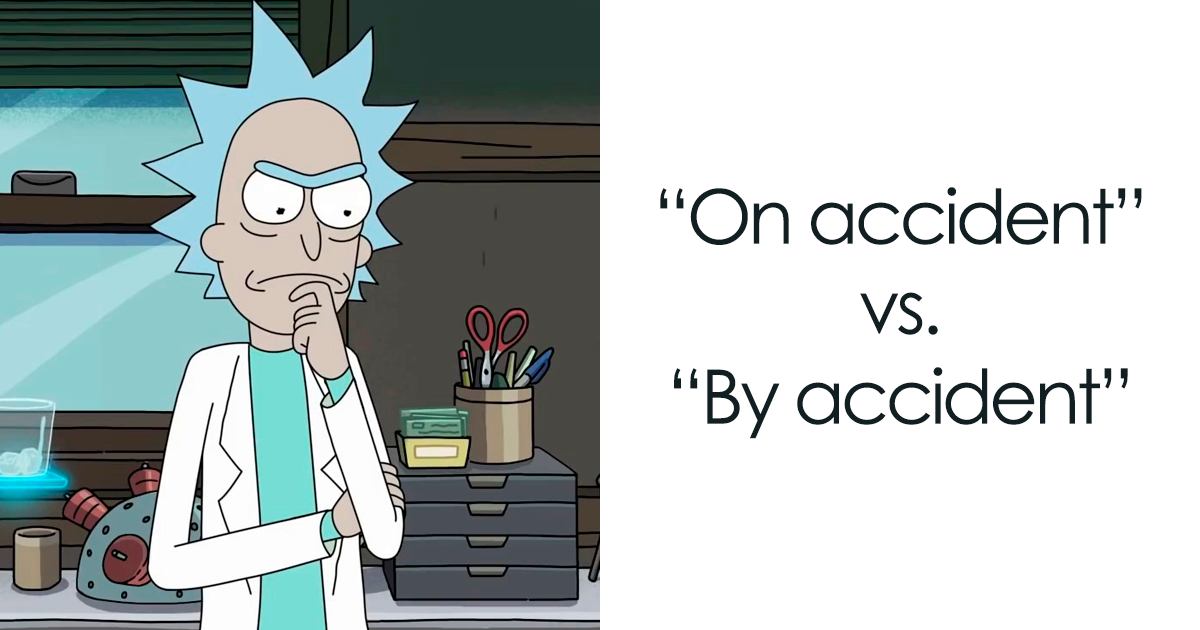
- Correct: By accident. Wrong: On accident. “By accident” is preferred in standard American English.
- Correct: On purpose. Wrong: By purpose. Use “on” for intention and “by” for accident.
- Correct: Each other. Wrong: Eachother. Two words, one relationship.
- Correct: In the meantime. Wrong: In the mean time. “Meantime” is one word in this expression.
- Correct: Every once in a while. Wrong: Every once and a while. The phrase uses “in,” not “and.”
- Correct: All of a sudden. Wrong: All the sudden. The standard idiom includes “of a.”
- Correct: More than. Wrong: Over, when referring to numbers in very formal contexts. Both are common, but “more than” is often clearer.
- Correct: Fewer than. Wrong: Less than, for countable items. Use fewer cookies, less milk, and more snacks for everyone.
- Correct: Different from. Wrong: Different than. “Different from” is the traditional choice in careful writing.
Misheard Phrases That Sound Almost Right
- Correct: Nip it in the bud. Wrong: Nip it in the butt. This phrase comes from cutting off a plant bud before it grows.
- Correct: Beck and call. Wrong: Beckon call. To be at someone’s beck and call is to be ready whenever summoned.
- Correct: Deep-seated. Wrong: Deep-seeded. The idea is firmly seated, not planted like a tomato.
- Correct: Whet your appetite. Wrong: Wet your appetite. “Whet” means sharpen or stimulate.
- Correct: Pique my interest. Wrong: Peak my interest. “Pique” means to arouse or excite curiosity.
- Correct: Tow the line. Wrong: Toe the line. Actually, the standard idiom is “toe the line,” meaning conform to a rule.
- Correct: Toe the line. Wrong: Tow the line. Think of standing with your toes on a starting line.
- Correct: Bated breath. Wrong: Baited breath. Unless you swallowed fishing worms, use “bated.”
- Correct: Sleight of hand. Wrong: Slight of hand. “Sleight” means skillful trickery.
- Correct: Sleight of hand. Wrong: Slide of hand. Magicians do sleight, not playground equipment.
- Correct: Case in point. Wrong: Case and point. The phrase introduces an example that proves the point.
- Correct: By and large. Wrong: By in large. The correct phrase means generally or overall.
- Correct: Spitting image. Wrong: Spit and image. “Spitting image” means an exact likeness.
- Correct: Scapegoat. Wrong: Escape goat. An escape goat sounds athletic, but it is not the phrase.
- Correct: Pass muster. Wrong: Pass mustard. Muster means inspection or approval, not sandwich seasoning.
- Correct: Make do. Wrong: Make due. To make do is to manage with what you have.
- Correct: Moot point. Wrong: Mute point. A moot point is debatable or irrelevant, not silent.
- Correct: One and the same. Wrong: One in the same. The phrase means two things are identical.
- Correct: Hunger pangs. Wrong: Hunger pains. Pangs are sharp feelings or sudden discomforts.
- Correct: Peace of mind. Wrong: Piece of mind. You want calm, not a brain sample.
Workplace and Professional Writing Mistakes
- Correct: Bear with me. Wrong: Bare with me. “Bear” means tolerate or be patient.
- Correct: Without further ado. Wrong: Without further adieu. “Ado” means fuss or delay; “adieu” means goodbye.
- Correct: Due diligence. Wrong: Do diligence. The phrase refers to proper care or investigation.
- Correct: Per se. Wrong: Per say. This Latin phrase means “in itself.”
- Correct: Et cetera. Wrong: Ex cetera. The abbreviation is “etc.,” not “ect.”
- Correct: Statute of limitations. Wrong: Statue of limitations. Laws have statutes; parks have statues.
- Correct: For the record. Wrong: For the records. Use the singular phrase in standard expression.
- Correct: En route. Wrong: On route. “En route” means on the way.
- Correct: In lieu of. Wrong: In light of, when meaning “instead of.” “In lieu of” means in place of.
- Correct: In light of. Wrong: In lieu of, when meaning “because of.” “In light of” means considering.
- Correct: Touch base. Wrong: Touch bases. The workplace loves this phrase almost too much.
- Correct: Home in on. Wrong: Hone in on. “Home in” means move toward a target.
- Correct: Flesh out. Wrong: Flush out, when meaning develop. You flesh out an idea; you flush out hidden details.
- Correct: Flush out. Wrong: Flesh out, when meaning force into the open. Different phrase, different job.
- Correct: Rein in. Wrong: Reign in. To rein in is to control, like using reins on a horse.
- Correct: Free rein. Wrong: Free reign. It means freedom of movement, not royal authority.
- Correct: Just deserts. Wrong: Just desserts. “Deserts” here means what someone deserves.
- Correct: The point is moot. Wrong: The point is mute. Your point may be irrelevant, but it is not refusing to speak.
- Correct: Champing at the bit. Wrong: Chomping at the bit. Both are heard, but “champing” is the traditional form.
- Correct: A shoo-in. Wrong: A shoe-in. A shoo-in is someone likely to win.
Social Media, Texting, and Casual Conversation Errors
- Correct: Sneak peek. Wrong: Sneak peak. A peek is a look; a peak is a mountain top.
- Correct: Wreak havoc. Wrong: Wreck havoc. To wreak havoc is to cause chaos.
- Correct: Chalk it up. Wrong: Chock it up. The phrase means to attribute something to a cause.
- Correct: Lo and behold. Wrong: Low and behold. “Lo” is an old attention-getting word.
- Correct: Could not care less. Wrong: Could care less. If you could care less, you still have caring left.
- Correct: Another think coming. Wrong: Another thing coming. Both appear in use, but the traditional phrase is “think.”
- Correct: Old wives’ tale. Wrong: Old wise tale. It refers to traditional folk belief, not wise storytelling.
- Correct: Exact revenge. Wrong: Extract revenge. “Exact” can mean demand or inflict.
- Correct: Card shark. Wrong: Card sharp. Both have history, but “card shark” is widely understood in American English.
- Correct: Dog-eat-dog world. Wrong: Doggy dog world. Cute, but not quite the ruthless idiom.
- Correct: Duct tape. Wrong: Duck tape, unless referring to the brand. The general product is duct tape.
- Correct: Espresso. Wrong: Expresso. The drink is fast, but it is not spelled with “x.”
- Correct: Espresso shot. Wrong: Expresso shot. Your barista has suffered enough.
- Correct: Alzheimer’s disease. Wrong: Old-timer’s disease. The condition is named after Alois Alzheimer.
- Correct: Valentine’s Day. Wrong: Valentime’s Day. Love deserves the “n.”
- Correct: Library. Wrong: Liberry. Not a phrase, but a daily classic.
- Correct: Probably. Wrong: Probly. Speech drops syllables; writing should not.
- Correct: Definitely. Wrong: Definately. Remember “finite” inside “definitely.”
- Correct: Separate. Wrong: Seperate. There is “a rat” hiding in separate.
- Correct: Occasion. Wrong: Occassion. One “s,” two “c’s.”
Formal Writing, School, and Public-Facing Mistakes
- Correct: Principal reason. Wrong: Principle reason. “Principal” can mean main; “principle” means rule or belief.
- Correct: Affect change. Wrong: Effect change, in some contexts. Usually, “affect” is a verb meaning influence; “effect” can mean bring about.
- Correct: Take effect. Wrong: Take affect. Policies take effect; caffeine affects your personality.
- Correct: Compliment someone. Wrong: Complement someone, when praising. A compliment is praise; a complement completes.
- Correct: Complement the design. Wrong: Compliment the design, when meaning match well. A color can complement a room without saying, “Nice curtains.”
- Correct: Discreet conversation. Wrong: Discrete conversation. Discreet means careful or private; discrete means separate.
- Correct: Stationery. Wrong: Stationary, when meaning paper. Stationery has “e” like envelope.
- Correct: Stationary bike. Wrong: Stationery bike. A paper bike would be bold but unsafe.
- Correct: Right of way. Wrong: Right away, when referring to traffic priority. Different meaning, very different driving situation.
- Correct: Rite of passage. Wrong: Right of passage. A rite is a ceremony or ritual.
- Correct: Role model. Wrong: Roll model. Unless the person models bread rolls, use “role.”
- Correct: Lose sight of. Wrong: Loose sight of. Lose is a verb; loose means not tight.
- Correct: Keep the peace. Wrong: Keep the piece. One is harmony; the other may involve pizza.
- Correct: Pour over documents. Wrong: Pore over documents. Actually, the correct phrase is “pore over,” meaning study carefully.
- Correct: Pore over documents. Wrong: Pour over documents. Pouring coffee over documents is not research.
- Correct: Straight-laced. Wrong: Strait-laced. Both forms appear, but “strait-laced” is historically tied to narrow restraint.
- Correct: Rack your brain. Wrong: Wrack your brain. Both appear, but “rack your brain” is the common modern form.
- Correct: Thick as thieves. Wrong: Thickest thieves. The phrase means very close or secretive friends.
How to Remember the Correct Versions
The best way to avoid misspelled phrases is not to memorize every mistake like you are preparing for the Olympics of Anxiety. Instead, learn the pattern behind the error. If a phrase sounds like “of” after could, should, or would, pause and replace it with “have.” If a phrase involves horses, law, ceremony, or old-fashioned vocabulary, look it up before using it in polished writing. English idioms often drag tiny historical suitcases behind them.
Another trick is to translate the phrase into its meaning. “Bear with me” means “be patient with me,” so “bear” makes sense because one meaning of the verb is to tolerate. “Pore over” means study carefully, so it is not about pouring anything. “Free rein” means freedom from tight control, which points to reins, not kings and queens. When the image behind the phrase becomes clear, the spelling usually sticks.
Why These Phrase Errors Matter
In a casual text message, a misspelled phrase is usually harmless. Your friends will survive “sneak peak,” although one of them may send you a mountain emoji. But in everyday professional settings, these small mistakes can weaken credibility. A resume that says “attention to detale” is a tiny tragedy. An email that says “without further adieu” may still be understood, but it can make the writer look less careful than they really are.
Clear phrase spelling also improves search visibility. People searching for grammar help often type both the wrong phrase and the correct phrase, such as “bear with me or bare with me,” “free rein or free reign,” and “sneak peek or sneak peak.” Content that explains the difference naturally can satisfy readers, answer search intent, and keep visitors on the page longer. That is good for users and good for SEO, which is the rare internet situation where everyone gets a cookie.
Experience-Based Notes: What Everyday Phrase Mistakes Look Like in Real Life
After seeing these errors in emails, captions, comments, school papers, business proposals, and customer support replies, one thing becomes obvious: people do not usually make phrase mistakes because they are careless. They make them because they learned the phrase by ear. A person may have heard “for all intents and purposes” hundreds of times in meetings but never seen it written clearly. Then one day they type “for all intensive purposes” in a report, and the phrase walks into the room wearing the wrong shoes but acting very confident.
Workplace writing is where these mistakes become especially visible. Phrases such as “bear with me,” “touch base,” “due diligence,” “in lieu of,” and “home in on” appear constantly in professional messages. Because the tone is more formal, the errors stand out more. A client may understand what you mean, but the mistake can distract them from the message. It is like presenting a perfect slideshow while one bullet point is wearing a clown wig. The content may be strong, but the audience notices the wig.
Social media creates a different problem. Mistakes spread quickly because people repeat phrases they see online. If enough people write “sneak peak,” it starts to look familiar. Familiarity can trick the brain into thinking something is correct. This is why proofreading by “what looks normal” is not always reliable. The wrong version may look normal simply because the internet has been confidently wrong in bulk.
Texting also encourages phrase shortcuts. People type quickly, skip apostrophes, ignore capitalization, and rely on autocorrect. That is fine when the message is casual. Nobody needs to treat a grocery list like a Supreme Court brief. But the habit can follow writers into formal spaces. The same person who types “could of” in a group chat may accidentally use it in a cover letter. The best solution is not perfectionism; it is awareness. Know which phrases tend to trip you up, and double-check those before publishing or sending anything important.
Another everyday lesson is that the funniest wrong phrases are often the easiest to remember. “Escape goat” is unforgettable because it creates a tiny mental picture of a heroic goat jumping a fence. “Doggy dog world” sounds adorable, which is exactly why it is wrong for an idiom about ruthless competition. “Pass mustard” belongs at a picnic, not in a performance review. Humor turns correction into memory. If a phrase makes you laugh, there is a good chance you will never misspell it again.
Teachers, editors, managers, and content creators can help by correcting phrases gently and specifically. Instead of saying, “This is wrong,” it is more useful to say, “Use ‘pore over’ when you mean study carefully; use ‘pour’ for liquids.” The goal is not to embarrass people. The goal is to make writing clearer. Everyone has at least one phrase that fooled them. English is not a simple hallway; it is a haunted mansion with beautiful wallpaper and a suspicious number of trapdoors.
For writers, bloggers, and marketers, these phrase corrections are also valuable content opportunities. Readers love practical language guides because they solve real problems. A person searching “is it free rein or free reign” wants a quick answer, a simple explanation, and examples they can remember. If your article gives them that without sounding like a dusty grammar scold, they will stay longer, trust the page, and maybe share it with someone who just wrote “bare with me” in the office chat.
The biggest takeaway is simple: phrase mistakes are fixable. Once you know the correct expression and the reason behind it, the error loses its power. You do not need to become a walking dictionary. You only need a healthy suspicion of phrases that sound too smooth, too modern, or too logical. English idioms are often not logical at first glance. They are little fossils of history, pronunciation, metaphor, and habit. Treat them with curiosity, and they become much easier to use correctly.
Conclusion
Popular phrases people spell wrong are everywhere because English is built from sound, history, habit, and a delightful amount of chaos. From “bear with me” to “free rein,” from “sneak peek” to “for all intents and purposes,” the correct version often makes more sense once you understand the story behind the words. Good writing is not about sounding fancy. It is about being clear, accurate, and easy to trust. When you fix these everyday phrase mistakes, your emails become sharper, your posts become cleaner, and your professional writing stops accidentally inviting goats, mustard, and royal horses into the conversation.