Note: Cleaned for web publishing and free of placeholder citation artifacts.
If your lawn looked a little tragic by the end of fall, take heart: winter does not have to be the season of surrender. Dormant seeding gives homeowners a smart way to sow grass seed during the cold months so it waits out winter, then jumps into action when spring conditions improve. In other words, you do the work while the lawn is napping, and nature handles the wake-up call.
Done correctly, dormant seeding can help thin lawns fill in earlier than standard spring seeding, especially in cool-season regions where the freeze-thaw cycle helps settle seed into the soil. It can also be a practical backup plan when you missed the ideal late-summer or early-fall seeding window. But let’s be honest: this is not lawn magic. Dormant seeding is helpful, not foolproof. Timing, seed choice, seed-to-soil contact, and spring follow-up all matter.
This guide focuses mainly on cool-season lawns, such as tall fescue, Kentucky bluegrass, and fine fescue. If that sounds like your yard, grab your spreader, your gloves, and maybe a modest amount of optimism. Here are seven tips for dormant seeding in winter for a lush spring lawn.
What Is Dormant Seeding, Exactly?
Dormant seeding means spreading grass seed when temperatures are too cold for it to germinate right away. The seed stays dormant through winter, then sprouts when soil temperatures rise in spring. The appeal is simple: you get seed in place early, and the lawn may begin growing as soon as the weather cooperates.
The biggest catch is that dormant seeding is usually more of a strategic workaround than the absolute best seeding season. In many parts of the United States, late summer to early fall is still the gold standard for cool-season lawn establishment. So think of dormant seeding as the clever cousin of fall seeding, not its undefeated champion.
1. Wait Until the Lawn Is Truly Dormant
The number one mistake with dormant seeding is doing it too early. If the seed germinates before winter really settles in, those tender little seedlings can get wiped out by cold weather. That is the lawn-care version of sending a toddler into a snowstorm wearing flip-flops.
A better approach is to seed only after temperatures are consistently cold and the lawn has stopped active growth. In many cool-season regions, that usually means late fall through winter, when soil temperatures stay around or below 40 degrees Fahrenheit. The exact timing depends on your climate, so watch the weather and the soil, not just the calendar.
If you are in a place with big winter swings, patience matters. A random warm stretch in early winter can trick seed into germinating too soon. Many turf specialists prefer seeding later in winter, once the odds of a fake spring are lower. The goal is simple: seed now, germinate later.
2. Pick the Right Grass Seed for Your Yard, Not Your Neighbor’s Bragging Rights
Dormant seeding works best with cool-season grasses. For most home lawns, that means some combination of tall fescue, Kentucky bluegrass, and fine fescues. A seed blend or mix is often smarter than relying on a single grass type because it improves resilience across varying light, soil, and traffic conditions.
Here is the quick-and-practical version:
Tall Fescue
Tall fescue is a strong choice for families who actually use their yard. It handles wear better than bluegrass, tolerates heat better, and generally develops deeper roots. If you have kids, dogs, backyard soccer ambitions, or a habit of walking the same path across the lawn every day, tall fescue deserves a serious look.
Kentucky Bluegrass
Kentucky bluegrass is the classic beauty queen of cool-season turf. It offers rich color, attractive texture, and good ability to spread and recover. It tends to shine in sunny areas, but it usually asks for more from you in return, including careful management and enough moisture.
Fine Fescue
Fine fescues are often useful in shadier or lower-input areas. If you have a side yard that gets more tree shade than sunshine and you are not trying to create a golf course, fine fescue can be a practical part of the mix.
If fast spring cover is your priority, perennial ryegrass can establish quickly, though many homeowners still prefer fescue- and bluegrass-based blends for longer-term lawn performance. The best seed is not the cheapest bag with a grassy photo on it. Look for quality seed with improved cultivars and a label that does not read like a weed party invitation.
3. Prioritize Seed-to-Soil Contact Like It’s Your Lawn’s Love Language
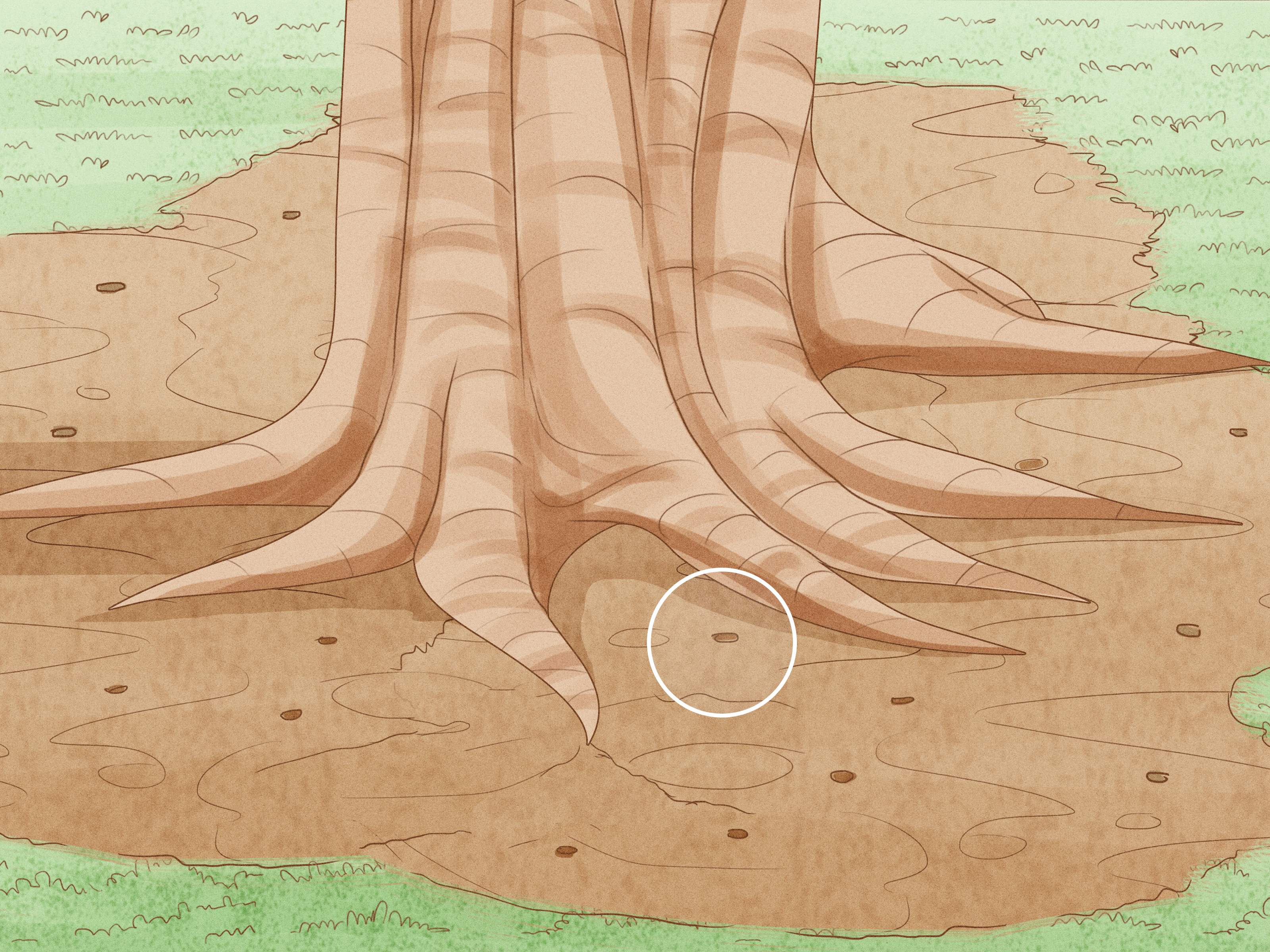
If there is one phrase you should remember from this whole article, it is seed-to-soil contact. Grass seed needs contact with the soil to absorb moisture and germinate well. Tossing seed on top of leaves, thick thatch, or a crusty lawn surface and hoping for the best is less “strategy” and more “yard confetti.”
The good news is that dormant seeding usually requires less prep than a full lawn renovation. If you are thickening an existing lawn, you may not need major soil disturbance. But you do need to remove obstacles between the seed and the soil.
Helpful prep steps include:
- Bagging or raking leaves so seed can reach the surface
- Mowing a little shorter before winter if turf is still growing
- Raking thin areas to loosen the surface
- Core aerating or slit seeding if the lawn is compacted or thatchy
- Addressing aggressive perennial weeds before seeding
If you are working on a larger or badly thinned area, fall preparation can make a huge difference. Core aeration opens the soil and helps seed settle into holes where moisture and protection are better. If the lawn has serious thatch, light power raking may help. The point is not to create a moonscape. The point is to give the seed a fighting chance.
4. Seed Evenly and Do Not Dump the Whole Bag in One Spot Like a Nervous Squirrel
Uniform coverage matters. Spread half the seed in one direction and the other half in a perpendicular direction. This simple crisscross method gives much more even distribution and reduces patchiness. For larger lawns, a drop spreader or walk-behind spreader is your friend. For smaller repairs, hand spreading can work just fine.
It is also important not to over-seed. More seed does not always equal better lawn. Overcrowded seedlings compete with each other, become weak, and can be more vulnerable to disease. Follow the label rate for your seed type and your project, whether that is new seeding or overseeding. In general, overseeding rates are lower than new-lawn rates.
If you are repairing just a few bare spots, you can lightly rough up the soil, seed evenly, and gently press the seed in. If you are seeding a whole thin lawn, divide the seed carefully and apply it methodically. This is one of those tasks where being annoyingly precise actually pays off.
5. Protect Bare Soil, Slopes, and Trouble Spots
Dormant seeding on stable, thin turf is one thing. Dormant seeding on bare soil, a slope, or an area that turns into a muddy slip-and-slide every spring is another. Those areas need extra protection, or your seed may wash away before it ever gets the chance to germinate.
For exposed soil, especially on slopes, use a germination blanket or erosion-control blanket. This helps keep seed in place, reduces washout, and offers some protection from wind, runoff, and foot traffic. A light straw mulch may also help in some situations, though it must be applied lightly enough that it does not smother seedlings.
This tip is especially useful for common real-life problem areas such as:
- The downhill edge of the yard where water races during spring rains
- The sunny patch by the driveway that bakes in summer
- The route your dog has officially declared a highway
- The bare strip where snow piles up and then melts into a mess
Those areas can absolutely improve, but they usually need more than a casual seed toss and a heartfelt wish.
6. Be Careful With Fertilizer and Herbicides
This is the part where many lawn projects get derailed by good intentions and bad timing.
First, do not apply fertilizer to snow-covered or frozen ground. Besides being inefficient, it can increase runoff risk. In some places, local or state rules also restrict winter fertilizer applications. A much safer plan is to base fertilization on a soil test and, if needed, apply starter fertilizer around the time seedlings are up and the lawn is ready for its first mowing.
Second, think hard before reaching for a spring pre-emergent herbicide. Many pre-emergent products that control crabgrass can also interfere with new grass seedlings. That means you could accidentally block the very lawn you are trying to grow. If weed pressure is a concern, read labels carefully and plan your spring program around the fact that new seed is in the ground.
Also skip weed-and-feed products during this stage. They sound convenient, but they often create more problems than they solve when new seedlings are involved. Dormant seeding requires a little strategic restraint. Your spreader should not become an all-purpose confetti cannon.
7. Treat Spring Seedlings Like Babies, Not Like an Established Lawn
Once spring arrives and the seed germinates, your job is not done. In fact, this is when dormant seeding either pays off or starts sending passive-aggressive signals.
New seedlings need consistent moisture. If spring is rainy, great. Nature just volunteered. But if the weather turns warm and dry, seedlings can dry out fast. Monitor the lawn closely and water as needed to keep the surface from drying during establishment.
Hold off on mowing until most seedlings are taller than your usual mowing height. A common-sense benchmark is around 3 inches or a bit more. Then mow with a sharp blade and avoid scalping. From there, continue gentle maintenance and avoid heavy traffic until the turf becomes stronger.
It is also wise to manage expectations. Dormant seeding can improve turf density and help lawns green up earlier, but it may not deliver a flawless carpet by Memorial Day, especially if spring weather turns chaotic. If some areas stay thin, you can touch them up later in spring or plan a more robust overseeding in early fall.
Common Dormant Seeding Mistakes to Avoid
- Seeding too early, then losing seedlings to winter weather
- Using poor-quality seed with weak cultivars or weed contamination
- Skipping leaf removal and reducing seed-to-soil contact
- Broadcasting seed onto snow and assuming it will all work out
- Applying pre-emergent herbicide without checking whether it blocks new grass
- Fertilizing frozen ground
- Ignoring spring watering during dry spells
- Expecting dormant seeding to outperform a properly timed fall seeding every time
Why Dormant Seeding Is Worth Considering
When it is done well, dormant seeding offers several practical benefits. It can spread out lawn work into a less hectic season. It may help grass germinate earlier than standard spring seeding. It can improve density in thin lawns. It can take advantage of winter moisture and freeze-thaw cycles. And it can give damaged lawns a head start before summer heat and weed pressure ramp up.
That said, it is still a technique with some risk. Seed sits outside through winter, where it may face washout, wildlife, and weather extremes. That is why dormant seeding works best when homeowners approach it with good timing, realistic expectations, and a willingness to monitor the lawn in spring.
Experiences and Lessons From Real Dormant Seeding Situations
One of the most common dormant seeding stories starts the same way: a homeowner looks at the lawn in late fall and realizes the ideal fall overseeding window has come and gone. Maybe the family was busy, maybe the weather turned messy, or maybe the lawn damage did not become obvious until the leaves dropped. Instead of waiting all the way until spring to start from scratch, dormant seeding becomes the “let’s at least get ahead of this” plan. And honestly, that is often a pretty smart move.
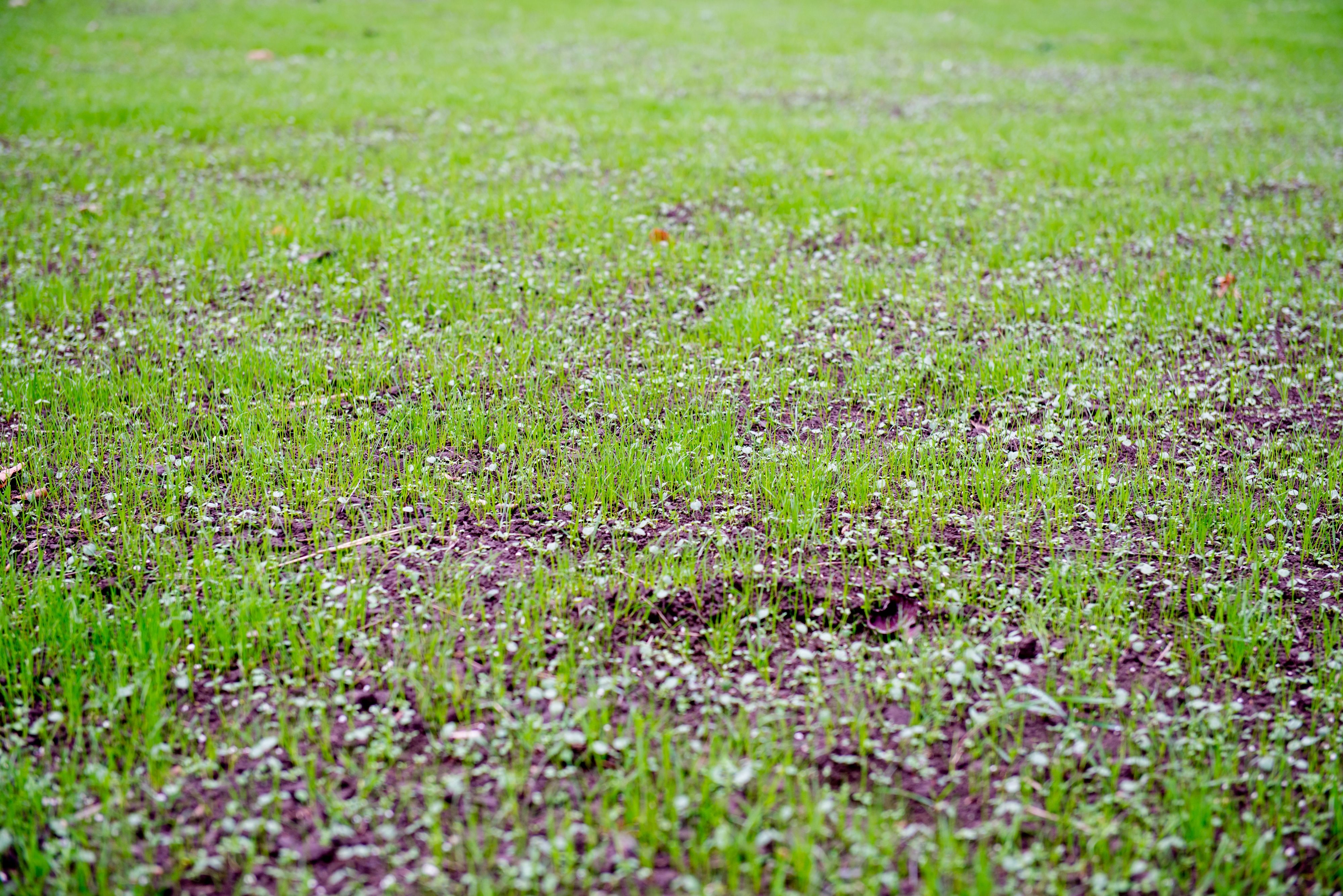
People who have good results with dormant seeding usually notice the same thing in spring: the lawn does not explode overnight, but it wakes up with momentum. Thin areas often begin filling earlier than expected, especially where the seed had solid soil contact. A patch that looked hopeless in January can suddenly show a green haze in April. That first soft green cast is one of the great small thrills of lawn care. It is not dramatic like a landscaping TV reveal, but it is deeply satisfying in a “ha, I knew this would work” sort of way.
Another common experience is learning that different parts of the yard behave differently. Homeowners often discover that the sunny front lawn responds well, while the shaded side yard stays patchier. Or the flat section fills in nicely, but the sloped area struggles because seed moved during winter runoff. That is not failure. That is feedback. Dormant seeding tends to reward observation. After one season, people usually know exactly where they need more aeration, where they need erosion control, and where a different seed mix would perform better.
There is also the spring herbicide lesson, which many homeowners learn only once. The lawn starts greening, crabgrass prevention season arrives, and suddenly there is a moment of panic in the garden center aisle. “Wait, can I use this if I seeded in winter?” That moment matters. The people who get the best results tend to be the ones who slow down, read labels, and adapt their weed-control strategy instead of throwing products at the lawn and hoping chemistry sorts it out.
Watering is another real-world divider. In a cool, damp spring, dormant seeding can look brilliant. In a warm, breezy spring, the same lawn may need much more attention. Homeowners are often surprised by how quickly tiny seedlings can dry out. Not dramatically. Not with a movie soundtrack. Just quietly and efficiently. The lesson is simple: once seedlings emerge, they need monitoring. A hose used at the right time can rescue weeks of effort.
And then there is the emotional side of it, because yes, lawns apparently come with feelings now. Dormant seeding teaches patience. You spread seed in winter and stare at bare ground for weeks or months. There is no instant reward. No applause. No neat before-and-after photo by Tuesday. But when spring arrives and the lawn begins to fill, the payoff feels earned. That is probably why so many homeowners who try dormant seeding once end up using it again for touch-up work, dog paths, snow-damaged edges, and thin spots that need a second chance.
The biggest long-term lesson is this: dormant seeding works best when treated as part of a bigger lawn strategy, not a one-time miracle. The homeowners who get the prettiest spring lawns usually combine good seed, better timing, realistic expectations, and strong follow-up care. In other words, the lush lawn is rarely an accident. It is usually the result of a few smart decisions made before the grass even wakes up.
Conclusion
If you missed the fall seeding window or need to repair thin turf before spring, dormant seeding can be a practical, cost-effective move. The formula is not complicated: wait for true dormancy, choose quality cool-season seed, improve seed-to-soil contact, protect vulnerable areas, avoid product conflicts, and stay attentive when seedlings emerge. Do those things well, and your lawn has a much better chance of heading into spring looking fuller, healthier, and far less embarrassing.
So yes, winter dormant seeding can help create a lush spring lawn. Just remember that grass seed is not a magic trick. It is more like a well-timed investment. Plant smart in winter, follow through in spring, and your lawn can reward you with that thick, green look every neighbor mysteriously pretends they achieved without effort.