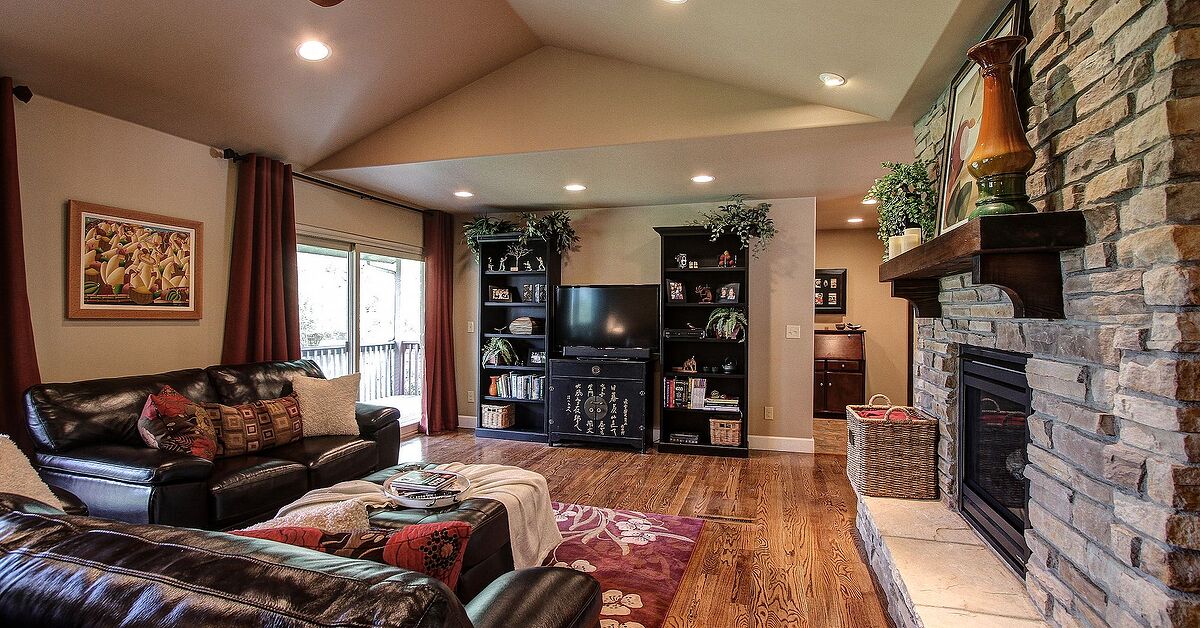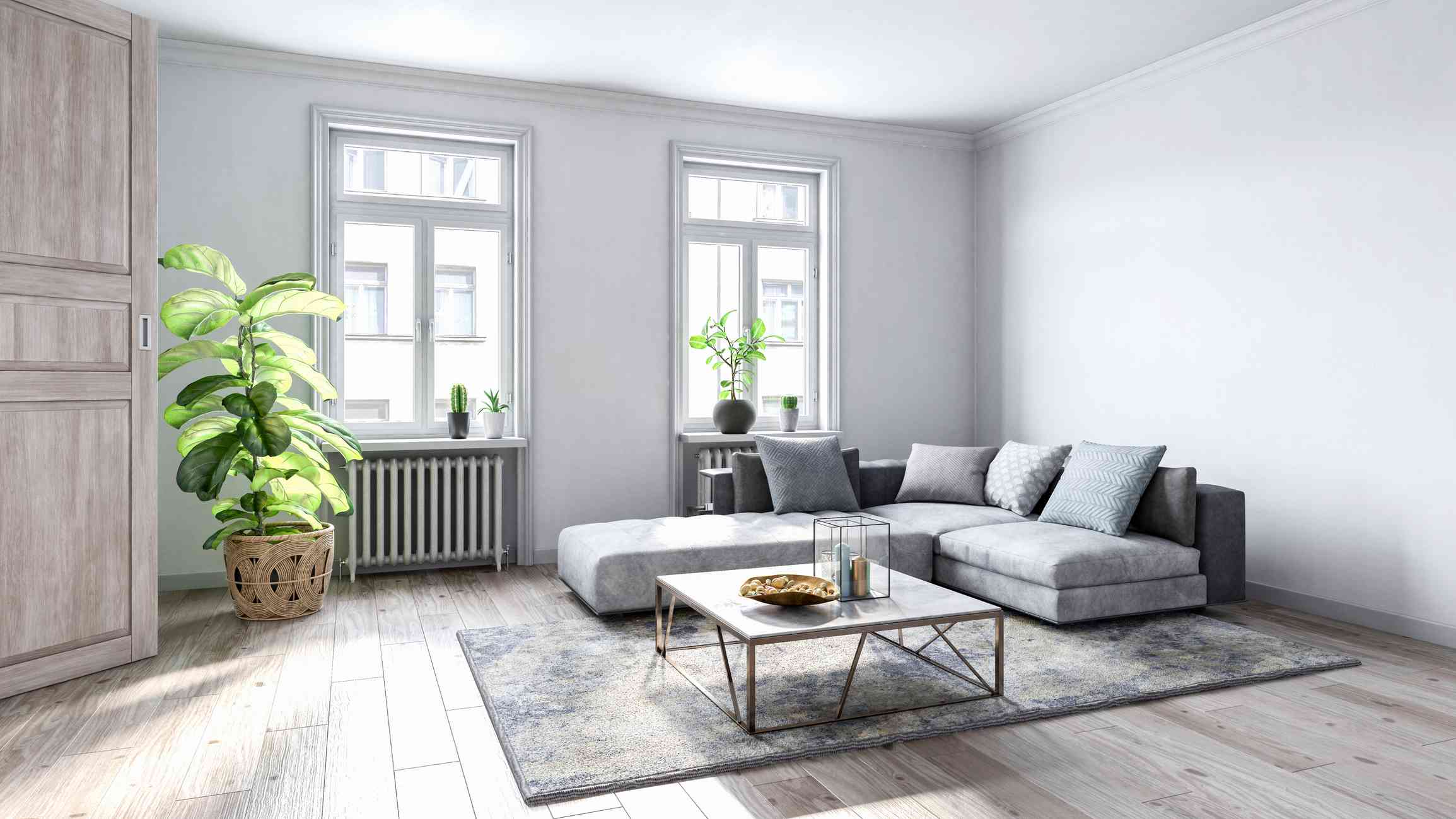
A living room can have a sofa, a coffee table, a television, and even a suspiciously expensive candleand still somehow feel like nobody actually lives there. The problem usually is not that the room is “too minimalist.” It is that the space lacks anchors, layers, proportion, or personality. In designer language, the room has not been visually finished. In normal human language, it feels like the furniture just moved in and is still waiting for its emotional support throw blanket.
Designers often say a successful living room needs balance: the right scale of furniture, a clear focal point, warm lighting, texture, usable surfaces, and enough personal detail to make the space feel intentional. When one or more of these elements is missing, the room can look strangely empty even when it is technically furnished. That is why a huge wall with one tiny print, a floating coffee table on bare flooring, or a sofa pushed against the farthest wall can make the room feel unfinished.
The good news? Most empty-looking living room mistakes are fixable without a renovation, a trust fund, or a dramatic speech about “starting over.” Below are seven things that make your living room look empty, according to designers, along with practical ways to make the space feel warmer, fuller, and more pulled together.
1. Furniture That Is Too Small for the Room
One of the fastest ways to make a living room look empty is to use furniture that is under-scaled. A small sofa in a large room, a tiny coffee table floating in front of a sectional, or delicate accent chairs placed far apart can make the whole layout feel weak. The pieces may be attractive individually, but together they do not have enough visual weight to hold the room.
Designers think about proportion before they think about decoration. A living room with tall ceilings, broad walls, or an open-concept layout usually needs larger pieces or more substantial groupings. That does not always mean buying the biggest sofa available. It means choosing pieces that relate properly to the room and to each other. A slim loveseat may work beautifully in an apartment, but in a spacious living room it can look like it wandered in from a waiting room and got lost.
How to fix it
Start by measuring the room and mapping the main furniture zones. If your seating looks too small, consider adding a pair of upholstered chairs, a longer console table, a larger coffee table, or a bench. In many living rooms, the fix is not one giant item but a better composition. Designers often use layers of furniture at different heightssofa, chairs, side tables, floor lamps, ottomansto create a sense of fullness without crowding the space.
Also watch the distance between pieces. Seating should feel close enough for conversation. If guests need to raise their voices across a sea of flooring, the room will feel empty no matter how expensive the sofa is.
2. A Missing or Too-Small Area Rug
A rug is not just a soft thing that collects crumbs during movie night. It is one of the most important visual anchors in a living room. Without a rug, furniture can look disconnected, especially in an open floor plan. A too-small rug can be almost as problematic because it creates the dreaded “postage stamp effect,” where the rug sits timidly in the middle of the room while the furniture stands around pretending not to know it.
Designers often recommend choosing a rug large enough for at least the front legs of the sofa and chairs to sit on it. In larger rooms, all legs may fit on the rug. This helps define the seating area and makes the room feel cohesive. A properly sized rug gives the living room a foundation, much like a good pair of shoes completes an outfit. Without it, the room may feel like it left the house in socks.
How to fix it
If your living room looks empty, check the rug before buying more decor. A larger rug can instantly make the space feel more designed. For many standard living rooms, an 8-by-10-foot rug is often the minimum, while larger rooms may need a 9-by-12-foot rug or bigger. The exact size depends on your layout, but the goal is simple: the rug should connect the main furniture pieces, not sit alone like an island.
Layering can also help. If you love a smaller vintage rug, place it over a larger natural-fiber rug. This creates texture, warmth, and scale while still letting the smaller piece shine.
3. Bare Walls or Art That Is Too Small
Empty walls can make a living room feel unfinished faster than almost anything else. Large blank walls draw attention to what is missing, especially above a sofa, fireplace, or console table. But the opposite problem is also common: art that is too small for the wall. A tiny frame centered above a large sofa can look lonely, like it is waiting for backup.
Designers often use art to create scale, personality, and a focal point. One large piece can make a room feel calmer and more intentional. A gallery wall can add rhythm and storytelling. Sculptural wall decor, mirrors, textile hangings, or built-in shelving can also fill visual space in a more dimensional way.
How to fix it
As a general design guideline, artwork above a sofa should usually span about two-thirds the width of the furniture below it. That does not mean one piece must be enormous. You can use a pair of framed prints, a triptych, or a collected gallery arrangement. The key is that the wall decor should relate to the furniture beneath it.
Hang art at a comfortable viewing height. If art is placed too high, it can make the room feel disconnected. A good rule is to keep the center of the artwork near eye level, then adjust based on ceiling height, furniture height, and the overall composition.
4. Lighting That Comes Only From the Ceiling
A living room lit only by overhead lighting often feels flat, harsh, and oddly vacant. Ceiling lights can illuminate a room, but they rarely create atmosphere by themselves. Designers build lighting in layers: ambient lighting for overall glow, task lighting for reading or activities, and accent lighting to highlight art, shelves, plants, or architectural details.
When a room lacks layered lighting, corners disappear, surfaces look dull, and furniture loses dimension. This is why a room can look acceptable at noon but empty and cold at night. Overhead lighting alone tends to make everyone look slightly tired and every corner look like it is hiding a secret.
How to fix it
Add at least three light sources in a living room whenever possible. A floor lamp near a reading chair, a table lamp on a side table, and a picture light or wall sconce can transform the mood. Warm bulbs, often around 2700K, create a softer, more inviting effect than cool daylight bulbs. Dimmers are also a designer favorite because they let the room shift from practical to cozy without changing the decor.
Think about height, too. Lighting at different levels makes a room feel layered. A floor lamp, table lamp, candle, and ceiling fixture all contribute different kinds of glow. Together, they create depth and make the room feel occupied even when nobody is sitting there.
5. Windows Without Proper Treatments
Bare windows can work in some modern homes, especially when the architecture is strong and the view is beautiful. But in many living rooms, windows without treatments make the space feel unfinished. Curtains, Roman shades, woven blinds, or layered window treatments add softness, height, color, and texture. They also help control light and privacy, which is a nice bonus unless your design goal is “neighbors know my entire snack schedule.”
Window treatments can also make a room look larger and fuller when installed correctly. Designers often hang curtain rods higher and wider than the window frame to create the illusion of taller ceilings and broader windows. Short curtains, flimsy panels, or rods placed too close to the frame can make the room feel awkward and underdressed.
How to fix it
Choose curtains that reach the floor or just kiss it. Avoid panels that stop several inches above the floor unless you are intentionally designing a cafe-curtain moment. Hang rods close to the ceiling or several inches above the window casing, and extend the rod beyond the frame so the curtains can stack outside the glass. This lets in more light and makes the window feel more generous.
If full drapes are not your style, consider woven shades, linen Roman shades, or layered blinds and curtains. The goal is not to smother the window. The goal is to make it look considered.
6. Not Enough Texture or Soft Layers
A living room can include all the necessary furniture and still feel empty if every surface is smooth, hard, and plain. Texture is what makes a room feel touchable. Think pillows, throws, rugs, woven baskets, wood grain, ceramic lamps, linen curtains, leather chairs, boucle upholstery, velvet cushions, or a chunky knit blanket. Without these layers, a living room can look like a furniture showroom after closing time.
Designers use texture to create warmth and visual interest, especially in neutral rooms. If your color palette is beige, cream, gray, or white, texture becomes even more important. A neutral room without texture can feel sterile; a neutral room with layered texture can feel calm, expensive, and deeply inviting.
How to fix it
Add softness in several places, not just on the sofa. Try a woven basket beside the fireplace, a textured lampshade, a throw over an accent chair, velvet or linen pillows, and a rug with visible weave. Mix materials rather than repeating the same finish everywhere. Wood, metal, glass, fabric, stone, and greenery all bring different visual temperatures to the room.
Do not overdo the throw pillows. More is not always better. A sofa buried under twelve pillows may look less empty, but it also looks like a decorative avalanche. Aim for a thoughtful mix of sizes, shapes, and fabrics that adds comfort without forcing guests to excavate a place to sit.
7. Empty Corners, Surfaces, and Shelves
Designers notice the forgotten zones: the bare corner beside the sofa, the empty console table, the blank fireplace mantel, the bookshelf with three lonely objects, or the coffee table with nothing but a remote control and emotional tension. These areas may seem minor, but together they determine whether a living room feels finished.
An empty corner can make the whole room feel unresolved. A completely bare coffee table can make seating feel temporary. Shelves with too little on them can look accidental, while shelves with too much can look chaotic. The designer trick is to style these places with intention, using objects that vary in height, shape, material, and meaning.
How to fix it
Fill corners with purpose. A tall plant, reading chair, floor lamp, pedestal table, basket of throws, or sculptural screen can make an empty corner feel designed. On coffee tables, use a simple grouping: a tray, a stack of books, a small bowl, and something organic like flowers or branches. On shelves, combine books, framed photos, ceramics, small art pieces, and negative space.
The goal is not to decorate every inch. Empty space is important. Designers use negative space to let the eye rest. The difference is that intentional negative space feels calm, while accidental emptiness feels unfinished. If an area looks forgotten, give it a job.
How Designers Make a Living Room Feel Full Without Making It Cluttered
The secret to a fuller living room is not adding random stuff. It is adding the right things in the right scale. Designers often start with the largest visual anchors: sofa, rug, coffee table, curtains, and lighting. Then they layer in personality through art, books, textiles, greenery, and meaningful accessories.
A room looks empty when the eye has nowhere satisfying to land. A good living room gives the eye several places to pause: a large artwork over the sofa, a warm lamp in the corner, a textured rug underfoot, a styled coffee table, a plant near the window, and curtains that frame the view. These details create rhythm. They make the room feel alive.
Color also matters. A living room does not need bold paint to feel finished, but it does need some contrast. If everything is the same shade of gray or beige, the room can look flat. Add contrast through wood tones, black accents, brass finishes, patterned pillows, colorful art, or deeper upholstery. Even a restrained palette needs movement.
Real-Life Experience: What Actually Changes an Empty Living Room
Many homeowners experience the same confusing moment: the big furniture finally arrives, the room is technically usable, and yet something feels missing. The sofa is there. The TV works. The coffee table is ready to hold a beverage. But the room still feels like a polite rental listing rather than a place where people gather, laugh, nap, snack, and occasionally argue over what to watch.
In real living rooms, the emptiness usually becomes obvious at night. During the day, sunlight can hide a lot of design gaps. But once the room depends on one ceiling light, every missing layer shows. The bare wall looks bigger. The corners look darker. The sofa looks farther away from everything. Suddenly the room feels less like a home and more like a conference room that discovered streaming services.
The first practical change that often makes the biggest difference is the rug. A properly sized area rug can visually pull the seating together in one afternoon. It makes the coffee table feel connected to the sofa and gives chairs a reason to belong. People often underestimate this because rugs are flat, but designers know they create structure. A room without one can feel like the furniture is floating away.
The second change is lighting. Adding a floor lamp near a chair and a table lamp beside the sofa can completely shift the mood. Warm lighting makes people want to sit down. It softens shadows, highlights textures, and makes even ordinary furniture look better. This is why designers care so much about lamps. They are not just accessories; they are atmosphere machines with cords.
The third change is personal styling. A living room should reveal something about the people who use it. That does not mean covering every surface with souvenirs. It means choosing a few objects with meaning: books you actually like, framed photos that do not feel generic, handmade ceramics, travel finds, vintage pieces, or art that makes you pause. A room without personal details can look clean, but it rarely feels complete.
Another common experience is discovering that the empty feeling comes from the walls. People often delay buying art because they are waiting for the perfect piece. The result is a living room stuck in decorative limbo. A better approach is to start with one large piece, a pair of prints, or a gallery arrangement that can evolve. Art does not have to be museum-worthy. It has to be the right scale, the right mood, and something you are happy to see every day.
Finally, the most successful living rooms tend to grow in layers. They are not finished in one shopping trip. A basket here, a lamp there, better curtains, a larger rug, a plant that somehow survives, a few books, a throw blanket that everyone fights overthese are the pieces that make a room feel lived in. Designers may plan the big picture, but the best rooms still leave space for real life to enter.
Conclusion
A living room looks empty when it lacks connection, scale, texture, lighting, and personality. The room may have furniture, but if the rug is too small, the walls are bare, the lighting is flat, the windows are untreated, and the corners are forgotten, the space will feel unfinished. Designers solve this by creating visual anchors and then layering in warmth.
Start with the biggest impact changes: choose a larger rug, pull furniture into a conversation-friendly layout, add layered lighting, and address the walls. Then soften the room with curtains, textiles, books, plants, and meaningful objects. You do not need to fill every surface. You simply need each part of the room to feel intentional.
The best living rooms are not perfect. They are balanced, welcoming, and personal. They give people a place to sit, a reason to stay, and enough visual interest that the room feels alive even before the popcorn arrives.