Note: This article is written in original, publication-ready HTML body format. Source links are intentionally omitted for web publishing cleanliness.
Most people think of WD-40 as the can you grab when a hinge starts sounding like it’s auditioning for a haunted house. Fair enough. That squeak-fixing reputation is well earned. But ask contractors, remodelers, maintenance techs, and jobsite veterans what the stuff is really good for, and you’ll get a much longer answerusually delivered with a grin and some variation of, “You’d be surprised what this can saves.”
That’s because WD-40 sits in a useful little sweet spot. It can help loosen lightly rusted hardware, displace moisture, leave behind short-term corrosion protection, cut through sticky residue, and clean up certain kinds of grime on metal and hard surfaces. In other words, it handles the small, annoying, time-eating problems that show up on almost every project. And on a busy workday, shaving even 10 minutes off a task feels like a tiny miracle wearing a blue-and-yellow label.
This doesn’t mean WD-40 is a magic wand. It is not the perfect product for every lubrication job, and pros know that too. But used in the right place, on the right surface, at the right moment, it can be one of the handiest “fix it now” products in the truck, shop, or garage.
Why Contractors Keep It Within Arm’s Reach
Contractors love products that do three things well: save time, save hardware, and save them from unnecessary drama. WD-40 checks all three boxes. It helps when old fasteners refuse to budge, when stickers leave behind a gummy mess on finished materials, when bathroom fixtures look tired five minutes before a walkthrough, or when tools have spent one humid weekend acting like they live at the bottom of a lake.
The key is knowing where it shines. The best WD-40 uses are usually not flashy. They’re practical. They’re the sort of tricks that make a job go smoother, a repair look cleaner, or a tool last longer. That’s exactly why seasoned pros keep reaching for it.
1. Loosening Rusted Bolts Before a “Simple Repair” Becomes a Personality Test
If you’ve ever tried to remove an old bolt from a gate, fence bracket, outdoor fixture, appliance housing, or piece of shop equipment, you already know the emotional journey. First comes confidence. Then comes straining. Then comes the deep suspicion that the bolt has merged spiritually with the metal around it.
This is where WD-40 earns its first round of applause. Contractors often use it to help break up oxidation and corrosion on stuck nuts, bolts, and screws before attempting removal. A short soak can make older hardware easier to turn and can reduce the odds of stripping the head or snapping the fastener outright. That matters because once a screw strips or a bolt shears, a five-minute task can turn into drilling, extracting, patching, and saying words you wouldn’t repeat in front of clients.
For lightly rusted or stuck hardware, the smart move is to spray the fastener, give it a few minutes to work, and then come back with the proper tool. On older outdoor assemblies, some pros will repeat the application once or twice rather than forcing it. WD-40 is especially useful when you are trying to salvage hardware instead of replacing it, or when the surrounding material is fragile enough that brute force would do more harm than good.
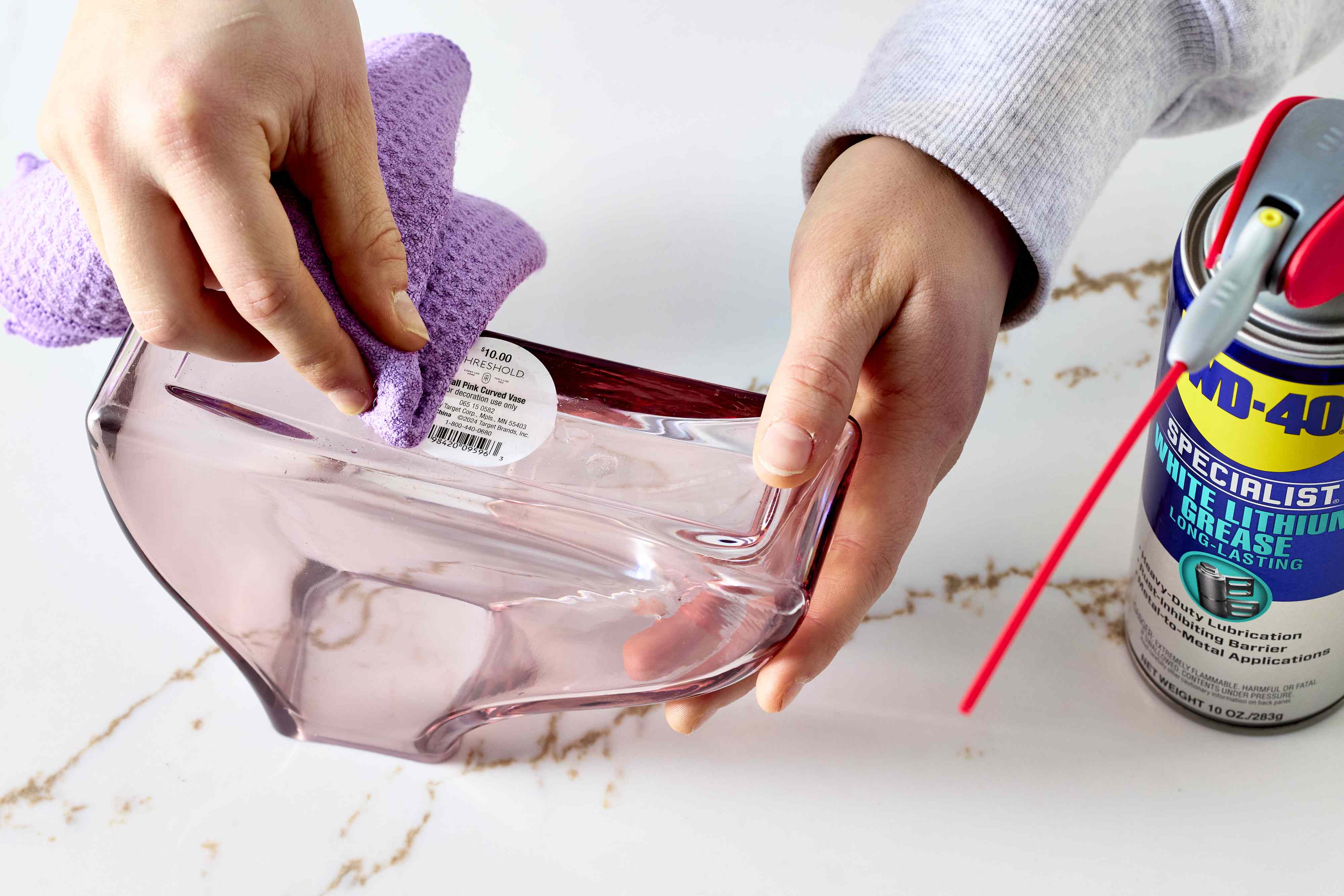
2. Removing Sticker Residue, Tape Gunk, and Label Adhesive Without Mangling the Surface
Contractors deal with adhesive messes constantly. Appliance labels. Manufacturer stickers. Protective film residue. Tape marks on tools. Pricing labels on mirrors, plumbing fixtures, or metal trim. There is always some sticky little reminder that packaging once existed.
WD-40 is surprisingly handy here because it can help loosen certain glues and gummy residues, especially on glass, metal, and other non-porous surfaces. Instead of attacking the mess with a razor blade and risking scratches, many pros spray a little, let it sit, then wipe or scrape gently with a plastic tool. That approach is often faster, cleaner, and a lot less dramatic.
It is especially useful when a job is nearly finished and the only thing standing between “done” and “why is there a sticker-shaped ghost on this panel?” is some stubborn adhesive. The trick is moderation. Use only what you need, test first on a hidden spot, and always clean the surface afterward so you are not leaving behind an oily film. Think of it as cleanup support, not a permanent finish.
3. Silencing Squeaky Hinges, Rollers, and Hardware Right Before the Final Walkthrough
There are few sounds more insulting than a perfectly good cabinet door that squeaks like a rusty submarine hatch in front of a customer. Contractors know this. They also know that clients tend to notice noises with almost supernatural timing.
WD-40 is a classic quick-fix for squeaky hinges, metal joints, rollers, springs, and other moving hardware. It can quiet a door, tame a cabinet hinge, and smooth out parts that are grinding because of grime or light corrosion. That makes it a favorite for punch-list cleanup and “make it stop doing that” moments.
But here’s the pro-level truth: this is often a temporary fix, not the forever answer. If the hardware is badly worn, misaligned, or heavily rusted, WD-40 won’t magically transform it into premium hardware with excellent life choices. Contractors use it to buy time, restore smooth movement, and diagnose whether the noise is caused by friction, grime, or a bigger underlying problem. In other words, it’s perfect for triage. Not always the final surgery.
4. Protecting Tools and Spare Hardware From Humidity, Moisture, and Flash Rust
Every contractor has opened a toolbox or parts bin and found that humidity got there first. Maybe it was a rainy week. Maybe a wet saw sat too long. Maybe the trailer turned into a steam room overnight. Either way, metal does not forgive neglect.
One of the most useful WD-40 contractor tricks is using it as a quick maintenance layer on hand tools, blades, metal parts, and small hardware. A light spray and wipe-down can help drive out moisture and slow rust formation, especially on tools that live in garages, sheds, vans, or partially climate-controlled spaces. It is also handy after cleaning metal tools that were exposed to water, mud, or damp storage conditions.
This is not just about keeping tools pretty. Rust shortens tool life, makes moving joints feel rough, and can turn a precise tool into an annoying one. And annoying tools have a way of making the whole day worse. Contractors who stay on top of this kind of maintenance usually spend less time fighting their equipment later.
5. Cleaning Scuff Marks, Water Spots, and Soap Scum When Finish Work Needs a Fast Rescue
WD-40’s reputation as a maintenance spray sometimes overshadows how helpful it can be during cleanup. On certain hard surfaces, it can help break down grime that doesn’t respond well to a dry rag and positive thinking. That includes scuff marks, light soap scum, mineral haze, and some water spotting on metal or glass-adjacent surfaces.
This is why some contractors keep it nearby during late-stage finish work. Maybe a bathroom fixture has lost its shine. Maybe a shower door has stubborn water spots. Maybe the floor picked up black scuffs from ladders, toolboxes, or work boots. A small amount of WD-40 on the right cloth can help loosen the mess so it wipes away more easily.
The important part is cleanup after cleanup. Because WD-40 leaves residue, treated surfaces should be washed or buffed appropriately afterwardespecially floors, where slipperiness is absolutely not the kind of surprise anyone wants. Used correctly, though, it can be the difference between “good enough” and “why does this room suddenly look finished?”
6. Making Stainless Steel and Brass Hardware Look More Presentable in Minutes
Contractors are not usually chasing glamour. They are chasing “clean enough that the client notices the craftsmanship instead of the fingerprints.” That’s why WD-40 gets used on select metal finishes, especially stainless steel and brass, as a quick cosmetic helper.
On stainless steel, it can help wipe away smudges, fingerprints, and dull haze while leaving a cleaner-looking surface behind. On brass hardware, a light application on a soft cloth can help brighten the metal and lift grime. This makes it useful for door hardware, decorative trim, utility room fixtures, shop hardware, and other metal details that somehow collect fingerprints the second you look away.
Is this the same as a full specialty polishing system? No. Is it a remarkably effective shortcut when time is short and presentation matters? Absolutely. The secret is restraint. Spray the cloth, not the entire world. Work gently. Test first. And avoid assuming every finish wants the same treatment, because metal care gets complicated fast.
7. Cleaning Up Outdoor Tools, Equipment, and Vehicle Gunk After Hard Use
Contractors spend plenty of time outdoors, which means their gear collects all the glamorous souvenirs of the job: sap, grime, wet grass, mud, dust, sticky residue, bug splatter, and whatever mystery film appears on equipment after a week in the truck. WD-40 is useful for loosening and wiping away a surprising amount of that mess.
It can help clean up metal yard tools, remove light rust from neglected tool surfaces, and loosen sticky buildup on equipment parts. It is also handy for adhesive residue or grime on vehicle surfaces and hard gear. This is the sort of use contractors rarely brag about, yet quietly rely on. Not because it is exciting, but because it prevents small messes from becoming permanent-looking ones.
There is also a maintenance mindset behind this habit. Clean tools last longer. Cleaner equipment is easier to inspect. And when you can actually see the condition of the metal, hinge, blade, bracket, or fastener, you are more likely to catch wear before it turns into failure. That is one of the least flashy and most useful contractor habits of all.
Where WD-40 HelpsAnd Where Pros Know to Put the Can Down
The best contractors are not the ones who use one product for everything. They are the ones who understand what each product is good at. WD-40 is great for basic lubrication, cleaning, moisture displacement, and short-term rust protection. It is not the ideal long-term solution for every squeak, and it is not the best choice for every specialized lubrication job. For example, some pros avoid using it where a purpose-built lubricant is the smarter long-term call.
It is also important to use it safely. Work with ventilation, keep it away from open flame, and be selective about surfaces. Unfinished wood, delicate fabrics, and certain matte finishes are not great candidates. And if you use it on floors or washable items, clean thoroughly afterward. A helpful product stops being helpful the moment it creates a new problem.
Real-World Experience: What These WD-40 Tricks Look Like on Actual Workdays
In real-world contractor life, the most valuable WD-40 uses are rarely dramatic. They show up in the in-between momentsthe little saves that keep a day moving. Picture a bathroom refresh where the plumbing trim is installed, the mirror is up, the caulk is clean, and everything should look finished. Then someone notices water spotting on the chrome and a faint haze on the shower glass. Out comes the microfiber cloth, a small amount of WD-40, and suddenly the room stops looking “almost done” and starts looking client-ready. That kind of last-mile cleanup is where pros become believers.
Then there’s the demolition side of the story. A contractor heads outside to replace a worn gate latch or remove old hardware from a fence panel. The screws look like they’ve spent the past decade meditating inside a salt fog. Instead of forcing them and risking broken heads, the contractor sprays the fasteners, gives them time, and comes back with the right driver. Sometimes the screw still loses its dignity on the way out, but often that brief pause saves the hardware, saves the surrounding material, and saves a chunk of repair time. People tend to remember the big tools on a jobsite, but plenty of jobs are quietly saved by a small can and a few patient minutes.
Another common experience happens after installation work. New fixtures, appliances, metal shelves, and accessories often arrive wrapped in labels, barcodes, protective films, and tape that seem personally offended by the idea of being removed. Contractors quickly learn that peeling off the sticker is only halftime. The real game is the gummy residue left behind, especially on stainless steel, glass, and finished metal. WD-40 becomes the cleanup closer. It loosens the stubborn layer without turning the surface into a scratch experiment. A careful wipe, a follow-up cleaning, and the hardware finally looks like it belongs in the room instead of in a shipping crate.
Tool maintenance is another area where experience changes how people use the product. Newer DIYers often reach for WD-40 only when something is already squeaking, rusting, or stuck. Contractors tend to use it more preventively. After a wet workday, they wipe down pliers, snips, trowels, blades, and small hardware before tossing them back into the truck. Not because they enjoy extra chores, but because they have learned what neglected moisture does over time. The next week’s work is easier when the tools are dry, clean, and not trying to oxidize out of spite.
There’s also a funny truth about finish work: nothing exposes a squeak faster than silence. In an empty room during a final walkthrough, a creaky hinge sounds ten times louder than it did during the noisy phase of construction. Contractors know this, which is why a fast hinge treatment can feel oddly heroic. It is not glamorous heroism, admittedly. Nobody writes songs about cabinet adjustments. But when a client opens a door and it moves smoothly instead of protesting like a cranky ghost, that tiny detail helps the whole project feel better built.
That’s really the story behind WD-40 on jobsites. It is not magic. It is not a substitute for proper repair, good hardware, or the correct specialty product when the situation calls for one. What it is, however, is useful in exactly the way professionals appreciate most: it solves small problems quickly, helps protect tools and parts, improves cleanup, and buys back time. And on a busy workday, time is just another materialusually the one in shortest supply.
Final Takeaway
So, what are the surprising uses for WD-40 contractors always swear by? They use it to free stuck fasteners, loosen adhesive residue, hush squeaky hardware, protect tools from moisture, rescue metal surfaces during cleanup, improve the look of stainless steel and brass, and tidy up the grime that collects on outdoor gear and jobsite equipment. None of those uses are particularly flashy. That is exactly why they matter.
Pros trust products that make work smoother, not louder. WD-40 remains a favorite because it handles the kind of small-but-costly annoyances that can drag a project off schedule. Used thoughtfully, it is one of those rare products that earns its permanent place on the shelf not through hype, but through repetition. It keeps proving useful. And in the contractor world, that is about the highest compliment a can can get.