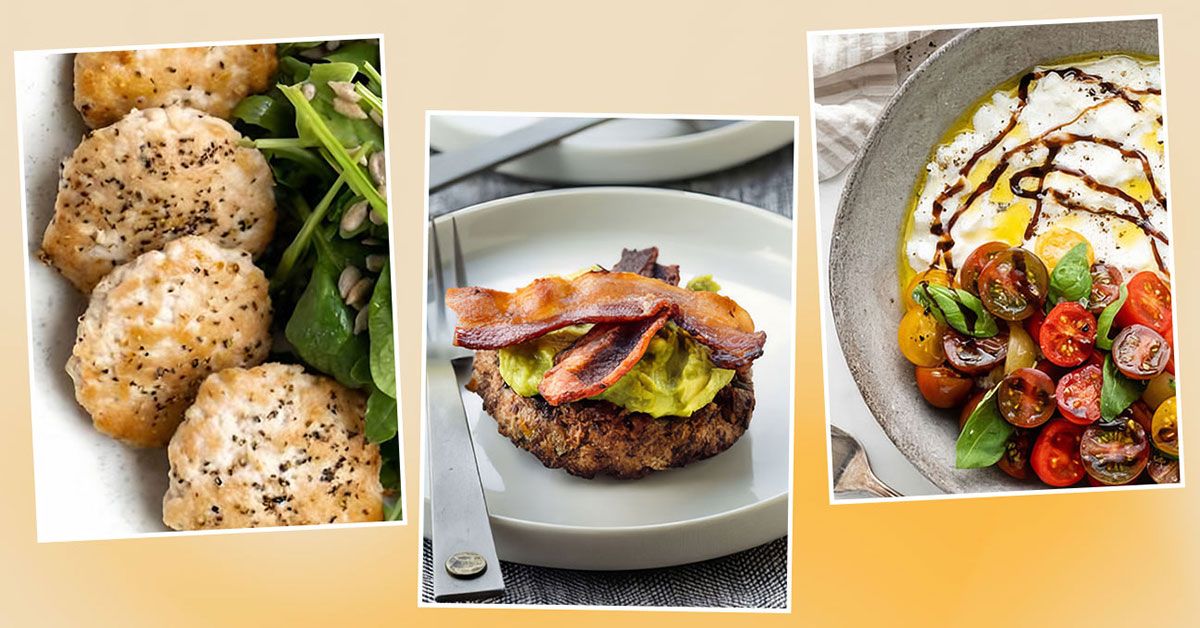
Eggs are the celebrity of the breakfast world. They show up everywhere, get invited to every brunch, and somehow end up in half the “healthy breakfast” recipes online. But what if you are allergic, tired of them, eating plant-based, or simply cannot look at another scrambled egg without feeling personally betrayed? Good news: high protein breakfast recipes without eggs are not only possible, they can be delicious, filling, and surprisingly easy.
A smart no-egg breakfast does more than toss protein on a plate and call it a personality. The best options combine protein, fiber-rich carbohydrates, healthy fats, and flavor. That means Greek yogurt with berries and nuts, tofu with vegetables, cottage cheese on whole-grain toast, oats upgraded with seeds, beans tucked into a breakfast burrito, and smoothies that actually keep you full past 9:17 a.m.
Below are seven high protein breakfast recipes without eggs that work for busy mornings, meal prep, picky eaters, and anyone who wants breakfast to feel less like homework. Protein estimates are approximate because brands, portions, and toppings vary, but each recipe is designed to deliver a satisfying protein boost using everyday ingredients.
Why Choose Egg-Free High Protein Breakfasts?
There are plenty of reasons to skip eggs at breakfast. Some people avoid them because of allergies or dietary preferences. Others follow a vegan or mostly plant-based eating pattern. Some simply want variety because eating the same breakfast every day can make your taste buds file a complaint with management.
Protein matters in the morning because it helps build and repair tissues, supports muscle health, and contributes to a more satisfying meal. But breakfast should not be protein alone. A bowl of plain cottage cheese may be high in protein, but it becomes a better breakfast when paired with fruit, whole grains, nuts, or seeds. The goal is balance: enough protein to feel satisfied, enough fiber to support digestion, and enough flavor to make you want to eat it again.
1. Greek Yogurt Berry Crunch Bowl
Protein estimate: 25–32 grams
This is the breakfast equivalent of “I have my life together,” even if you assembled it while wearing mismatched socks. Greek yogurt is naturally rich in protein, creamy, and versatile. Add berries for freshness, granola for crunch, and nuts or seeds for extra staying power.
Ingredients
- 1 cup plain Greek yogurt
- 1/2 cup blueberries, strawberries, or raspberries
- 1/4 cup low-sugar granola
- 1 tablespoon chia seeds or ground flaxseed
- 1 tablespoon sliced almonds or chopped walnuts
- Optional: cinnamon, vanilla extract, or a drizzle of honey
How to make it
Spoon the Greek yogurt into a bowl. Add berries, granola, chia seeds, and nuts. Finish with cinnamon or vanilla for flavor. If you want a little sweetness, add a small drizzle of honey instead of using heavily sweetened yogurt.
Why it works
Plain Greek yogurt provides a strong protein base, while berries add fiber and natural sweetness. Nuts and seeds bring texture, healthy fats, and extra nutrients. It is fast, cold, refreshing, and requires no cooking, which is excellent news for anyone whose stove is currently being used as extra counter space.
2. Peanut Butter Banana Protein Overnight Oats
Protein estimate: 18–28 grams
Overnight oats are the breakfast you make when tonight’s responsible version of you wants to help tomorrow morning’s sleepy version. Oats alone are not extremely high in protein, but when mixed with milk, Greek yogurt, peanut butter, and seeds, they become a satisfying no-egg breakfast that tastes almost like dessert.
Ingredients
- 1/2 cup rolled oats
- 1/2 cup milk or fortified soy milk
- 1/3 cup plain Greek yogurt
- 1 tablespoon peanut butter
- 1 tablespoon chia seeds
- 1/2 banana, sliced
- 1/2 teaspoon cinnamon
How to make it
In a jar or container, stir together oats, milk, Greek yogurt, peanut butter, chia seeds, and cinnamon. Refrigerate overnight or for at least four hours. In the morning, top with sliced banana. Add a splash of milk if you prefer a looser texture.
Why it works
This recipe combines slow-digesting carbohydrates from oats with protein from yogurt and milk. Peanut butter adds richness and makes the whole jar taste like something a cartoon bear would protect with its life. Chia seeds help thicken the mixture and add fiber.
3. Savory Tofu Breakfast Scramble
Protein estimate: 20–30 grams
Tofu scramble is the classic egg-free breakfast for a reason. It is warm, savory, colorful, and endlessly customizable. Firm tofu crumbles into a texture that works beautifully with vegetables and spices. No, it does not taste exactly like eggs. That is fine. It tastes like breakfast with confidence.
Ingredients
- 1/2 block firm tofu, drained and crumbled
- 1 teaspoon olive oil
- 1/4 cup diced bell pepper
- 1/4 cup chopped spinach
- 2 tablespoons diced onion
- 1 tablespoon nutritional yeast
- 1/4 teaspoon turmeric
- 1/4 teaspoon garlic powder
- Salt and black pepper to taste
- Optional: salsa, avocado, or hot sauce
How to make it
Heat olive oil in a skillet over medium heat. Add onion and bell pepper, then cook for three to four minutes. Add crumbled tofu, turmeric, garlic powder, nutritional yeast, salt, and pepper. Stir well and cook for five to seven minutes. Add spinach near the end and cook until wilted.
Why it works
Tofu is a practical plant-based protein that absorbs flavor like a sponge with ambition. Turmeric gives it a golden color, while nutritional yeast adds a savory, slightly cheesy flavor. Serve it with whole-grain toast, roasted potatoes, or inside a wrap for an even heartier meal.
4. Cottage Cheese Avocado Toast
Protein estimate: 22–30 grams
Avocado toast had its internet moment, bought a ring light, and became famous. But adding cottage cheese turns it from a trendy snack into a high protein breakfast without eggs. The result is creamy, crunchy, fresh, and filling.
Ingredients
- 2 slices whole-grain toast
- 1/2 cup cottage cheese
- 1/2 avocado, sliced or mashed
- 1 tablespoon pumpkin seeds or hemp seeds
- Cherry tomatoes or cucumber slices
- Black pepper, lemon juice, and red pepper flakes
How to make it
Toast the bread until crisp. Spread cottage cheese on each slice, then add avocado. Top with tomatoes or cucumber, seeds, pepper, lemon juice, and red pepper flakes. Eat immediately before the toast loses its crunch and becomes emotionally complicated.
Why it works
Cottage cheese is protein-rich and mild, which makes it easy to pair with savory toppings. Whole-grain bread adds fiber and structure, while avocado contributes healthy fats and a buttery texture. Seeds add a small protein boost and a pleasant crunch.
5. Black Bean Breakfast Burrito Without Eggs
Protein estimate: 20–28 grams
A breakfast burrito does not need eggs to be satisfying. Black beans, Greek yogurt, cheese, vegetables, and whole-grain tortillas can do the job beautifully. This recipe is warm, portable, and ideal for meal prep. It also has the advantage of making breakfast feel like a tiny celebration wrapped in a tortilla.
Ingredients
- 1 large whole-grain tortilla
- 1/2 cup black beans, drained and rinsed
- 1/4 cup shredded reduced-fat cheddar or Monterey Jack cheese
- 1/4 cup sautéed peppers and onions
- 2 tablespoons plain Greek yogurt
- 2 tablespoons salsa
- 1/4 teaspoon cumin
- Optional: avocado, cilantro, or roasted sweet potato
How to make it
Warm the beans with cumin in a small pan or microwave-safe bowl. Place the tortilla on a plate and layer beans, cheese, peppers, onions, salsa, and Greek yogurt. Fold the sides in, roll tightly, and toast in a skillet for two to three minutes per side if you like a crisp exterior.
Why it works
Beans provide plant-based protein and fiber, which makes them a breakfast hero hiding in plain sight. Greek yogurt replaces sour cream while adding more protein. The tortilla makes it portable, which is helpful when your morning schedule has the personality of a raccoon in a hurry.
6. Smoked Salmon and Cream Cheese Power Bagel
Protein estimate: 25–35 grams
For a savory breakfast that feels brunch-level fancy without requiring brunch-level effort, try smoked salmon on a whole-grain bagel thin or toast. It is rich in protein and pairs well with crisp vegetables, herbs, and a lighter cream cheese spread.
Ingredients
- 1 whole-grain bagel thin or 2 slices whole-grain toast
- 2–3 ounces smoked salmon
- 2 tablespoons light cream cheese or Greek yogurt spread
- Cucumber slices
- Tomato slices
- Red onion, capers, or dill
- Lemon juice and black pepper
How to make it
Toast the bagel thin or bread. Spread with cream cheese or a thick Greek yogurt spread. Add smoked salmon, cucumber, tomato, onion, capers, dill, lemon juice, and pepper.
Why it works
Salmon is a high-quality protein source and brings a savory flavor that makes breakfast feel complete. Whole-grain bread adds fiber, while vegetables add freshness and crunch. Because smoked salmon can be salty, balance it with plenty of vegetables and choose lower-sodium options when available.
7. Chocolate Cherry Chia Cottage Cheese Pudding
Protein estimate: 25–34 grams
This recipe sounds like dessert, acts like breakfast, and requires almost no effort. Cottage cheese blends into a creamy pudding base, chia seeds thicken it, and cherries bring a sweet-tart flavor that works beautifully with cocoa. It is a no-egg breakfast for people who want protein but also want breakfast to taste like it has a fun side.
Ingredients
- 3/4 cup cottage cheese
- 1/4 cup milk or fortified soy milk
- 1 tablespoon unsweetened cocoa powder
- 1 tablespoon chia seeds
- 1/2 cup frozen or fresh cherries
- 1 teaspoon maple syrup or honey, optional
- 1/4 teaspoon vanilla extract
How to make it
Blend cottage cheese, milk, cocoa powder, vanilla, and optional sweetener until smooth. Stir in chia seeds and refrigerate for at least two hours or overnight. Top with cherries before serving.
Why it works
Cottage cheese gives this pudding its protein power, while chia seeds help create a thick, spoonable texture. Cocoa adds deep flavor without needing lots of sugar. Cherries make the bowl bright, fruity, and just dramatic enough to keep breakfast interesting.
How to Build a High Protein Breakfast Without Eggs
Once you understand the formula, you can create dozens of high protein breakfast recipes without eggs. Start with one strong protein source, then add fiber, healthy fats, and flavor. That is the breakfast blueprint. No hard hat required.
Choose one main protein
Good egg-free options include Greek yogurt, cottage cheese, tofu, beans, lentils, smoked salmon, turkey, milk, fortified soy milk, nut butter, seeds, and cheese. If you eat dairy, Greek yogurt and cottage cheese are especially convenient. If you prefer plant-based meals, tofu, beans, soy milk, and nut or seed combinations are dependable choices.
Add fiber-rich carbohydrates
Protein keeps breakfast satisfying, but fiber helps the meal feel complete. Choose oats, whole-grain toast, berries, apples, bananas, beans, lentils, vegetables, or whole-grain tortillas. A high protein breakfast without fiber is like a phone at 12 percent battery: technically working, but nobody feels secure.
Include healthy fats
Avocado, nuts, seeds, nut butter, olive oil, and salmon can add flavor and staying power. You do not need a huge portion. A tablespoon of seeds, a small handful of nuts, or a few slices of avocado can make a big difference in texture and satisfaction.
Keep added sugar reasonable
Many breakfast foods look healthy but quietly carry a lot of added sugar. Flavored yogurt, sweetened oatmeal packets, granola, and bottled smoothies can be sneaky. Choose plain yogurt, unsweetened oats, whole fruit, cinnamon, vanilla, or small amounts of honey or maple syrup when you want sweetness.
Meal Prep Tips for Egg-Free Protein Breakfasts
The easiest breakfast is the one you already prepared. Overnight oats, chia pudding, yogurt bowls, burritos, and tofu scramble can all be made ahead. Store cold recipes in airtight containers and keep crunchy toppings separate until serving. For burritos, wrap them tightly, refrigerate for up to a few days, and reheat in a skillet or microwave.
Batch cooking also helps with variety. Make a big container of tofu scramble, roast sweet potatoes, wash fruit, portion yogurt, and prep toppings. Then mix and match during the week. Monday can be a Greek yogurt bowl, Tuesday can be a burrito, Wednesday can be cottage cheese toast, and Thursday can be overnight oats. Friday can be whatever is left because realism is also a meal plan.
Common Mistakes to Avoid
Relying on protein alone
A high protein breakfast should still be balanced. Protein is important, but whole grains, fruit, vegetables, and healthy fats help round out the meal. A balanced breakfast usually tastes better and keeps you satisfied longer.
Forgetting flavor
Healthy food does not have to taste like cardboard wearing a fitness tracker. Use spices, herbs, citrus, salsa, cocoa, cinnamon, garlic powder, vanilla, and fresh toppings. Flavor is what turns “I should eat this” into “I want this again tomorrow.”
Making mornings too complicated
If a recipe requires twelve pans, three timers, and the emotional strength of a professional chef, it is probably not a weekday breakfast. Keep recipes simple. Save the dramatic cooking projects for weekends.
Personal Experience: What Actually Works With High Protein Breakfasts Without Eggs
After testing egg-free high protein breakfasts in real-life morning conditions, one thing becomes clear: the best recipe is not always the fanciest one. It is the one you can repeat when you are tired, busy, and only half convinced that pants are necessary. Breakfast success often depends less on perfect nutrition math and more on making the right choice easy.
Greek yogurt bowls are the most reliable starting point. They take two minutes, do not require heat, and can be changed every day with different toppings. Berries and almonds make one version. Banana and peanut butter make another. Apples, cinnamon, and walnuts make it taste like a lazy apple pie. The trick is using plain Greek yogurt as the base and adding sweetness yourself. That keeps the flavor flexible and avoids turning breakfast into a sugar parade.
Overnight oats are the best option for people who wake up hungry but do not want to cook. The texture can be adjusted easily. More milk makes them softer. More yogurt makes them thicker and higher in protein. Chia seeds make them pudding-like. Peanut butter makes them taste richer. The only real mistake is adding too much liquid the first time, which creates oat soup. Oat soup is not illegal, but it is emotionally disappointing.
Tofu scramble works best when treated like its own dish, not as a desperate egg impersonator. Pressing or draining the tofu helps, but you do not need to be dramatic about it on a weekday. The flavor comes from seasoning. Turmeric adds color, nutritional yeast adds savory depth, and vegetables make the skillet feel fresh. If you add salsa or avocado at the end, it becomes a breakfast that feels complete rather than “healthy but suspicious.”
Cottage cheese is the sleeper hit. Some people avoid it because of the texture, but it becomes much more appealing when used creatively. On toast, it acts like a creamy spread. Blended into pudding, it becomes smooth and rich. In bowls, it pairs well with fruit, nuts, tomatoes, cucumbers, or everything bagel seasoning. It is one of the easiest ways to increase protein without cooking, and it keeps well in the fridge.
Breakfast burritos are the meal prep champion. Beans, cheese, vegetables, salsa, and Greek yogurt make a filling wrap without eggs. They freeze reasonably well, reheat quickly, and travel better than most breakfasts. The key is not overfilling the tortilla. Everyone thinks they can handle more filling until the burrito splits open like a tiny breakfast suitcase. Keep the filling modest, roll tightly, and toast the outside for structure.
The biggest lesson is that high protein breakfast recipes without eggs should feel normal, not like a punishment for skipping eggs. Use familiar flavors. Make sweet options when you want comfort and savory options when you want something hearty. Keep three or four protein bases on hand, such as Greek yogurt, tofu, cottage cheese, and beans. Add fruit, vegetables, whole grains, nuts, or seeds depending on the mood. Breakfast becomes easier when it is flexible.
Most people do not need a complicated breakfast plan. They need a few dependable recipes, a stocked fridge, and permission to keep things simple. A high protein breakfast without eggs can be creamy, crunchy, warm, cold, sweet, savory, portable, or spoonable. Eggs may be popular, but they are not the only breakfast hero. Sometimes the real morning MVP is a jar of overnight oats waiting patiently in the fridge.
Conclusion
High protein breakfast recipes without eggs are easy to build when you focus on balanced ingredients. Greek yogurt, cottage cheese, tofu, beans, oats, chia seeds, salmon, nuts, seeds, and whole grains can create breakfasts that are filling, flavorful, and practical. Whether you want a quick yogurt bowl, a make-ahead oat jar, a savory tofu scramble, or a freezer-friendly breakfast burrito, you have plenty of egg-free options.
The best breakfast is one you enjoy enough to repeat. Keep it simple, mix protein with fiber, add healthy fats, and use flavor generously. Your morning meal does not need eggs to be strong. It just needs a plan, a little creativity, and maybe a spoon that is not hiding in the dishwasher.