You probably already know the villains in the dental drama: sticky candy, sugary soda, and the mysterious granola bar that somehow glues itself to every molar. But the other side of the story is more fun. Some foods do more than simply not wreck your teeth. They can actually support a healthier mouth.
That does not mean your lunch is secretly a toothbrush wearing a disguise. Brushing with fluoride toothpaste, flossing, regular cleanings, and drinking fluoridated water still do the heavy lifting. But dentists and oral health experts have long pointed out that certain foods can make your mouth a friendlier place for enamel and a much less cozy place for cavity-causing bacteria.
So if you have ever wondered whether your snack choices can help your smile, the answer is yes. Below are seven foods dentists say are surprisingly good for your teeth, plus smart ways to eat them, common mistakes to avoid, and real-life examples of what a tooth-friendly eating pattern can look like.
Why Food Matters for Oral Health
Your mouth is not just where food goes to be chewed and judged. It is a living environment. Every bite affects saliva flow, plaque acidity, and how long sugars and starches hang around on your teeth. When oral bacteria feast on sugars and fermentable carbs, they produce acids that can soften enamel. Saliva helps buffer those acids, wash away food particles, and deliver minerals like calcium and phosphorus back to the tooth surface.
That is why the best foods for your teeth tend to do at least one of these things: support saliva, supply minerals, keep sugar low, or avoid clinging to teeth like an overly affectionate toddler. The stars below do more than one.
1. Cheese
Why dentists love it
Cheese is one of the most unexpectedly tooth-friendly foods around. It is rich in calcium and phosphate, two minerals your teeth appreciate very much. It also contains casein, a milk protein that may help support enamel. On top of that, chewing cheese can stimulate saliva, which helps wash away acids and leftover food bits. In plain English, cheese is like a polite little cleanup crew with a calcium bonus.
How to eat it wisely
A small piece of cheese after a meal can be a smart move, especially if the meal included starches or acidic foods. Try cheddar, mozzarella, Swiss, or another lower-sugar cheese instead of heavily sweetened “cheese-flavored” snack products that are more dust than dairy.
2. Plain Yogurt
Why it helps
Plain yogurt gives you calcium, phosphorus, and protein in a soft, easy-to-eat package. That makes it a strong choice for both teeth and the bones that support them. The key word here is plain. Many flavored yogurts are dessert wearing gym clothes. They may look wholesome, but the added sugar can cancel out much of the oral-health advantage.
Best way to serve it
Go for plain or unsweetened yogurt, then add fresh fruit, chopped nuts, or cinnamon for flavor. Greek yogurt can be especially satisfying because it is higher in protein and less likely to leave you rummaging through the pantry 20 minutes later.
3. Leafy Greens
Why they are better for your teeth than their reputation suggests
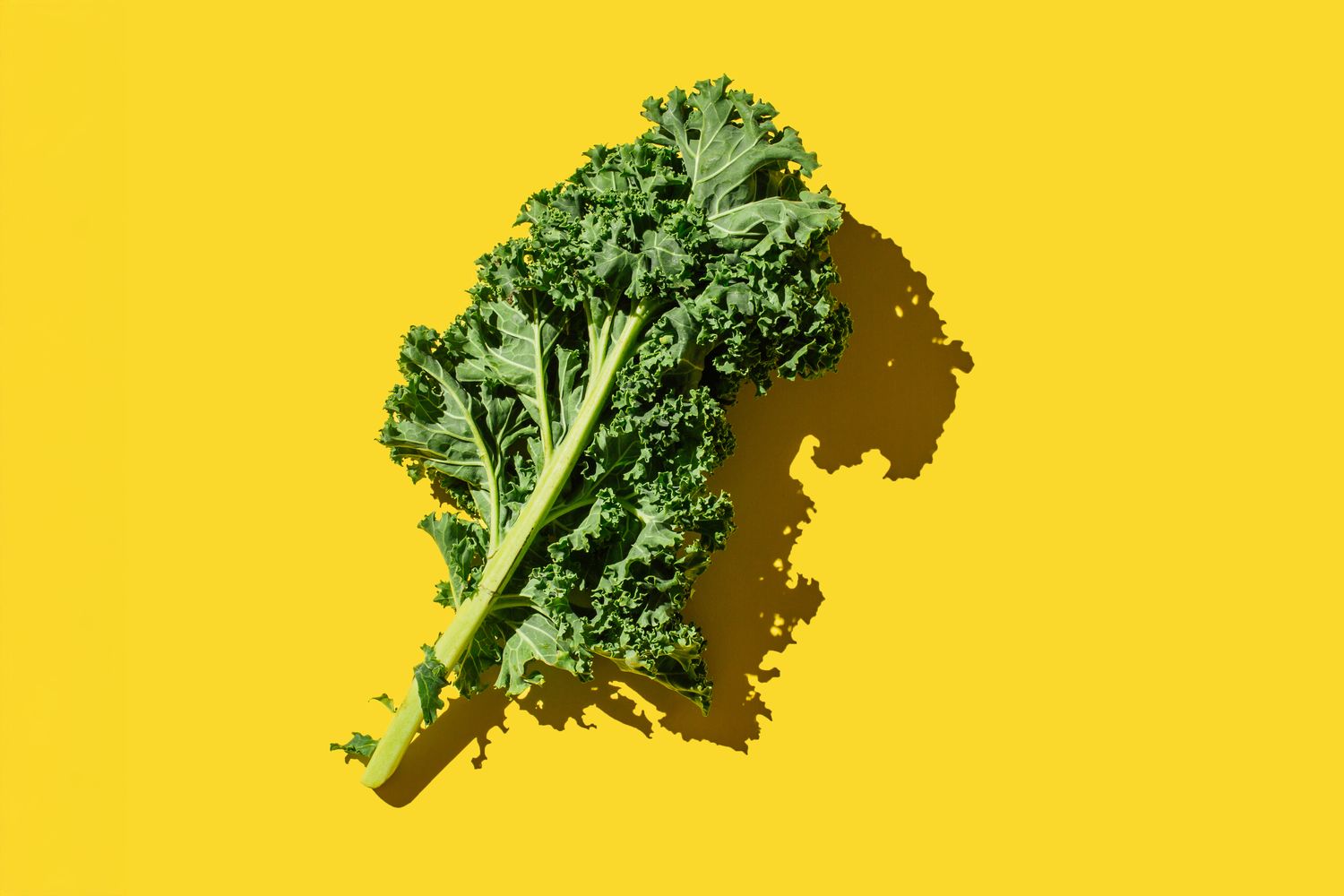
Leafy greens like spinach, kale, romaine, and collards are low in sugar and packed with nutrients. Many provide calcium and folate, and they fit beautifully into an eating pattern that supports gum and bone health. No, spinach will not leap onto your teeth with a tiny cape and repel plaque by force. But replacing sugary, refined snacks with mineral-rich greens is a smart trade your dentist would absolutely applaud.
How to make them less boring
Add greens to omelets, sandwiches, soups, wraps, grain bowls, or smoothies. If you only eat kale when it has been massaged, complimented, and dressed in olive oil, that still counts. The point is consistency, not culinary heroism.
4. Apples
Why apples made the list
Apples are not candy in a trench coat. They do contain natural sugars, but they also bring water and fiber to the party. Their crisp texture encourages chewing, which helps stimulate saliva. That extra saliva can help rinse the mouth and reduce how long food particles stick around. Apples may also feel cleaner in the mouth than soft, sticky snacks that seem determined to stay until next Tuesday.
The catch
Apples are helpful, but they are not a replacement for brushing. Think of them as a decent supporting actor, not the lead. Eating apple slices with cheese or nut butter can make the snack more filling, though sticky sweetened spreads are less ideal for teeth.
5. Carrots and Celery
Why crunchy vegetables earn gold stars
Raw carrots and celery are classic tooth-friendly foods because they are crunchy, high in water, and require serious chewing. That chewing boosts saliva, which is your mouth’s built-in buffering and rinsing system. These vegetables are also naturally low in sugar and do not bathe your teeth in the way sweet drinks do. They are the rare snack that feels healthy and sounds healthy too. Crunch, crunch, good decisions.
Easy ways to use them
Keep carrot sticks or celery in the fridge for easy snacking, or add them to lunch boxes and afternoon snack plates. If you like dip, choose hummus or an unsweetened yogurt-based dip instead of something sugary and sticky.
6. Nuts
Why nuts are smarter than they look
Almonds, walnuts, and other nuts are generally low in sugar and can supply minerals such as calcium and phosphorus, along with healthy fats and protein. They also satisfy hunger well, which may help reduce the urge to graze on cookies, crackers, and other cavity-friendly snacks all day long. In that sense, nuts do double duty: they nourish your body and reduce your chances of turning your mouth into a 24-hour snack bar for bacteria.
What to watch out for
Choose plain or lightly salted nuts when possible. Honey-roasted, candied, or chocolate-coated nuts are delicious, but they are not exactly taking your enamel to prom. Also, if you have crowns, braces, or a cracked tooth, ask your dentist which nuts are safest for you.
7. Fatty Fish and Canned Salmon or Sardines
Why seafood can help your smile
This one surprises people. Fish such as salmon and sardines can support oral health because they provide phosphorus, protein, and vitamin D. Vitamin D helps your body use calcium more effectively, which matters for both teeth and jawbone support. Canned salmon and sardines with soft edible bones can add even more calcium to the equation. It is not the flashiest food on the list, but nutritionally, it punches way above its weight.
How to keep it practical
Add salmon to salads, rice bowls, or sandwiches. Use sardines on toast or crackers if you are feeling bold and Mediterranean. If fish is not your thing, a registered dietitian or dentist can help you think through other ways to support calcium and vitamin D intake.
How to Build a Tooth-Friendly Plate
The best foods for teeth work even better when they show up as a team. Here are a few simple combinations that make sense for busy real life:
Breakfast
Plain Greek yogurt with chopped nuts and sliced apples.
Lunch
A salad with leafy greens, salmon, shredded carrots, and a side of cheese.
Snack
Apple slices with cheddar, or carrot sticks with hummus and a handful of almonds.
Dinner
Roasted salmon, sautéed greens, and crunchy raw vegetables on the side.
The bigger pattern matters as much as the individual foods. Snacking nonstop, sipping sweet drinks all day, or choosing sticky processed foods over and over can keep your mouth in acid-attack mode. Even good foods struggle to shine in that environment.
What Can Cancel Out the Benefits?
Let us have a brief and slightly awkward talk about the habits that make your teeth sigh dramatically.
Frequent sugary sipping
Soda, sweet tea, sports drinks, juice blends, and flavored coffee drinks can keep bathing teeth in sugar and acid. That constant exposure matters more than people realize.
Sticky snacks
Dried fruit, gummy candy, chewy granola bars, and caramel can cling to teeth for longer than crisp produce or dairy foods.
Sweetened “health” foods
Fruit-on-the-bottom yogurt, protein bars, and sweetened trail mix may look wholesome, but many are sugar bombs in yoga pants.
Assuming healthy food replaces hygiene
No apple has ever flossed for you. No cheese cube has ever scheduled your dental cleaning. Food helps, but it is part of the picture, not the whole frame.
What People Often Experience When They Start Eating for Better Oral Health
A lot of people do not notice the effect of tooth-friendly foods overnight. This is not like whitening strips where you stare in the mirror after 14 minutes hoping for movie-star magic. The changes are usually quieter, but still meaningful.
For example, someone who swaps an afternoon pastry for plain yogurt with nuts may notice they feel fuller longer and are less likely to keep snacking until dinner. That matters because fewer random sugar hits throughout the day give the mouth more time to recover between meals. Over time, many people also say their mouth feels cleaner in the afternoon instead of fuzzy, coated, or thirsty.
Parents often notice a difference when lunch boxes change. A child who gets apple slices, cheese cubes, and carrots instead of gummies and fruit snacks may still ask for something sweet, because children are extremely committed to negotiation. But the meal becomes less sticky, less sugary, and usually more filling. That can mean fewer snack requests right after school and fewer crumbs glued to molars before bedtime.
Adults with dry mouth sometimes describe crunchy vegetables and regular water intake as surprisingly helpful during the workday. They may not “fix” dry mouth, especially if medication is involved, but foods that encourage chewing, plus steady hydration, can make the mouth feel more comfortable. Some people also notice that plain yogurt and cheese are easier snack choices than sweet crackers because they do not leave that pasty coating on the teeth.
People trying to improve gum health often say the biggest shift is not one magical food but the overall pattern. When meals include leafy greens, nuts, dairy, and fish more often, sugary convenience foods tend to show up less often. That can mean better nutrition overall, not just for teeth. The mouth benefits, the body benefits, and the grocery cart starts looking like it belongs to someone who has their life together, even if their sock drawer says otherwise.
Another common experience is learning that “healthy” does not always mean “tooth-friendly.” A person may proudly switch to dried mango, sticky protein bars, and fruit smoothies, only to find they are still grazing on sugar all day. Once they replace some of those choices with apples, carrots, cheese, yogurt, and nuts, the routine often becomes easier to manage. The foods are simple, satisfying, and less likely to camp out on teeth.
Some people with braces or dental work also discover that texture matters. Soft, sweet foods may seem safer, but they can be more likely to stick around. With a dentist’s approval, choosing foods that are nutritious without being clingy can make oral care easier. Even small changes, like ending a meal with cheese instead of dessert or pairing fruit with yogurt instead of syrupy toppings, can make a difference over time.
In other words, the experience many people report is not dramatic. It is better than dramatic. It is sustainable. Their mouth feels fresher, their snacks feel smarter, and they stop treating every afternoon slump like it requires a pastry intervention.
Final Thoughts
If you want healthier teeth, your grocery list can help. Cheese, plain yogurt, leafy greens, apples, carrots and celery, nuts, and fatty fish all bring something useful to the table, whether that is calcium, phosphorus, vitamin D, lower sugar, or a welcome boost in saliva. They are not magic, but they are a smart supporting cast for strong enamel and healthier gums.
The simplest strategy is this: eat fewer sticky, sugary foods; choose more whole, crunchy, mineral-rich foods; drink water; and keep up the basics with fluoride toothpaste, flossing, and routine dental visits. Your teeth are not asking for perfection. They are just asking you to stop making them fight gummy snacks alone.