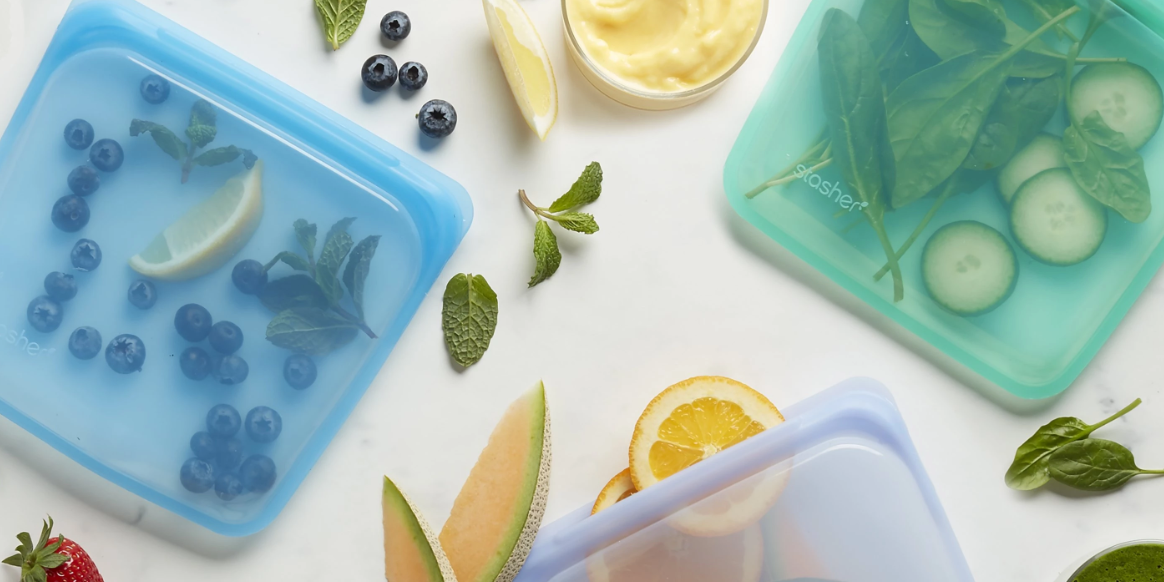
Disposable sandwich bags are convenient, yes. They are also the tiny plastic ghosts of lunches past: one turkey sandwich, one handful of pretzels, one sad trip to the trash can. Switching to reusable lunch bags and sandwich bags is one of the easiest ways to make a packed lunch feel less wasteful without turning your kitchen into a sustainability science fair.
The best reusable food storage bags do more than replace plastic baggies. They help organize snacks, keep sandwiches from getting squished by rogue apples, simplify meal prep, and make it easier to pack lunch without burning through a box of disposable zip-top bags every week. The trick is choosing the right type. A leakproof silicone bag is great for berries and hummus, while a lightweight fabric pouch is better for crackers, trail mix, and the cookies you definitely did not plan to eat before noon.
This guide covers seven standout reusable lunch bags and sandwich bag options for work, school, travel, meal prep, and everyday snack emergencies. Some are true sandwich bags, some are flexible food wraps, and one is a reusable insulated lunch bag that helps keep cold food chilled. Together, they make a strong low-waste lunch setup.
Why Reusable Sandwich Bags Are Worth It
Reusable food storage is not about achieving a perfectly zero-waste life where every grape is packed with the precision of a museum artifact. It is about reducing repeat purchases of disposable packaging and building a lunch routine you can actually maintain. The Environmental Protection Agency identifies reusable food-service items as a preferred option when they are used repeatedly, cleaned properly, and kept in service over time.
A reusable sandwich bag can also help with portioning. Pack almonds once, wash the bag, repeat. Portion fruit for the week, toss the bags into a lunch tote, repeat. Store half an avocado, a sliced bell pepper, or leftover pancakes without wrapping each item like it is preparing for a tiny plastic expedition.
Still, reusable does not automatically mean indestructible or appropriate for every food. Silicone, PEVA, fabric, and beeswax wraps all have different strengths. The smartest strategy is to own a small mix: one or two leak-resistant bags for moist food, a few lightweight pouches for dry snacks, and an insulated lunch bag for anything that needs to stay cold.
How These Reusable Lunch Bags Were Chosen
These picks focus on practical features that matter in real lunch bags: a reliable closure, easy cleaning, sensible sizes, food-safe materials, storage flexibility, and usefulness beyond one heroic sandwich. Independent product testing frequently highlights durability, sealing performance, filling convenience, and cleanup as key differences between reusable food bags.
Rather than pretending there is one magical bag for every person, this list matches each option with the job it handles best. Because a bag that is perfect for goldfish crackers may be hilariously unsuitable for tomato soup.
7 Best Reusable Lunch Bags and Sandwich Bags
1. Stasher Sandwich Bag Best Overall Reusable Sandwich Bag
Stasher remains one of the easiest recommendations for people who want to replace disposable sandwich bags with something durable and genuinely versatile. Its thick platinum silicone construction and pinch-style seal make it suitable for sandwiches, sliced fruit, cheese cubes, leftover vegetables, and the occasional “I packed too much guacamole” situation.
The sandwich-size version is especially useful because it works for more than bread. It can hold a wrap, a small salad portion, cut vegetables, or a snack mix. Stasher bags are designed for freezer, dishwasher, microwave, and oven use within the manufacturer’s temperature guidance, which makes them useful for meal prep as well as lunch packing.
Best for: People who want one premium reusable bag that can handle moist foods, freezer storage, and frequent use.
Watch out for: The silicone is thicker than a disposable bag, so it takes up more room in a lunch tote and may need a little extra drying time after washing.
2. (re)zip Stand-Up Pack n’ Go Bags Best Lightweight Everyday Set
If silicone bags feel a little too hefty for your lunch routine, (re)zip bags offer a lighter alternative. Their stand-up design makes them easier to fill with grapes, crackers, trail mix, sandwich ingredients, or pre-portioned snacks. They also store flat when empty, which is excellent news for anyone whose kitchen drawer already resembles a cabinet-level avalanche.
The Pack n’ Go line uses food-safe PEVA and comes in several sizes, including snack, two-cup, and quart-style options. The bags are intended to be leakproof, freezer-safe, and easy to carry for lunches, meal prep, and travel.
Best for: Families, meal preppers, and anyone who wants multiple lightweight bags without turning lunch packing into a bicep workout.
Watch out for: PEVA bags are not the same as high-heat silicone bags. Follow the brand’s care instructions, avoid heat exposure, and let them dry thoroughly before storing.
3. W&P Porter Reusable Stand-Up Bag Best for Stylish Meal Prep
W&P Porter reusable bags are a polished option for people who want their lunch gear to look a little less like it came from a kindergarten cubby. These silicone bags have a clean, minimalist design, a clear front for seeing what is inside, and a stand-up shape that helps with filling and storing.
They are available in several capacities, making them useful for everything from snack portions to sandwich fillings and leftovers. W&P lists its silicone reusable food bags as dishwasher-safe, microwave-safe, freezer-safe, and oven-safe up to 425 degrees Fahrenheit.
Best for: Office lunches, meal-prep fans, and people who enjoy opening the refrigerator and seeing something other than a chaotic pile of mystery containers.
Watch out for: Like many silicone bags, they can pick up stains from deeply colored foods such as pasta sauce, turmeric-heavy dishes, or that one beet salad that looked harmless at the time.
4. Zip Top Reusable Bags Best Easy-to-Fill Option
Zip Top bags solve one of the most annoying reusable-bag problems: holding the bag open while trying to pour in snacks with only two hands and approximately zero patience. Their self-standing shape stays open during filling, which makes them useful for berries, cereal, popcorn, cut vegetables, and snack mixes.
The bags are made from platinum silicone and are designed to be food-grade, freezer-safe, microwave-safe, and dishwasher-safe. Their rounded interior also makes cleanup easier than narrow bags with sharp inner corners.
Best for: Busy parents, kids learning to pack their own lunch, and anyone tired of trying to fill a floppy bag while it collapses like a defeated tent.
Watch out for: Use these primarily for dry snacks and thicker foods unless you have tested the seal yourself. For soups, thin dressings, or ultra-runny yogurt, a rigid container is the less adventurous choice.
5. Bumkins Reusable Sandwich and Snack Bags Best Fabric Bags for Dry Snacks
Bumkins reusable snack bags are a practical choice for crackers, popcorn, cookies, pretzels, dry cereal, sandwiches, and other non-liquid lunch items. They are lightweight, flexible, and available in cheerful patterns that make them especially popular for school lunches.
These bags use waterproof fabric with a zipper closure and are designed to be machine washable and dishwasher-safe. Their single-layer construction helps avoid the crumb-trapping crevices that can make some reusable lunch bags feel like they are developing their own ecosystem.
Best for: Kids’ lunches, dry snacks, and anyone who wants lightweight reusable snack bags that do not dominate a backpack.
Watch out for: Waterproof does not always mean fully leakproof. Save liquids, saucy fruit, and salad dressing for a sealed silicone bag or small container.
6. Bee’s Wrap Best Plastic-Free Sandwich Wrap Alternative
Not every sandwich needs a bag. For wraps, bagels, hard cheeses, baked goods, apple slices, and classic sandwiches, Bee’s Wrap is a flexible alternative to plastic wrap and disposable sandwich bags. It uses cotton coated with beeswax and other natural ingredients, allowing the warmth of your hands to mold the wrap around food.
Bee’s Wrap is especially handy for sandwiches that are not overly wet. It folds flat after use, takes up almost no space in a lunch bag, and can double as a placemat when lunchtime happens at a park bench, airport gate, or desk that has seen things. The wrap should be washed in cool water with mild soap and kept away from high heat.
Best for: Plastic-free lunch packers, dry sandwiches, cheese, bread, and people who prefer flexible wraps over zip closures.
Watch out for: Do not use beeswax wraps for raw meat, hot food, or extremely juicy foods. They are breathable, not a leakproof bunker.
7. PackIt Freezable Snack Bag Best Reusable Chilled Lunch Bag
PackIt’s Freezable Snack Bag is a different kind of reusable lunch solution. Instead of replacing a sandwich bag directly, it works as an insulated, reusable outer bag with freezable gel built into the walls. You freeze the folded bag overnight, pack your snacks or lunch items in the morning, and skip the separate ice pack.
This is a strong choice for yogurt, cheese sticks, fruit, hummus, hard-boiled eggs, or other foods that benefit from staying cold during a commute or school day. PackIt says its built-in cooling system keeps food chilled for hours when the bag is frozen as directed.
Best for: School lunches, hot-weather commutes, road trips, and anyone who regularly packs perishable snacks.
Watch out for: It is an outer snack or lunch bag, not a replacement for every food-storage bag. Pair it with reusable sandwich bags or containers for a complete lower-waste lunch.
How to Choose the Right Reusable Lunch Bag
Pick the Material Based on What You Pack
Silicone is the all-purpose workhorse. It is best for moist foods, freezer storage, leftovers, cut fruit, and foods that may need reheating. PEVA bags are lighter and often more affordable, making them useful for snacks and day-to-day storage. Fabric snack bags are excellent for dry foods but are generally not intended for liquids. Beeswax wraps are ideal for sandwiches, bread, cheese, and produce, but they are not built for soup-level chaos.
Choose a Size That Matches Your Real Lunch
A snack-size bag works for nuts, crackers, berries, and a few slices of cheese. A sandwich-size bag should fit a standard sandwich, wrap, or small leftovers portion. Larger quart-size bags are useful for meal prep, chopped vegetables, freezer items, and those days when you swear you are packing lunch for one person but somehow create a deli counter.
Do Not Ignore Cleanup
The most eco-friendly reusable bag is the one you will actually keep using. If you dislike hand-washing, choose dishwasher-safe silicone. If you pack mostly dry snacks, fabric bags may be easier because they can often go into the washing machine. If you use beeswax wraps, accept that cool-water washing is part of the relationship.
Food Safety Tips for Reusable Lunch Bags
Reusable lunch bags help reduce waste, but they do not replace basic food safety. Cold foods such as dairy products, cooked eggs, deli meat, chicken salad, and cut fruit should stay at 40 degrees Fahrenheit or below. Use an insulated lunch bag with frozen gel packs or a properly frozen freezable bag when packing perishable foods.
Wash reusable bags after they hold moist food, sticky sauces, dairy, or anything with a strong smell. Turn fabric bags inside out when possible. Leave silicone and PEVA bags open until completely dry. Storing a damp bag closed is basically an invitation for mystery odors to move in and start paying rent.
Also, follow each manufacturer’s care directions. A bag that is dishwasher-safe may still have rack-placement rules. A bag that is freezer-safe may not be microwave-safe. A beeswax wrap may be reusable, but hot water will not appreciate its artistic potential.
Extended Experience: What a Lower-Waste Lunch Routine Feels Like After a Week
The first day of using reusable lunch bags often feels strangely formal. You wash the bags, dry them carefully, line them up on the counter, and suddenly feel like a person who owns labels for pantry jars. Then reality arrives on Tuesday morning. You are late, the coffee is not cooperating, and you need to pack a lunch before your keys vanish into another dimension.
This is where a reusable lunch system either proves useful or gets banished to the back of the kitchen drawer. The easiest routine is not complicated: keep two or three silicone or PEVA bags near your usual lunch containers, store fabric snack bags in the same drawer as school supplies, and leave one insulated lunch bag ready in the freezer or near the door. The goal is to make packing lunch faster than grabbing disposable plastic bags.
By the middle of the week, the benefits become more obvious. A reusable sandwich bag holds the same sandwich every day without creating a growing pile of thin plastic wrappers. A fabric pouch carries crackers without getting crushed in the bottom of a backpack. A stand-up bag makes it easier to pack strawberries, cucumber slices, or grapes that would otherwise roll around in a container like they are auditioning for a tiny food commercial.
There is also a quiet convenience factor. Reusable bags can make leftovers more portable. Half a sliced apple can go into a small silicone pouch. A handful of trail mix can be prepared on Sunday and pulled out all week. A leftover muffin can be wrapped in beeswax cloth without using plastic wrap. Nothing about this changes the laws of lunch, unfortunately. You still have to remember to pack it. But once the gear is in place, the routine becomes much easier.
Parents often notice that reusable snack bags can simplify school lunch packing because the bags become part of the daily rhythm. One bag for fruit, one for crunchy snacks, one for the sandwich, and one small bag for the “emergency cookie” that somehow improves everyone’s afternoon outlook. Kids can help fill and close many reusable bags, which turns lunch prep into a small habit rather than a morning battle.
For office workers, reusable lunch bags can make meal prep feel less bulky. Instead of carrying several rigid containers, you can use one container for a main meal and smaller reusable bags for snacks, fruit, salad toppings, or a portion of nuts. A reusable insulated bag helps when the office refrigerator is full, questionable, or occupied by a yogurt that has been there long enough to have seniority.
After a few weeks, the biggest change is not dramatic. You do not suddenly become a person who composts in color-coded bins while birds sing nearby. You simply stop buying as many disposable bags. The drawer where plastic baggies used to live becomes less crowded. Lunch packing creates less trash. And the reusable bags begin to feel ordinary, which is exactly the point. Sustainable habits work best when they become boringly easy.
Final Thoughts
The best reusable lunch bags are the ones that match your actual meals, your cleaning habits, and your willingness to deal with spilled ranch dressing. For the most versatility, start with one durable silicone sandwich bag, a small set of lightweight snack bags, and an insulated outer lunch bag for cold foods. You do not need a perfect zero-waste kitchen to make a difference. You just need a lunch system that makes disposable bags less necessary.
Note: Product materials, sizes, heat limits, and care instructions can change by model. Always check the current manufacturer guidance before microwaving, freezing, dishwashing, or using a reusable bag with hot food.