If your home has been feeling a little too beige, a little too bland, or a little too much like it was decorated by an algorithm with commitment issues, 2026 is arriving with excellent news. The next wave of interior design trends is less about copying a showroom and more about creating rooms that feel collected, comfortable, and deeply personal. In other words, the era of “nice but suspiciously personality-free” is starting to lose its grip.
Across designer forecasts, one message comes through loud and clear: homeowners want spaces with warmth, character, and purpose. They are moving away from icy minimalism, flat gray palettes, and one-size-fits-all layouts. In their place come richer colors, sculptural shapes, layered textures, better room zoning, wellness-minded spaces, and technology that does its job without screaming, “Look at me, I’m a speaker!” from the bookshelf.
This doesn’t mean every home in America is about to become a dramatic jewel box with a velvet sofa, a meditation nook, and a curved coffee table that looks like modern art. But it does mean the design conversation is shifting. The big question for 2026 is no longer, “What looks trendy?” It is, “What makes a home feel good to live in?” That is a much smarter question, and frankly, a much better roommate.
Here are the six interior design trends experts predict will define 2026, along with practical ways to use them without demolishing your budget, your patience, or your perfectly decent living room.
1. Defined Rooms Are Replacing the One-Big-Room Mentality
Open-concept living is not vanishing overnight, but 2026 is clearly favoring homes with more distinction between spaces. Designers are predicting a stronger return to rooms with clearer function: kitchens that feel like kitchens, dining areas that feel intentional, and living rooms that do more than float awkwardly in the middle of a giant floor plan like lost luggage.
This shift makes sense. After years of working, relaxing, streaming, eating, and occasionally trying to think inside the same visual field, homeowners are craving a little more privacy and a lot more purpose. The goal is not to make homes feel closed off and stuffy. It is to make them work better. A breakfast nook can feel cozy. A reading corner can feel protected. A dining zone can finally stop doubling as a laptop graveyard.
Why this trend matters
Defined spaces create emotional clarity. When a room has a job, people tend to use it better. Even in smaller homes, subtle separation can improve focus, comfort, and traffic flow. That is a design win and a sanity win.
How to try it at home
You do not need to build new walls. Use rugs to anchor activity zones, change lighting from one area to another, or position furniture to create natural boundaries. Bookcases, screens, millwork, wallpaper, ceiling paint, and even a strategic pendant light can signal, “Yes, this part of the room has a purpose.” It is zoning, not cloning.
2. Wellness Spaces Are Becoming Part of Everyday Design
One of the biggest interior design trends for 2026 is the rise of in-home wellness environments. The phrase may sound expensive, but the concept is surprisingly flexible. At the luxury end, designers are talking about infrared saunas, plunge spas, and dedicated meditation or sound rooms. At the practical end, it can be as simple as turning an unused corner into a calm retreat with a comfortable chair, soft lighting, natural materials, and enough peace to hear yourself think.
The real story here is that wellness is no longer being treated as a bonus feature. It is becoming part of the design brief. People want homes that restore them, not just impress visitors for eight minutes and then feel exhausting to maintain. That means spaces with better sensory balance: softer lighting, textured materials, fewer visual distractions, and layouts that support rest.
Bathrooms are especially important in this trend. Designers are leaning into spa-like colors, grounding stone, and nature-inspired finishes that make daily routines feel less rushed and more restorative. Bedrooms are also getting a cocooning treatment, with layered fabrics, softer edges, and a stronger emphasis on comfort over formality.
What this looks like in real life
A wellness room does not need to look like a resort brochure. It can be a window seat with linen curtains, a bench in the shower room, a small yoga corner, or a bedroom with warmer paint, better blackout drapery, and one lamp that does not resemble an interrogation device.
3. Warm, Earthy “New Neutrals” Are Taking Over
If cool gray had a long run in your home, it may be time to thank it for its service and gently show it the door. In 2026, experts predict that neutrals will look warmer, richer, and more grounded. Think khaki, mushroom, mocha, clay, tobacco, olive, ocher, and creamy off-whites instead of chilly grays and sterile stark white.
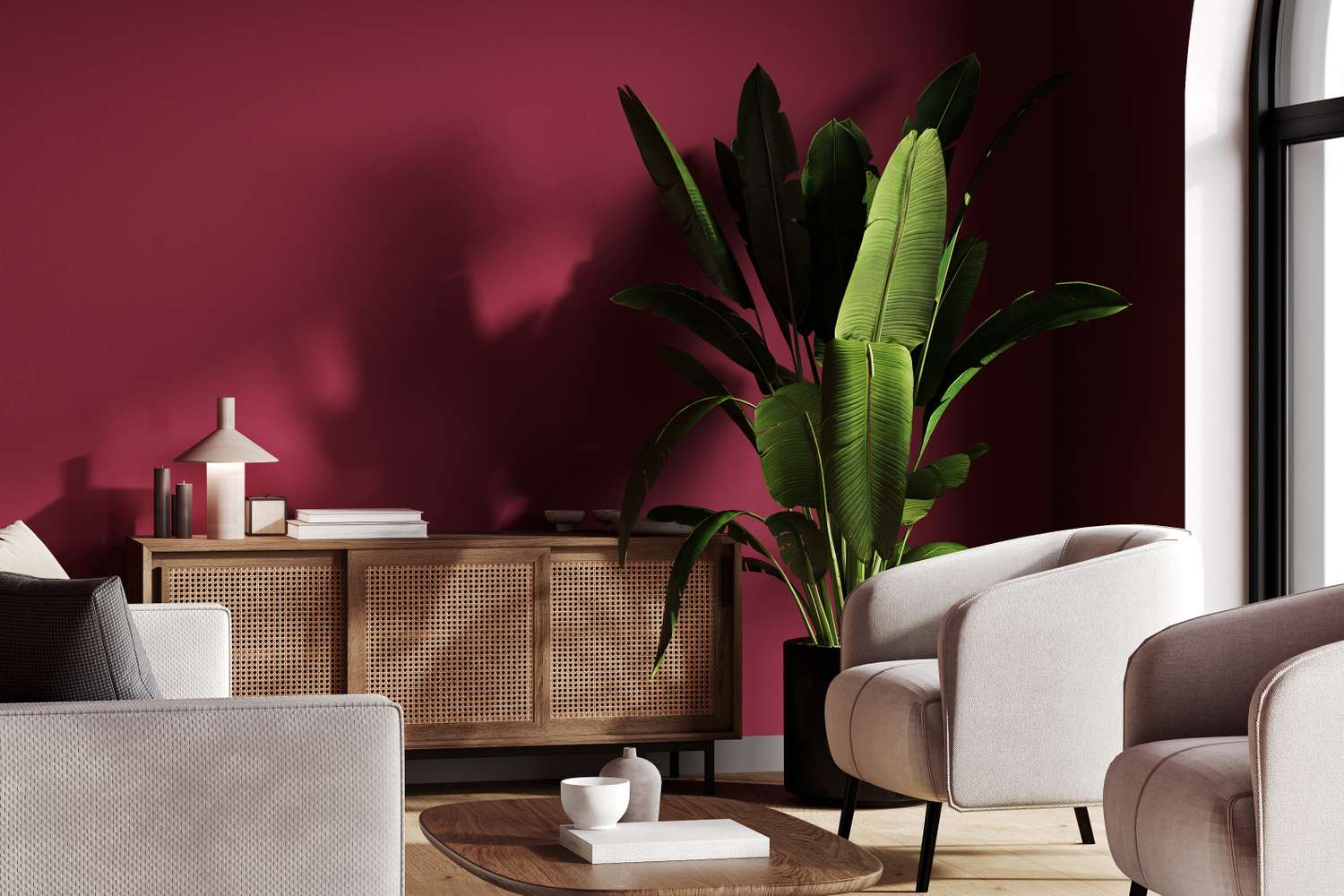
These shades work because they feel human. They absorb light more softly, play well with wood tones, and create a calmer atmosphere without feeling flat. Some designers are also pushing deeper colors into “neutral” territory, including oxblood, smoky blue, aubergine, and merlot. In other words, neutrals are getting more personality and finally refusing to apologize for it.
This does not mean every room needs to be dipped in brown like a cookie. The smarter approach is to use warm neutrals as a foundation and then build from there with textured upholstery, patinated metals, art, or bold accent colors. These palettes feel especially strong when paired with limestone, plaster, travertine, aged brass, walnut, and hand-finished surfaces.
Best rooms for this trend
Living rooms, bedrooms, entryways, and dining rooms all benefit from the warmth of these tones. Small rooms can also handle deeper colors better than old design myths would suggest. A powder room in merlot or a study in olive can feel dramatic, enveloping, and very 2026.
4. Curved and Sculptural Furniture Will Keep Softening Interiors
Straight lines are not banned, but 2026 will continue the move toward softer, sculptural forms. Designers are predicting more curved sofas, rounded chairs, pill-shaped mirrors, arched details, and organic tables that look less factory-issued and more thoughtfully composed. The overall effect is calmer, friendlier, and more fluid.
Curves do something important in a room: they reduce visual harshness. A rounded coffee table, a curved sectional, or a scalloped pendant can make a space feel more relaxed without requiring a complete style overhaul. This is one reason curved furniture keeps showing up in forecasts across living rooms, bedrooms, and even outdoor spaces.
There is also a practical side to the trend. Sculptural pieces bring movement and interest, so a room does not have to rely on clutter for personality. A curved chair can carry its own visual weight. A rounded side table can soften circulation in a tighter room. A dramatic light fixture can act like functional art, which is always a handy trick when your walls are already busy enough.
How to use curves without overdoing it
Start with one or two pieces. A curved accent chair, a circular rug, an arched lamp, or a softened headboard can change the mood quickly. Mix curves with straight architectural lines for balance. Otherwise, your living room may start looking like it has melted, which is not the goal, unless you are decorating a Salvador Dalí guest suite.
5. Craftsmanship, Vintage Finds, and Collected Character Are Winning
Another defining trend for 2026 is the rejection of cookie-cutter interiors. Experts are favoring homes that look layered over time rather than furnished in one heroic Saturday shopping spree. That means vintage furniture, antiques, handmade ceramics, artisan textiles, carved wood, plaster finishes, and details with visible craftsmanship are all on the rise.
The appeal is easy to understand. Handcrafted and storied pieces create depth. They make a room feel lived in, not staged. They also help break up the “everything matches and somehow nothing matters” feeling that can happen when spaces are assembled too quickly from a single source.
This trend works across styles. In a modern home, one antique chest or vintage lamp can add soul. In a traditional home, hand-painted wallpaper or custom upholstery can keep things from feeling stale. In a minimalist room, a woven textile, natural plaster, or reclaimed wood console adds warmth without making the space chaotic.
What defines the look in 2026
Expect to see richer fabrics, more visible texture, and a bigger appetite for materials that age well. Unlacquered brass, worn leather, linen with slub, mohair, velvet, stone with movement, and wood with grain are all having a moment. Pattern is returning too, but in a more intentional way. Instead of random decoration, it is being used to build narrative and personality.
Think of this as the anti-showroom approach. A collected home says, “I have a point of view.” A perfect showroom says, “Please do not sit there.” Only one of those sounds like a pleasant way to live.
6. Lighting and Tech Are Becoming Smarter, More Flexible, and More Invisible
Technology is not leaving the home, but in 2026 it is expected to become far more discreet. Designers are predicting greater demand for concealed speakers, short-throw projectors, integrated lighting, cleaner cable management, and built-in systems that support the room rather than hijack it. The best smart home features will be the ones you notice the least.
At the same time, lighting is becoming more layered and adaptable. Modular lighting is one of the more interesting developments here. Interchangeable shades, flexible sconces, sculptural pendants, and customizable lamps allow homeowners to shift mood and function more easily. The lighting itself becomes part of the decorating story.
This trend matters because tech fatigue is real. People want convenience, but they do not necessarily want their living room to feel like an electronics aisle. Design-savvy technology helps a home feel calmer and more beautiful. It preserves visual quiet while improving everyday life.
Easy upgrades that make a difference
Swap harsh overhead bulbs for dimmable layered lighting. Hide routers and cords in furniture or cabinetry. Use picture lights, portable lamps, and discreet smart controls. If you are renovating, plan tech integration early so speakers, outlets, and projectors support the architecture instead of fighting it like toddlers at bedtime.
What These 2026 Interior Design Trends Really Mean
Taken together, the biggest interior design trends of 2026 point to one larger idea: homes are becoming more emotional, more tactile, and more personal. Warm minimalism is evolving. Quiet luxury is losing ground to layered individuality. Rooms are being designed not just to photograph well, but to function better and feel better.
The smartest takeaway is not to chase every trend at once. No one needs a curved sofa, a khaki dining room, a meditation alcove, a hidden projector, and six antique stools all before next Thursday. The better strategy is to notice the direction of the market and use it to make thoughtful choices. Add warmth. Add texture. Add shape. Add meaning. Remove a little sterility while you are at it.
That is what 2026 is really offering: permission to build a home that feels more like yours and less like a catalog trying very hard to look relaxed.
Experiences: What Living With 2026 Design Trends Actually Feels Like
Reading about design trends is one thing. Living with them is another. And honestly, that is where 2026 gets interesting. These trends are not just visual trends; they change how a home behaves around you. A room with warmer neutrals feels different at 7 a.m. when the sunlight hits the wall. It feels slower, softer, and less like the day is already yelling at you. That may sound dramatic for a paint color, but anyone who has ever replaced a cold gray wall with something creamy or earthy knows the room suddenly exhales.
Defined spaces also change daily routines in subtle but noticeable ways. A dining area that feels separate from the kitchen invites actual meals instead of distracted snacking over the sink. A reading corner makes you more likely to read. A tucked-away workspace makes it easier to stop working. The experience is less about square footage and more about permission. When a room signals what it is for, you tend to use it with more intention.
The same is true of curved furniture and sculptural forms. People often think of them as purely aesthetic, but they change movement and mood. A rounded chair feels inviting. A curved sofa makes conversation flow differently. A circular table softens the edges of a busy room and, weirdly enough, can make the entire space feel less bossy. Straight lines say, “Stand up straight.” Curves say, “Sit down, relax, and maybe stay a while.”
Wellness spaces are even more experiential. A small meditation nook, a spa-style bathroom, or simply better layered lighting in the bedroom can make a home feel more restorative without requiring a luxury renovation. The point is not to imitate a five-star resort. The point is to build moments of recovery into ordinary life. A cushioned bench by a window, a textured throw, a lamp with warm light, and five quiet minutes can do more for a tired evening than another scrolling session ever will.
Then there is the emotional effect of collected character. Vintage pieces, handmade objects, and tactile materials make rooms feel less temporary. They tell you something about the people who live there. A handmade ceramic bowl on a console table, a worn wood stool in the bathroom, or an old brass lamp in the den creates a sense of continuity that brand-new matching furniture rarely delivers. These details are not just decorative. They are memory-friendly. They make a home easier to remember and more satisfying to return to.
Invisible tech may be the least flashy trend on the list, but it might be the most life-improving. When cords disappear, lighting gets smarter, and speakers blend into the architecture, the room feels calmer. You still get convenience, but you also get visual peace. That balance is what makes 2026 feel different. These trends are not just trying to impress the eye. They are trying to support the life happening inside the room. And that, finally, feels like design growing up.
Conclusion
The interior design trends that will define 2026 are less about strict rules and more about smarter instincts. Designers are betting on homes that feel warmer, softer, more expressive, and more useful. Expect defined spaces, wellness-minded rooms, earthy neutrals, curved furniture, crafted materials, and discreet technology to lead the conversation.
If there is one lesson worth stealing from all of this, it is simple: make your home feel better before you make it look trendier. Conveniently, in 2026, those two goals finally seem to be on the same team.