Note: This article synthesizes public research and reporting on online shaming, social media behavior, incivility, public-space etiquette, accessibility, consumer complaints, and digital accountability from reputable U.S.-based organizations and publications.
When Bad Manners Meet the Internet, Screenshots Start Flying
There are two types of people in this world: those who return the shopping cart, and those who leave it sideways across a parking space like they are donating modern art to society. The internet has become very good at spotting the second group.
The viral appeal of “people acting like complete jerks” is not hard to understand. We have all seen tiny public disasters: someone blocks an accessible ramp, leaves trash on a hiking trail, talks loudly on speakerphone in a quiet room, parks across two spaces, cuts in line, or treats a service worker like the villain in their personal drama. Most of these moments are small. But small selfish acts become large when everyone else has to work around them.
That is why online shaming posts spread so quickly. A rude act caught on camera becomes more than one person’s bad day. It becomes a public lesson, a digital “please don’t be this person” sign with better lighting and worse spelling in the comments section.
Still, the topic is more complicated than simply laughing at strangers behaving badly. Online accountability can expose real problems, but it can also turn into bullying, dogpiling, or unfair judgment when context is missing. The smartest way to read these viral posts is not as permission to attack people, but as a reminder that shared spaces only work when people remember the “shared” part.
Why “Jerk Behavior” Goes Viral So Fast
Social media rewards emotion. Posts that make people gasp, laugh, or mutter “you have got to be kidding me” travel quickly because they invite instant reaction. A photo of someone taking the last slice of office cake is mildly annoying. A photo of someone taking the last slice, the plate, the knife, and the office’s remaining faith in humanity? That is content.
Public rudeness is also easy to understand. You do not need a law degree to know that parking in front of a wheelchair access aisle is selfish. You do not need a sociology textbook to understand that leaving a gym machine covered in sweat is not a bold wellness philosophy. These situations are simple, visual, and emotionally satisfying to judge.
But online shaming becomes risky when people confuse “calling out behavior” with “destroying a person.” A post can highlight inconsiderate actions without sharing private information, encouraging harassment, or turning one mistake into a permanent identity. In other words: shame the behavior, not the birth certificate.
50 Everyday Examples of People Acting Like Complete Jerks
Here are 50 common real-world situations that explain why people feel tempted to shame rude behavior online. Some are funny. Some are frustrating. A few deserve a slow clap performed by a disappointed librarian.
Public Space Jerks
1. The double-parking champion. This person parks across two spaces because apparently their sedan needs emotional support.
2. The accessible-space blocker. Parking in or blocking accessible spaces and access aisles can create real barriers for people with disabilities. It is not “just a minute” when someone else cannot safely enter a building.
3. The sidewalk hog. A group walks shoulder-to-shoulder and refuses to move, turning the sidewalk into a tiny parade nobody requested.
4. The doorway stopper. They enter a store, stop immediately in the doorway, and begin a family meeting while traffic piles up behind them.
5. The cart abandoner. Instead of returning the cart, they leave it behind someone’s car like a wheeled booby trap.
6. The trash artist. They leave cups, wrappers, and napkins on a bench, as if pigeons are a municipal cleaning crew.
7. The trail vandal. Public lands depend on basic respect. Carving names into trees, leaving painted rocks, or tossing trash along trails damages places meant for everyone.
8. The loud-phone narrator. They take a private call on speaker in public, generously giving strangers season one of their personal drama.
9. The elevator charger. They rush into the elevator before letting anyone exit, because patience apparently expired in 2009.
10. The seat-bag landlord. Their backpack gets a seat on a crowded train while actual humans stand nearby.
Food, Retail, and Restaurant Jerks
11. The sample-table raider. They take ten free samples and leave with the moral confidence of a raccoon at a buffet.
12. The restaurant table tornado. They leave behind spilled drinks, shredded napkins, and enough crumbs to build a second sandwich.
13. The tip-note philosopher. Instead of tipping properly, they write a lecture on the receipt. Nobody ordered the essay.
14. The “I know the owner” customer. This classic character appears whenever rules apply to them.
15. The produce squeezer. They squeeze every avocado like they are auditioning for fruit law enforcement.
16. The freezer-door leaver. They open a freezer case, change their mind, and leave the door open to let the ice cream experience climate change.
17. The line cutter. Their emergency is always more important, even when the emergency is “I want coffee faster.”
18. The rude reviewer. Honest reviews help consumers, but reviews based on threats, insults, or false claims can harm workers and businesses unfairly.
19. The fake-review schemer. Buying or manipulating reviews is not clever marketing. It is deception wearing a discount blazer.
20. The coupon meltdown guest. When an expired coupon fails, they treat the cashier like the architect of global injustice.
Workplace and Neighbor Jerks
21. The office fridge thief. They eat someone else’s lunch and leave the container behind, because apparently villainy needs Tupperware.
22. The microwave fish warrior. Reheating fish in a shared kitchen should require a permit, a warning siren, and possibly a public apology.
23. The reply-all enthusiast. They send “Thanks!” to 84 people, proving that digital clutter has a pulse.
24. The credit stealer. They repeat a coworker’s idea in a meeting and accept praise like they personally invented oxygen.
25. The printer abandoner. They jam the printer and walk away, leaving the next person to solve an office escape room.
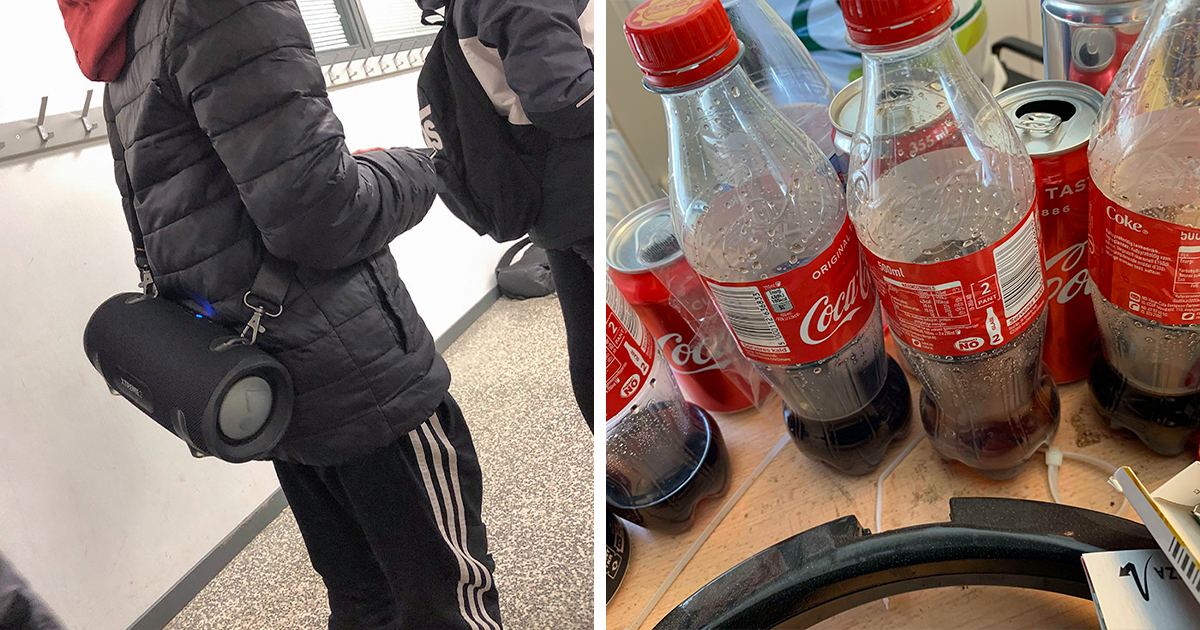
26. The late-night lawn DJ. Neighbors deserve peace. Your Bluetooth speaker does not need to headline the driveway at midnight.
27. The package pirate. Taking someone’s delivery is not “finders keepers.” It is theft with cardboard accessories.
28. The dog-waste dodger. If your dog creates it, you collect it. This is not a complex civic philosophy.
29. The shared-laundry hostage taker. They leave clothes in the washer for hours, turning laundry day into a hostage negotiation.
30. The passive-aggressive note author. Sometimes a polite conversation would work better than a note written like a tiny legal threat.
Travel and Transportation Jerks
31. The airplane seat kicker. Nobody wants a free lower-back percussion massage from row 23.
32. The armrest conqueror. They claim both armrests with the confidence of an empire.
33. The boarding-line shapeshifter. They hover near the gate before their group is called, creating airport fog made of anxiety.
34. The luggage carousel blocker. Standing directly against the carousel helps no one see their bag, including them.
35. The hotel hallway sprinter. Children running in hallways at midnight may be having fun, but other guests are silently composing Yelp poetry.
36. The gas-pump camper. They finish pumping, then sit there texting while other drivers wait.
37. The traffic shoulder cheater. They drive on the shoulder to skip traffic, then expect everyone else to let them merge back in.
38. The turn-signal minimalist. Their blinker usage is apparently classified information.
39. The bike-lane parker. Blocking bike lanes forces cyclists into traffic, which is dangerous and deeply inconsiderate.
40. The train-door statue. They stand in front of train doors and do not move, becoming a human cork.
Online Jerks
41. The comment-section flamethrower. They turn a recipe post into a battlefield because someone used garlic differently.
42. The context assassin. They share a cropped screenshot that removes important details and invites outrage before facts arrive.
43. The doxxing cheerleader. Sharing private personal information is not accountability. It is dangerous and wrong.
44. The pile-on tourist. They do not know what happened, but they still join the mob because everyone else brought digital pitchforks.
45. The fake expert. They confidently explain topics they do not understand, usually with many capital letters.
46. The stolen-content poster. They repost someone else’s work without credit and act shocked when creators object.
47. The public humiliation editor. They add mocking captions to a stranger’s vulnerable moment for easy likes.
48. The outrage farmer. They post rage-bait because anger gets engagement, even when the story is misleading.
49. The review bomber. They attack a business online because of a rumor, not a real customer experience.
50. The “it was just a joke” escape artist. When called out, they claim humor, even though the joke’s only punchline was cruelty.
The Strange Satisfaction of Seeing Jerks Get Called Out
Why do these posts feel so satisfying? Because they restore a sense of fairness. In everyday life, rude people often get away with small selfish acts. The person who cuts in line gets coffee faster. The person who blocks the ramp avoids walking an extra thirty feet. The person who leaves trash behind does not have to clean it up.
Online callouts reverse that feeling. Suddenly, the selfish act has an audience. The invisible social cost becomes visible. People comment, share, laugh, and say what the person behind the camera probably wished they could say in the moment.
But satisfaction can slide into cruelty. A single rude moment should not always become a permanent internet sentence. Sometimes a person is having a terrible day. Sometimes a photo misses context. Sometimes the “jerk” is not the person in the picture, but the person who posted it without care.
The best online shaming posts focus on behavior that teaches a broader lesson: respect workers, protect public spaces, do not block accessibility, clean up after yourself, and remember that other people exist. The worst posts invite harassment, humiliation, and personal attacks. That difference matters.
How to Call Out Bad Behavior Without Becoming the Villain
There is a smarter way to respond when someone acts like a complete jerk. First, prioritize safety. If the behavior is dangerous, illegal, or discriminatory, report it to the proper authority instead of trying to become the main character in a parking-lot documentary.
Second, protect privacy. Blur faces, license plates, addresses, phone numbers, and usernames when possible. The goal should be accountability, not a scavenger hunt for someone’s personal life.
Third, describe the behavior accurately. “Someone left trash all over this campsite” is useful. “This person is a monster who should never know peace” is not useful, and also sounds like it was written by a haunted teapot.
Fourth, leave room for correction. A good callout says, “This behavior is harmful.” A bad callout says, “This person is permanently worthless.” The first can improve a community. The second just adds more ugliness to the pile.
What These Viral Moments Say About Modern Manners
The popularity of jerk-shaming posts suggests that people are tired of everyday selfishness. They are tired of cleaning up after strangers, waiting behind line cutters, dodging badly parked cars, and watching workers absorb disrespect with a customer-service smile.
Modern manners are not about stiff rules or pretending everyone is perfect. They are about awareness. Move your cart. Use headphones. Return what you borrow. Respect accessibility. Tip fairly when appropriate. Do not treat workers like punching bags. Clean up your mess. Let people exit before entering. Credit creators. Think before posting.
Most etiquette is just empathy with shoes on.
Personal Experiences and Everyday Lessons From “People Acting Like Complete Jerks”
Anyone who spends enough time in public eventually collects a mental scrapbook of jerk behavior. Mine would include the person who left a full fast-food bag in a shopping cart during a windy afternoon, allowing fries to migrate across the parking lot like tiny greasy tumbleweeds. It would also include the person who parked in front of a store entrance “for just a second,” then disappeared long enough for three families, one delivery worker, and a very confused dog to navigate around the car.
What makes these moments memorable is not just the inconvenience. It is the casual assumption that someone else will deal with the consequences. That is the secret ingredient in most jerk behavior: outsourcing the cleanup, discomfort, risk, or awkwardness to strangers.
One common experience is watching service workers handle rude customers with heroic restraint. A cashier calmly explains a store policy while a customer argues as if the cashier personally wrote the policy in a candlelit room. A barista remakes a drink that was ordered incorrectly by the customer, not made incorrectly by the employee. A server apologizes for a kitchen delay they cannot control. These workers often absorb the emotional mess that other people bring into public spaces.
Another familiar scene is the shared-space problem. Apartment laundry rooms, office kitchens, gyms, buses, parks, and parking lots reveal character quickly. A person who wipes down equipment, moves their laundry on time, or picks up litter may never go viral, but they quietly make life better. A person who refuses to do those things creates friction for everyone else. The internet notices because those small acts symbolize a bigger question: do you understand that other people live here too?
Online, the same pattern repeats. A rude comment may take five seconds to type, but it can ruin someone’s day. A misleading screenshot can travel faster than the truth. A joke at a stranger’s expense can turn into thousands of people mocking someone who never agreed to be entertainment. Digital spaces are public spaces, too, and they require the same basic courtesy as sidewalks, checkout lines, and shared kitchens.
The biggest lesson from these viral examples is simple: being decent is usually not dramatic. It rarely gets applause. Nobody throws a parade because you returned a cart, used headphones, or chose not to insult a stranger online. But civilization is built from those tiny choices. Every considerate action is a little vote for a world that is less exhausting to live in.
So yes, posts about complete jerks can be funny. They can be satisfying. They can even teach useful lessons. But the best takeaway is not “let’s shame more people.” The best takeaway is “let’s give people fewer reasons to need the shame button in the first place.”
Conclusion: Laugh, Learn, and Please Return the Cart
“50 Times People Spotted Others Acting Like Complete Jerks And Had To Shame Them Online” works as a viral idea because it taps into something universal: the frustration of watching people ignore basic respect. These stories are funny because they are familiar, annoying because they are avoidable, and popular because everyone has witnessed at least one public-behavior crime against common sense.
Still, online shaming should be handled with care. Calling attention to harmful behavior can encourage better norms, but harassment, doxxing, and cruel pile-ons only create more damage. The healthiest version of digital accountability is clear, fair, privacy-conscious, and focused on what people can do better next time.
In the end, the internet may never run out of people acting like jerks. But each of us can reduce the supply by a little: clean up, be patient, respect shared spaces, treat workers kindly, and remember that the person next to you is not a background character in your personal sitcom.