Note: This original article is written for web publishing and synthesizes practical cooking guidance from reputable U.S. culinary and food-safety sources without adding source links inside the content.
King crab legs have a funny way of making dinner feel like a celebration, even if you are eating them at your kitchen counter in socks. They are dramatic, sweet, buttery, and just intimidating enough to make many home cooks think, “Maybe I should leave this to the seafood restaurant with the tiny fork collection.” Good news: learning how to cook king crab legs at home is far easier than it looks.
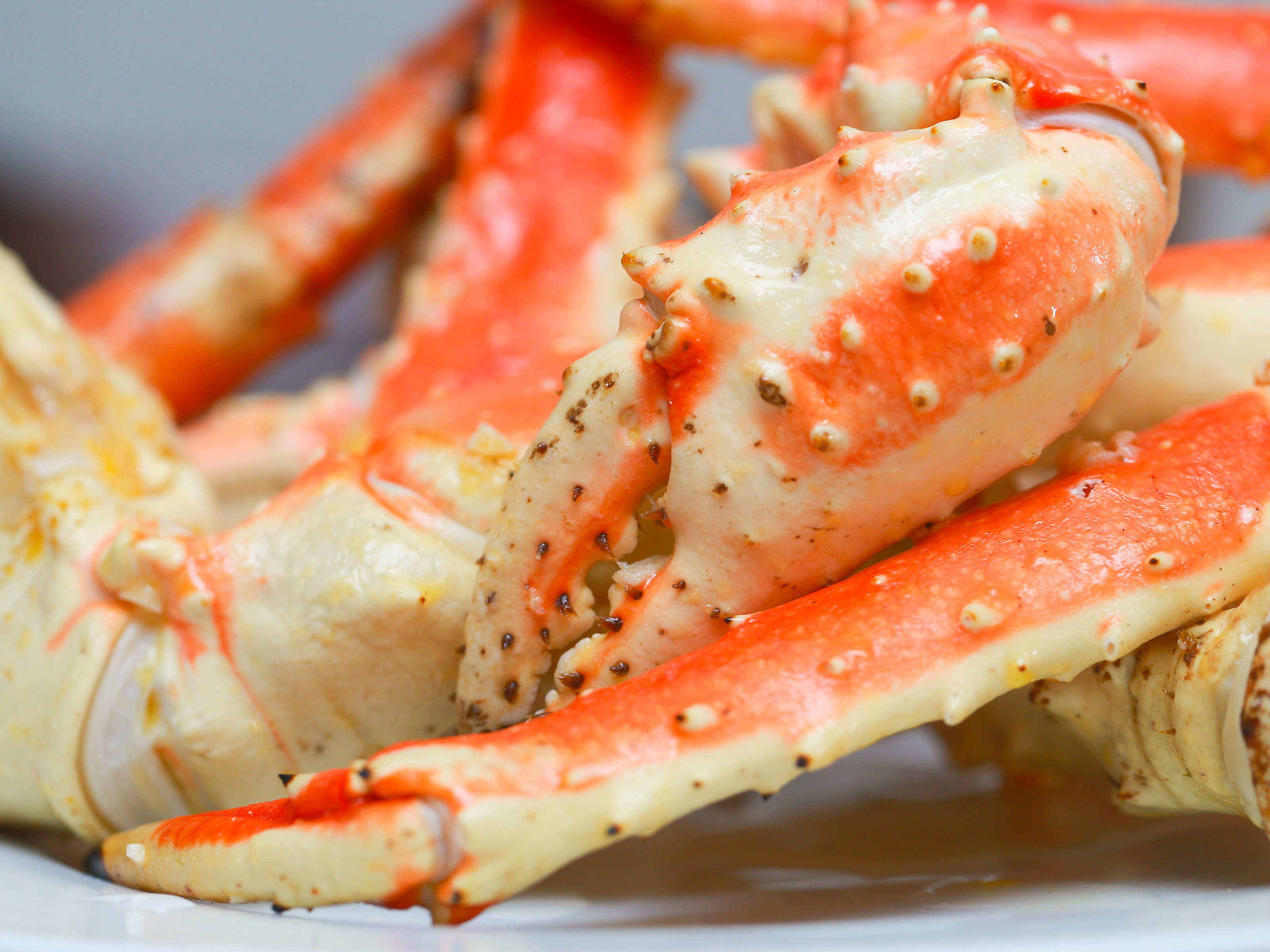
The first secret is that most king crab legs sold in U.S. grocery stores, seafood markets, and online seafood shops are already cooked and flash-frozen. That means you are usually not cooking raw crab from scratch. You are gently reheating fully cooked crab meat while protecting its delicate texture. Overdo it, and the meat can become dry or rubbery. Treat it gently, and you get tender, juicy crab that tastes like you paid someone else to make it.
This guide covers five reliable ways to cook king crab legs: steaming, boiling, baking, grilling, and air frying. Each method has its own personality. Steaming is gentle and classic. Boiling is fast and great for a crowd. Baking is cozy and buttery. Grilling adds smoky flavor. Air frying is quick, convenient, and surprisingly effective for smaller portions.
Before You Start: How to Prepare King Crab Legs
Thaw for Better Texture
If you have time, thaw frozen king crab legs in the refrigerator overnight. Place them on a rimmed tray or in a large bowl to catch any liquid as the ice glaze melts. Slow refrigerator thawing helps the meat heat more evenly and stay moist.
Need them sooner? Rinse the crab legs under cold running water for several minutes to remove surface ice. Avoid hot water because it can start warming the outside before the center is ready, which is seafood’s version of wearing a winter coat with flip-flops.
Cut the Shell for Easier Eating
King crab shells are tougher than snow crab shells. Before heating, use kitchen shears to cut a slit along the length of each leg section. This helps seasonings reach the meat and makes serving easier. Your guests will thank you, especially the ones who came hungry and did not expect arm day at dinner.
Keep Food Safety in Mind
For fully cooked king crab legs, the goal is to reheat until the meat is hot, steamy, firm, and opaque. If you ever cook raw seafood, the commonly recommended safe internal temperature is 145°F. Refrigerate leftovers within two hours, or within one hour if the room or outdoor temperature is very hot.
1. Steamed King Crab Legs
Steaming is one of the best ways to cook king crab legs because it warms the meat gently without washing away flavor. It is ideal for people who want clean, sweet crab flavor and a simple melted butter finish.
What You Need
- 2 to 3 pounds king crab legs, thawed if possible
- 1 to 2 inches water
- Lemon slices, optional
- Bay leaf or garlic cloves, optional
- Melted butter for serving
How to Steam King Crab Legs
- Add 1 to 2 inches of water to a large pot and bring it to a boil.
- Place a steamer basket inside the pot, keeping the crab above the water.
- Add lemon slices, garlic, or a bay leaf to the water if you want a light aroma.
- Place the crab legs in the basket. Bend or cut them at the joints if needed.
- Cover and steam for 5 to 8 minutes for thawed legs, or 8 to 12 minutes for frozen legs.
- Remove with tongs and serve immediately with melted butter and lemon wedges.
Steaming works beautifully because it surrounds the crab with moist heat. The shell protects the meat while the steam warms it evenly. If you are cooking premium Alaskan king crab legs, this method lets their natural sweetness shine without turning dinner into a seasoning competition.
2. Boiled King Crab Legs
Boiling is the fastest and easiest method, especially when you are serving several people. It is also forgiving as long as you do not leave the crab legs bubbling away for too long. Remember, most king crab legs are already cooked. You are reheating, not sending them to seafood boot camp.
What You Need
- 2 to 4 pounds king crab legs
- Large stockpot
- Water
- 1 tablespoon salt per large pot of water
- Optional: lemon halves, Old Bay-style seasoning, garlic, or bay leaves
How to Boil King Crab Legs
- Fill a large pot halfway with water and bring it to a rolling boil.
- Add salt and any seasonings you like.
- Add the crab legs, bending them gently so they fit below the waterline.
- Boil thawed crab legs for 4 to 6 minutes, just until heated through.
- For frozen legs, cook for 8 to 10 minutes, adjusting for thickness.
- Remove with tongs, drain well, and serve hot.
The main advantage of boiling is speed. It is a smart choice for a casual seafood dinner, crab boil, or holiday spread when oven space is already occupied by potatoes, rolls, or that casserole someone insists is “famous.”
One small warning: boiling can dilute the crab’s flavor if you cook it too long. Keep the timing short, drain the legs well, and serve with a rich dipping sauce to bring back that luxurious finish.
3. Baked King Crab Legs
Baking king crab legs is perfect when you want buttery, aromatic crab with very little active work. This method is sometimes called oven steaming because the crab legs are covered with foil and heated with a small amount of liquid. The result is tender meat with a gentle infusion of garlic, lemon, and butter.
What You Need
- 2 to 3 pounds king crab legs
- 4 tablespoons melted butter
- 2 cloves garlic, minced
- 1 tablespoon lemon juice
- 1/4 cup water, seafood stock, or dry white cooking liquid
- Chopped parsley, optional
How to Bake King Crab Legs
- Preheat the oven to 350°F.
- Place the crab legs in a large baking dish or on a rimmed sheet pan.
- Mix melted butter, garlic, and lemon juice in a small bowl.
- Brush the crab legs with the butter mixture.
- Add water or seafood stock to the bottom of the pan.
- Cover tightly with foil.
- Bake thawed legs for 15 to 20 minutes, or frozen legs for 25 to 30 minutes.
- Uncover carefully, garnish with parsley, and serve with extra butter.
Baked king crab legs are especially good for date nights, birthdays, and “I survived the week” dinners. The foil traps moisture, while the butter and garlic create a sauce that tastes far more complicated than it is. Spoon the pan juices over the crab before serving. That little move makes you look like someone who has a signature apron.
4. Grilled King Crab Legs
Grilling king crab legs adds light smoke, char, and outdoor flavor. It is excellent in summer, but honestly, if you are willing to wear a jacket and stand near fire, grilled crab can happen any time of year.
What You Need
- 2 to 3 pounds thawed king crab legs
- 3 tablespoons melted butter or olive oil
- 1 teaspoon garlic powder or minced garlic
- 1 teaspoon paprika, optional
- Lemon wedges
How to Grill King Crab Legs
- Preheat the grill to medium heat, about 350°F to 400°F.
- Brush the crab legs with melted butter or oil.
- Place the legs directly on the grill grates, shell side down when possible.
- Grill for 4 to 5 minutes per side, turning once.
- Remove when the shells are hot and lightly charred in spots.
- Serve with lemon, garlic butter, or a smoky Cajun-style dipping sauce.
The key to grilled king crab legs is control. Do not use roaring heat. High flames can dry the meat and scorch the shell before the center warms through. Medium heat gives you the best balance: warm crab, a little char, and enough smoky aroma to make the neighbors suddenly interested in your dinner plans.
For extra flavor, cut the shells open before grilling and brush the exposed meat with garlic butter. Just watch carefully because exposed crab meat can dry out faster than meat protected inside the shell.
5. Air Fryer King Crab Legs
The air fryer is not traditional, but it is practical. It works best for smaller batches or crab leg sections that fit comfortably in the basket. If your king crab legs look like they belong in a museum exhibit, cut them at the joints first.
What You Need
- 1 to 2 pounds king crab leg sections
- 2 tablespoons melted butter
- 1 teaspoon lemon juice
- 1 small garlic clove, minced
- Pinch of seafood seasoning, optional
How to Air Fry King Crab Legs
- Preheat the air fryer to 370°F.
- Mix butter, lemon juice, garlic, and seasoning.
- Brush the crab legs lightly with the butter mixture.
- Place the legs in a single layer in the basket. Do not overcrowd.
- Air fry for 5 to 7 minutes for thawed sections.
- Add a few extra minutes for thicker or partially frozen pieces.
- Serve immediately with remaining melted butter.
Air frying gives the shell a slightly roasted aroma while keeping the meat sweet and moist if you do not overcook it. This method is great for weeknight seafood cravings because it requires minimal cleanup. It is also helpful when you want crab legs without turning on the oven or wrestling with a giant pot.
Best Sauces for King Crab Legs
Classic Garlic Butter
Melt butter with minced garlic, a squeeze of lemon, and chopped parsley. This is the little black dress of crab sauces: simple, reliable, and always appropriate.
Lemon Herb Butter
Combine melted butter with lemon zest, dill, chives, and a pinch of black pepper. This sauce keeps the flavor bright and fresh.
Cajun Butter
Mix melted butter with paprika, garlic powder, onion powder, cayenne, and a little lemon juice. It adds warmth without overpowering the crab’s natural sweetness.
Brown Butter
Cook butter gently until it smells nutty and turns golden brown. Add lemon juice at the end. Brown butter makes king crab taste even richer, which is dangerous information in the best possible way.
What to Serve with King Crab Legs
King crab legs are rich, so choose sides that balance their sweetness and butteriness. Roasted asparagus, steamed green beans, lemony salad, boiled baby potatoes, corn on the cob, rice pilaf, or crusty bread all work well. If you want a restaurant-style seafood feast, serve crab legs with baked potatoes, coleslaw, and warm dinner rolls.
For drinks, crisp white wine, sparkling water with lemon, iced tea, or a light citrus mocktail can refresh the palate between buttery bites. The goal is to support the crab, not bury it under heavy flavors.
Common Mistakes to Avoid
Cooking Too Long
The most common mistake is overcooking. King crab meat is already cooked in most retail packages, so long cooking times can make it dry. Heat only until warmed through.
Skipping the Thaw
You can heat frozen crab legs, but thawed legs usually warm more evenly and taste juicier. If you have time, thaw overnight in the refrigerator.
Forgetting the Tools
Kitchen shears, crab crackers, seafood forks, and plenty of napkins make the meal smoother. King crab is delicious, but it does not politely jump out of the shell on request.
Using Too Much Seasoning
King crab has a naturally sweet, delicate flavor. Butter, lemon, garlic, herbs, and mild seafood seasoning are usually enough. Treat it like luxury seafood, not like it owes you rent.
Experience Notes: What Cooking King Crab Legs at Home Really Feels Like
The first time many home cooks make king crab legs, they expect the process to be complicated. The legs are huge, the shells are spiky, and the price tag can make you feel like you are handling seafood jewelry. But the actual cooking is surprisingly calm. The biggest lesson is that king crab rewards patience more than fancy technique.
Steaming feels the most foolproof. It gives you a little buffer because the crab is surrounded by moist heat instead of being blasted directly. When the lid comes off and the kitchen smells lightly briny and sweet, you know dinner is heading in the right direction. This is the method I would recommend for someone cooking king crab legs for the first time. It is simple, clean, and hard to mess up unless you forget the timer and wander off to reorganize your spice drawer.
Boiling is the party method. It is fast, direct, and practical when everyone is waiting at the table. The trick is to season the water lightly and pull the legs as soon as they are hot. Boiling too long can steal some of the crab’s natural sweetness, so think of it as a quick warm bath, not a long vacation.
Baking feels the most luxurious. Garlic butter, lemon juice, foil, and a warm oven create a low-effort dish that looks expensive. It is also the best method when you want to prepare side dishes at the same time. Slide the crab into the oven, toss a salad, warm some bread, and suddenly your kitchen feels like a seafood bistro with better parking.
Grilling is the most fun when the weather cooperates. The shells pick up a little smokiness, and the crab looks dramatic on the grates. Just keep the heat moderate. King crab is already rich and tender, so grilling should add aroma, not punishment. If the flames are leaping like they are auditioning for an action movie, move the crab to a cooler zone.
Air frying is the surprise winner for small servings. It is not the method for a giant family seafood spread, but for one or two people, it is fast and tidy. The only real challenge is fitting the legs into the basket. Cutting them into sections solves that problem and makes them easier to serve.
The best overall experience comes from preparing everything before the crab is hot: butter melted, lemons cut, plates ready, tools on the table, and napkins within reach. King crab is best eaten immediately. Once it is hot, gather everyone, crack the shells, dip the meat, and enjoy the kind of meal that makes silence at the table a compliment.
Conclusion
Cooking king crab legs at home is less about chef-level skill and more about gentle reheating, good timing, and simple flavor. Whether you steam, boil, bake, grill, or air fry them, the goal is the same: protect the sweet, tender meat and serve it hot with a sauce that makes every bite feel special.
If you are new to king crab, start with steaming or baking. If you are feeding a group, boiling is efficient. If you want smoky flavor, grill them. If you want speed and convenience, the air fryer earns its spot. Add melted butter, lemon, and a few reliable sides, and you have a seafood dinner that feels restaurant-worthy without needing a reservation, valet parking, or someone saying “market price” with a straight face.