There are kitchen tools that get applause: the gleaming chef’s knife, the Dutch oven that looks like it has its own agent, the espresso machine humming like a tiny Italian sports car. Then there is the table trivet, quietly waiting for its big moment between the casserole and your dining table. It does not shout. It does not ask for counter space. It simply saves your wood table, stone countertop, linen runner, and possibly your relationship with whoever bought the furniture.
But today’s table trivets are not just emergency landing pads for hot pots. The best table trivets with style are part heat shield, part tabletop accessory, and part design punctuation mark. They can be sculptural, rustic, modern, colorful, minimalist, old-world, or so handsome you leave them out even when no lasagna is incoming.
After studying current kitchen gear testing, design roundups, retailer collections, and real-world product examples from trusted U.S. food, home, and design sources, one thing is clear: the humble trivet has had a glow-up. Wood, cork, cast iron, silicone, ceramic, marble, wool felt, straw, and expandable metal designs all have a place at the table. The trick is choosing the right one for your cooking habits, table style, and tolerance for wiping up tomato sauce before it becomes modern art.
Why a Stylish Table Trivet Deserves a Spot on Your Table
A table trivet has one obvious job: protect surfaces from heat. A hot skillet, casserole dish, teapot, or Dutch oven can leave marks, discolor finishes, warp delicate surfaces, or scorch wood. A good trivet creates a safe barrier between the hot dish and the table. That is the practical side.
The stylish side is where things get fun. A trivet sits directly in the middle of the meal, which means it becomes part of the tablescape. If your plates, glasses, napkins, and serving dishes all get attention, why should the thing holding the bubbling mac and cheese look like it was rescued from a junk drawer?
The right decorative trivet can add texture to a plain table, soften a modern kitchen, bring warmth to stone countertops, or make a holiday spread feel more layered. Think of it as jewelry for your casserole. Not flashy jewelry, necessarily. More like the kind of bracelet that says, “Yes, I know what I’m doing, and yes, the gratin is still hot.”
What to Look for in a Table Trivet
Heat Resistance
The first rule of any trivet is simple: it must handle heat. Silicone trivets often perform well for high-temperature everyday use. Cast iron trivets can stand up to heavy cookware and very hot pots. Wood, cork, straw, ceramic, and marble can be excellent, but they should be used according to their construction and care instructions. A trivet that looks gorgeous but scorches under a hot Dutch oven is not a trivet; it is a decorative coaster with ambition.
Surface Protection
Look for feet, raised ridges, airflow gaps, cork backing, silicone rings, or a thick enough body to keep heat from transferring directly to the table. A flat, thin trivet may look sleek, but if it conducts heat too quickly, your table will still feel the drama.
Size and Stability
A small trivet works for teapots and saucepans. A large casserole dish may need a wider trivet, two smaller trivets, or an expandable design. Stability matters, especially when serving something heavy. Nobody wants a roast chicken sliding across the table like it is auditioning for a winter sport.
Easy Cleaning
Cooking is romantic until the cranberry glaze drips into tiny decorative grooves. Smooth wood, silicone, glazed ceramic, and sealed stone are usually easier to wipe clean. Woven straw, cork, and carved designs may need gentler care, but they reward you with texture and character.
Style Compatibility
Choose a trivet the same way you would choose a serving board or centerpiece. Minimal kitchens often love wood, marble, or silicone in restrained colors. Farmhouse tables work beautifully with cast iron, cork, straw, and ceramic. Contemporary dining rooms can handle sculptural metal, bold silicone, or graphic stone.
5 Favorites: Table Trivets with Style
1. The Sculptural Wood Trivet
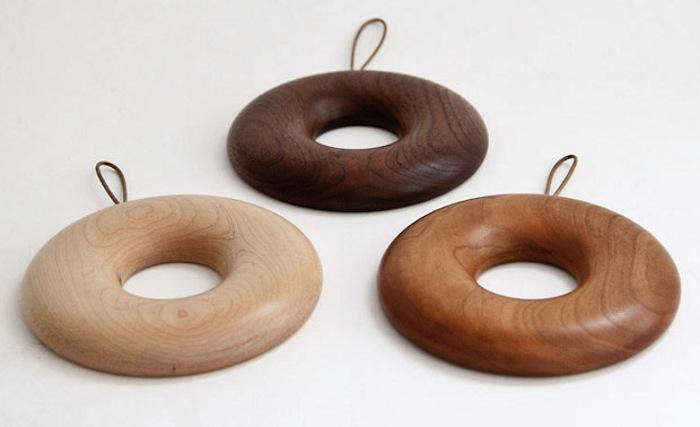
A wooden trivet is the little black dress of tabletop protection: timeless, useful, and hard to overdo. Beechwood, teak, olivewood, acacia, walnut, and ash all bring natural warmth to a table. Wood softens the look of metal cookware, pairs beautifully with ceramics, and can move from everyday breakfast to holiday dinner without changing outfits.
The best wood trivets are not just flat blocks. Look for fluted tops, raised feet, slatted designs, expandable arms, or sculptural shapes that allow air to move under the hot dish. Expandable wood trivets are especially clever because they can stay compact in a drawer, then stretch out for larger pots and serving dishes. That is the kitchen equivalent of wearing stretchy pants to Thanksgiving: practical, but still respectable.
A wooden table trivet works best for serving pieces, teapots, casseroles, and pots that are hot but not dangerously scorching. With extremely high-heat cookware, such as a Dutch oven pulled from a very hot oven, check the product guidance and consider using a more heat-focused material like cast iron or silicone underneath.
Style tip: use a round wood trivet under a round Dutch oven, a long slatted trivet under a rectangular baking dish, and a pair of matching wood trivets for a buffet setup. The repetition makes the table look intentional, even if the salad came from a bag. No judgment. We have all been there.
2. The Woven Straw or Natural Fiber Trivet
Woven straw trivets, including Japanese-inspired designs, bring a handmade warmth that polished kitchen tools often lack. They are textural, lightweight, and beautiful enough to hang on a wall hook when not in use. A straw trivet looks especially good with clay pots, teapots, ceramic serving bowls, and rustic table settings.
This type of decorative trivet is ideal for people who love natural materials and relaxed dining. It whispers “slow meal,” “handmade,” and “someone here owns nice tea.” The rounded, cushioned shape can help cradle curved teapots or donabe-style pots, while the woven body adds visual interest to wood, linen, and stone surfaces.
Natural fiber trivets do need a bit of respect. Keep them dry, shake out loose fibers, and avoid using them with cookware that is blisteringly hot beyond the product’s recommended use. Because they are handmade or naturally textured, small variations are part of the charm. In other words, do not expect machine-perfect uniformity. Expect personality.
Style tip: pair a straw trivet with linen napkins, handmade ceramics, wood chopsticks, or a simple white teapot. It creates a calm, organic look without trying too hard. The table says, “I am effortless,” even though you definitely arranged everything three times.
3. The Cast Iron Trivet
For serious heat, heavy cookware, and old-school charm, cast iron is hard to beat. A cast iron trivet feels sturdy, grounded, and a little dramaticin the best way. It can handle substantial pots, enameled Dutch ovens, skillets, braisers, and roasting dishes. Many cast iron trivets have raised feet, which improves airflow and keeps hot cookware lifted away from the table.
Cast iron trivets are especially useful for cooks who move from stovetop or oven to table often. Some designs can also double as meat racks inside Dutch ovens or roasting vessels, adding practical value beyond tabletop use. That is the kind of multitasking we respect: protect the table at dinner, help roast a chicken tomorrow.
Visually, cast iron adds heritage style. It looks right at home on farmhouse tables, rustic kitchens, cabin dinners, and holiday spreads involving gravy. A black cast iron trivet can also create a striking contrast under white ceramic serveware or colorful enameled cookware.
Care is simple but important. Keep cast iron dry, clean it according to the manufacturer’s directions, and prevent rust. If the trivet has feet, check that they will not scratch delicate tables. For extra caution, place it over a runner or choose a model with protective pads.
Style tip: use a cast iron trivet when the meal is hearty. Braised short ribs, skillet cornbread, roast vegetables, bubbling beans, or a big pot of stew all look more inviting when set on something that feels equally substantial.
4. The Sleek Silicone Trivet
Silicone trivets are the practical overachievers of the trivet world. They are flexible, grippy, easy to clean, often dishwasher-safe, and commonly heat-resistant enough for busy everyday cooking. They can also double as jar openers, spoon rests, potholders, or emergency “please do not put that pan directly on the counter” tools.
Modern silicone trivets come in simple circles, honeycomb patterns, grid shapes, bold colors, and minimalist mats. Some are thin and stackable; others are thick and textured for better grip. Because silicone does not usually slide around easily, it is a strong choice for glass tables, polished counters, and households where someone always reaches across the table with the confidence of a raccoon near an open picnic basket.
The style challenge with silicone is choosing one that looks intentional rather than purely utilitarian. Matte finishes, clean geometric patterns, and muted colors tend to feel more elevated. Bright red, blue, or green can work beautifully in playful kitchens, especially if the color repeats in cookware, towels, or small appliances.
Silicone is excellent for families, frequent cooks, and anyone who wants low-maintenance heat protection. After dinner, rinse it, wipe it, or toss it in the dishwasher if the care label allows. Unlike some natural materials, silicone does not need delicate handling. It is the friend who helps clean up after the party.
Style tip: keep a set of matching silicone trivets in a drawer for weeknight dinners, then mix one with wood or ceramic pieces for a more layered table. Practical does not have to mean boring. It just means the trivet understands the assignment.
5. The Stone, Marble, or Ceramic Trivet
If wood is warm and silicone is practical, stone and ceramic trivets are the polished guests at the table. Marble, stoneware, glazed ceramic, and patterned tile trivets can look decorative even when nothing hot is sitting on them. Many work as small display platforms for candles, salt cellars, olive oil bottles, or a vase between meals.
A marble trivet brings natural veining and a cool, elegant look. Ceramic trivets can add pattern, color, and personality. Stoneware designs often feel substantial and gift-worthy. Some include cork or padded backing to reduce scratching and heat transfer, which is useful for delicate tabletops.
The key is weight and finish. A stone trivet should be thick enough to feel stable, while a ceramic trivet should have a durable glaze and a base that will not scrape your table. Because stone can retain heat or transfer temperature differently depending on construction, always follow the product’s care guidance.
Style tip: choose marble for modern or classic dining rooms, patterned ceramic for Mediterranean or cottage-style kitchens, and simple stoneware for minimalist homes. A beautiful ceramic trivet can also be mounted or displayed upright when not in use, which is a fancy way of saying, “Yes, my heat shield is also decor.”
How to Match a Trivet to Your Table Style
For a Minimalist Kitchen
Choose pale wood, matte silicone, white marble, black cast iron, or simple ceramic. Keep the shape clean and avoid overly busy patterns. A minimalist trivet should add quiet structure, not shout over the soup.
For a Farmhouse Table
Cast iron, cork, woven straw, rustic wood, and handmade ceramic all work well. These materials feel collected and useful, which is exactly the farmhouse sweet spot.
For a Modern Dining Room
Look for sculptural wood, expandable metal, graphic silicone, or marble with bold veining. A modern table can handle stronger shapes and cleaner contrast.
For Holiday Hosting
Use multiple trivets in coordinating materials. Two wood trivets, one cast iron trivet, and one ceramic trivet can create a warm, layered look. Matching everything perfectly is not required. In fact, a little mix makes the table feel alive.
For Small Kitchens
Choose stackable silicone, cork rounds, collapsible wood, or an expandable trivet that folds flat. Bonus points if the trivet is attractive enough to hang on the wall. When storage is limited, every object must earn its rent.
Practical Care Tips for Table Trivets
Wood trivets should usually be hand-washed or wiped clean, then dried promptly. Avoid soaking them unless the manufacturer says otherwise. A little food-safe mineral oil may help maintain some unfinished wood pieces, but always follow the care instructions for the specific product.
Silicone trivets are generally the easiest to clean. Many can go in the dishwasher, and their flexible surface makes them useful for multiple kitchen tasks. However, textured silicone can attract lint, crumbs, and pet hair. If you have a golden retriever, you may discover this faster than expected.
Cast iron trivets should stay dry to prevent rust. If the surface is seasoned, treat it similarly to cast iron cookware. Wipe, dry, and oil lightly if needed. Do not let water sit in decorative grooves.
Cork and straw trivets should be kept dry and replaced when they crack, crumble, scorch, or lose structure. They are affordable, charming, and useful, but they are not immortal. Neither are kitchen sponges, despite what some people seem determined to prove.
Marble, stone, and ceramic trivets should be wiped clean and handled carefully. Stone can chip, ceramic can crack, and cork-backed pieces should not be soaked. Treat them like functional decor rather than indestructible hardware.
What Makes These 5 Favorites Stand Out?
The best stylish trivets combine three qualities: protection, presence, and practicality. A trivet must protect the table, but it should also look good in the middle of a meal. Finally, it should be easy enough to use that you actually reach for it. A gorgeous trivet hidden in a cabinet under the fondue set is not helping anyone.
The sculptural wood trivet wins for warmth and versatility. The woven straw trivet wins for texture and handmade charm. The cast iron trivet wins for strength and heat confidence. The silicone trivet wins for everyday ease. The stone or ceramic trivet wins for decorative polish.
Together, these five categories cover nearly every hosting style, from Tuesday pasta to holiday roast, from tiny apartment table to big family buffet. You do not need all five, of course. But having two or three different types gives you flexibility. A silicone trivet can take weeknight abuse. A wood trivet can sit out daily. A ceramic or marble trivet can make guests think you are more organized than you are. That, frankly, is one of the great pleasures of home styling.
Personal Experience: Living With Stylish Table Trivets
The first time I truly appreciated a table trivet was not during a glamorous dinner party. It was during a rushed weeknight meal involving a very hot skillet, a very wooden table, and the kind of panic that makes people speak in short, dramatic sentences. “Move.” “Hot.” “Where?” “No, not there!” A trivet appeared, the skillet landed safely, and the table survived. That was the moment the trivet stopped being a background object and became a kitchen hero wearing a tiny cape.
Over time, I have learned that the best trivet is the one you keep within reach. A beautiful trivet stored in the back of a cabinet is like a raincoat in the trunk during a storm: technically useful, but emotionally unavailable. The most functional setup is to keep one everyday trivet near the stove and one decorative trivet near the dining area. That way, hot cookware has a safe landing place before anyone starts improvising with a folded magazine or, worse, a dish towel that is slightly damp.
Wood trivets are my favorite for daily use because they make even simple food look more considered. A pot of soup on a wood trivet feels cozy. A teapot on a wood trivet feels intentional. A reheated casserole on a wood trivet suddenly looks less like leftovers and more like “rustic baked pasta.” Presentation is powerful. Sometimes dinner just needs better lighting and a trivet with good posture.
Silicone trivets, on the other hand, are the ones I trust when things get messy. They are perfect for weeknight cooking, kids helping in the kitchen, sticky sauces, and hot pans that need a quick place to land. They may not always have the romance of marble or straw, but they clean up without complaining. In kitchen terms, that is a love language.
For hosting, I like mixing materials. A cast iron trivet under a heavy Dutch oven adds weight and confidence. A ceramic trivet under a side dish brings color. A woven trivet under a teapot or bread basket adds softness. The table feels more layered when everything is not perfectly matched. Matching sets can be elegant, but a collected table feels personal. It says people actually live here, cook here, spill here, laugh here, and occasionally burn the rolls here.
One practical lesson: size matters more than most people think. A tiny trivet under a huge baking dish creates a balancing act nobody requested. For big casseroles, use a large trivet or two smaller ones spaced evenly. For round pots, round trivets usually feel more stable and visually pleasing. For rectangular dishes, slatted wood or long silicone mats work better. The shape of the trivet should support the shape of the dish, not create a suspense scene.
Another lesson: decorative trivets make great small gifts. They are useful, easy to personalize by style, and not too intimate. A marble trivet for the friend with the perfect apartment. A cork set for the practical cook. A straw trivet for the tea lover. A cast iron trivet for the person who says “low and slow” in normal conversation. Unlike many kitchen gadgets, a trivet does not require a learning curve, an app, or a drawer full of attachments.
Most of all, stylish table trivets remind us that small details matter. They protect the furniture, yes, but they also make serving food feel more finished. They create a moment between the kitchen and the table. They say, “This dish is hot, this meal is cared for, and this table is not being sacrificed today.” That is a lot of work for one small object. Respect the trivet.
Conclusion
Table trivets may be humble, but the best ones bring real style to the kitchen and dining table. Whether you prefer sculptural wood, woven straw, cast iron, sleek silicone, or polished marble and ceramic, the right trivet protects your surfaces while adding texture, personality, and a sense of intention to every meal.
A stylish trivet does not need to be expensive or dramatic. It simply needs to suit the way you cook and the way you live. Choose materials that match your heat needs, shapes that support your cookware, and designs you will enjoy seeing on the table. After all, the trivet is where the main dish lands. It deserves to look ready for the spotlight.
Note: This article is an original synthesis based on real kitchen testing, design coverage, and product information from reputable U.S. food, home, and design sources, including Food & Wine, Remodelista, The Kitchn, Williams Sonoma, Southern Living, Simply Recipes, Domino, and New York Magazine’s Strategist.