Straight hair has a reputation for being “easy,” which is adorable in the same way people say moving apartments is “just putting things in boxes.” Yes, straight hair can look sleek, shiny, and polished with very little effort. It can also fall flat by lunchtime, refuse to hold a curl, reveal every drop of oil at the roots, and slide out of a ponytail like it has somewhere better to be.
The good news? Straight hair is incredibly versatile when you understand how to work with its natural strengths. It reflects light beautifully, creates clean lines, handles blunt cuts well, and can shift from glossy and elegant to textured and casual with the right technique. The secret is not forcing straight hair to become something it is not. The secret is giving it structure, grip, movement, and smart product support without weighing it down.
Below are four practical, wearable ways to style straight hair, from a smooth glass-hair finish to soft bends, volume, and easy updos. Whether your hair is fine and silky, thick and heavy, shoulder-length, long, or somewhere in the “I woke up like this but not in a glamorous way” category, these styles will help you get more from your natural texture.
Why Straight Hair Needs a Styling Strategy
Straight hair usually lies flat from root to tip, which is why it often looks smooth and shiny. That same structure can also make it more prone to oiliness at the scalp because natural oils travel down straight strands more easily. Fine straight hair may need lift and texture. Thick straight hair may need shape and weight control. Very sleek straight hair may need grip so pins, waves, and ponytails stay put.
Before styling, start with a lightweight routine. Use conditioner mainly from mid-lengths to ends, avoid heavy oils near the roots, and choose styling products based on your goal. For volume, use mousse, root spray, or dry texture spray. For smoothness, use a lightweight leave-in conditioner, heat protectant, or serum. For hold, use flexible hairspray rather than crunchy cement-in-a-can. Your hair should still move. It is hair, not a museum exhibit.
1. Create a Sleek, Glossy Straight Style
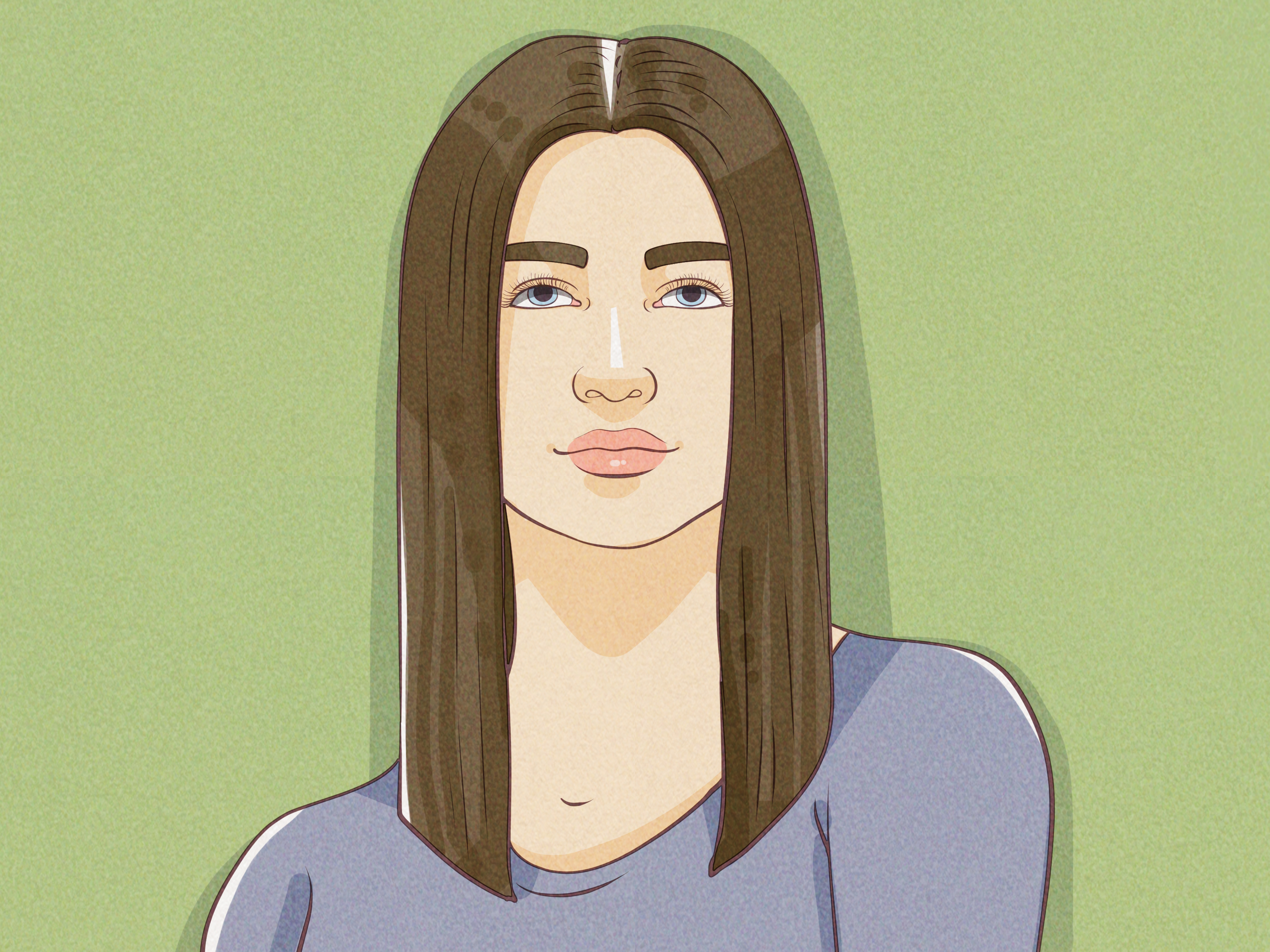
The sleek straight look is the classic choice for straight hair because it enhances what the texture already does well: shine, smoothness, and clean movement. This style works for workdays, dinners, events, and any moment when you want your hair to look like it has a retirement account and makes responsible decisions.
How to Style It
Start with clean, towel-blotted hair and apply a lightweight leave-in conditioner or heat protectant. If your hair gets oily quickly, keep product away from the scalp. Let your hair air-dry partially before using a blow-dryer. This reduces the amount of heat exposure and helps prevent unnecessary dryness.
Blow-dry in sections using a paddle brush or round brush. Point the dryer nozzle downward along the hair shaft to encourage smoothness and reduce flyaways. If you want a straighter finish, use a flat iron only after your hair is completely dry. Choose a low or medium heat setting whenever possible, and pass over each section slowly once rather than clamping the same piece repeatedly like you are trying to interrogate it.
Finish with a pea-size amount of lightweight serum on the ends, then smooth flyaways with a soft brush sprayed lightly with flexible hairspray. For a modern finish, tuck one side behind the ear or part the hair sharply down the middle.
Best For
This style is ideal for medium to long straight hair, blunt cuts, lobs, bobs, and layered styles that need polish. It is especially flattering when your ends are freshly trimmed because straight hair shows split ends more clearly than textured hair.
Pro Tips for Sleek Hair
- Use lightweight smoothing products instead of heavy creams.
- Apply heat protectant before blow-drying or flat ironing.
- Flat iron only dry hair to avoid damage.
- Sleep on a satin or silk pillowcase to reduce friction and morning frizz.
- Refresh the next day with dry shampoo at the roots and serum only on the ends.
2. Add Volume With a Bouncy Blowout
If straight hair has one dramatic weakness, it is volume. Some straight hair can go from “freshly styled” to “gently laminated to the scalp” in record time. A bouncy blowout solves this by lifting the roots, shaping the ends, and creating movement without needing curls.
How to Style It
Begin with damp hair. Apply a volumizing mousse or root-lift spray, focusing on the crown and roots. Flip your head upside down for a few seconds while distributing product if your hair is fine or flat. This helps product reach the roots instead of sitting on the top layer like a lazy intern.
Rough-dry your hair until it is about 70 to 80 percent dry. Then divide it into sections. Using a round brush, lift each section up and away from the scalp while directing the dryer at the roots. Roll the brush through the mid-lengths and ends to create bounce. For extra volume, blow-dry the front sections away from your face and switch your part to the opposite side while drying.
Once each section is dry, let it cool before touching it. Cooling helps set the shape. You can also place Velcro rollers at the crown for 10 to 20 minutes while you finish makeup, drink coffee, or question why your dog has a better morning routine than you do.
Best For
A blowout works beautifully on fine straight hair, shoulder-length cuts, long layers, lobs, and thick straight hair that needs movement. If your hair is very dense, ask your stylist for long layers or face-framing pieces to prevent the shape from looking too heavy.
Pro Tips for More Lift
- Use a root spray only where you need height.
- Blow-dry hair in the opposite direction of your usual part.
- Try Velcro rollers at the crown for extra bounce.
- Use dry shampoo before your hair looks oily to preserve lift.
- Avoid heavy shine oils near the roots.
3. Make Soft Bends or Loose Waves
Straight hair does not always love holding curls, but soft bends are often more realistic and more modern than perfect ringlets. Think relaxed movement, not prom curls from 2007. The goal is to add shape through the mid-lengths while leaving the ends slightly straighter for a casual, cool finish.
How to Style It
Start with dry hair and apply a heat protectant. If your hair is slippery, mist it lightly with texture spray first. Divide your hair into sections. Use a flat iron or curling iron to create loose bends by wrapping or twisting each section away from the face, then release quickly. Avoid holding heat on the hair for too long.
For a flat-iron bend, clamp a small section near the cheekbone, rotate the iron slightly away from your face, glide down a few inches, then rotate in the opposite direction. Leave the last inch or two straight. This creates a soft S-shape that looks effortless, even though yes, technically, effort happened.
After styling, let the waves cool completely. Then break them up with your fingers, not a brush. Finish with dry texture spray or a small amount of lightweight styling cream on the ends. If your hair drops waves quickly, use less conditioner on wash day and add texture spray before heat styling for more grip.
Best For
Soft bends work well on medium-length and long straight hair, layered cuts, curtain bangs, and blunt lobs. They are also excellent for second-day hair because a little natural oil helps the style hold better.
No-Heat Option
If you prefer less heat, try loose braids on slightly damp hair. Apply a light styling mousse, create one or two loose braids, let hair dry fully, then undo and finger-comb. The result is softer and less precise than hot-tool waves, but it gives straight hair natural-looking texture with less damage risk.
4. Try Polished Ponytails, Half-Up Styles, and Easy Updos
Updos are where straight hair can be both gorgeous and mildly rebellious. Because straight strands are smooth, they can slip out of pins and elastics. The solution is texture, tension control, and the right placement.
The Sleek Low Ponytail
A sleek low ponytail is elegant, fast, and perfect for straight hair. Start with dry hair. Create a center or side part, then brush hair back toward the nape of your neck. Apply a light styling cream or smoothing serum to the surface, avoiding too much product underneath. Secure with a soft elastic or bungee tie. Wrap a small section of hair around the elastic and pin it underneath for a polished finish.
The High Ponytail With Volume
For a fuller ponytail, spray dry shampoo or texture spray at the roots first. Flip your head over, gather hair high at the crown, and secure it without pulling so tightly that your eyebrows start a new life closer to your hairline. Gently tug at the crown for lift, then curl or bend the ponytail ends slightly if desired.
The Half-Up Style
A half-up style is ideal when you want your hair out of your face but still want length and movement. Add texture spray through the crown, gather the top section, and secure it with a clip, barrette, or small elastic. For fine hair, tease the underside of the crown very lightly before securing. For thick straight hair, take a smaller top section so the style does not feel bulky.
The Loose Twist or Claw Clip
Claw clips are straight hair’s low-effort best friend. Add texture spray first so the clip has something to hold. Twist hair upward, fold it against the back of your head, and secure it with a large clip. Let the ends fall naturally for a casual look or tuck them in for a cleaner finish.
Pro Tips for Updos
- Use texture spray before styling to reduce slipping.
- Avoid wearing tight ponytails every day because constant tension can cause breakage.
- Choose soft elastics instead of rubber bands.
- Remove pins and ties gently instead of yanking them out.
- Use small hidden pins for control, then finish with flexible hairspray.
Best Products for Styling Straight Hair
You do not need a bathroom counter that looks like a beauty store exploded. Straight hair usually does best with a focused product lineup. A lightweight shampoo keeps roots fresh. A conditioner used mainly on the ends keeps hair smooth without flattening the crown. A heat protectant helps reduce damage from dryers and irons. A volumizing mousse or root spray adds lift. Dry shampoo absorbs oil and creates grip. Texture spray helps waves and updos stay in place. A lightweight serum or cream smooths ends and adds shine.
The key word is “lightweight.” Heavy oils, thick masks, and rich creams can make straight hair look greasy or limp when overused. Save deeper treatments for occasional use, especially if your hair is color-treated, dry, or damaged.
Common Mistakes to Avoid
The first mistake is using too much product. Straight hair shows buildup quickly, especially near the roots. Start with less than you think you need. You can always add more, but removing too much serum usually requires a shampoo and a small emotional reset.
The second mistake is using high heat every day. Heat tools can make hair look great in the moment, but overuse may lead to dryness, split ends, and breakage. Use lower heat settings, let hair partially air-dry before blow-drying, and give your hair heat-free days.
The third mistake is brushing aggressively. Straight hair may look sturdy, but wet strands are more vulnerable. Use a wide-tooth comb or detangling brush, start at the ends, and work upward gently.
The fourth mistake is choosing the wrong haircut for your styling goals. If your straight hair always looks flat, a blunt bob, lob, long layers, or face-framing pieces may help create the illusion of fullness. If your thick straight hair feels heavy, subtle layering can remove bulk and help the hair move.
Experience Notes: What Styling Straight Hair Teaches You
Anyone who has styled straight hair for years learns one humbling truth: the smallest details matter. A little too much conditioner, and the roots collapse. A little too much texture spray, and the hair feels like it has been vacationing in a sandbox. Skip heat protectant once, and the ends seem to remember forever. Straight hair is not difficult, exactly. It is honest. It tells on you immediately.
The best experience-based lesson is to style according to the day, not according to fantasy. On a freshly washed day, sleek styles and blowouts usually work best because the hair is clean, light, and shiny. On second-day hair, soft bends, ponytails, claw clips, and half-up styles often hold better because the hair has more grip. On third-day hair, dry shampoo, a low bun, or a polished ponytail can save the situation with dignity. Not every day needs to be a shampoo commercial. Some days just need a good clip and confidence.
Another useful lesson is that straight hair often needs product placement more than product quantity. For example, root spray belongs at the roots, not misted randomly into the air like you are blessing the bathroom. Serum belongs on the ends, not near the scalp. Texture spray works best through the mid-lengths and underneath layers, where it can create support without making the top look dusty. When products are placed correctly, straight hair looks styled instead of coated.
Heat timing also makes a huge difference. Blow-drying soaking wet hair takes longer and exposes strands to more heat. Letting hair air-dry partway first makes styling faster and smoother. With waves, patience matters too. If you touch curls or bends before they cool, they fall faster. Let them set, then break them up. This one step can turn “my hair refuses to hold a wave” into “oh, there it is.”
Finally, straight hair styling becomes easier when you stop chasing perfection. A sleek style does not need to be stiff. A blowout does not need to look like it was done backstage at a fashion show. Soft bends are allowed to be uneven. A ponytail can have a little movement. In real life, the best straight hairstyles are the ones that survive commuting, weather, errands, work, dinner, and the mysterious moment when one side of your hair decides to rebel for no reason.
The most reliable routine is simple: protect the hair, use lightweight products, add volume where needed, create texture when you want hold, and be gentle when brushing or tying it up. Straight hair already has shine and polish built in. Styling is just the art of helping it stay interesting.
Conclusion
Straight hair is not boring. It is a blank canvas with excellent lighting. You can wear it sleek and glossy, full and bouncy, softly waved, or pulled into polished updos. The best results come from working with its natural smoothness while adding the right amount of lift, texture, and hold.
For everyday styling, remember the basics: use lightweight products, protect your hair from heat, avoid constant tight hairstyles, and choose techniques that match your hair density and length. Fine straight hair usually needs volume and grip. Thick straight hair often needs shape and movement. All straight hair benefits from a gentle routine and a little strategic styling.
Once you learn how your hair responds, styling becomes much less mysterious. And if your hair still falls flat sometimes? Welcome to being human. Add dry shampoo, flip your part, grab a claw clip, and carry on like it was the plan all along.