Teenagers are fascinating creatures. They can write a 2,000-word essay the night before it’s due, but asking them to try a hobby can feel like requesting a
handwritten thank-you note in calligraphy. The good news: most teens do want something that’s theirssomething that helps them feel capable,
connected, or just pleasantly distracted from the chaos of growing up.
The trick is how you invite them into it. If your approach sounds like a corporate “mandatory fun” memo, expect teen-level resistance
(which is Olympic-level resistance). But if you focus on choice, low-pressure experimenting, and realistic support, you’ll dramatically increase the odds
your teen finds a hobby that sticks.
Below are four practical, parent-tested ways to encourage a teenager to take up a hobbywithout turning your home into a daily negotiation summit.
1) Offer a Menu, Not a Mandate
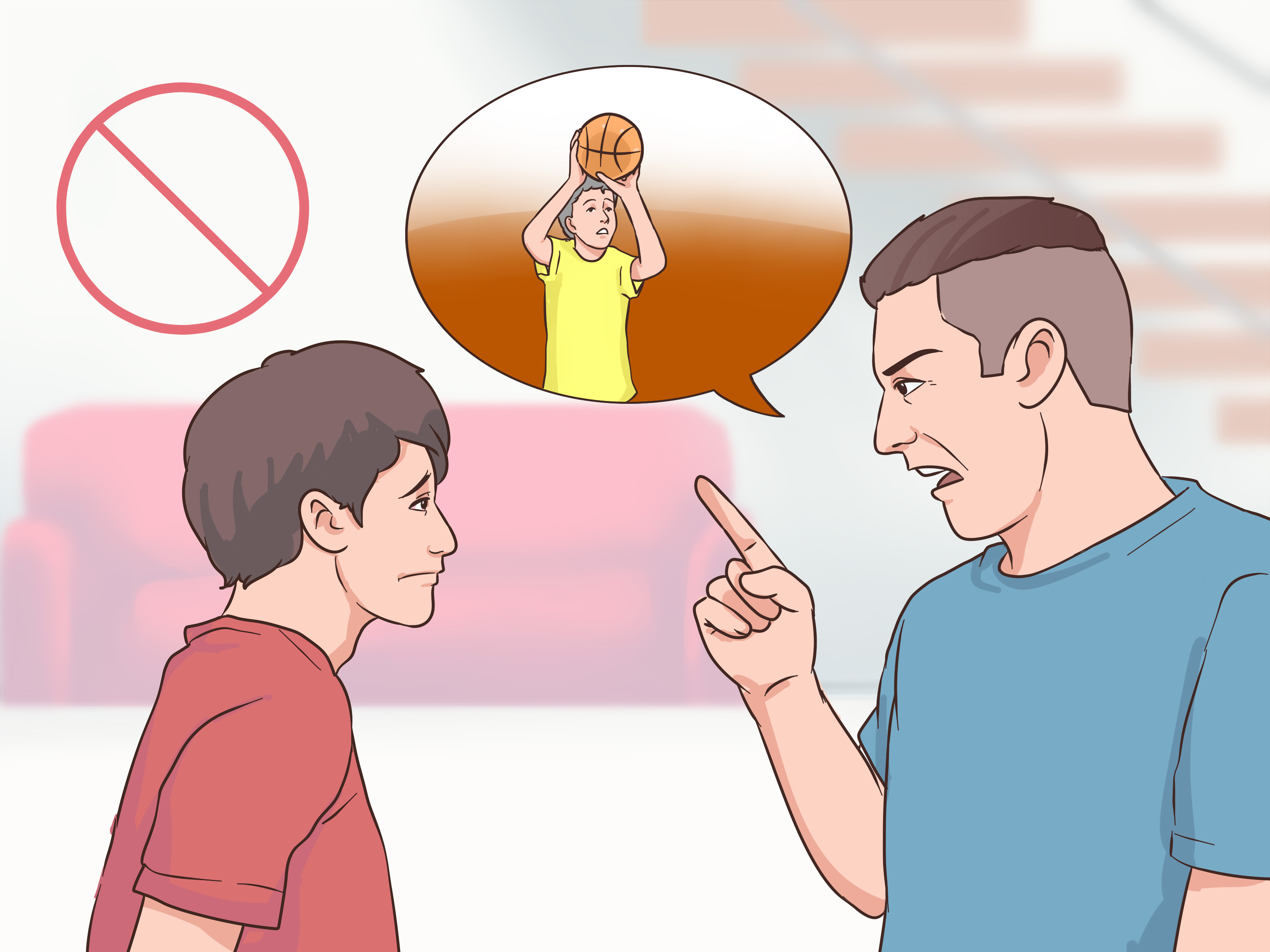
If there’s one universal truth about teens, it’s this: they’re wiring up for independence. That’s not “attitude”it’s development. So when you say,
“You need a hobby,” many teens hear, “Please let me control your free time.”
Use curiosity-first language
Instead of pitching hobbies like a salesperson with a quota, try questions that put your teen in the driver’s seat:
- “What do you wish you were better atjust for fun?”
- “What kind of stuff do you end up watching videos about over and over?”
- “If you could be ‘the person who’s good at’ one thing, what would it be?”
- “Do you want something social, something relaxing, or something that feels like a challenge?”
Then reflect what you hear. Teens don’t need you to be impressed; they need you to be interested. Interest is rocket fuel for motivation.
Give choices in small, concrete packages
“Find a hobby” is too big. It’s like telling someone, “Go pick a personality.” Make it small and doable:
- The 3-option rule: offer three specific ideas based on what they already like.
- The “two yeses and a maybe” list: two they’d try, one wildcard they’ll consider.
- The 14-day experiment: “Let’s test one thing for two weeks, then review like scientists.”
That last one works because it removes pressure. Teens don’t have to “commit.” They just have to try.
Normalize quitting (the right way)
A hobby isn’t a marriage contract. Many teens avoid hobbies because they fear picking “wrong” and being judged. Make this explicit:
“Trying things and dropping what doesn’t fit is part of how you figure out what you like. The goal isn’t perfectionit’s information.”
When quitting is allowed, starting becomes saferand starting is the hardest part.
2) Make Starting Ridiculously Easy
A teen’s interest can be real and still lose to friction. If the hobby requires a ride, money, supplies, a schedule, and social bravery… congratulations,
you’ve accidentally built a hobby obstacle course.
Lower the activation energy
Your role here is not “hobby manager.” It’s “friction remover.” For a first attempt, aim for:
- Low cost: free or cheap to start (borrow before you buy).
- Low logistics: minimal transportation or complicated sign-ups.
- Low embarrassment: beginner-friendly, low-pressure settings.
Examples:
- Borrow a guitar/ukulele from a friend or look for community/lending options before buying.
- Try one drop-in class (dance, martial arts, ceramics) instead of a season-long commitment.
- Start with a “starter kit” version: sketchbook + pencil, beginner crochet hook + yarn, or a used camera.
- Pick hobbies that can happen at home first, then expand outward once confidence grows.
Build a “two-minute setup”
Teens are more likely to repeat an activity when the setup doesn’t feel like assembling furniture with missing screws. Help them create a simple station:
- A dedicated basket for art supplies
- A small corner for workouts/stretching
- A charging spot and tripod for photography/video experiments
- A practice list taped near the instrument
When the tools are visible and ready, the hobby becomes an option in the momentrather than a project for “someday.”
Use community resources without making it weird
Many teens thrive with structured options: clubs, teams, lessons, volunteering, part-time jobs, makerspaces, libraries, and community centers. The key is
to present these as opportunities, not corrections.
Try: “Want me to pull a few local options and you pick one to test?” instead of “You need to get out more.”
3) Match the Hobby to What Your Teen Actually Needs Right Now
Not every hobby is about “being productive.” Sometimes a teen needs relief, confidence, friends, or a sense of identity. The best hobby is the one that
meets a real need in a way your teen finds enjoyable.
Start with the “why” behind the hobby
Ask which lane your teen wants right now:
- Social: something with people (sports, theater, debate, robotics club, volunteering)
- Calming: something that decompresses (baking, drawing, gaming with boundaries, yoga, reading)
- Mastery: something skill-based (coding, guitar, lifting, chess, language learning)
- Creative identity: something expressive (photography, fashion upcycling, music production, writing)
- Purpose: something that helps others (animal shelter, tutoring, community gardens)
When a hobby fits the emotional job your teen needs it to do, it stops feeling like “one more thing” and starts feeling like their thing.
Translate existing interests into hobby-shaped options
Teens already have interestseven if they look like “scrolling.” Your job is to convert passive interest into active skill:
- If they love music: try a beginner instrument, vocal lessons, beat-making, or playlist curation with themes.
- If they love games: try game design, coding, streaming with a creative angle, or joining an esports club.
- If they love sports highlights: try a rec league, strength training, or filming/editing sports clips.
- If they love fashion/beauty: try sewing, thrifting & upcycling, makeup artistry practice, or design sketching.
- If they love true crime/podcasts: try audio editing, journalism club, or writing investigative stories (fiction counts!).
You’re not “allowing screen time.” You’re helping them build a bridge from consumption to creation.
Don’t confuse “not interested” with “anxious”
Sometimes resistance isn’t lazinessit’s fear of being bad at something or being judged. In that case, start privately:
- Practice at home first
- Choose beginner-only classes
- Invite one supportive friend
- Set expectations: “Being bad at it is the price of entry.”
4) Praise the Processand Protect Time for It
Teens repeat what feels rewarding. That reward can be fun, pride, connection, or simply the relief of getting out of their own head. Your support can
strengthen that rewardif it focuses on the right thing.
Compliment effort, strategy, and follow-through
Be specific. “Good job” is nice, but it’s vague. Better:
- “I noticed you practiced even when it was frustrating. That’s real grit.”
- “You improved because you changed your approachnot because you magically got talented overnight.”
- “You stuck with it for two weeks. That’s the hardest part.”
This kind of feedback builds confidence without turning the hobby into a performance review.
Create a weekly rhythm (without making it a chore)
Most hobbies don’t fail because teens hate themthey fail because life is busy and the hobby never gets a protected slot. Try a simple rhythm:
- Two short sessions during the week (20–30 minutes)
- One longer session on the weekend (45–90 minutes)
Bonus points if your teen helps choose the time. Choice plus structure is the sweet spot.
Set screen boundaries that create space, not battles
Hobbies need oxygen. If every spare minute is swallowed by infinite scrolling, there’s no room for experimenting. Frame boundaries as balance:
- Create screen-free zones (like bedrooms at night or dinner)
- Agree on “offline first” blocks (homework → hobby → screens)
- Plan screen-free activities as a family (not as punishment)
The goal is not to demonize screens. It’s to make sure your teen’s brain gets other kinds of rewards too.
A Quick Hobby Menu (So You’re Not Staring at the Ceiling)
If your teen says, “I don’t know,” here are ideas that cover different personalities and comfort levels:
Creative
- Digital photography, photo walks, basic editing
- Sketching, journaling, comics, or calligraphy
- Music production, guitar/ukulele, singing
- Baking, cake decorating, or meal prep experiments
Active
- Strength training (with a safe beginner plan)
- Martial arts, climbing, dance, or yoga
- Skateboarding, biking, running, or hiking
Social
- Drama, improv, debate, Model UN
- Robotics, coding club, yearbook, student leadership
- Volunteering (animals, kids, community events)
Quiet + Skill-Building
- Chess, puzzles, or strategy board games
- Language learning with a real-world goal (songs, travel, friends)
- Drawing tutorials, crochet/knitting, simple woodworking
A Simple 2-Week “Hobby Experiment” Plan
If your teen is stuck in the “maybe later” loop, try this structured-but-not-annoying experiment:
- Pick one hobby to test (teen chooses from 3–5 options).
- Define the smallest version (20 minutes, beginner level, no pressure).
- Schedule 5 sessions in 14 days (two weekday sessions + one weekend session per week).
- Do a 10-minute debrief at the end of week 2:
- What part was fun?
- What part was annoying?
- Do you want to continue, change it, or try something else?
You’re teaching a life skill: how to explore interests intentionally. That matters even if the first hobby flops.
When a Lack of Interest Might Be Something Else
Sometimes a teen’s “I don’t care” is really “I’m overwhelmed,” “I’m anxious,” or “I’m down.” If your teen has a persistent loss of interest in
everything, major sleep changes, ongoing irritability, or withdrawal from friends and family, consider checking in more deeply and contacting a
qualified professional for guidance.
A hobby can support well-beingbut it’s not a substitute for mental health care when that’s what’s needed.
Conclusion: Your Job Is to Open Doors, Not Push Through Them
Encouraging a teenager to take up a hobby isn’t about “fixing” their free time. It’s about helping them find a healthy source of confidence, relief,
and identity. When you offer choices, make starting easy, match the hobby to what they truly need, and praise the process while protecting time,
you create the conditions where a hobby can take root.
And if your teen still shrugs and says, “I’ll think about it”? Congratulations. That means they heard you. In teen language, that’s basically a love letter.
Experience Notes: What This Looks Like in Real Life (About )
Below are a few composite, real-world-style scenarios based on common patterns families describe. They’re not about “perfect parenting”they’re about
what tends to work when the goal is a hobby your teen chooses and actually continues.
Scenario 1: The “Nothing Interests Me” Teen
A parent hears “Nothing interests me” and panicsthen responds with a dozen suggestions. The teen shuts down, because now it feels like an assignment.
What works better is narrowing the question. Instead of “What hobby do you want?” the parent asks, “Do you want something social, relaxing, or
challenging?” The teen picks “relaxing,” which leads to a low-pressure experiment: sketching while listening to music for 20 minutes, three times a week.
No big announcements. No Instagram-ready art. Just a private activity that lowers stress. Two weeks later, the teen asks for better pencils. That’s the
moment you know it’s becoming a real hobby: they’re investing in it themselves.
Scenario 2: The “I’m Too Busy” Teen
Many teens aren’t avoiding hobbiesthey’re drowning in school, sports, chores, and social expectations. A helpful parent doesn’t add a hobby “on top.”
They trade time. Together, they look at the week and carve out two small hobby slots by reducing something else: one less optional club meeting, a
slightly shorter screen block, or a more efficient homework routine. The hobby becomes a protected reset instead of another performance category.
The teen tries strength training with a simple beginner plan and tracks progress for fun. The parent praises consistency (“You showed up twice this week”)
rather than outcomes (“How much can you lift now?”). The hobby sticks because it fits the teen’s reality.
Scenario 3: The “I Don’t Want to Look Stupid” Teen
This teen secretly wants to try something, but fear is driving the bus. The parent’s best move is to lower the embarrassment factor: start at home,
start small, start privately. One teen who wanted to try dance practiced short tutorials at home first. After a couple of weeks, they felt confident
enough to invite a friend to a beginner class. The parent didn’t hover, didn’t film it, and didn’t turn it into a family story at dinner. They simply
helped with logistics and said, “Trying things takes courage.” That’s autonomy support with respectcatnip for teen motivation.
Scenario 4: The Screen-Locked Teen
Some families find the breakthrough isn’t “less screen time,” it’s “more interesting alternatives.” Instead of a daily battle, they agree on screen-free
zones and put an easy hobby option within reach: a basketball by the door, a guitar on a stand, a camera for weekend photo walks. The parent also joins
sometimesnot as a coach, but as a participant. The teen sees the hobby as something that belongs to normal life, not a punishment for being online.
Over time, the teen’s screen habits become more balanced because their brain has other rewarding loops to plug into.
The common thread in all these situations is simple: teens are more willing to explore when they feel respected, supported, and free to choose.
Your steady, low-pressure encouragement often matters more than the “perfect hobby.”