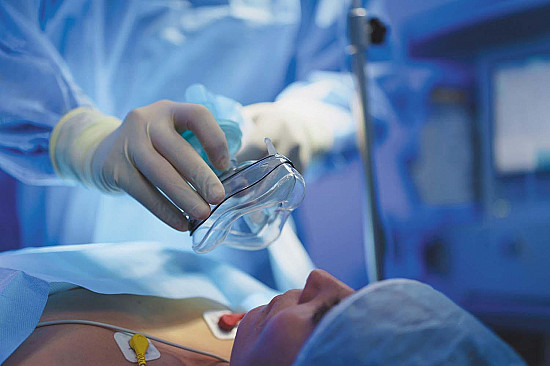
Anesthesia makes everything from a quick colonoscopy to mandurance contest. Modern anesthetic care is generally very safe, but “safe” does not mean identical for every patient. Your age, medical conditions, medications, previous reactions, and type of procedure all influence the anesthesia plan.
A useful framework highlighted by Harvard Health begins with four straightforward questions: What type of anesthesia will I receive? What are its risks? Could I develop postoperative delirium? And how should I prepare? Asking these questions is not being difficult. It is informed consent doing its joband it gives your anesthesia team information that may make the procedure and recovery smoother.
Why the Pre-Anesthesia Conversation Matters
Anesthesia is more than a medication that makes you sleepy. The anesthesia professional evaluates your health before the procedure, administers or supervises anesthetic drugs, monitors breathing and circulation, responds to changes during surgery, and helps manage pain and nausea afterward.
The best plan is therefore not simply “put the patient to sleep.” It is a customized strategy designed around the operation, your health, your preferences, and the safest way to control pain. Certain procedures may offer more than one reasonable option, while others require general anesthesia because of their complexity, length, or effect on breathing and movement.
Your medical history can also change what is safest. Sleep apnea, obesity, heart or lung disease, diabetes, kidney problems, smoking, pregnancy, frailty, and previous anesthesia complications may affect drug selection, airway management, postoperative monitoring, or whether additional testing is appropriate.
Question 1: What Kind of Anesthesia Will I Get, and Why?
Do not settle for hearing that you will receive “anesthesia.” Ask which type is planned, why it fits your procedure, how aware you are likely to be, and whether alternatives are reasonable.
Local anesthesia
Local anesthesia temporarily numbs a small area while you remain awake. It may be injected into the skin or applied as a cream, spray, or other topical treatment. It is commonly used for procedures such as skin biopsies, minor dental work, stitches, and removal of small skin growths.
Because only a limited area is treated, recovery is often quick. You may still feel pressure, pulling, or movement even though sharp pain should be blocked. Ask what sensations are normal and what to say if you become uncomfortable.
Regional anesthesia
Regional anesthesia blocks sensation in a larger part of the body. Examples include spinal anesthesia, epidural anesthesia, and peripheral nerve blocks used for an arm, leg, shoulder, or other region. You may remain fully awake or receive sedation to help you relax.
A regional technique may reduce the need for general anesthesia or opioid pain medicine in selected procedures. However, it has its own potential side effects, such as temporary weakness, low blood pressure, headache, bleeding, infection, or nerve injury. Serious complications are uncommon, but the relevant risks depend on the exact block and your health. tored anesthesia care and IV sedation
Monitored anesthesia care uses intravenous medications to reduce anxiety, discomfort, and awareness. Sedation can range from lightrelaxed but responsiveto deep, when you may sleep through most of the procedure and remember little afterward.
The phrase “twilight anesthesia” is often used casually, but it is not a precise medical level. Ask how deeply you are expected to be sedated, whether you will breathe on your own, and whether the team might convert to general anesthesia if the procedure changes.
General anesthesia
General anesthesia produces a controlled, sleep-like state in which you are unconscious and do not feel or remember the operation. Medicines may be given through an IV, inhaled as gases, or combined. The anesthesia professional continually monitors oxygen levels, breathing, blood pressure, heart rhythm, temperature, and other vital functions. A breathing device or tube may be used to support and protect your airway.
General anesthesia is often necessary for long, invasive, or complex operations. It is not automatically “better” or “worse” than regional anesthesia; it is simply a different tool. The right question is which approach offers the best balance of safety, surgical conditions, pain control, and recovery for you. ful follow-up questions
- Will I be awake, lightly sedated, deeply sedated, or unconscious?
- Will I need a breathing tube or another airway device?
- Could a nerve block improve pain control after surgery?
- Are there realistic alternatives to the proposed technique?
- Who will administer and monitor my anesthesia?
Question 2: What Are My Personal Anesthesia Risks?
A generic list of side effects is less useful than a discussion of your individual risk. Ask, “Which complications are most relevant to me, and what are you doing to reduce them?”
Temporary effects may include grogginess, chills, sore throat, dizziness, itching, headache, low blood pressure, or nausea and vomiting. The probability of each effect varies with the anesthetic technique, type of operation, medications used, and your personal history. Serious breathing, cardiovascular, neurological, or allergic complications are possible but uncommon in routine care.
Information your anesthesia team needs
Bring a complete list of prescription drugs, over-the-counter products, vitamins, herbal products, and supplements. Mention allergies and describe exactly what happened during any previous reaction. “I am allergic to anesthesia” is less useful than “I developed hives and wheezing after my last operation.” Details help the team distinguish a true allergy from expected effects such as nausea or sleepiness.
Also disclose tobacco, vaping, cannabis, alcohol, opioids, stimulants, and other substances. The conversation is about safe dosing and recovery, not about collecting material for a courtroom drama. These substances may affect anesthetic requirements, breathing, heart rate, nausea, pain control, and withdrawal risk. itions that deserve special attention
- Sleep apnea or heavy snoring: Sedatives, anesthetics, and opioid pain medicines can further relax the airway and slow breathing.
- Heart or lung disease: These conditions may affect monitoring, medication choices, and postoperative observation.
- Diabetes: Fasting and changes to diabetes medicines require individualized planning.
- Kidney or liver disease: These organs help process many drugs and may influence dosing.
- Blood-thinning medication: Anticoagulants and antiplatelet drugs can affect bleeding risk, particularly with spinal or epidural procedures.
- Previous difficult airway: Tell the team if you have previously been told that placing a breathing tube was challenging.
- Family reactions: Report serious anesthesia problems experienced by close relatives, especially unexplained high fever, severe muscle rigidity, or emergency treatment during surgery.
Ask about nausea before it happens
People who have experienced postoperative nausea, motion sickness, or severe nausea during a previous procedure should say so. The anesthesia team can often use a combination of preventive medicines and adjust the anesthetic plan. Nobody earns a medal for quietly hoping the recovery room ceiling will stop spinning.
Ask how pain will be controlled as well. A multimodal plan may combine acetaminophen, anti-inflammatory medicine when appropriate, local anesthetic, regional blocks, and limited opioid medication. The objective is not necessarily zero pain; it is manageable pain with acceptable side effects and enough comfort to breathe deeply, move, sleep, and recover.
Question 3: Am I at Risk for Delirium or Thinking Problems?
Postoperative delirium is a sudden change in attention, awareness, and thinking that can appear within hours or days after surgery. A person may become restless and agitated, unusually sleepy and withdrawn, or fluctuate between the two. Delirium is different from dementia, although people with dementia or mild cognitive impairment are more vulnerable.
Risk tends to be higher in older adults and in people with frailty, poor nutrition, sleep problems, multiple medical conditions, sensory impairment, heavy alcohol use, previous delirium, or existing cognitive changes. The operation, illness, pain, medications, inflammation, sleep disruption, dehydration, and unfamiliar hospital environment may all contribute. It is overly simplistic to blame a single anesthetic drug. tions to ask about brain health
- Should I have a cognitive or frailty assessment before surgery?
- Have any of my medications been associated with confusion in older adults?
- Can sedating medications be minimized when medically appropriate?
- How will pain be treated without causing excessive sleepiness?
- What delirium-prevention practices does the hospital use?
Practical ways to reduce risk
No single intervention eliminates delirium, but a coordinated plan may help. Useful measures can include maintaining hydration and nutrition as permitted, treating pain, encouraging safe early movement, promoting nighttime sleep, avoiding unnecessary sedating medications, and quickly addressing infection, low oxygen, constipation, or urinary retention.
After surgery, glasses, hearing aids, dentures, familiar voices, clocks, daylight, and calm reminders can help keep an older patient oriented. A family member should tell staff promptly if the patient suddenly seems “not like themselves,” even if the change looks like unusual quietness rather than dramatic agitation.
Some anesthesia teams use brain-wave monitoring during selected procedures to help assess anesthetic depth. It may contribute to individualized dosing, but it is only one component of delirium prevention and is not a guarantee against postoperative confusion.
Question 4: How Should I Prepare for Anesthesia and Recovery?
Preparation instructions are not ceremonial suggestions. They are part of the safety plan. Ask for written directions and confirm anything that is unclear.
Follow your specific fasting instructions
Food or liquid remaining in the stomach may enter the lungs when protective airway reflexes are reduced by deep sedation or general anesthesia. This complication, called aspiration, can cause serious lung injury.
Fasting rules vary according to the procedure, your health, and what you consume. Some patients may be allowed certain clear liquids closer to the procedure, while solid food generally requires a longer fasting period. Do not rely on a friend’s instructions from a different hospital, an old handout, or the heroic theory that one tiny breakfast sandwich “doesn’t count.” Follow the exact times supplied by your own surgical and anesthesia teams. medication instructions in writing
Do not independently stop an important prescription simply because surgery is approaching. Some medicines should be continued, some require temporary adjustment, and others must be handled through a coordinated plan.
Ask specifically about blood thinners, insulin, oral diabetes medicines, blood pressure drugs, diuretics, herbal supplements, erectile dysfunction medicines, and medications used for pain, anxiety, or sleep.
GLP-1 medicines used for diabetes or weight management deserve an explicit conversation because they can delay stomach emptying in some patients. Current multisociety guidance says most patients can continue these drugs before elective surgery, while people at higher risk of significant gastrointestinal effects may need additional precautions, such as dietary changes, altered timing, or occasionally postponement. Decisions should involve the anesthesiologist, surgeon, and prescribing clinician rather than a one-size-fits-all internet rule. the trip home and the first night
After sedation or general anesthesia, reaction time, balance, and judgment may remain impaired even when you feel surprisingly normal. Arrange for a responsible adult to drive you home when required. Follow the facility’s rules about whether someone must remain with you afterward.
Ask when you may eat, drink, shower, exercise, return to work, drive, sign important documents, or restart medications. Know whom to call for severe pain, persistent vomiting, breathing trouble, chest pain, worsening confusion, heavy bleeding, fever, or another concerning symptom.
Bring a compact anesthesia information sheet
A one-page summary can include:
- Your diagnoses and previous operations.
- All medications and supplements, including doses.
- Drug, food, adhesive, and latex allergies.
- Previous nausea, difficult airway, slow awakening, delirium, or other complications.
- Sleep apnea diagnosis and use of a CPAP machine.
- Emergency contact information.
- Your four most important questions.
Common Patient Experiences: What These Questions Look Like in Real Life
The following are composite educational scenarios based on common perioperative situations. They do not describe identifiable patients.
Experience 1: “I thought sedation meant I would be completely unconscious”
A patient scheduled for a colonoscopy is told that IV sedation will be used. She assumes this is identical to general anesthesia and becomes anxious about having a breathing tube. During the pre-procedure conversation, the anesthesia professional explains that the intended plan is monitored sedation, that she will probably sleep through most of the procedure, and that she is expected to continue breathing without a breathing tube.
The team also explains that sedation depth can change and that airway support is always available if needed. The patient’s fear decreasesnot because every possibility disappears, but because vague words have been replaced with a concrete plan. Her useful question was not merely, “Will I be asleep?” It was, “How deep will the sedation be, how will you support my breathing, and what might cause the plan to change?”
Experience 2: A daughter mentions confusion after a previous operation
An older man preparing for joint replacement reports that his last surgery was “fine.” His daughter remembers something different: he became disoriented at night, tried to remove his IV, and remained unusually sleepy for several days. That detail changes the preoperative discussion.
The team documents previous postoperative delirium, reviews his medications, considers his baseline memory and hearing, and discusses strategies for orientation, sleep, pain control, hydration, and early mobility. His daughter plans to bring his glasses and hearing aids and to alert staff quickly if his behavior changes.
The lesson is simple: family observations matter. Patients may not remember delirium clearly, and a previous episode is important information. Asking about cognitive risk before surgery gives everyone time to prepare instead of reacting after confusion has already appeared.
Experience 3: The medication list reveals a hidden anesthesia issue
A patient says he takes “just two pills,” but his complete list includes a weekly GLP-1 injection, an herbal sleep product, occasional cannabis gummies, and an over-the-counter pain reliever. None of this automatically cancels surgery. It does, however, require a more useful conversation than “Are you taking any medications?”
The anesthesia professional asks about gastrointestinal symptoms, timing of the last injection, cannabis frequency, and the ingredients in the supplement. The patient receives individualized fasting and medication directions. Most importantly, he does not stop his diabetes treatment based on outdated advice from a social media post.
A brown bag containing medication bottlesor a clear phone list with names, doses, and schedulescan prevent forgotten details. “Natural,” “occasional,” and “nonprescription” do not mean irrelevant to anesthesia.
Experience 4: Prior nausea leads to a better recovery plan
A woman scheduled for outpatient surgery remembers vomiting repeatedly after an operation years earlier. She nearly decides not to mention it because nausea seems minor compared with the surgery itself. Instead, she tells the anesthesia team about that reaction and her lifelong motion sickness.
The team recognizes that she may have a higher risk of postoperative nausea and incorporates preventive medication and other adjustments into the plan. She also receives clear instructions about fluids, food, and what to do if vomiting continues at home.
The broader point is that a previous unpleasant recovery is not merely bad luck to be endured again. Many side effects can be anticipated and managed more effectively when the anesthesia team knows your history in advance.
Final Takeaway
Before anesthesia, ask what type you will receive, why it is recommended, which risks matter most for you, whether delirium or cognitive problems deserve special planning, and exactly how to prepare. Then share your full medical historyincluding the details you worry may sound embarrassing or unimportant.
Anesthesia professionals cannot promise a perfectly symptom-free experience, but they can plan far more effectively when they have accurate information. A five-minute conversation about sleep apnea, previous nausea, medications, or postoperative confusion may be more valuable than hours spent reading frightening stories online.
Bring written questions, take notes, and ask for clarification when medical language becomes foggy. The goal is not to memorize anesthesiology. It is to understand the plan well enough to participate confidently in your own care.