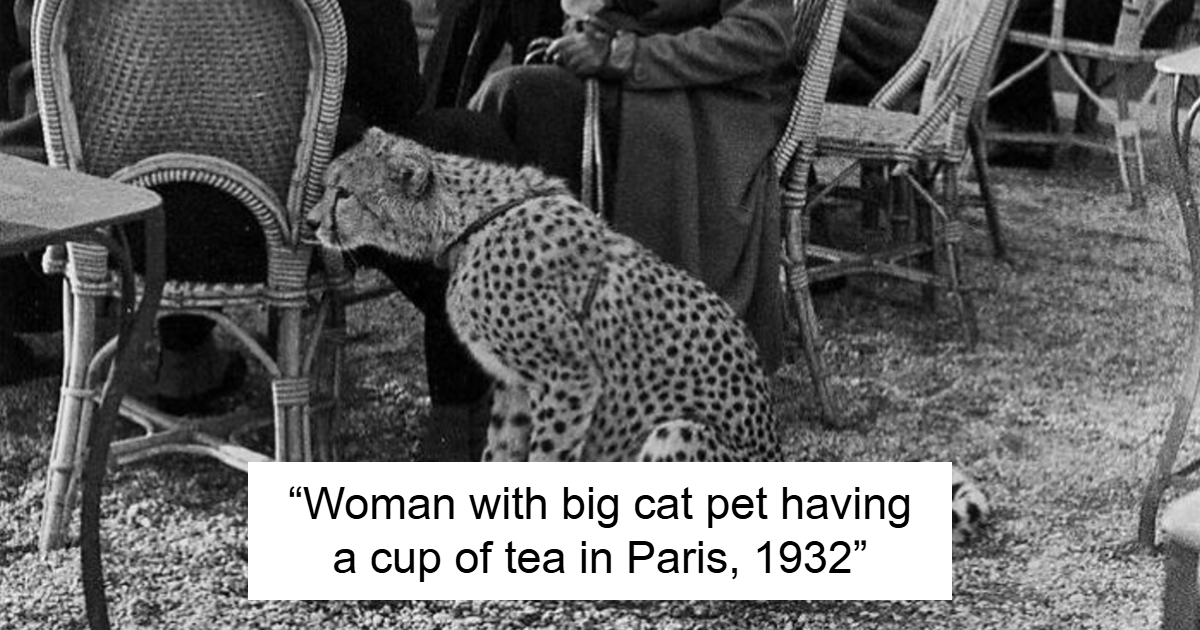
Long before pet parents bought orthopedic beds, subscription snack boxes, and tiny reflective raincoats, families were already making room for animals in the most important place imaginable: the family photograph. Vintage pet photos show dogs beside babies, cats occupying the best chair, ponies on front lawns, and birds appearing in portraits as if they had paid the photographer.
These images are more than cute historical curiosities. They record affection, trust, work, play, and companionship. American museums, presidential libraries, historic sites, and government archives preserve countless photographs in which animals are not background decoration. They are participants in family life, military communities, farms, vacations, studios, and celebrations.
Why Vintage Pet Photos Feel So Modern
The clothing changes, the furniture gets heavier, and cameras evolve from formal studio equipment to handheld snapshot machines. Yet the emotional grammar remains familiar: a child rests a hand on a dog’s head, a cat refuses to face the camera, and an adult smiles more naturally at an animal than at the photographer.
Dogs have lived alongside humans for thousands of years, while cats gradually moved from practical pest control into domestic companionship. Photography made those bonds visible to later generations. Calling a pet “family” is not a social-media invention. It is an old habit with better hashtags today.
30 Beautiful Vintage Photos of Pets as Family
1. The Dog Beside the Baby Carriage
A large dog sits beside an elaborate baby carriage, alert but relaxed. The adults arranged the portrait, but the dog appears to have assigned itself three jobs: security chief, nap supervisor, and crumb-removal specialist.
2. The Cat in the Formal Family Portrait
Everyone is dressed for the studio except the cat, who arrives wearing timeless fur. Held carefully by a child, it looks mildly inconvenienced but completely included. Nothing says family like attending a photograph you never agreed to.
3. Abraham Lincoln’s Beloved Fido
Fido, the Lincoln family’s yellow mixed-breed dog, followed Lincoln around Springfield and reportedly disliked loud noises. Historic accounts describe a household where animals were sheltered, fed, petted, and lovedpresidential status not required.
4. Children Sharing a Porch Step With Their Dog
Three children squeeze onto a wooden porch while their dog settles in front. Bare feet and relaxed faces make the picture intimate. The dog is not posed like property; it is positioned like the sibling most likely to behave.
5. A Farm Dog Riding in the Wagon
A dog rides beside the family among tools and baskets. Farm dogs often worked, but usefulness did not cancel affection. The same animal could herd livestock in the morning and receive embarrassing baby talk by supper.
6. The Girl With Her Pet Rabbit
A young girl supports a rabbit carefully against her chest. Small pets helped children practice gentleness, responsibility, and the difficult art of sitting still for longer than twelve seconds.
7. The Victorian Lady and Her Lapdog
A formally dressed woman sits upright while a tiny dog occupies her lap. The contrast is irresistible: serious expression, elaborate clothing, ridiculous little face. No portrait accessory has ever improved a photograph more efficiently.
8. The Dog in the Smithsonian Gallery
An 1865 photograph preserved by the Smithsonian shows a dog inside the institution’s Castle. Whether it belonged to staff or wandered in remains unclear. Either way, dogs have ignored “employees only” energy for generations.
9. Brothers With a Backyard Goat
Two boys stand proudly beside a goatcompanion, lawn equipment, and minor criminal. Vintage family collections include unconventional pets because domestic life was closer to barns, gardens, and working animals.
10. The Cat Asleep on the Good Quilt
A handmade quilt covers the bed, and a cat occupies its exact center. The photographer may have intended to document the room, but the cat understood the true assignment: improve the composition and add hair.
11. A Soldier Holding a Regimental Mascot
World War I photographs show soldiers posing with animal mascots that offered comfort and morale. Some also carried messages or supplies. The most moving scenes are simple: a tired person holding a familiar creature far from home.
12. The Family Dog at a Picnic
A blanket, glass bottles, carefully packed food, and one dog staring at the sandwiches with professional concentrationthis could be 1925 or last Saturday. Pets joined family fun, especially when lunch was involved.
13. A Boy Reading Beside His Collie
The child disappears into a book while the collie rests nearby. Dogs do not interrupt to ask what chapter you are reading. They simply remain present, which may be why reading with them feels peaceful.
14. The Porch Cat Who Owns the House
A cat sits above the family on a porch rail like a small, judgmental landlord. Humans may hold the deed, but cats have always controlled the best locations within the property.
15. Theodore Roosevelt’s Family Menagerie
The Roosevelt family kept dogs, birds, ponies, guinea pigs, and more unusual animals. Their photographs show pets woven into childhood and public life. Running the country may have been easier than counting every pet.
16. A Child Hugging a Patient Horse
A horse lowers its head while a child embraces its face. Horses worked, carried, and taught, but they also comforted. Children did not divide usefulness from love, especially when a hug was available.
17. The Seaside Dog With the Family
A family stands near the surf while the dog appears thrilled by everything. Beach fashions change; dog behavior does not. It runs into the water, returns sandy, and shakes beside the cleanest person.
18. The Pet Canary in a Sunny Window
A birdcage hangs near a bright window with family members gathered close. Pet birds brought movement and music into homes before recorded entertainment became common. Small body, major household presence.
19. Artists Relaxing With Their Dogs
The Smithsonian’s Archives of American Art preserves many photographs of artists with dogs in studios and homes. A dog can soften even an intimidating creative genius by reminding viewers that someone still expects dinner at five.
20. The Cat on a Shop Counter
A shopkeeper stands behind the counter while a cat sits beside the register, apparently employed in customer relations. It may contribute nothing to bookkeeping and everything to repeat business.
21. The Hoover Family’s Crowded Animal Household
Herbert Hoover once described a household containing boys, a dog, cats, goldfish, a canary, frogs, chickens, turtles, and a rabbit. That sounds less like a residence and more like a very polite zoo.
22. A World War II Serviceman Napping With a Dog
National Archives photographs show working dogs and mascots sharing difficult conditions with service members. A soldier resting while a dog remains nearby needs no dramatic caption. The trust is visible.
23. The Family Posing With a Pony
A pony stands before the house while children gather around in their best clothes. With no digital retouching available, any blink, sneeze, or hat-eating incident simply became history.
24. The Dog at the Wedding
A newly married couple poses with a dog between them. The animal may not understand marriage, but it recognizes its people. Including it makes the new family unit visible.
25. Grace Coolidge Holding Rebecca the Raccoon
First Lady Grace Coolidge was photographed holding Rebecca, the family’s pet raccoon. The image is charming and surprising. Modern viewers should admire the photograph, not necessarily recreate it in their living rooms.
26. The Child and Dog in Winter
A bundled child stands beside a shaggy dog in the snow. Both look round, serious, and slightly offended by the weather. Their matching body language makes the photograph feel instantly familiar.
27. The Cat Beside the Christmas Tree
A decorated tree rises behind the family while the cat sits dangerously close to the ornaments. The photograph captures the optimism of people who believed the tree would remain standing.
28. Presidential Children Playing With Pets
Presidential archives preserve children with dogs, cats, ponies, hamsters, and birds. These pictures replace ceremony with ordinary affection. A child laughing with a pet looks the same at the White House as on any neighborhood lawn.
29. The Elderly Man and His Old Dog
An older man sits outside with a gray-muzzled dog at his feet. Their stillness suggests years of walks, meals, waiting, and weather. It is companionship after novelty has faded.
30. The Imperfect Snapshot That Says Everything
The image is crooked. The dog moves, the cat leaves, and a child laughs. Technically, it is a mess. Emotionally, it is perfect. Family life never holds still, especially when pets are included.
What These Vintage Pet Photos Teach Us
Written records often emphasize ownership, breeding, work, or animal control. Photographs reveal something less official: touch. A hand rests on a dog’s shoulder. A child presses a cheek against a rabbit. A cat sleeps close enough to be included in a portrait. These gestures preserve emotional relationships that formal documents may overlook.
The category of “pet” was never perfectly tidy. Some animals worked and were loved. Some lived outdoors but remained central to family life. Others were ponies, goats, birds, or creatures that would make a modern veterinarian take a long, thoughtful breath. Practical value and affection often existed together.
Standards of care also evolved. The ASPCA’s founding in 1866 marked an important step in the organized American movement against cruelty, while veterinary education later gave greater attention to the human-animal bond. Old photos deserve warmth and context: affection was real, but medical knowledge and responsible-care practices continued to improve.
Personal Experiences: Why Old Pet Photos Hit So Hard
The most powerful experience of viewing vintage pet photos is the sudden collapse of time. At first, you notice stiff collars, lace dresses, wooden porches, military uniforms, antique strollers, and wallpaper bold enough to start an argument. Then you notice the animal, and the historical distance disappears.
A dog’s sideways glance feels recognizable. A cat’s refusal to cooperate feels suspiciously current. A child hugging an animal too tightly resembles every child who loved first and learned proper technique later. We may not know the people’s names, but we understand why the pet was invited into the frame.
Anyone who has sorted through a box of family photographs knows this feeling. The most memorable image is rarely the most polished. It is the one where Grandpa’s dog leans against his leg, an aunt laughs because the puppy escaped, or the family cat appears in six consecutive holidays without facing the camera. Animals become markers of time. Families say, “That was when we had Rusty,” or “This must have been before Daisy got old.” A pet becomes part of the calendar.
Vintage pictures can make loss feel unexpectedly close. Those people worried when their animals were sick, searched when they wandered, and eventually missed them. The photograph outlives the relationship, preserving a few seconds when everyone was still together.
There is humor in that survival, too. A century-old terrier still looks capable of stealing a roast. A solemn studio cat appears to be planning an exit. A goat beside well-dressed children suggests that chaos began immediately after the shutter clicked. Pets puncture the formality of historical photography and reveal people as peoplenot monuments, but families trying to get one decent picture.
This is why vintage pet galleries work so well online. They offer nostalgia without requiring personal memory. Viewers borrow the warmth of another family’s moment and recognize their own lives inside it. The furniture is different, but the companionship is familiar. The camera is slower, but the affection is instant.
They may also encourage us to take better photographs nownot technically better, but more meaningful ones. Include the old dog sleeping under the table. Capture the cat in its favorite window. Photograph the rabbit beside the child who feeds it each morning. Do not wait for perfect lighting, grooming, or behavior. History shows that imperfect pet pictures often become the treasures families keep longest.
These thirty scenes prove a simple point: pets were not waiting for modern culture to promote them into the family. They were already thereon the porch, in the wagon, beside the soldier, near the crib, under the Christmas tree, and directly in the middle of the best quilt.
Conclusion
Beautiful vintage pet photos preserve more than antique rooms and old fashions. They show animals creating comfort, comedy, routine, and connection across generations. The photographs feel timeless because the central emotion has not changed. We still make room for pets in our homes, celebrations, worries, and picturesalthough today’s pets enjoy faster cameras and considerably more expensive snacks.
Note: This article presents a thematic, historically grounded gallery narrative. Before pairing it with specific archival images, verify every photograph’s date, caption, credit line, and publication rights with the holding institution.