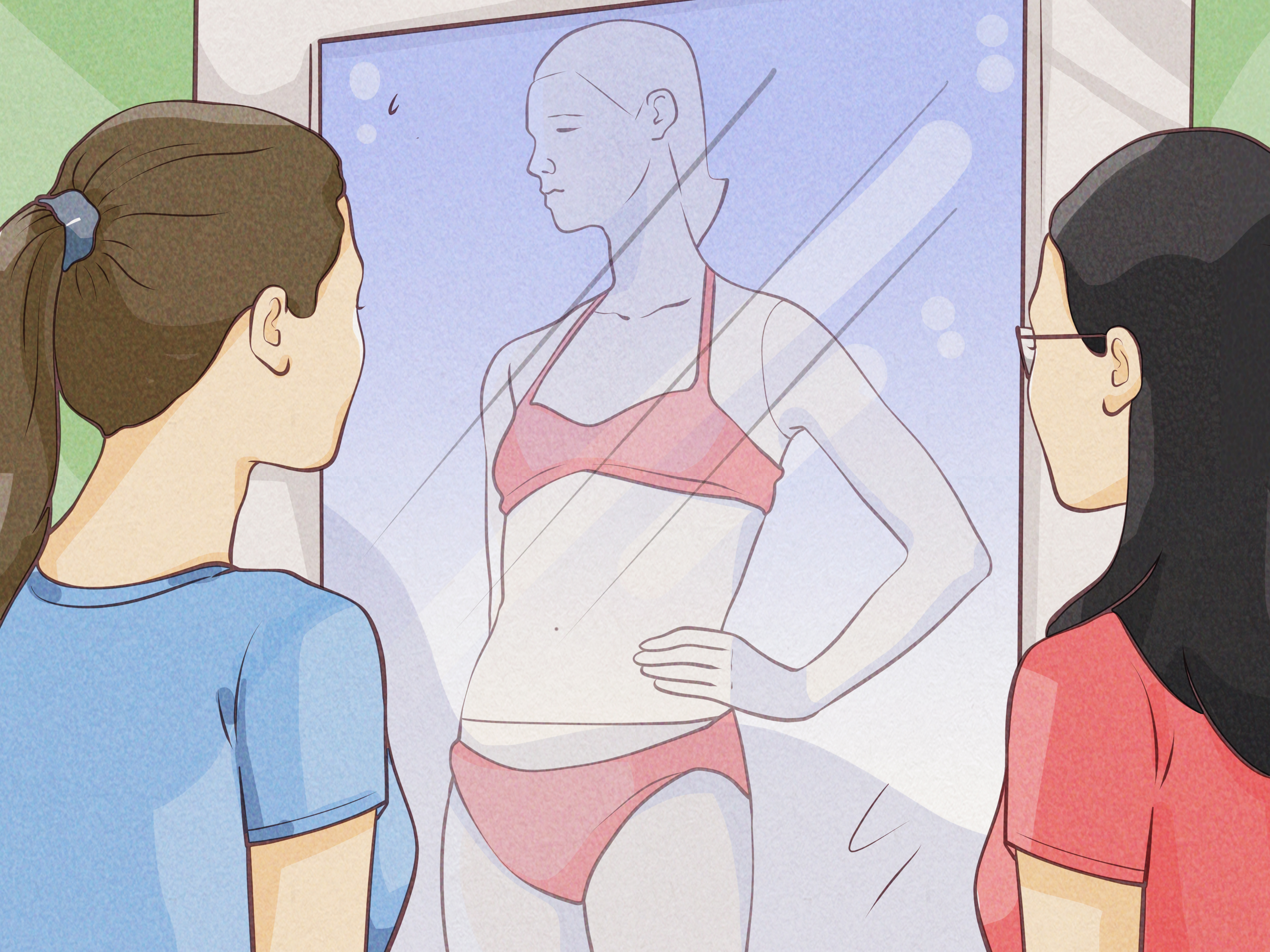
Note: This article is written for web publishing and is based on real, reputable guidance around swimwear fit, body image, confidence, comfort, and sun safety. It focuses on feeling good in your body without promoting unrealistic beauty standards.
Wearing a bikini confidently is not about having a so-called “perfect bikini body.” Good news: that imaginary membership card was never required. Confidence at the beach, pool, lake, or backyard sprinkler session is built from three practical things: a bikini that fits your real body, styling choices that make you feel prepared, and a mindset that lets you enjoy the moment instead of auditioning for approval from strangers holding melting popsicles.
The best bikini confidence tips are not about shrinking, hiding, or comparing yourself to someone else’s vacation photo. They are about choosing comfort, support, movement, color, sun protection, and self-respect. Whether you love a sporty triangle top, a high-waisted bikini bottom, a bandeau, a halter, or a mix-and-match set that looks like it was assembled by a cheerful beach goblin with excellent taste, the goal is simple: wear the suit, enjoy the day, and stop treating your body like a public debate.
Below are three realistic ways to wear a bikini confidently, plus an experience-based section at the end with extra tips you can actually use before your next swim day.
1. Choose a Bikini That Fits Your Body and Your Plans
Confidence starts before you even leave the house. The right bikini should feel secure, comfortable, and aligned with what you plan to do. A bikini for lounging by a hotel pool might not need the same support as one for paddleboarding, beach volleyball, chasing kids through waves, or pretending you are “just going to dip your toes in” before fully falling into the ocean.
Fit Comes First, Size Tag Comes Last
One of the biggest mistakes people make when shopping for bikinis is treating the size tag like a personality test. It is not. Swimwear sizing is famously inconsistent. One brand’s medium can feel like another brand’s “please hold your breath forever.” Instead of obsessing over the number or letter, pay attention to how the bikini behaves on your body.
A well-fitting bikini top should stay in place without digging into your shoulders, ribs, neck, or back. If the straps leave sharp marks, the band rolls, or the cups shift every time you move, that is not a confidence problem; that is a design problem. Bikini bottoms should feel secure without pinching, sliding, sagging, or demanding constant negotiations every time you stand up.
Try moving around before buying or wearing a bikini in public. Raise your arms. Sit down. Bend forward. Walk across the room. If possible, do a few swim-like movements. You do not need to perform an Olympic routine in the dressing room, but a simple “will this stay put when I exist?” test can save you from spending the whole day adjusting your suit like it is a suspicious Wi-Fi signal.
Mix and Match for a Better Fit
Many people are not the same size on top and bottom, which is completely normal. Mix-and-match bikini sets are a confidence gift because they let you choose the size, cut, and support that actually work for you. You might prefer a structured top with a high-rise bottom, a bralette-style top with tie-side bottoms, or a sporty crop top with fuller-coverage bottoms.
If you want more bust support, look for features such as adjustable straps, secure bands, molded cups, underwire, wider straps, or cup-sized bikini tops. If you want more flexibility at the hips, tie-side or adjustable bottoms can help you customize the fit. If you like extra coverage, high-waisted bottoms, boyshort cuts, skirted bottoms, or longline bikini tops can offer comfort while still keeping the bikini look.
The point is not to “fix” your body. The point is to stop forcing your body into a swimsuit that was apparently designed for a mannequin who never sits down.
Choose Fabric That Moves With You
Swimwear fabric matters. A good bikini should stretch, recover, dry reasonably well, and keep its shape after water, sunscreen, salt, chlorine, and a full afternoon of beach snacks. Look for suits that feel supportive but not restrictive. If a bikini feels uncomfortable when dry, it probably will not become magically more comfortable after swimming.
For active beach days, sporty bikini tops, racerback cuts, high-neck styles, and secure bands can make a big difference. For relaxed days, softer fabrics, textured materials, or adjustable details may feel better. The more your bikini matches your actual plans, the less mental energy you spend worrying about it.
2. Style Your Bikini Like a Complete Outfit
A bikini does not have to stand alone like it is giving a nervous presentation. Styling can help you feel polished, comfortable, protected, and ready for whatever the day brings. Think of your bikini as the base layer of a beach outfit, not the entire assignment.
Add Layers That Make You Feel Comfortable
Cover-ups are not signs of insecurity. They are practical, stylish, and deeply useful when walking from the car to the beach, grabbing food, sitting in the shade, or realizing the pool chair is approximately the temperature of a pizza oven.
Try a breezy linen shirt, sarong, crochet cover-up, oversized button-down, wrap skirt, lightweight pants, kaftan, rash guard, or swim shorts. These pieces let you control how much coverage you want throughout the day. Confidence often comes from options. You can wear the bikini when you want, layer up when you want, and change the vibe without changing your body.
A matching cover-up can make your bikini feel intentional and styled. A white shirt over a colorful bikini looks classic. A printed sarong can add personality. A black bikini with gold hoops and a wide-brim hat can feel sleek without trying too hard. A bright bikini with a loose denim shirt can feel playful and easy. Choose the version that feels like you.
Use Color and Pattern to Express Your Mood
Color can change how you feel. Some people feel powerful in black, navy, or deep green. Others feel happiest in coral, turquoise, yellow, hot pink, or tropical prints that announce, “Yes, I came here to enjoy myself.” There is no universal best bikini color. The best one is the color you keep reaching for.
Patterns can also be fun. Florals, stripes, gingham, animal prints, color blocking, and abstract designs all create different moods. If you are new to bikinis, you might start with a solid color and add a patterned cover-up. If you already love bold style, go for the print that makes you smile before you even put on sandals.
Do not underestimate small styling details: sunglasses, a comfortable hat, waterproof sandals, a beach tote, a claw clip, simple jewelry, or a bright towel can make the entire look feel more finished. Confidence loves preparation.
Protect Your Skin Without Killing the Outfit
Sun protection is part of bikini confidence because sunburn is not a cute accessory. Use a broad-spectrum sunscreen, apply it before going outside, and reapply regularly, especially after swimming or sweating. Water-resistant sunscreen is helpful for beach and pool days, but it still needs to be reapplied according to the label.
Do not forget easy-to-miss spots like ears, tops of feet, the back of the neck, shoulders, hairline, and areas near bikini straps. A wide-brim hat, sunglasses, shade, and UPF clothing or rash guards can also help. Looking confident is easier when you are not glowing red like a decorative lobster by sunset.
Pack a small beach kit: sunscreen, lip balm with SPF, water, a cover-up, a towel, hair tie, blotting papers, a small snack, and a backup bag for wet clothes. Feeling prepared reduces anxiety. It is hard to spiral about your bikini when you are busy being the responsible friend who remembered snacks.
3. Build a Bikini-Confidence Mindset
The third way to wear a bikini confidently has nothing to do with the bikini. It is about your internal conversation. Many people put on swimwear and suddenly become extremely rude to themselves. They would never speak that way to a friend, a sibling, a partner, or even a mildly annoying neighbor. Yet somehow, in front of a mirror, the brain becomes a tiny critic with a clipboard.
Practice Body Neutrality
You do not have to wake up every day and declare that you love every inch of your body. That can feel unrealistic, especially if body confidence has been difficult for you. Body neutrality can be a gentler starting point. Instead of forcing yourself to feel amazing, try shifting attention from how your body looks to what your body lets you do.
Your body carries you to the beach. It lets you swim, laugh, stretch, float, eat fruit in the sun, walk along the water, play with your dog, hug your friends, and feel the breeze. That matters more than whether your stomach looks a certain way when you sit down. Spoiler: stomachs fold when people sit. That is not a scandal; that is anatomy.
Try replacing critical thoughts with neutral ones. Instead of “I look bad in this,” say, “This bikini fits, and I am allowed to enjoy the day.” Instead of “Everyone is looking at me,” say, “Most people are thinking about themselves, their sunscreen, or whether they brought enough ice.” Instead of “I need to change my body first,” say, “I can participate in my life right now.”
Stop Comparing Your Real Body to Edited Images
Social media can be fun, but it can also turn bikini confidence into a comparison trap. Online images are often posed, filtered, edited, carefully lit, and selected from dozens of takes. Your real beach day will involve wind, sand, uneven towels, snack crumbs, weird tan lines, and at least one photo where your face looks like you just heard thunder. That does not mean you are doing it wrong. It means you are alive.
Before a beach trip, consider curating your feed. Follow creators who show realistic bodies, joyful movement, diverse swimwear styles, and relaxed summer moments. Mute accounts that make you feel like your body is a project that must be constantly improved. Your attention is valuable. Spend it where it supports you.
Use Posture, Breath, and Presence
Confidence often shows up physically before it feels emotional. Stand comfortably tall, relax your shoulders, breathe deeply, and let your arms rest naturally. You do not need to pose like a magazine cover. You just need to stop shrinking.
When you feel self-conscious, bring your attention back to the moment. Notice the water temperature, the sound of waves, the smell of sunscreen, the taste of cold fruit, or the feeling of warm sand under your feet. This grounds you in the experience instead of trapping you in mental commentary.
Also, choose your company wisely. Spend beach days with people who make you feel relaxed, not judged. A supportive friend group can make a bikini feel like normal clothing instead of a major life event. The right people will care more about whether you are having fun than whether your swimsuit matches some imaginary standard.
Common Bikini Confidence Mistakes to Avoid
Buying a Bikini That Is Too Small “For Motivation”
Please do not buy swimwear as punishment, pressure, or a future fantasy. Buy a bikini that fits the body you have today. You deserve comfort now, not after meeting some random condition invented by diet culture and bad dressing room lighting.
Waiting Until the Last Minute
Trying on swimwear the night before a trip can turn even a calm person into a dramatic sea witch. Give yourself time to test different styles, order multiple sizes if shopping online, and return what does not work. Confidence is easier when you are not panic-buying a bikini at 11:47 p.m.
Letting One Bad Suit Decide Everything
If one bikini does not look or feel good, it does not mean bikinis are not for you. It means that bikini is not for you. Swimwear is tiny but surprisingly complicated. Try different cuts, brands, fabrics, rises, straps, and colors before making a final judgment.
Experience-Based Tips: What Actually Helps You Feel Better in a Bikini
One of the most helpful experiences with wearing a bikini confidently is realizing that confidence usually arrives after action, not before it. Many people wait to feel perfectly ready before wearing a bikini, but readiness is often built by wearing it in small, low-pressure ways. Try your bikini at home first. Walk around. Put on your cover-up. Sit down. Make a smoothie. Fold laundry if you must. The goal is to teach your brain that a bikini is clothing, not a dramatic announcement.
Another real-world tip is to create a “beach uniform.” This means building a simple combination you already know works: bikini, cover-up, sandals, hat, sunglasses, sunscreen, and bag. When the outfit is pre-decided, you remove the emotional chaos of trying on seven suits while your friends are texting, “We’re outside.” A beach uniform can be as simple as a black high-waisted bikini, oversized white shirt, tan sandals, and a straw hat. Or it can be a bright floral bikini, pink sarong, sporty slides, and giant sunglasses. The exact pieces matter less than the fact that you feel like yourself in them.
It also helps to remember that most people at the beach are not studying you. They are applying sunscreen badly, looking for their lost flip-flop, checking if the cooler still has drinks, or wondering why sand has entered places sand was never invited. When you realize everyone else is living their own slightly chaotic summer movie, you can stop imagining yourself as the main exhibit.
Taking photos can be another confidence practice, but only if you control the process. Instead of trying to copy poses that feel awkward, take casual photos while walking, laughing, sitting with friends, holding a beach bag, or looking toward the water. Natural movement usually feels more comfortable than stiff posing. Also, you are allowed to delete photos you do not like. A bad angle is not a moral failure. It is just geometry having a weird day.
Food and comfort matter too. Do not skip meals to feel “better” in a bikini. Hunger makes everything worse: mood, energy, patience, and your ability to enjoy a beach day without thinking about fries every six seconds. Eat normally, hydrate, and bring snacks that make you feel good. Confidence is much easier when your body is cared for, not treated like an inconvenience.
Finally, the biggest experience-based lesson is this: nobody becomes confident by bullying themselves into it. Confidence grows when you repeatedly prove to yourself that you can show up, participate, and enjoy life without perfect conditions. Wear the bikini to swim, not to be evaluated. Wear it to feel the sun, not to win approval. Wear it because summer is short, water feels amazing, and your body does not need a permission slip to be seen.
Conclusion: The Best Bikini Confidence Is Practical, Personal, and Kind
Wearing a bikini confidently is not about becoming fearless overnight. It is about making choices that support you. Choose a bikini that fits your real body and real plans. Style it with layers, color, accessories, and sun protection so you feel prepared. Then practice a mindset that values comfort, presence, and self-respect over comparison.
The most confident person at the beach is not always the one wearing the boldest bikini. It is often the one who is actually enjoying the day. So adjust the straps, apply the sunscreen, grab the towel, and go live your life. The ocean is not checking your size tag.