Reheating frozen or chilled food sounds easy until dinner turns into a kitchen crime scene: pasta with lava edges and an icy middle, pizza crust that bends like a sad handshake, or soup that looks hot but hides one suspiciously cold meatball. The good news? Reheating food well is not magic. It is a mix of food safety, moisture control, patience, and choosing the right tool for the job.
Whether you are warming up meal-prepped lunches, last night’s takeout, freezer casseroles, or that heroic container of chili you forgot about until payday, the goal is simple: heat food thoroughly, keep the texture pleasant, and avoid giving bacteria a free vacation package. In most cases, leftovers and previously cooked foods should be reheated to an internal temperature of 165°F. Soups, sauces, and gravies should come to a rolling boil. A food thermometer is the tiny kitchen gadget that tells the truth when your eyes are overly optimistic.
This guide covers three reliable ways to reheat frozen or chilled food: the microwave, the oven or toaster oven, and the stovetop. Each method has a personality. The microwave is fast and dramatic. The oven is patient and texture-friendly. The stovetop is hands-on, flexible, and excellent for foods that need stirring, simmering, or a little rescue mission. Let’s reheat smarter, not harder.
Before You Reheat: The Food Safety Basics That Actually Matter
Before discussing appliances, let’s talk about the part nobody wants to think about but everyone should: safe storage. Reheating cannot fix food that was stored badly. If cooked food sat out for more than two hours at room temperature, or more than one hour in very hot conditions, it may no longer be safe. Refrigeration slows bacterial growth, but it does not reverse time like a superhero movie.
Store leftovers in shallow, covered containers so they cool quickly. Refrigerators should stay at or below 40°F, and freezers should stay at 0°F. Most refrigerated leftovers are best used within three to four days. Frozen leftovers remain safe longer when kept continuously frozen, but quality is usually best within a few months. Translation: that mystery block from the back of the freezer may not hurt you, but it may taste like it attended a freezer-burn conference.
Can You Reheat Food From Frozen?
Yes, many foods can be reheated directly from frozen, especially soups, stews, casseroles, sauces, rice dishes, cooked meats, and meal-prep portions. The key is to heat slowly enough that the center catches up with the outside. A thick frozen lasagna slab needs more time than chilled roasted vegetables. A frozen soup cube needs stirring. A frozen burrito needs mercy, ventilation, and maybe a damp paper towel.
For best results, thaw frozen food in the refrigerator overnight when possible. This shortens reheating time and improves texture. If you thaw food in the microwave, continue reheating it right away until it reaches a safe temperature. Do not partially thaw food, leave it sitting around, then reheat later. That is not meal prep; that is bacterial networking.
Method 1: Reheat Food in the Microwave
The microwave is the champion of speed. It is perfect for single portions, rice bowls, pasta, soups, vegetables, casseroles, and office lunches eaten between meetings. But microwaves heat unevenly, which is why one bite can feel like molten cheese and the next like it just came from the Arctic. The solution is not to yell at the microwave. The solution is to use it correctly.
Best Foods for Microwave Reheating
The microwave works best for foods with moisture: soups, stews, curries, pasta with sauce, cooked vegetables, rice, beans, shredded meats, chili, and saucy casseroles. It is less ideal for crispy foods like fried chicken, fries, pizza, pastries, and breaded items. Those can become rubbery or soggy because microwaves create steam quickly and do not brown food well.
How to Reheat Chilled Food in the Microwave
Place the food in a microwave-safe dish and spread it in an even layer when possible. Dense food piled into a mountain will heat like a volcano: hot outside, cold inside. Add a splash of water, broth, milk, or sauce if the food looks dry. Cover the dish with a microwave-safe lid, vented cover, or damp paper towel to trap steam and reduce splatter.
Heat in short bursts, usually 60 to 90 seconds for a single serving, then stir or rotate. Continue heating until the food reaches 165°F in the thickest or coldest spot. Let it stand for a minute or two before eating, because standing time helps heat distribute more evenly. Also, it prevents the classic “I burned my tongue because I trusted melted cheese” tragedy.
How to Reheat Frozen Food in the Microwave
For frozen portions, use a lower power setting at first or the defrost function briefly to loosen the food. Then switch to regular heating. Stir as soon as the food softens enough to move. For frozen soup or stew, microwave in intervals and break up frozen chunks with a spoon. For frozen rice or grains, sprinkle with water, cover, and steam in short rounds until fluffy and hot.
If reheating frozen leftovers packaged in plastic, make sure the container is labeled microwave-safe. Avoid microwaving in takeout containers unless they are clearly approved for microwave use. Some plastics can warp or transfer unwanted chemicals when heated. Your leftovers deserve better than mystery plastic seasoning.
Microwave Tips for Better Texture
To keep rice moist, add a teaspoon or two of water per serving and cover. To revive pasta, add sauce or a splash of water and stir halfway through. To reheat meat, slice it thinner if possible and add a little broth or gravy. To warm bread, use very short bursts with a damp paper towel, but eat it quickly because microwaved bread can go from soft to chewy in minutes.
One thing to avoid: reheating large, dense items in the microwave without stirring or checking the center. A huge frozen casserole may look hot around the edges while the middle is still cold. In that case, the oven is usually a better tool.
Method 2: Reheat Food in the Oven or Toaster Oven
The oven is the best choice when texture matters. It is slower than the microwave, but it rewards patience with crisp edges, evenly warmed casseroles, revived pizza, roasted vegetables that do not turn to mush, and breaded foods that remember who they used to be. A toaster oven or countertop convection oven can do the same job for smaller portions without heating the whole kitchen.
Best Foods for Oven Reheating
Use the oven for pizza, casseroles, lasagna, baked pasta, roasted meats, roasted vegetables, fried chicken, fries, bread, pastries, pot pies, baked potatoes, and frozen meal-prep trays. Dry heat helps restore crispness and prevents food from becoming watery. For foods that dry out easily, covering the dish with foil for part of the reheating time helps hold moisture.
How to Reheat Chilled Food in the Oven
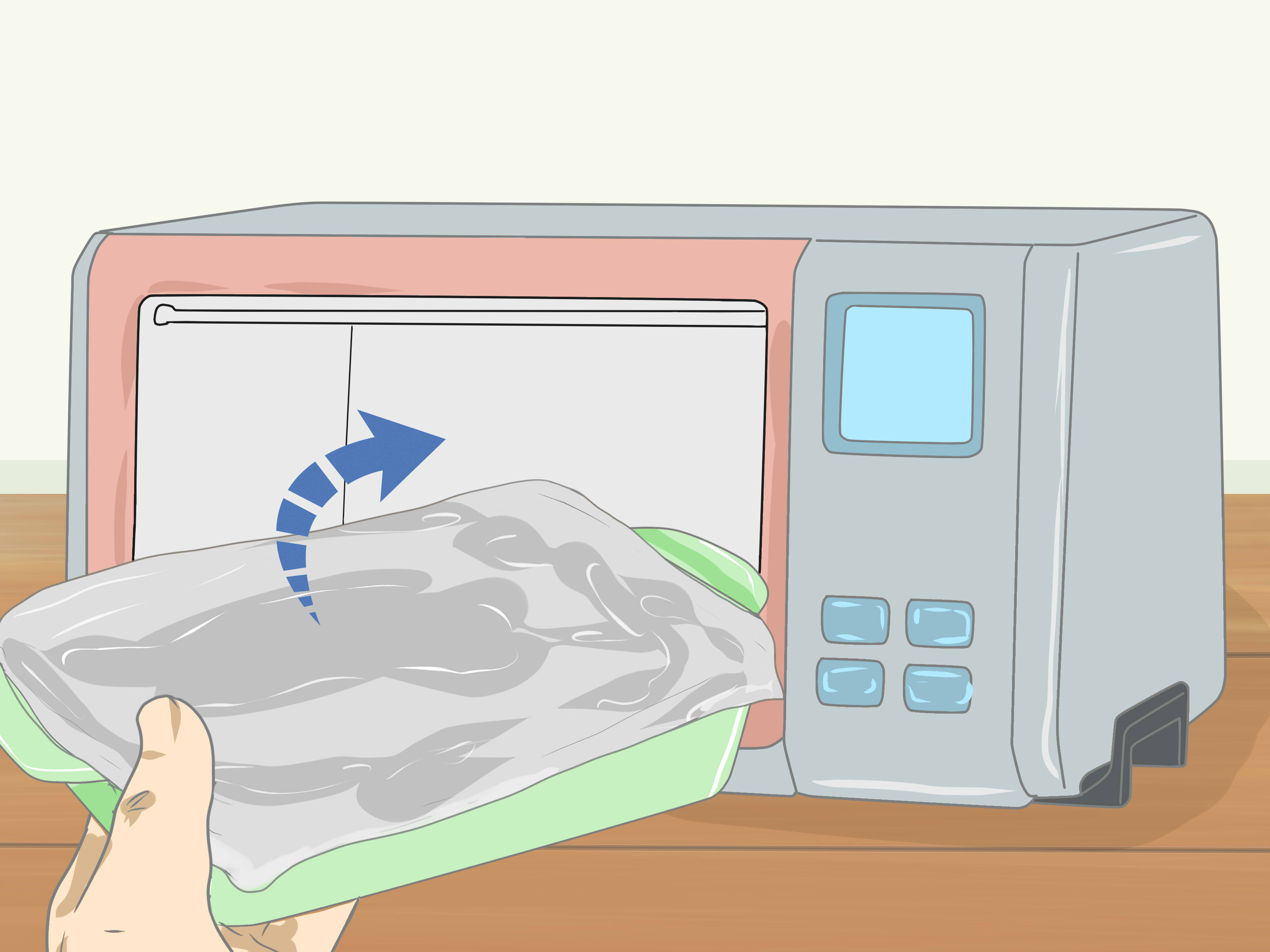
Preheat the oven to 325°F to 375°F, depending on the food. Lower heat is better for thick casseroles and meats because it warms the center without overcooking the edges. Higher heat works well for pizza, roasted vegetables, and foods that need crisping. Place food in an oven-safe dish. Cover saucy or dense dishes with foil at first, then uncover near the end if you want browning.
For a chilled casserole or lasagna, start at 350°F, cover with foil, and heat until the center reaches 165°F. A single serving may take 15 to 25 minutes. A larger dish may take 30 to 45 minutes or more. For pizza, place slices on a preheated baking sheet, pizza stone, or cast-iron pan and heat until the crust crisps and the cheese melts. This keeps the crust from becoming floppy, which is important because floppy pizza is emotionally confusing.
How to Reheat Frozen Food in the Oven
Frozen casseroles, lasagna, pot pies, and baked dishes can go straight into the oven if the container is oven-safe and can handle the temperature change. When in doubt, thaw overnight in the refrigerator first. Glass dishes can crack if moved directly from freezer to hot oven, so check the manufacturer’s guidance and avoid extreme thermal shock.
For frozen casseroles, cover with foil and bake at 350°F until the center reaches 165°F. Expect a full frozen dish to take much longer than a chilled one. Remove the foil near the end to brown the top. If the edges are bubbling but the center is still cool, lower the temperature slightly and continue heating. The thermometer gets the final vote.
Oven Tips for Better Texture
For crispy foods, use a wire rack set over a baking sheet. This allows hot air to circulate and keeps the bottom from steaming. For fries, nuggets, fried chicken, and breaded cutlets, a toaster oven or air-fryer-style convection setting can bring back crunch. For roasted meats, add a splash of broth and cover loosely with foil to prevent dryness.
For bread, wrap it loosely in foil and warm at 300°F to 350°F. For pastries, use moderate heat and skip the microwave unless you enjoy turning croissants into warm sadness. For pizza, a hot pan or preheated surface helps restore the crust. Food does not need to be fancy to deserve good treatment.
Method 3: Reheat Food on the Stovetop
The stovetop is the most flexible reheating method. It is ideal for foods that benefit from stirring, simmering, flipping, or moisture adjustment. Unlike the microwave, the stovetop gives you control. Unlike the oven, it does not require a long preheat. It is the method of choice for soups, sauces, stews, rice dishes, pasta, stir-fries, skillet meals, curries, beans, and many meats.
Best Foods for Stovetop Reheating
Use the stovetop for liquids and saucy foods: soup, gravy, chili, curry, stew, pasta sauce, beans, oatmeal, cooked grains, and braised meats. It also works beautifully for pizza slices, quesadillas, pancakes, tortillas, fried rice, and sautéed vegetables. The pan lets you add steam, crispness, or sauce depending on what the food needs.
How to Reheat Chilled Food on the Stovetop
For soups, sauces, and stews, place food in a saucepan over medium heat. Stir often and bring liquids to a rolling boil. For thick foods like chili or curry, add a splash of water or broth to prevent scorching. Heat until steaming throughout and at least 165°F where needed.
For rice or pasta, use a skillet with a little water, broth, or sauce. Cover for a few minutes to create steam, then stir until hot. For stir-fries, heat a small amount of oil in a skillet, add the food, and toss until evenly heated. If the vegetables are already soft, use medium-high heat briefly rather than cooking them into retirement.
How to Reheat Frozen Food on the Stovetop
Frozen soups, stews, sauces, and chili can go into a pot with a splash of liquid. Start on low or medium-low heat until the frozen block loosens, then increase to medium and stir frequently. Keep scraping the bottom gently so nothing burns. Once fully melted, simmer until hot throughout.
For frozen rice, add it to a covered skillet with a little water and steam over medium-low heat. Break it apart as it softens. For frozen cooked meat in sauce, reheat gently with extra liquid so the meat does not dry out. For frozen dumplings or potstickers that are already cooked, a covered skillet with a bit of water can steam them first; then remove the lid and let the bottoms crisp.
Stovetop Tips for Better Texture
The stovetop lets you correct food as it warms. Too thick? Add liquid. Too watery? Simmer uncovered. Too dry? Add sauce, butter, broth, or a splash of cream. Too bland after freezing? Add fresh herbs, lemon juice, pepper, hot sauce, or a small pinch of salt at the end. Reheating is not just warming food; sometimes it is giving dinner a pep talk.
For pizza, place a slice in a skillet over medium-low heat, cover, and warm until the cheese softens and the crust crisps. For fried rice, use a hot skillet and stir often. For meatballs, simmer them in sauce instead of blasting them in the microwave. For pancakes or tortillas, warm them in a dry skillet. Small choices make a big difference.
What Not to Use for Reheating
Slow cookers are great for cooking certain foods and keeping hot foods warm, but they are not recommended for reheating leftovers from cold or frozen. They heat too slowly, which can allow food to remain in the temperature danger zone for too long. If you want to serve food from a slow cooker, reheat it first using the microwave, stovetop, or oven until it reaches 165°F, then transfer it to a preheated slow cooker to keep it hot.
Chafing dishes and warming trays are also for holding hot food, not safely reheating cold food. Think of them as food babysitters, not food firefighters.
Food-by-Food Reheating Examples
Rice and Grain Bowls
Use the microwave or stovetop with a splash of water. Cover to steam. Stir halfway through and make sure the center is hot. Rice should be cooled and refrigerated promptly after cooking because it can carry spores that survive cooking and grow if left at room temperature too long.
Pizza
For the best crust, use a skillet, toaster oven, or oven. The microwave is fast but usually makes the crust soft. A covered skillet over medium-low heat melts the cheese while crisping the bottom. This method is so good it may cause you to order extra pizza on purpose, which is technically meal planning.
Soup, Stew, Chili, and Sauce
The stovetop is usually best. Add a little liquid if needed, stir often, and bring to a rolling boil. The microwave also works for single portions, but stir several times to avoid cold spots.
Casseroles and Lasagna
The oven gives the best results. Cover with foil to hold moisture, heat until the center reaches 165°F, then uncover briefly to refresh the top. Single portions can be microwaved, but use lower power and give them standing time.
Fried Chicken, Fries, and Breaded Foods
Use an oven, toaster oven, or air-fryer-style setting. Place food on a rack if possible. Avoid the microwave unless speed matters more than crunch. The microwave will heat the food, but it may also turn your crispy coating into a damp sweater.
Cooked Meat
Reheat gently. Add broth, gravy, or sauce to prevent dryness. Thin slices warm more evenly than thick chunks. Use the oven for roasts, the stovetop for braised meats, and the microwave for small portions with added moisture.
Common Reheating Mistakes
The first mistake is reheating food without checking the center. Steam on the outside does not guarantee safety inside. The second mistake is using full microwave power for everything. Lower power can warm dense foods more evenly. The third mistake is forgetting moisture. Leftovers lose moisture in storage, and frozen food loses texture when ice crystals form. A spoonful of water or broth can save the day.
Another mistake is reheating the same food repeatedly. Reheat only the portion you plan to eat. Every trip from cold to hot and back again affects quality and can increase risk if food spends too much time at unsafe temperatures. Portioning leftovers before storage makes this easier.
of Real-Life Reheating Experience: What Actually Works in a Busy Kitchen
After enough leftovers, you learn that reheating is less about following one perfect rule and more about reading the food. A container of chicken curry does not want the same treatment as a slice of pepperoni pizza. A frozen block of soup behaves differently from chilled pasta. Food has moods. Not dramatic teenager moods, thankfully, but close.
One of the most useful habits is storing food in reheatable portions before it ever reaches the refrigerator or freezer. A giant container of spaghetti may feel efficient on Sunday night, but on Tuesday it becomes a cold brick of noodles that reheats unevenly. Smaller containers heat faster and more safely. They also make lunch easier when you are hungry enough to consider eating shredded cheese straight from the bag.
For microwave meals, the biggest improvement is covering the dish and stirring. People often skip stirring because they want speed, but stirring is the difference between a good lunch and a bite that is somehow both frozen and capable of burning your mouth. For rice bowls, I add a spoonful of water, cover the bowl, microwave for a minute, stir, then heat again. The steam wakes the rice up. Without moisture, leftover rice can taste like tiny packing peanuts.
For pizza, the skillet method is the household champion. Place the slice in a pan, cover it, and warm it over medium-low heat. The bottom gets crisp, the cheese melts, and the toppings heat without drying out. It takes a few minutes longer than the microwave, but the reward is pizza that tastes like it still has self-respect. The oven is better for many slices, but for one or two, the skillet wins.
For soups and stews, the stovetop is worth it. A frozen soup block can look hopeless at first, like a savory iceberg, but low heat and a splash of water solve the problem. Stir as it melts, then simmer until fully hot. This method keeps texture better than microwaving a large frozen portion. It also lets you adjust seasoning. Frozen food can taste flatter after storage, so a squeeze of lemon, a grind of black pepper, or fresh herbs can make leftovers taste intentional rather than rescued.
For casseroles, patience is everything. The oven gives the best result, especially when the dish is covered first and uncovered at the end. Covering keeps the inside moist; uncovering brings back the browned top. If the casserole was frozen, thawing overnight in the refrigerator makes reheating much easier. If reheating from frozen, expect extra time and check the center with a thermometer. The edges may bubble long before the middle is safe.
The biggest lesson is this: leftovers are not second-class food. Reheated properly, they save money, reduce waste, and rescue busy nights. The trick is matching the method to the meal. Microwave moist foods in small portions. Use the oven for crispness and casseroles. Choose the stovetop for soups, sauces, grains, and anything that needs stirring. Do that, and your leftovers will stop tasting like an apology.
Conclusion
Reheating frozen or chilled food is a simple skill with a big payoff. The microwave is best for speed and moist single portions. The oven or toaster oven is best for texture, crispness, and larger baked dishes. The stovetop is best for soups, sauces, grains, skillet meals, and foods that need stirring or moisture control. No matter which method you choose, remember the essentials: store food safely, reheat leftovers thoroughly to 165°F, bring soups and sauces to a rolling boil, and check the center of dense foods.
Good reheating keeps food safe, delicious, and far less depressing. Your future self will thank you when lunch tastes like a meal, not a punishment.
Note: This article is based on established U.S. food-safety guidance from federal food-safety agencies and university extension resources, combined with practical home-cooking experience for better texture and flavor.