Ash brown hair is the cool, smoky, “I totally woke up like this” shade of brunette dreams. It’s also the most dramatic roommate you’ll ever have. One minute it’s serving expensive espresso-with-a-mist vibe; the next it’s flirting with orange brass like it’s trying to become a pumpkin spice latte.
The secret to keeping ash brown hair looking fresh isn’t “buy 47 products and hope for the best.” It’s a tight, smart routine built around three priorities: keep the tone cool, keep the hair healthy, and protect it from the usual suspects (sun, heat, hard water, chlorine, and that one curling iron setting that runs hotter than your group chat).
Why Ash Brown Goes Warm (and What That Means)
“Ash” is basically code for cool-tonedthink smoky, muted, gray-beige undertones. The problem is that hair color doesn’t just sit there politely. Over time, cool tones fade, and warmer undertones (yellow/orange/red) can show through. That’s when your ash brown starts reading more “brassy brown” than “cool brunette.”
The biggest reasons ash brown can shift warm:
- Oxidation + heat styling: high heat can rough up the cuticle and speed up fading.
- Sun exposure: UV rays can dull and fade color, especially on the surface layers.
- Hard water + mineral buildup: minerals can coat hair, make it look dull, and mess with tone.
- Chlorine + pool days: dryness and buildup can exaggerate warmth and fade.
- Too-frequent washing: every wash nudges pigment out the door.
Translation: maintaining ash brown hair is less about “fighting warmth” and more about running a tiny hair museumcontrolled temperature, careful handling, and absolutely no direct sunlight on the exhibits.
Way #1: Protect the Tone (Neutralize Brass Without Turning Your Shower Blue)
1) Use blue shampoo strategically, not daily like it’s a personality
If your ash brown is drifting orange or copper, a blue shampoo is your tone-correcting bestie. It deposits blue-violet pigments that help cancel out orange warmth (basic color theory: blue sits opposite orange). The key word is depositsmeaning it works best when you use it like a tool, not a lifestyle.
A simple, low-drama approach:
- Start with once a week (or every other week if your hair gets dry easily).
- Apply mainly where you see brassoften mid-lengths to ends, or around highlights/balayage.
- Let it sit 1–5 minutes depending on the product and how warm your hair looks.
- Condition after because toning shampoos can feel a little “squeaky.”
Pro tip: If you overdo blue shampoo, ash brown can start looking flat, muddy, or slightly smoky in a way that’s less “cool girl” and more “did I spill powdered eyeshadow on my hair?” Dial it back and rotate with a gentle color-safe shampoo.
2) Add a gloss or toner to reset the vibe between color appointments
When ash brown loses its “expensive” shineor when you’ve done everything right and your tone still goes rogue it’s time to call in the heavy hitters: a hair gloss or toning service. Glosses can boost shine and subtly shift tone without the commitment of permanent color. Many last about 4–6 weeks, which is basically the sweet spot for “my hair looks freshly done” without living at the salon.
Two easy options:
- In-salon gloss/toner: best for precise tone (especially if your ash brown is complex or multi-dimensional).
- At-home tinted gloss: great for maintenancefollow directions, don’t freestyle like it’s a cooking show.
3) Watch your undertone and pick the right “cool” tools
Not all “brass” is the same. For ash brown hair:
- Orange/copper warmth: go blue (blue shampoo, blue mask, cool brunette gloss).
- Yellowish warmth: you might need a blue-violet blend or a targeted gloss rather than pure purple shampoo (purple is more blonde/gray-focused).
If you’re unsure, snap a photo in natural daylight. Bathroom lighting lies. Daylight is the brutally honest friend who tells you there’s spinach in your teeth.
Way #2: Treat It Like Color-Treated Hair (Because It Is)
1) Swap to a color-safe, sulfate-free shampoo and don’t overwash
One of the easiest ways to maintain ash brown hair is also one of the least exciting: use a gentle color-safe shampoo. Many color-care routines favor sulfate-free formulas because they tend to cleanse without stripping as aggressivelyhelpful when you’re trying to hang onto that cool tone for dear life.
Washing less helps too. If you can stretch to 2–3 washes a week, you’re giving your color fewer chances to fade. Between washes, a little dry shampoo can keep roots from going full oil slick without sending your pigment down the drain.
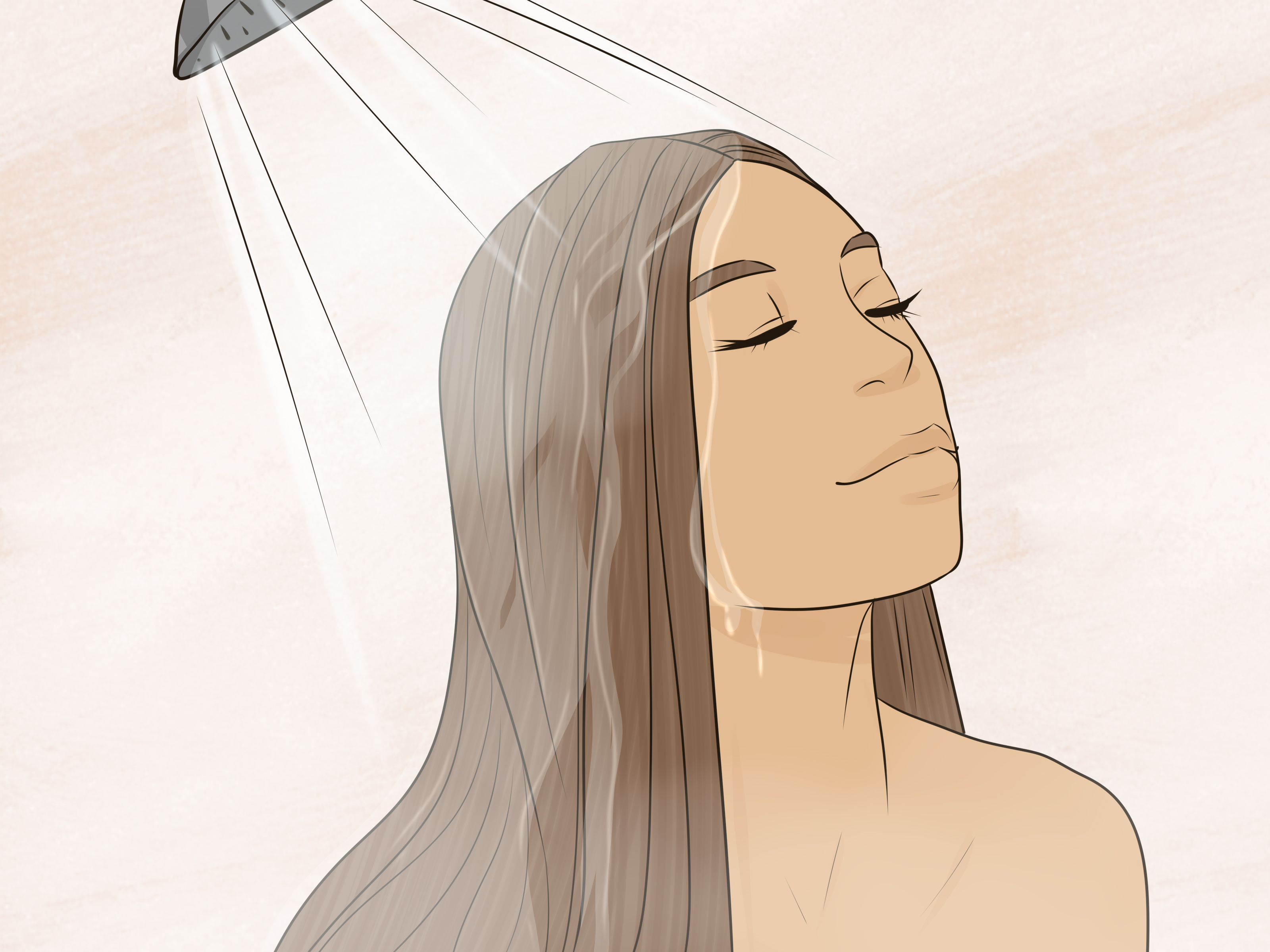
2) Rinse cooler (yes, even if you love lava showers)
Hot water can encourage the cuticle to lift, which can make color slip out faster. Cooler rinses help keep the cuticle smoother so color looks richer and shinier. You don’t have to suffer through an arctic plungetry this:
- Shampoo and condition with warm water (comfort matters).
- Finish with a brief cool rinse (20–30 seconds).
Think of it as the “closing credits” of wash day: quick, mildly unpleasant, and somehow essential to the plot.
3) Deep condition weekly, and consider bond repair if you lighten
Ash brown often involves lightening first (especially if you’re starting from a darker base). Lightening can make hair more porous, and porous hair loses color faster and grabs onto weird tones from the environment.
A weekly routine that actually makes sense:
- 1× weekly mask: hydrating, color-safe, focused on softness and elasticity.
- Optional bond repair: if you bleach/highlight, use a bond-building or strengthening step as directed.
- Leave-in conditioner: for daily detangling and less breakage.
Healthy hair reflects light better, which makes ash brown look more dimensionalless “flat brown,” more “cool, glossy brunette with main-character energy.”
4) Heat styling: protect first, then lower the temperature like you’re saving battery
Heat is a double-agent: it makes your style cute, and it makes your color fade faster. Always use a heat protectant and keep tools on low-to-medium heat whenever possible. Your hair doesn’t need to be seared like a steak to hold a curl.
If you heat-style often, try:
- Air-dry 70–80% before blow-drying.
- Use fewer passes with a flat iron (one slow pass beats three frantic ones).
- Give hair at least one “no hot tools” day per week.
Way #3: Block the Fade Factors (Sun, Hard Water, Chlorine, and Other Tiny Villains)
1) Sun protection: your hair needs it too
UV exposure can dull hair and contribute to color fading, especially in the outer layers where ash tones live. The easiest fix is also the most stylish: wear a hat. Add a scarf, a cap, or whatever makes you feel like you’re starring in a “summer in the Hamptons” montage.
If hats aren’t your thing, consider:
- UV-protecting leave-ins or mists (especially when you’ll be outdoors for hours).
- Protective styling like braids or buns to reduce exposure on the lengths.
2) Hard water defense: clarify or chelate when your color looks “off”
Hard water minerals can build up on hair, leaving it dull, rough, and sometimes weirdly warm or discolored. If your ash brown suddenly looks brassy and your products “stopped working,” buildup might be the plot twist.
What helps:
- Shower filter: helpful if you live in a hard water area.
- Occasional clarifying shampoo: 1–2× per month (follow with a mask).
- Chelating treatment: especially if you notice mineral/copper buildup or swim often.
The goal is not to strip your hair weekly; it’s to remove the “invisible film” that makes your color look dull and slightly… confused.
3) Pool + ocean strategy: prep, protect, rinse
Chlorine and salt water can dry hair and amplify unwanted tones. Before swimming:
- Wet hair with fresh water first (hair absorbs less pool water when it’s already wet).
- Apply conditioner or a leave-in as a barrier.
- Rinse ASAP after and follow with a gentle wash if needed.
If you’re basically a mermaid all summer, keep a “swim kit” in your bag: mini conditioner, wide-tooth comb, and a scrunchie that doesn’t rip your hair like it’s mad at you.
4) Maintenance schedule: the boring part that makes everything look amazing
The biggest difference between “ash brown that always looks fresh” and “ash brown that looks tired” is usually a schedule. Here’s a realistic one:
- Every wash: color-safe shampoo + conditioner, minimal heat when possible.
- Weekly: mask (and/or bond repair if you lighten).
- Every 1–2 weeks: blue shampoo as needed for brassiness.
- Every 4–6 weeks: gloss/toner refresh (salon or at-home, depending on your comfort level).
- Every 8–12 weeks: trim to keep ends healthy and reduce breakage.
If you’re a “no schedules, only vibes” person, pick just two anchors: weekly mask and blue shampoo as needed. That alone can keep ash brown looking surprisingly polished.
of Real-World Experiences: What People Learn the Hard Way
People who choose ash brown hair usually have one thing in common: they love the cool, smoky look…and they are mildly offended when it warms up. Here are the most common “ohhh, that’s why” experiences that show up again and again when someone starts maintaining ash brown.
The “My Hair Turned Orange Overnight” Panic
This usually happens after a streak of hot-tool days plus a couple of extra washes. The tone didn’t change overnightyour lighting just stopped being flattering. Daylight reveals the truth, and suddenly you’re googling “how to fix brassy brown hair” with the urgency of someone defusing a bomb.
What tends to help fastest: a single targeted blue shampoo wash (not five), followed by a deep conditioner. If it’s still warm after that, many people find a gloss refresh is the “reset button” that brings the ashiness back without re-dyeing everything.
The “Blue Shampoo Made My Hair Dry” Era
Blue shampoo is amazinguntil someone uses it every wash like it’s regular shampoo. Then the hair starts feeling rough, the ends look thirsty, and the color can get a little flat. The lesson most people learn: toning products are like hot sauce. A little makes everything better; too much ruins the meal and you start sweating.
The workaround that shows up in real routines is rotation: gentle color-safe shampoo most washes, blue shampoo only when brassiness actually appears, and a weekly mask that makes your hair feel like hair again.
The “Why Does My Hair Look Dull No Matter What I Use?” Mystery
This is where hard water, product buildup, or both often enter the chat. People describe it as a filmhair feels coated, tangles more easily, and ash brown looks muted or weirdly warm. Once they try an occasional clarifying or chelating step (not daily, not aggressive), the shine comes back and the tone looks cleaner.
A surprisingly common “aha” moment is installing a shower filter. Not everyone needs it, but for people in hard water areas, it can make the difference between constantly fighting brassiness and feeling like your hair is cooperating again.
The “Summer Ruined My Color” Story Arc
Sun exposure, beach days, and pool time can be brutal on ash brown because the shade relies on those cooler, delicate tones. People who keep their color looking good in summer usually do small, repeatable things: they wear a hat, use a UV-protecting leave-in when they remember, rinse hair before swimming, and they don’t crank their flat iron to “surface of the sun.”
The “Maintenance Doesn’t Have to Be High-Maintenance” Revelation
The happiest ash-brown wearers aren’t necessarily doing the mostthey’re doing the right things consistently. Their routine is boring in the best way: fewer washes, better shampoo, one toning step when needed, one weekly mask, and a gloss every month-ish. The result is hair that looks effortlessly cool-toned… which is the entire point of ash brown in the first place.
Conclusion
To maintain ash brown hair, you don’t need a 12-step program and a dedicated cabinet labeled “toning.” You need three smart habits: neutralize brass with the right toning tools, treat your hair gently so color lasts longer, and protect it from the environmental stuff that fades and warms your tone.
Stick to a simple schedule, adjust based on what your hair is actually doing, and remember: ash brown is cool on purpose. If it starts warming up, it’s not a moral failingit’s just hair physics. And you’ve got the fixes.