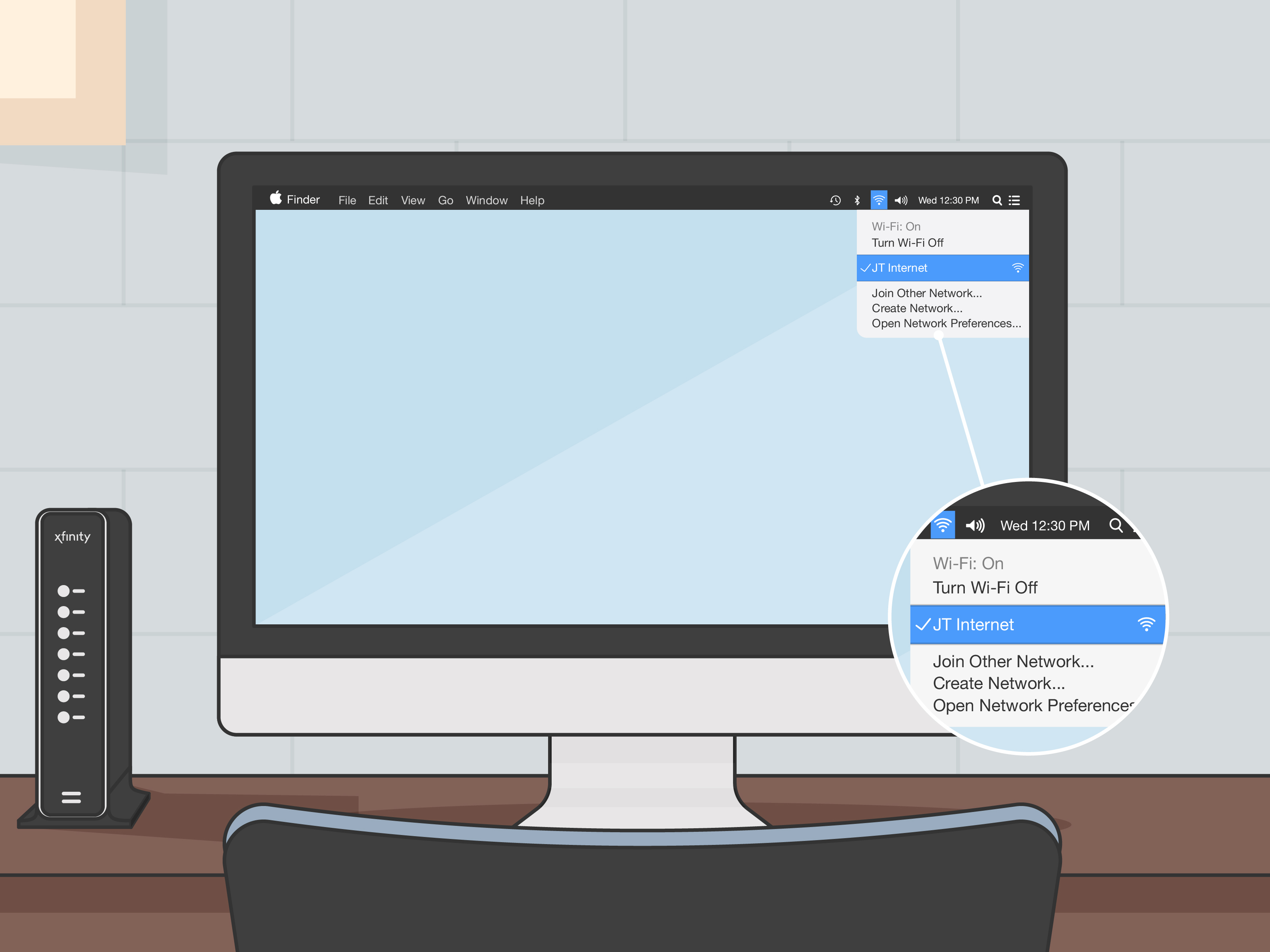
Your WiFi password may be a tiny string of characters, but it guards a surprisingly crowded digital front door. Laptops, phones, televisions, security cameras, game consoles, printers, thermostats, and that smart plug you forgot you owned may all depend on it.
Changing an Xfinity WiFi password is usually straightforward. The confusing part is determining which control panel actually manages your wireless network. Customers using an Xfinity xFi Gateway can normally update their credentials through the Xfinity app or the gateway’s local Admin Tool. Customers who purchased their own router must use that router manufacturer’s app or management page instead.
This distinction matters because your WiFi password is not the same as your Xfinity ID password or your router administrator password. The WiFi password connects devices to the network. Your Xfinity ID password protects your account, while the administrator password opens the router’s settings. Three passwords walk into a network, and naturally, none of them agrees to wear a name tag.
Before You Change Your Xfinity WiFi Password
A password change disconnects devices using the old credentials. Before pressing the Save button, take a quick inventory of everything connected to your network. Besides computers and phones, remember devices that quietly live in the background:
- Smart televisions and streaming players
- Wireless printers
- Security cameras and video doorbells
- Smart speakers, plugs, bulbs, and thermostats
- Game consoles
- Tablets, e-readers, and children’s devices
- Robot vacuums and connected appliances
- WiFi extenders or mesh nodes
Choose the new password before opening the settings page. A long passphrase made from several unrelated words is easier to remember and harder to guess than a short password with predictable substitutions. Avoid names, addresses, birthdays, phone numbers, router brands, and classics such as “Password123.” Those are not passwords so much as welcome mats.
Federal security guidance recommends changing default router credentials, using strong passwords, keeping router software updated, and enabling modern encryption. WPA3 Personal is the preferred option when all devices support it, while WPA2 Personal remains suitable for older equipment. Avoid WEP and outdated WPA security.
Way 1: Change the Password in the Xfinity App
For most customers renting an xFi Gateway from Xfinity, the Xfinity app is the fastest and easiest method. It works without remembering a local gateway address, and the menus are friendlier than the traditional router control panel.
Steps for Using the Xfinity App
- Open the Xfinity app on your phone or tablet.
- Sign in with an authorized Xfinity ID.
- Select WiFi from the navigation menu.
- Tap WiFi details.
- Select Edit WiFi settings.
- Enter your new WiFi password.
- Change the network name, also called the SSID, if desired.
- Review the selected security mode and other available options.
- Tap Save.
Xfinity’s current support instructions identify the app’s WiFi Details feature as the quickest way to view or change the network name and password. The Edit WiFi Settings screen may also include options for security mode and whether the network name is broadcast. Menu wording can vary slightly by app version and gateway model.
What Happens After You Tap Save?
The gateway applies the new credentials and devices using the old password lose their connection. Your phone may appear to freeze for a moment because it has just changed the password for the very network carrying the instructions. Reconnect the phone manually, enter the new password, and then update the remaining devices.
Do not panic if the network temporarily disappears. Give the gateway a minute or two to apply its settings. If it does not return, restart the WiFi connection on your phone before restarting the gateway itself.
When the Edit Option Is Missing
First, confirm that you signed in with an Xfinity ID authorized to manage the internet service. Next, update the Xfinity app, close it completely, and sign in again. Clearing the application cache or reinstalling the app may help when menus fail to load correctly.
Also verify that the xFi Gateway is activated and associated with the correct account. Customers using personally owned routers will generally not see the same Xfinity-managed WiFi controls because their router manufacturer, not Xfinity, controls the wireless network.
Way 2: Use the Xfinity Gateway Admin Tool
The local Gateway Admin Tool offers a browser-based alternative. It is useful when the app is unavailable, when you prefer working from a computer, or when you need to inspect settings for individual WiFi bands.
You must be connected to the Xfinity Gateway, either through its WiFi network or with an Ethernet cable. A wired connection is especially helpful because changing wireless settings will not immediately disconnect the computer.
Steps for Accessing the Admin Tool
- Connect a computer or mobile device directly to your home network.
- Open a web browser.
- Type http://10.0.0.1 into the address bar.
- Sign in with the gateway administrator credentials.
- Open Gateway, followed by Connection and Wi-Fi.
- Select Edit beside the appropriate wireless network or frequency band.
- Enter the new network password.
- Save or apply the changes.
On current Xfinity gateways, the administrator password may be printed on a label attached to the gateway or may have been customized during setup. Do not confuse this administrator credential with the password devices use to join WiFi. Some gateways also require Admin Tool access to be enabled through the Xfinity app before the local page becomes available.
Should 2.4 GHz and 5 GHz Use the Same Password?
Many modern Xfinity gateways use one network name and one password for multiple frequency bands. The gateway automatically places each device on an appropriate band. This arrangement is generally the easiest to manage and is helpful when using Xfinity Pods or other mesh-style equipment.
If your Admin Tool displays separate 2.4 GHz and 5 GHz networks, you may be able to assign different names and passwords. However, separate credentials create more maintenance work and can confuse smart devices that support only 2.4 GHz. Unless you have a specific technical reason to split the bands, a unified network is usually more convenient.
What If 10.0.0.1 Does Not Open?
Check that the device is connected to the Xfinity Gateway rather than cellular data, a neighboring network, or a separate router. Temporarily disable a VPN because it may interfere with access to local addresses. You can also try another browser, use a private browsing window, or connect with Ethernet.
If another router is connected to the Xfinity Gateway in Bridge Mode, that router may manage the wireless network. In that situation, 10.0.0.1 may not contain the WiFi settings you expect, and you should proceed to the third method.
Way 3: Change the Password Through Your Personal Router
Many Xfinity Internet customers use their own router or mesh WiFi system. In this setup, Xfinity delivers the internet connection, but the personal router broadcasts the WiFi network. Therefore, the password must be changed through the router manufacturer’s app or browser interface.
Look for the router’s brand and model on its label. Then open the manufacturer’s management app or visit the local management address listed in the documentation. The precise menu names differ, but the setting is commonly found under WiFi, Wireless, Network Settings, or Wireless Security.
Examples for Popular Router Brands
- NETGEAR: Open the Nighthawk app and choose WiFi Settings, or sign in through the router’s local web interface. Select the wireless network, enter the new name or password, and save the changes.
- TP-Link: Use the Tether or Deco app, or sign in to the router’s web management page. Open Wireless or WiFi Settings, update the password, and save.
- ASUS: Open the ASUS Router app and select the main network profile, or use the router’s Web GUI. Edit the SSID and wireless password, and then apply the settings.
- Google Nest Wifi: Open the Google Home app, select WiFi and Network Settings, enter the new password, and save it.
Official instructions from these manufacturers confirm that wireless credentials are controlled through their respective apps or management pages. This is why searching the Xfinity app for a third-party router password often leads to a digital scavenger hunt with no prize at the end.
Router Password Versus WiFi Password
Manufacturer control panels often display two separate password settings. The router administrator password protects the settings interface. The WiFi password is the network key entered on phones, computers, and smart devices. For better security, these passwords should be different.
If you have forgotten the router administrator password, consult the manufacturer’s recovery procedure. A factory reset may be required, but it erases customized settings and should be treated as a last resort rather than an enthusiastic first click.
How to Create a Strong New Xfinity WiFi Password
A practical home WiFi password should be long, unique, memorable to authorized users, and difficult for everyone else to predict. Consider a passphrase containing four or more unrelated words, mixed with numbers or punctuation when supported.
For example, a structure such as River-Lantern-27-Piano-Cactus is much stronger than a pet’s name followed by a birth year. Do not copy that example exactly; published examples have already lost the element of surprise.
Follow these guidelines:
- Use at least 12 characters, preferably more.
- Avoid names, addresses, birthdays, and common phrases.
- Do not reuse an email, banking, or Xfinity account password.
- Use WPA3 Personal or WPA2 Personal encryption.
- Keep the router administrator password separate.
- Store the password in a reputable password manager.
- Create a guest network instead of sharing the primary password widely.
Long passwords and passphrases are generally more resistant to guessing, while separate guest and smart-home networks can limit exposure between devices. Government security guidance also recommends replacing factory credentials and keeping router firmware current.
How to Reconnect Devices After the Password Change
Start with the device you use to manage the network. Open its WiFi settings, select the network, and enter the new password. If the device repeatedly rejects the password, choose Forget This Network or its equivalent, then reconnect from scratch.
Continue with essential devices before tackling the smart-home population. A sensible order is:
- Phones and computers
- Work devices
- Security cameras and alarm equipment
- Streaming devices and televisions
- Printers
- Smart speakers, plugs, bulbs, and appliances
- Guest devices
Some smart devices allow you to replace the network password in their companion app. Others must be put into setup mode and added again. A printer may need its wireless setup wizard, while older cameras sometimes require a temporary connection to the manufacturer’s app.
Troubleshooting Common Xfinity WiFi Password Problems
The New Password Is Not Accepted
Make sure the device is joining the correct network, especially if nearby networks have similar names. Passwords are case-sensitive, so check capitalization and punctuation. Forget the saved network and reconnect to remove cached credentials.
The Xfinity App Says It Cannot Update Settings
Close and reopen the app, confirm that the gateway is online, and check that your Xfinity ID has management permission. Update or reinstall the app if necessary. The local Admin Tool may provide an alternative when app services are temporarily unavailable.
The Admin Tool Password Is Forgotten
Do not reset the gateway until you have exhausted the available recovery options. A factory reset returns supported Xfinity gateways to their default configuration and removes customized WiFi settings. You will then need to reconnect using the default information on the gateway label and set up the network again.
The Password Cannot Be Changed on NOW Internet
Xfinity’s current NOW Internet FAQ states that the WiFi username and password printed on the NOW Internet Gateway cannot be changed. Customers using that specific service should follow the credentials and instructions on the gateway label rather than assuming the standard xFi procedures apply.
Real-World Experiences and Practical Lessons
A common experience begins with a perfectly reasonable goal: change the password, remove an unknown device, and return to normal life before the coffee gets cold. The password update itself takes less than a minute. Reconnecting the household is where the real adventure begins.
Experience 1: The App Worked, but Everything “Broke”
In a typical family home, the Xfinity app accepts the new password immediately. The phone disconnects, the television stops streaming, and several people announce that “the internet is down.” Nothing is actually broken. The gateway is broadcasting normally, but every device still remembers the old password.
The easiest recovery is to reconnect one phone first and verify internet access. From there, update computers, televisions, and game consoles. This confirms that the gateway change succeeded before you spend twenty minutes arguing with a printer that has the emotional flexibility of a brick.
Experience 2: The Admin Page Would Not Load
Another common scenario involves entering 10.0.0.1 repeatedly and receiving a blank page. The device is often using cellular data, connected to a separate mesh router, or running a VPN that redirects traffic away from the local network.
Connecting a laptop directly to the gateway with Ethernet usually clears up the mystery. The Admin Tool loads, the correct WiFi menu appears, and the password can be changed without losing the computer’s connection halfway through the process. This is especially useful in homes with multiple access points or complicated network equipment.
Experience 3: The Smart-Home Reconnection Marathon
A household with ten ordinary devices can finish the process quickly. A household with cameras, bulbs, plugs, speakers, sensors, and appliances may need considerably longer. Some products reconnect after receiving the new password in their apps. Others require reset buttons, flashing lights, and an unsettling amount of patience.
The practical lesson is to keep a device inventory. Record the product name, companion app, and network used by each item. When changing the password for security reasons, prioritize cameras, locks, alarms, and work equipment. Decorative bulbs can wait. The living room will survive being slightly less purple for an evening.
Experience 4: Xfinity Was Not Managing the WiFi
Customers using a personal router sometimes spend time searching every corner of the Xfinity app without finding an editable password. The missing setting is not necessarily an error. The personal router owns the WiFi configuration, so the change must be made in the NETGEAR, TP-Link, ASUS, Google Home, Linksys, or other manufacturer interface.
A quick equipment check prevents this confusion. Follow the Ethernet cable leaving the Xfinity modem or gateway. If it connects to a separate router that broadcasts the household network, manage the password through that router. In Bridge Mode, the Xfinity gateway mainly passes the internet connection to the personal equipment.
Experience 5: Keeping the Network Name Saved Time
When the goal is simply to remove unauthorized users, keeping the existing network name and changing only the password makes the network easier to recognize. Devices still need the new password, but users do not have to locate an unfamiliar SSID.
However, when replacing equipment or reorganizing several similarly named networks, changing both the SSID and password can reduce confusion. A neutral network name is preferable to one containing a family name, apartment number, address, or router model. Security begins with good credentials, but there is no reason to advertise a household directory to the entire block.
Conclusion
There are three dependable ways to change an Xfinity WiFi password: use the Xfinity app for an xFi Gateway, open the local Gateway Admin Tool at 10.0.0.1, or use the manufacturer’s app or management page for a personally owned router.
The app is the best starting point for most Xfinity Gateway customers. The Admin Tool is a useful browser-based alternative, while personal routers must be managed independently. After saving the new credentials, reconnect every device, use modern WPA3 or WPA2 encryption, and keep the WiFi password separate from both your Xfinity ID and router administrator password.