A healthy-looking face is not created by magic, a 12-step routine, or a mysterious cream guarded by skincare elves. Much of that natural “I actually slept” look comes from everyday skin health, including circulation. When blood flow supports the skin, it helps deliver oxygen and nutrients while carrying away waste products. That does not mean you can rub your cheeks for thirty seconds and suddenly become a Renaissance painting. But gentle, consistent habits can support facial circulation and leave your skin looking fresher, warmer, and more awake.
The key word is gentle. Your face is not a countertop, a gym floor, or a stubborn stain on a white hoodie. Scrubbing, overheating, harsh tools, and aggressive “beauty hacks” can irritate the skin barrier and make redness or sensitivity worse. The best ways to increase blood flow in your face are simple: use gentle facial massage, move your whole body, and support circulation from the inside with hydration, nutrition, and skin-friendly habits.
Below are three practical, beginner-friendly methods you can use at home. They are not medical treatment, and they are not meant to fix sudden swelling, facial numbness, one-sided drooping, severe pain, unusual color changes, or persistent skin problems. Those symptoms deserve professional care. For everyday dullness, tension, and “my face has been staring at a laptop for six hours” syndrome, these simple steps can help.
What Does “Increase Blood Flow in Your Face” Actually Mean?
Facial blood flow refers to circulation through the tiny blood vessels in the skin and underlying tissues of the face. Good circulation helps the skin receive oxygen and nutrients, supports temperature regulation, and contributes to a more lively complexion. That fresh post-walk glow is not your imagination; physical activity increases circulation throughout the body, including the skin.
Still, facial redness and healthy blood flow are not always the same thing. Redness can also come from irritation, rosacea, sunburn, allergies, harsh skincare products, or heat exposure. The goal is not to force your face to turn tomato-red. The goal is to encourage comfortable, steady circulation while protecting your skin barrier.
1. Try a Gentle Facial Massage Routine
Facial massage is one of the easiest ways to encourage local circulation. It can also help relax facial muscles, reduce the feeling of tension around the jaw or forehead, and make your skincare routine feel less like a chore and more like a tiny spa appointment that does not require a robe or cucumber water.
Why Facial Massage May Help
Gentle pressure and movement can temporarily stimulate blood flow in the area being massaged. It may also help move excess fluid, especially if your face feels puffy after poor sleep, salty food, or crying during a movie you absolutely promised would not get you emotional. The effect is usually temporary, but consistency matters. A short, gentle massage a few times a week is more useful than one dramatic session where your cheeks file a complaint.
How to Do a Simple Facial Massage
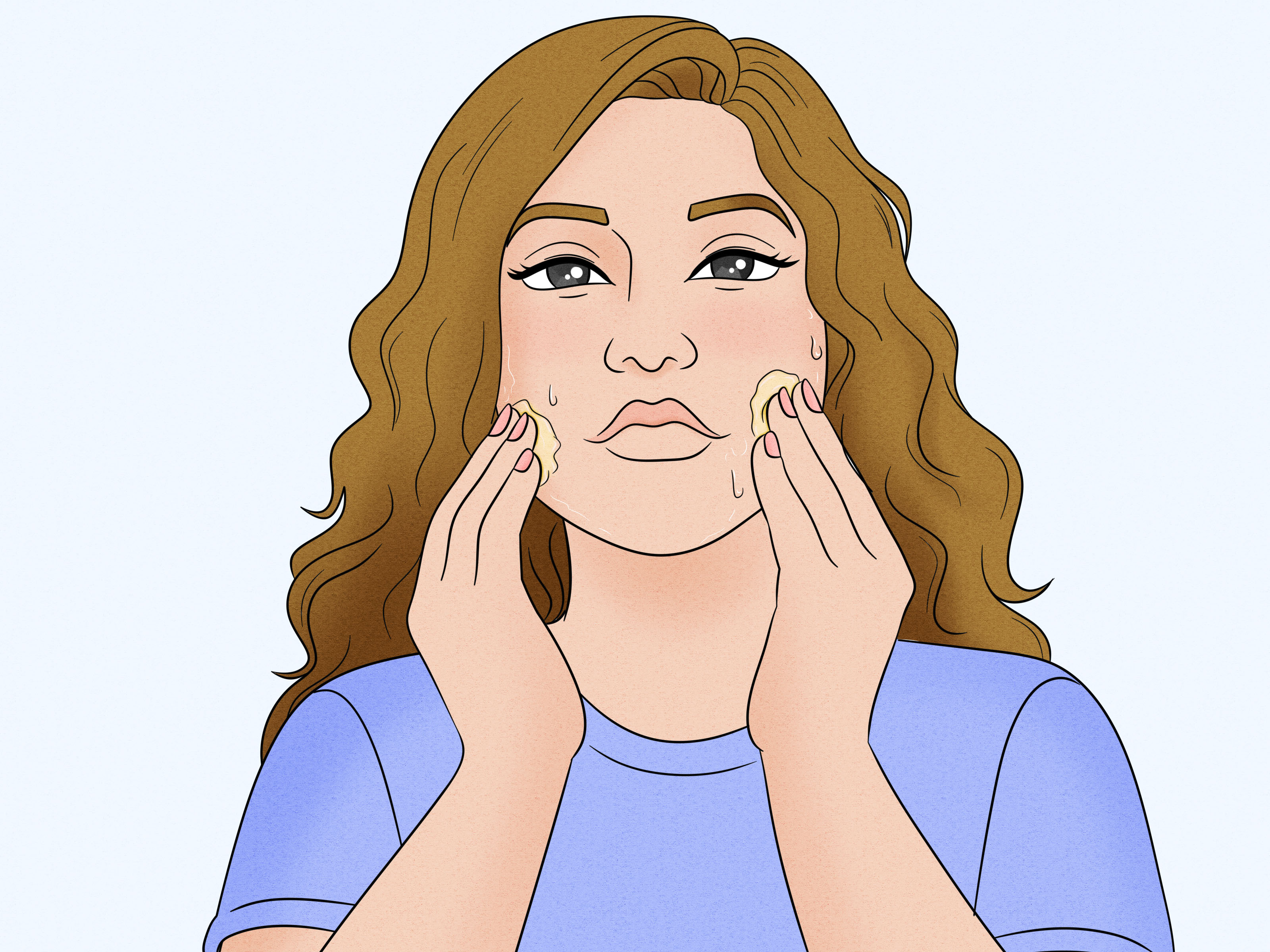
Start with clean hands and a clean face. Apply a light moisturizer, facial oil, or serum that gives your fingers enough slip so you are not dragging the skin. Use your fingertips, not your nails. Keep your pressure light to medium.
- Warm up: Rub your palms together for a few seconds, then lightly press them over your cheeks, forehead, and chin.
- Cheeks: Use two or three fingers to make slow upward circles from the sides of your nose toward your temples.
- Jawline: Glide your fingers from the center of your chin outward along the jaw. This is especially nice if you clench your jaw while concentrating.
- Forehead: Sweep upward from your brows to your hairline, then outward toward your temples.
- Under-eye area: Use your ring finger and very light tapping motions. The skin here is delicate, so treat it like a soap bubble with rent to pay.
- Finish: Gently sweep down the sides of the neck toward the collarbone to encourage fluid movement.
Two to five minutes is enough. You do not need to turn this into a full-time career. If your skin becomes irritated, red in a stinging way, itchy, or sore, stop and simplify your routine.
Should You Use a Jade Roller or Gua Sha Tool?
You can, but you do not have to. Clean fingers work perfectly well. Tools like rollers or gua sha stones may help some people feel more relaxed and consistent, but they should be used carefully. Keep tools clean, use slip, and avoid hard scraping. More pressure does not mean better circulation. It often just means angry skin.
Avoid facial massage over active rashes, sunburn, open cuts, infected acne, bruises, or painful areas. If you have rosacea, eczema, psoriasis, or very reactive skin, ask a dermatologist before adding massage or tools.
2. Move Your Body to Boost Overall Circulation
If facial massage is the local approach, exercise is the whole-body upgrade. Your face is connected to the rest of your circulatory system, not floating separately like a balloon with eyebrows. When your heart pumps more efficiently and your blood vessels respond well, your skin benefits too.
Why Exercise Helps Facial Blood Flow
During movement, your muscles need more oxygen. Your heart pumps more blood, blood vessels widen, and circulation increases. Over time, regular physical activity supports vascular health, heart function, and overall blood flow. This can contribute to a healthy skin appearance and that familiar post-exercise glow.
You do not need extreme workouts. In fact, going too hard too fast can make exercise miserable, which is a terrible long-term strategy. A brisk walk, light jog, bike ride, dance session, swim, or bodyweight workout can all support circulation.
Easy Movement Ideas for Better Circulation
Start with what feels realistic. If you are sitting for long stretches, add short movement breaks. Stand up, stretch your neck and shoulders, walk around the room, or do a few gentle squats. Your circulation does not require a motivational movie montage. It just wants you to move.
- Take a 10-minute brisk walk after school, work, or lunch.
- Do light cardio such as dancing, cycling, or marching in place for 5 to 15 minutes.
- Stretch your neck and shoulders to reduce tension that can make your face feel tight.
- Try deep breathing during movement to relax your body and support oxygen intake.
- Break up sitting time with short movement breaks every hour when possible.
A useful target for many adults is at least 150 minutes of moderate aerobic activity per week, spread across several days. But if you are just starting, begin smaller. Five minutes is better than zero minutes. The best exercise is the one you will actually repeat without bargaining with your sneakers.
The Post-Workout Face Glow: Helpful or Harmful?
A warm, flushed face after exercise is usually normal. Your body is moving blood to the skin to help release heat. However, if your face burns, stings, swells, or stays intensely red for a long time, that may signal irritation or a skin condition such as rosacea. Keep workouts comfortable, avoid overheating, and wash sweat off gently afterward.
After exercise, cleanse with lukewarm water and a mild cleanser if needed. Pat dry with a clean towel. Do not rub sweat away like you are polishing a bowling ball. Gentle care protects the skin barrier, which is essential for skin that looks calm and healthy.
3. Support Circulation with Hydration, Food, and Skin-Friendly Habits
Your skin is part of your body, which means facial blood flow is affected by everyday habits: what you drink, what you eat, how you sleep, how you handle stress, and how you treat your skin. This is the less glamorous part of skincare, but it is also the part that often works best. Your face appreciates moisturizer, yes, but it also appreciates water, vegetables, sleep, and not being attacked by hot water at 7 a.m.
Hydration Helps Your Circulatory System Work Smoothly
Water supports normal body function, including the heart’s ability to pump blood efficiently. Hydration also supports skin comfort and helps maintain the skin barrier. That does not mean drinking one giant bottle of water will instantly brighten your face like switching on a lamp. Hydration works best as a steady habit.
Sip water throughout the day, especially after exercise, in hot weather, or when you are sweating. Water-rich foods such as oranges, cucumbers, berries, soups, and leafy greens can also contribute to fluid intake. If your urine is consistently dark yellow, your mouth feels dry, or you often feel lightheaded, you may need more fluids. If you have a medical condition that affects fluid intake, follow your clinician’s advice.
Eat for Healthy Skin and Blood Vessels
A balanced diet supports circulation and skin health. Focus on colorful fruits and vegetables, whole grains, lean proteins, nuts, seeds, beans, and healthy fats. Vitamin C-rich foods such as citrus, strawberries, bell peppers, and broccoli support collagen production. Omega-3-rich foods such as salmon, sardines, chia seeds, and walnuts can be part of a heart-healthy eating pattern. Protein gives your body building blocks for repair.
You do not need a “glow diet” with three ingredients and a dramatic celebrity backstory. A steady, varied eating pattern is more useful than chasing miracle foods. Limit heavily processed snacks and sugary drinks when you can, not because one cookie ruins your skin, but because overall nutrition matters more than single-food drama.
Use Warm, Not Hot, Water
Warmth can temporarily increase blood flow, which is why a warm compress can make the face feel relaxed. But hot water can strip natural oils and irritate the skin barrier. For cleansing, use lukewarm water. Apply a gentle, non-abrasive cleanser with your fingertips, rinse well, and pat dry with a soft towel.
If you want a circulation-friendly warm compress, soak a clean washcloth in warm water, wring it out, and rest it on your face for 30 to 60 seconds. It should feel cozy, not spicy. Follow with moisturizer while the skin is slightly damp.
Protect Your Skin from Sun Damage
Sun protection may not sound like a blood-flow tip, but it matters for healthy skin. UV exposure damages skin cells, contributes to premature aging, and can increase the risk of skin cancer. Use broad-spectrum sunscreen, wear protective clothing and sunglasses, and seek shade during strong sun. Healthy circulation is more useful when the skin barrier is not constantly fighting preventable damage.
Avoid Smoking and Be Careful with Irritants
Smoking narrows tiny blood vessels in the outer layers of the skin, reducing blood flow and limiting oxygen and nutrient delivery. It also contributes to wrinkles and slower-looking skin recovery. Harsh skincare habits can cause their own problems too. Over-exfoliating, using too many strong actives, or scrubbing aggressively can leave the face red, dry, and irritated.
Keep your routine simple: gentle cleanser, moisturizer, sunscreen in the morning, and only the treatment products your skin actually tolerates. Your bathroom shelf does not need to look like a chemistry final exam.
Common Mistakes When Trying to Increase Facial Blood Flow
Using Too Much Pressure
Pressing harder does not make facial massage more effective. It can irritate the skin, worsen redness, and even cause tenderness. Use light pressure and slow movements.
Using Hot Water
Hot water may make your face look flushed, but that does not mean it is helping. It can damage the skin barrier and increase dryness or irritation. Choose lukewarm water instead.
Copying Extreme Social Media Hacks
If a skincare trick looks painful, involves scraping until the skin turns bright red, or promises “instant face transformation,” give it the side-eye it deserves. Healthy skin habits are usually boring, consistent, and annoyingly effective.
Ignoring Medical Symptoms
Sudden facial drooping, numbness, severe headache, chest pain, trouble speaking, trouble breathing, or one-sided weakness needs urgent medical attention. Persistent swelling, painful redness, rash, or unexplained skin changes should be checked by a healthcare professional.
A Simple 7-Day Face Blood Flow Routine
Here is a realistic routine that combines the three methods without turning your life into a wellness spreadsheet.
- Morning: Wash your face gently with lukewarm water, moisturize, and apply sunscreen.
- Midday: Take a 5- to 10-minute walk or stretch break.
- Evening: Do a 2-minute facial massage while applying moisturizer.
- Daily: Drink water regularly and include colorful fruits or vegetables in meals.
- Twice a week: Add a warm compress before moisturizer if your skin tolerates it.
- Anytime: Stop anything that causes burning, stinging, pain, or lasting redness.
This routine is intentionally simple. Simple is repeatable, and repeatable is where results usually live.
Conclusion: Your Face Likes Gentle Consistency
The best ways to increase blood flow in your face are not complicated. Massage gently, move your body, and support your skin from the inside with hydration, balanced meals, sleep, sun protection, and a calm skincare routine. These habits will not rewrite your genetics or replace medical care, but they can help your face look more refreshed and feel less tense.
Think of facial circulation like a small garden. You do not help it by blasting it with a pressure washer. You help it with steady watering, gentle care, sunlight protection, and patience. Your skin does not need punishment. It needs support.
Personal Experience: What It Feels Like to Build a Face-Circulation Routine
The easiest way to understand this topic is to imagine a normal week. Not a perfect influencer week with matching workout sets, glass water bottles, and a breakfast bowl arranged like museum art. Just a normal week: late nights, screen time, salty snacks, weather changes, and a face that sometimes looks like it has been personally offended by Monday.
In my experience writing about wellness routines, the people who get the best results are rarely the ones doing the most dramatic things. They are the ones who make small habits easy. For example, a two-minute facial massage after washing the face at night feels almost too simple to matter. But after several days, it can become a relaxing signal to the body: the day is over, the jaw can unclench, and the forehead does not need to keep holding a business meeting.
The first thing many people notice is not a movie-star glow. It is comfort. The face feels less tight. The jaw feels less tense. The skin may look a little more awake after massage, especially around the cheeks. The improvement is subtle, but subtle is not useless. Subtle is often what real life looks like before it becomes noticeable.
Walking is another underrated part of the routine. A brisk 10-minute walk can change the face faster than another round of mirror inspection. The cheeks warm up, the eyes look less tired, and the whole body feels more alert. It is also wonderfully low-tech. No charging cable, no subscription, no tiny instruction booklet written in six languages. Just shoes, movement, and a willingness to leave the chair.
Hydration is where people often expect fireworks and get common sense instead. Drinking enough water does not instantly erase dullness, but dehydration can make the skin feel flat, dry, and cranky. Pairing water with real meals helps more than treating hydration like a punishment. A breakfast with fruit, a lunch with vegetables, and a water bottle nearby can do more for skin comfort than a complicated routine full of products your face never asked to meet.
The biggest lesson is that gentle habits beat aggressive hacks. The face is expressive, delicate, and constantly exposed to sun, wind, sweat, cleansers, and whatever mystery substance lives on phone screens. Treating it kindly is not laziness; it is strategy. When massage, movement, hydration, and skin protection work together, the result is not fake perfection. It is a healthier-looking face that seems more rested, more comfortable, and less like it just survived a group project.
Note: This article is for general wellness education only. It is not medical advice. If you have persistent facial redness, swelling, numbness, pain, rash, sudden drooping, or circulation concerns, speak with a qualified healthcare professional.