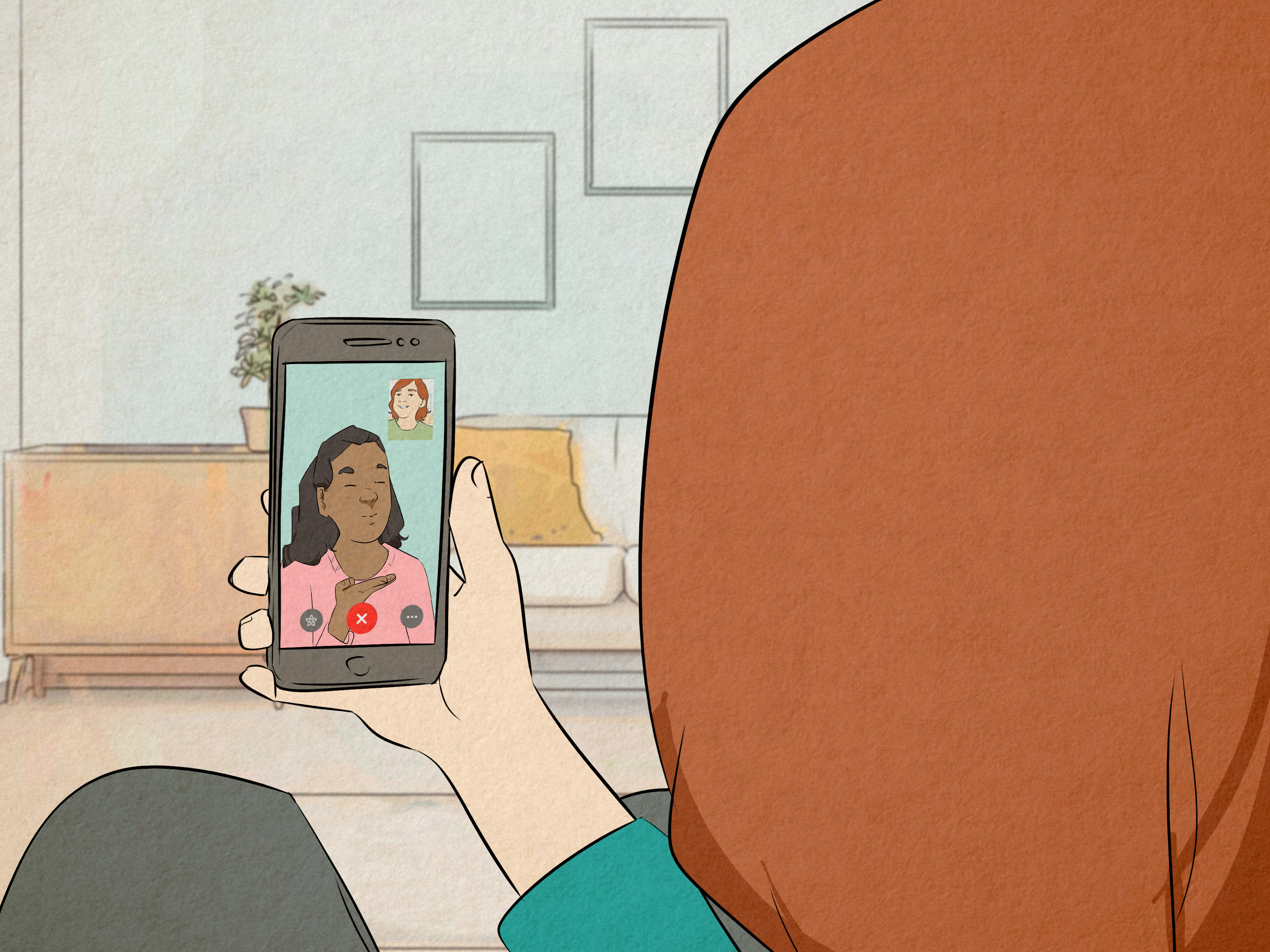
Long distance relationships are often sold as a romantic movie montage: airport hugs, dramatic rain-soaked reunions, video calls that somehow never freeze during an emotional confession, and a soundtrack that makes everyone look better in airport lighting.
Real life is less cinematic. Sometimes it is two people trying to discuss their future while one person is eating dinner, the other is half-asleep, and both are pretending a weak Wi-Fi connection is not ruining the mood.
That does not mean long distance relationships are doomed. Research has found that many long distance couples report strong communication, commitment, and emotional intimacy. But there is an important catch: being good at talking from afar is not exactly the same as building a shared life in the same place.
The harsh facts about long distance relationships are not meant to kill romance. They are meant to remove the glitter filter. A healthy relationship can survive distance, but only when both people are honest about what distance costs, what it hides, and what must happen eventually for the relationship to become more than a very emotionally intense group chat.
Harsh Fact #1: You Can Feel Close Without Truly Knowing How You Function Together
One of the strangest things about a long distance relationship is that you may know your partner’s childhood stories, career fears, favorite takeout order, and exact opinion about pineapple on pizza, yet still have no idea how they behave when they are stressed, sick, late, broke, or trying to assemble furniture with one missing screw.
Distance can create emotional intimacy because long distance couples often spend more time talking intentionally. Instead of casually sitting on the couch while one person scrolls through sports scores and the other watches cooking videos, long distance partners frequently have conversations with an actual purpose. They ask about work, family, fears, plans, and feelings. That can create a powerful sense of connection.
But conversation is only one category of compatibility. Real partnership is also built through ordinary moments: deciding whose turn it is to buy groceries, dealing with a delayed flight, navigating a bad mood, handling money, making plans with friends, and figuring out whether someone is “five minutes away” in the normal human sense or in the “I have not left my apartment yet” sense.
Distance Can Encourage Idealization
When you only see someone during carefully planned visits, you often get the highlight reel. You meet when both people are excited, dressed nicely, and highly motivated not to spend three days arguing about dishes. A weekend visit may include restaurants, activities, cuddling, sightseeing, and enough photos to make everyone on social media believe you are starring in a perfume commercial.
That is lovely, but it can also be misleading. In-person life includes boring Tuesdays. It includes traffic, exhaustion, laundry, family obligations, conflicting schedules, and the terrible realization that your soulmate somehow leaves cabinet doors open after using them.
A long distance relationship can make a person seem easier to love because you are not yet sharing the daily friction that tests patience. This does not mean the relationship is fake. It means the relationship has not been tested in every environment yet.
Think of it this way: texting, calling, and video chatting can show how well you communicate emotionally. Living in the same city eventually shows how well you cooperate practically. Both matter.
How to Reality-Test the Relationship
Instead of treating visits like mini-vacations every time, make room for normal life. Spend a morning doing errands. Meet each other’s friends. Cook dinner. Work quietly in the same room. Handle one mildly annoying task together without turning it into a reality television competition.
You do not need to manufacture conflict. Life will provide enough of that for free. But you should notice how you both behave when the schedule goes wrong, money gets tight, or one person needs space.
A strong long distance relationship should eventually answer this question: Do we work well together when romance is not the only thing on the calendar?
Harsh Fact #2: Love Does Not Cancel Out Time Zones, Travel Costs, Unequal Effort, or Loneliness
“We love each other” is important. It is also not a transportation plan.
Long distance relationships ask for extra work that geographically close couples may barely notice. There are flights to book, buses to catch, passports to renew, time zones to calculate, schedules to negotiate, and vacations that become less about relaxing and more about figuring out who is paying for baggage fees.
Distance is not merely emotional. It is logistical, financial, and physical. A relationship can be deeply loving and still become exhausting when one partner is always traveling, always rearranging work, or always carrying the emotional burden of keeping the connection alive.
Effort Must Feel Fair, Not Identical
Fairness does not always mean doing the exact same thing. One person may earn more money, have more flexible work hours, or live closer to a major airport. The issue is not whether every expense is split down to the last dollar. The issue is whether both people are making visible sacrifices and whether those sacrifices feel voluntary rather than quietly resented.
For example, imagine one partner regularly takes long flights, uses vacation days, and pays for most visits, while the other says, “You know I miss you,” but never makes concrete plans. That is not necessarily a money problem. It may be a commitment problem wearing a budget spreadsheet costume.
Long distance relationship problems often become worse when one person starts acting as the relationship manager. They schedule calls, propose visits, smooth over arguments, remember anniversaries, send encouraging messages, and ask the difficult questions. Meanwhile, the other person participates when convenient.
That arrangement may survive for a while, especially if the more invested partner is hopeful, patient, or excellent at explaining away disappointment. But eventually, love starts to feel like a customer service job with no lunch break.
Communication Quality Matters More Than Communication Volume
Many couples assume the solution is to text constantly. Constant messaging can feel reassuring at first, but it can also become draining. A relationship should not require hourly proof of life, twelve-location updates, or a live broadcast of someone buying toothpaste.
Responsive and meaningful communication matters more than endless communication. A thoughtful message after a difficult workday can be more valuable than forty low-effort texts that say “lol,” “same,” or “what are you doing?” with the emotional depth of a weather app.
Healthy long distance couples often create a rhythm instead of demanding permanent digital availability. They know when they will talk, what kind of communication helps them feel connected, and how to handle busy days without interpreting silence as betrayal.
Loneliness Can Exist Inside a Relationship
Being in a relationship does not automatically protect you from feeling lonely. You can be deeply committed to someone and still miss physical presence, spontaneous affection, and having a person nearby when life is hard.
That loneliness does not mean you are ungrateful or incapable of love. It means humans are not designed to receive all comfort through a front-facing camera. Touch, shared routines, and physical presence matter.
The healthiest approach is to build a full life where you live. Keep friendships, hobbies, routines, exercise, family connections, and goals. Do not place your entire emotional world inside one phone screen. Your partner should add to your life, not become the only thing holding it together.
Harsh Fact #3: Closing the Distance Does Not Automatically Fix the Relationship
Many long distance couples treat the day they finally live in the same city as the grand finish line. It can be a beautiful milestone. It can also be the moment when the relationship changes from fantasy-supported romance into everyday partnership.
Closing the distance solves one major problem: you can finally see each other without needing a boarding pass, an approved PTO request, and a financial plan that resembles a military operation. But it does not automatically solve communication issues, jealousy, mismatched goals, financial stress, attachment anxiety, or different expectations about commitment.
In fact, moving closer can reveal problems that were easier to avoid while you lived apart.
The “Someday” Plan Must Become a Real Plan
A long distance relationship needs more than vague optimism. “Someday we will be together” sounds romantic, but it can become a waiting room with cute emojis.
A realistic long distance relationship plan includes questions such as:
- Who is likely to move, and why?
- What career, family, financial, immigration, or education factors affect that decision?
- What timeline feels realistic rather than magical?
- What happens if the timeline changes?
- Are both people equally willing to make a difficult decision?
You do not need every answer on the first date. You do need enough honesty to know whether your future points in the same direction.
For instance, if one person wants to settle near family within two years and the other expects to move internationally for work indefinitely, love may still be real. The practical conflict is real too. Ignoring it will not make it less important. It will just give it more time to grow teeth.
Reunion Can Trigger New Pressure
When couples close the distance, they may expect instant happiness. They imagine endless date nights, cozy mornings, and the magical disappearance of every issue they ever had. Then real life arrives with rent, work deadlines, grocery shopping, and the sudden discovery that one person needs quiet after work while the other wants to discuss every thought they had since noon.
This transition can feel disappointing if both people believe proximity should fix everything. It is healthier to view reunion as a new stage of the relationship, not proof that the relationship is complete.
You may need to renegotiate boundaries, time together, intimacy, finances, social routines, and expectations. That is not failure. That is adulthood showing up uninvited, as usual.
Trust Is Not the Same as Surveillance
Distance can make insecurity louder. A delayed reply may feel suspicious. A photo with coworkers may become a courtroom exhibit. A night out may somehow lead to a three-hour interrogation involving timestamps, Instagram stories, and an alarming amount of detective energy.
Trust does not mean pretending concerns never exist. It means raising concerns respectfully, listening to the answer, and agreeing on healthy boundaries together.
Demanding passwords, tracking someone’s location constantly, requiring instant replies, monitoring social media activity, or using technology to control a partner are not signs of deeper love. They are signs of unhealthy control. A relationship should make both people feel respected and safe, not watched.
How to Make a Long Distance Relationship More Honest and More Sustainable
The goal is not to become the world’s most efficient video-call couple. The goal is to build a relationship that remains emotionally healthy while distance is temporary or necessary.
Create Agreements Before Problems Explode
Talk about communication preferences before someone gets hurt. Do you prefer a daily call, a few voice notes, scheduled video dates, or flexible check-ins? What does “busy” mean? How do you handle missed calls? What kind of reassurance helps without becoming controlling?
Clear agreements prevent small misunderstandings from becoming dramatic stories your anxious brain writes at 2:00 a.m.
Plan Visits With Both Joy and Reality
Make visits special, but do not make every visit a performance. Include fun plans, affection, and memorable experiences. Also include quiet time, normal routines, and space to be human.
The strongest relationships are not built only through fireworks. They are built through the ability to enjoy a grocery run together without needing a reservation.
Talk About the Future Without Turning Every Call Into a Board Meeting
You should discuss the future regularly, especially if the distance has no obvious end date. But balance practical conversations with actual enjoyment. No one wants every Friday night video call to begin with, “Welcome to our quarterly relationship strategy meeting.”
Set aside occasional time to discuss timelines, career choices, finances, and long-term goals. Then go back to laughing, flirting, watching something terrible together, or arguing about whether your partner’s favorite movie is objectively good.
Know When Professional Support Could Help
Couples counseling can be useful when the same arguments keep repeating, trust has been damaged, communication feels hostile, or the future feels impossible to discuss. Therapy is not only for relationships that are collapsing. It can also help couples develop better communication before resentment becomes the unofficial third person in the relationship.
Long Distance Relationship Experiences: What the Distance Actually Teaches You
People who have been in long distance relationships often describe the experience as emotionally intense. You learn how much a simple “I made it home safely” text can mean. You learn how strange it is to miss someone while looking directly at their face on a screen. You learn that a five-minute call can lift your mood, while a misunderstood message can send your brain sprinting into a forest of worst-case scenarios.
One common experience is learning that anticipation can be both beautiful and exhausting. Before a visit, you count days, compare flight prices, plan meals, clean your apartment, and imagine every moment together. The reunion feels incredible because it is rare. Even an ordinary hug can feel like a major event. There is usually food involved, possibly crying, and at least one person pretending they are not emotional while being extremely emotional.
Then comes the goodbye. Many long distance couples say goodbye is often harder than the relationship itself. Airports, train stations, parking lots, and hotel lobbies become places where people learn that “See you soon” can feel both hopeful and painful. The experience can make you appreciate your relationship, but it can also leave you emotionally drained for a day or two afterward.
Another lesson is that consistency matters more than grand gestures. A person who sends a thoughtful message before an important presentation, remembers your stressful family situation, or calls when they say they will call often creates more security than someone who makes huge romantic promises but disappears when life gets inconvenient.
Long distance relationships also teach independence. You cannot spend every bad day waiting for your partner to fix it from hundreds or thousands of miles away. You have to build routines, friendships, interests, and self-trust. This can be difficult at first, especially if you are used to feeling comforted by physical closeness. Over time, however, many people discover that maintaining their own life makes them a better partner.
There is also a painful but useful lesson about clarity. Distance tends to expose uncertainty faster than proximity does. If someone avoids future conversations, never makes plans, contributes little effort, or only appears when they are bored or lonely, the distance makes that pattern easier to see. It hurts, but it can save you from investing years in a relationship that only worked when it required very little from the other person.
At its best, a long distance relationship can make two people more intentional. They learn to say what they feel, ask for what they need, and value time together instead of assuming it will always be available. At its worst, it can become a cycle of waiting, worrying, and accepting less than you deserve because you are attached to the idea of what the relationship could become.
The difference often comes down to mutual effort. Both people must choose the relationship in practical ways, not just poetic ones. Love needs calls, plans, honesty, sacrifice, boundaries, patience, and eventually some form of shared direction. Romance may start the journey, but reliability is what keeps the relationship from getting lost somewhere between Terminal B and an unanswered text.
Conclusion: Distance Is a Test, Not a Personality Trait
Long distance relationships can work, but they are not powered by love alone. They require emotional maturity, realistic expectations, practical planning, mutual effort, and a willingness to see the relationship clearly rather than only romantically.
The three harsh facts are simple: distance can hide real-world compatibility problems, unequal effort can slowly destroy connection, and moving closer does not automatically solve what was broken from afar. The good news is that seeing these facts clearly gives you a better chance of building something honest.
Note: This article is for general educational purposes. If a relationship includes threats, coercion, stalking, digital monitoring, intimidation, or fear, prioritize safety and seek support from a trusted local professional or relationship safety organization.