Note: Clean HTML body only, ready for web publishing.
Hanging a poster on drywall is usually a five-minute job. Hanging a poster on a painted concrete wall? That is where confidence goes to wobble. Concrete looks tough, feels tough, and has a special talent for making flimsy adhesives give up halfway through the night. One minute your poster is perfectly centered; the next minute it is sliding down the wall like it just changed its mind.
The good news is that you can hang posters on painted concrete walls without turning your room into a drill-and-dust disaster zone. The trick is choosing the right method for the wall surface, the poster’s weight, and how temporary you want the setup to be. A smooth, painted concrete wall behaves very differently from rough, dusty, or heavily textured concrete, so success starts with reading the wall before you stick anything to it.
In this guide, you will learn three easy ways to hang posters on painted concrete walls, along with prep tips, common mistakes to avoid, and practical examples that make the job easier. Whether you are decorating a dorm, sprucing up a basement, upgrading a home office, or trying to make a rental look less like a parking garage with ambition, these methods can help.
Before You Hang Anything: Know Your Wall
Painted concrete walls fall into two broad categories: smooth and sealed, or rough and porous. That difference matters more than people think. Many removable adhesive products work well on painted concrete that is smooth and properly sealed. On rough concrete, however, the adhesive may grab only the high points of the surface, which is a polite way of saying it may fail dramatically at 2:13 a.m.
Do this quick wall check first
Run your hand over the wall. If it feels mostly smooth, you are in good shape for removable strips, mounting squares, or putty. If it feels sandy, bumpy, flaky, or dusty even after wiping, lean toward lighter posters and gentler methods. Also inspect the paint. If it is peeling, chalky, or freshly painted, stop and fix that issue first. Adhesives are not miracle workers. They are more like talented assistants: helpful, but only if the boss, which is your wall, is ready.
Prep is not optional
Even the best poster-hanging products struggle on a dirty wall. Dust, grease, and residue reduce grip fast. Start by lightly cleaning the area with a soft cloth. If the wall is grimy, use mild soap and water, then let it dry fully. For products that call for it, a wipe with isopropyl alcohol can improve adhesion on smooth painted surfaces. Skip harsh household cleaners that leave a film behind.
Fresh paint needs patience
If the concrete wall was painted recently, wait before sticking anything to it. Fresh paint may feel dry to the touch long before it is ready for adhesives. Rushing this step is one of the fastest ways to pull up paint later. In other words, let the wall finish being a wall before asking it to moonlight as an art gallery.
Way #1: Use Removable Mounting Putty for Lightweight Posters
If your poster is light, unframed, and you want the easiest low-commitment option, removable mounting putty is the classic choice. It is especially handy for dorm rooms, offices, bedrooms, and any space where you may want to swap posters often.
Best for
- Thin paper posters
- Lightweight prints
- Temporary decorating
- Smoother painted concrete walls
How it works
Mounting putty is soft, reusable, and repositionable. You tear off small pieces, knead them, and place them behind the corners or edges of the poster. Because the putty stays somewhat flexible, it can work well for lightweight paper without leaving holes in the wall.
How to do it
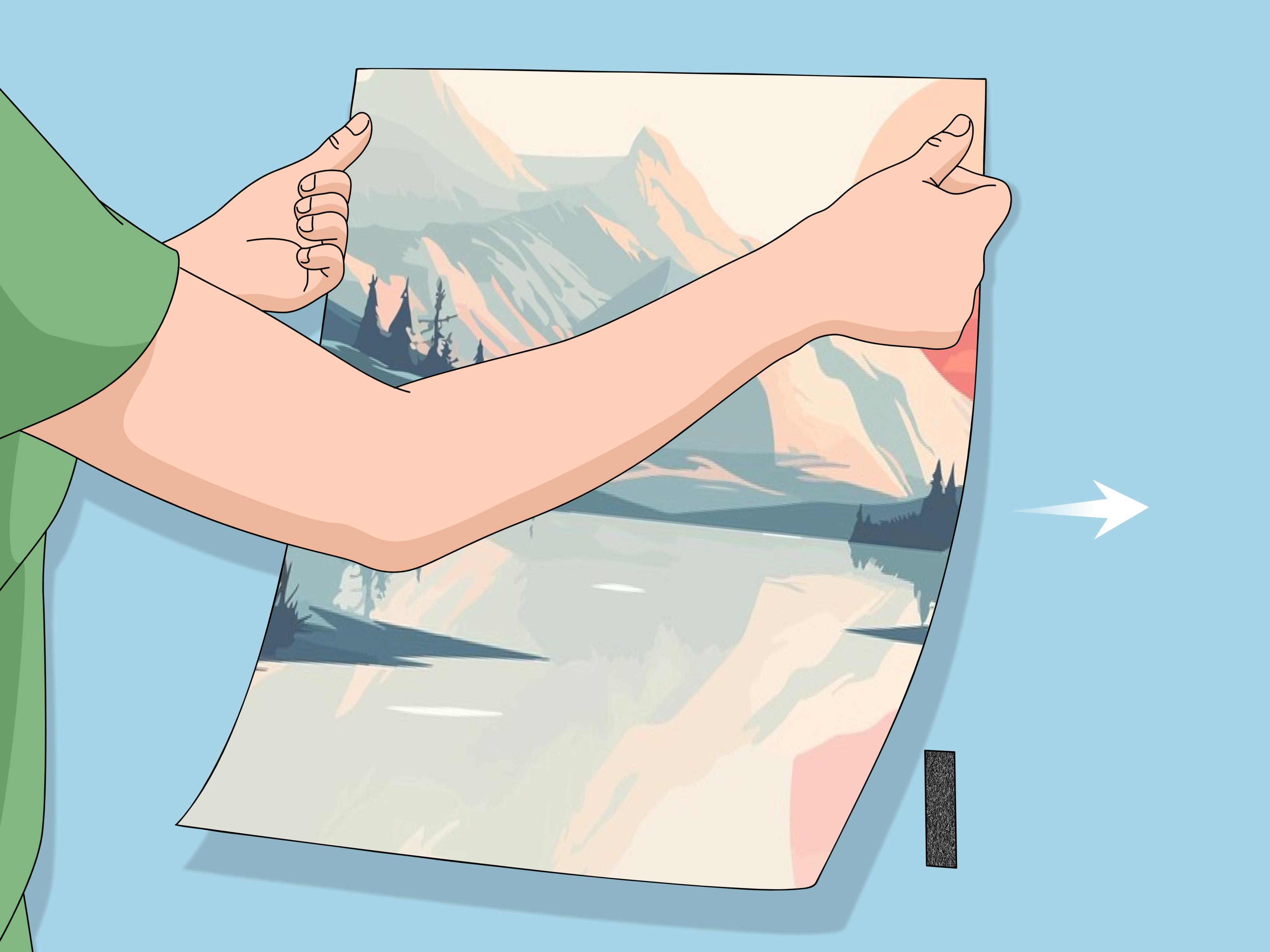
- Clean and dry the wall thoroughly.
- Cut small pieces of putty and roll them into balls.
- Place one piece at each corner of the poster.
- Add extra pieces along the top edge or center if the poster is curling.
- Press the poster gently but firmly against the wall.
Why this method works
Putty is forgiving. It is easy to reposition, usually leaves less mess than aggressive tapes, and works well when the poster itself is the lightest thing in the room. It is also budget-friendly, which is excellent news if your decorating style can best be described as “enthusiastic, but not rich.”
Watch-outs
This method is not ideal for heavy posters, laminated prints, thick poster board, or humid spaces. On very rough or dusty concrete, the poster may sag or corners may lift over time. If your poster curls like it has strong opinions, add more putty or move up to a stronger method.
Way #2: Use Removable Mounting Squares or Picture Hanging Strips
For a cleaner, flatter hold, removable mounting squares or light-duty picture hanging strips are often the sweet spot. These products can create a more secure bond than putty, especially on smooth, painted concrete walls. They are excellent when you want a poster to stay flat and look neat rather than fluttering at the corners like a nervous bird.
Best for
- Standard posters on smooth painted concrete
- Posters mounted to foam board or lightweight backing
- Cleaner, more polished wall displays
- People who dislike crooked corners with a personal grudge
How to do it
- Wipe the wall and let it dry completely.
- Plan placement before removing any adhesive backing.
- Attach mounting squares or strips to the back of the poster or backing board.
- Use multiple points of contact: corners, top center, and sometimes mid-sides.
- Press firmly according to the product instructions.
- Give the adhesive time to bond before testing the hold.
Why this method works
Mounting squares and strips spread the holding force more evenly than tiny dabs of tape. That matters on painted concrete because the surface can be less forgiving than drywall. A wider adhesive footprint helps keep the poster flat, reduces curling, and can handle slightly heavier materials when used correctly.
Good use cases
Say you have a movie poster in a basement media room with smooth painted concrete walls. If the print is mounted to lightweight poster board first, removable strips can hold it more evenly and make the whole setup look intentional. The same goes for office prints, motivational posters, or large art reproductions that need more support than putty can provide.
Watch-outs
Not all strips are meant for rough masonry. If the wall is heavily textured, strips may not sit flush enough to form a reliable bond. Also, avoid sticking aggressive adhesive directly to fragile poster paper if you plan to reuse the poster. In that case, mounting the poster to a lightweight backing first is often the safer move.
Way #3: Use Adhesive Hooks with Poster Hangers, Clips, or Magnetic Rails
If your poster is larger, more delicate, or likely to curl, the smartest solution may be to hang the poster indirectly. Instead of sticking the poster itself to the wall, use adhesive hooks or adhesive wall mounts to support a lightweight poster hanger, clip rail, or magnetic poster frame.
Best for
- Large posters
- Valuable prints you do not want adhesive touching
- Posters that curl easily
- Neater, more design-friendly displays
How to do it
- Choose adhesive hooks rated for the load and approved for smooth painted surfaces.
- Clean the wall carefully and apply the hooks as directed.
- Wait the recommended bonding time.
- Attach a lightweight poster rail, dowel, clip bar, or magnetic hanger to the poster.
- Hang the poster from the installed hooks.
Why this method works
This approach takes stress off the poster itself. Instead of relying on several small adhesive points behind thin paper, you create a hanging system. That usually looks tidier, makes swapping posters easier, and reduces the chance of tearing. It is also a great option for art prints, maps, educational charts, or oversized posters that deserve better than four desperate blobs of tape in the corners.
Design bonus
Magnetic poster hangers can make a basic print look surprisingly polished. On a painted concrete wall, that contrast can be gorgeous: the industrial wall texture paired with a clean, minimal hanging rail creates a modern look without needing nails, anchors, or a power drill that sounds like it is auditioning for an action movie.
Watch-outs
The hooks still need a suitable surface. Smooth painted concrete is the goal. If the wall is rough, flaky, or damp, even a clever indirect system can fail if the wall-side adhesive never bonds well in the first place.
Common Mistakes to Avoid
1. Hanging on a dusty wall
Concrete loves dust. Adhesives do not. Clean first, always.
2. Ignoring the wall texture
Many products can work on painted concrete, but that does not mean every painted concrete wall is equal. Smooth is your friend. Rough is your enemy wearing a paint coat.
3. Using the wrong amount of adhesive
Too little adhesive causes lifting. Too much can make removal messy or damage paper. Follow product weight guidance and distribute support evenly.
4. Applying products to fresh paint
Even if the paint feels dry, it may not be ready. Waiting now is easier than repainting later.
5. Using regular office tape as a long-term solution
Regular tape is great for wrapping a gift, labeling a box, or briefly pretending you have your life together. It is not the hero of long-term poster hanging on concrete.
Which Method Is Best?
Choose your method based on the poster and the wall:
- Use mounting putty for very light paper posters and quick swaps.
- Use removable squares or strips for a flatter, cleaner hold on smooth painted concrete.
- Use adhesive hooks with a poster hanger for larger, nicer, or more delicate posters.
If you are unsure, test one small area first. Hanging one poster successfully is better than confidently decorating the whole wall and waking up to a paper avalanche.
Final Thoughts
Learning how to hang posters on painted concrete walls is really about matching the method to the surface. Concrete can be intimidating, but it is not unbeatable. With the right prep and the right removable adhesive solution, you can decorate without drilling, without wrecking the paint, and without turning poster hanging into a weekend construction project.
Start with a clean wall, respect the texture, and choose the least aggressive method that will still hold your poster securely. That simple strategy saves time, protects the wall, and keeps your poster where it belongs: on display, not folded behind the couch after an adhesive-related betrayal.
Real-World Experience: What Actually Works on Painted Concrete Walls
In real rooms, poster hanging is rarely as simple as product packaging makes it sound. Painted concrete walls can be found in basements, dorms, loft apartments, garages turned into offices, and school-style bedrooms with that slightly industrial look. In all of those spaces, the biggest lesson is this: surface prep changes everything.
One of the most common experiences people have is assuming the wall is clean because it looks clean. Then they press on a strip, step back proudly, and discover the poster peeling down within a few hours. Painted concrete often holds a fine layer of dust that is easy to miss. Once the wall is wiped properly and allowed to dry, the exact same product can behave much better. That small prep step is not exciting, but it is often the difference between “perfect” and “why is my poster on the floor again?”
Another real-world pattern is that lightweight posters usually do best with putty when the goal is flexibility. Students, renters, and people who rotate décor often love this method because it is fast and forgiving. If one corner looks crooked, you can lift it and adjust in seconds. The downside is that thin paper posters sometimes develop soft waves or lifted corners over time, especially in warm rooms or humid basements. A lot of people solve this by adding one or two extra putty points along the top edge. That tiny adjustment can make a surprisingly big difference.
Removable mounting squares and strips tend to produce the neatest results when the wall is smooth. People often report the best outcome when the poster is not super thin on its own, or when it has been mounted to a backing board first. This makes sense. Backing helps the adhesive hold a flatter, more stable surface. In practice, that means a concert poster on flimsy paper may sag with just corner support, while the same poster mounted to lightweight foam board can suddenly look crisp and gallery-like.
Large posters are where people usually learn the hard way that corners alone are not enough. A wide poster creates tension across the middle, and if the paper has any memory from being rolled, it will try to curl back into tube form like it misses its packaging. That is why adhesive hooks plus a poster rail or magnetic hanger often feel like the grown-up option. It reduces stress on the paper and makes the display easier to swap seasonally. People who upgrade to this method often wish they had done it first instead of fighting four rebellious corners for a week.
There is also the emotional reality of the project, which no instruction sheet really covers. Hanging posters sounds simple, but when the wall is concrete, people tend to overthink every decision. Will the paint peel? Will the poster slide? Will this one hook somehow remove half the wall and my dignity? That concern is normal. The easiest way to lower the stress is to test one small section before committing to a full layout. Once one item holds successfully, confidence rises fast.
From a style perspective, painted concrete walls can actually make posters look better. The contrast between the raw, solid wall and colorful paper art can feel modern, creative, and intentional. In home offices, music corners, teen bedrooms, and studio spaces, posters soften the wall and make the room feel lived in. What starts as a practical decorating problem often turns into one of the room’s best design features.
So the real experience is not just about adhesive strength. It is about choosing a method that fits your wall, your poster, and your patience level. The best setup is the one that holds securely, removes cleanly, and does not make you suspicious of every tiny sound in the middle of the night.