Note: This guide is for properly identified, edible chanterelle mushrooms only. If you foraged them yourself, confirm identification with a qualified local expert before cooking, freezing, or eating them. The freezer is not a magic wand; it preserves food, not bad decisions.
Why Freezing Chanterelle Mushrooms Is Worth Doing
Chanterelle mushrooms are the golden retrievers of the mushroom world: bright, cheerful, wildly loved, and gone before you know it. Their season can feel painfully short, especially if you found a good patch, bought a beautiful basket at the farmers market, or came home with more mushrooms than your skillet can responsibly handle in one evening.
Freezing chanterelle mushrooms is one of the easiest ways to preserve their woodsy, fruity, lightly peppery flavor for soups, sauces, omelets, risotto, gravy, pasta, and cozy cold-weather meals. The trick is understanding one important fact: mushrooms contain a lot of water. When frozen raw, that water turns into ice crystals, which can damage texture and leave thawed mushrooms soft, limp, and a little dramatic. Chanterelles are too special for that kind of freezer tragedy.
The good news is that you do not need professional equipment. You need clean mushrooms, a pan or steamer, freezer-safe bags or containers, labels, and a tiny bit of patience. The best ways to freeze chanterelles all use one simple idea: cook or heat-treat them first so they hold flavor, color, and texture better.
Below are three easy methods: sautéing, steam-blanching, and freezing recipe-ready portions. Each method works, but each has a slightly different personality. Think of them as three kitchen friends: the flavor booster, the color keeper, and the weeknight dinner hero.
Before You Freeze: How to Prep Chanterelles Properly
Start with fresh, firm mushrooms
Freezing does not improve mushroom quality. It simply pauses what you already have. Choose chanterelles that are firm, fresh-smelling, and free from slimy spots, mold, decay, or heavy insect damage. Trim away woody stem ends and any questionable areas. If the mushroom looks tired enough to need a vacation, do not send it to the freezer and expect a comeback story.
Clean them without waterlogging them
Chanterelles often arrive with pine needles, grit, moss, or forest confetti tucked into their ridges. Use a soft brush, clean towel, or the tip of a paring knife to remove debris. If they are very dirty, rinse them quickly in cold water, then dry them thoroughly with towels. Do not soak them. Chanterelles already bring plenty of moisture to the party; they do not need to swim laps first.
Cut them into useful pieces
Small chanterelles can be frozen whole after cooking. Larger mushrooms are easier to use later if sliced, torn, halved, or quartered. Try to keep pieces similar in size so they cook evenly. For soups and sauces, rough pieces are fine. For pizza, omelets, or toast, slices are more convenient. For risotto or cream sauce, small chunks work beautifully.
Cool before packing
Hot mushrooms create steam, and steam becomes frost. After cooking, spread the mushrooms out and let them cool completely before packing. This simple step helps reduce freezer burn and prevents the mushrooms from clumping into one icy brick named Regret.
Method 1: Sauté Chanterelles Before Freezing
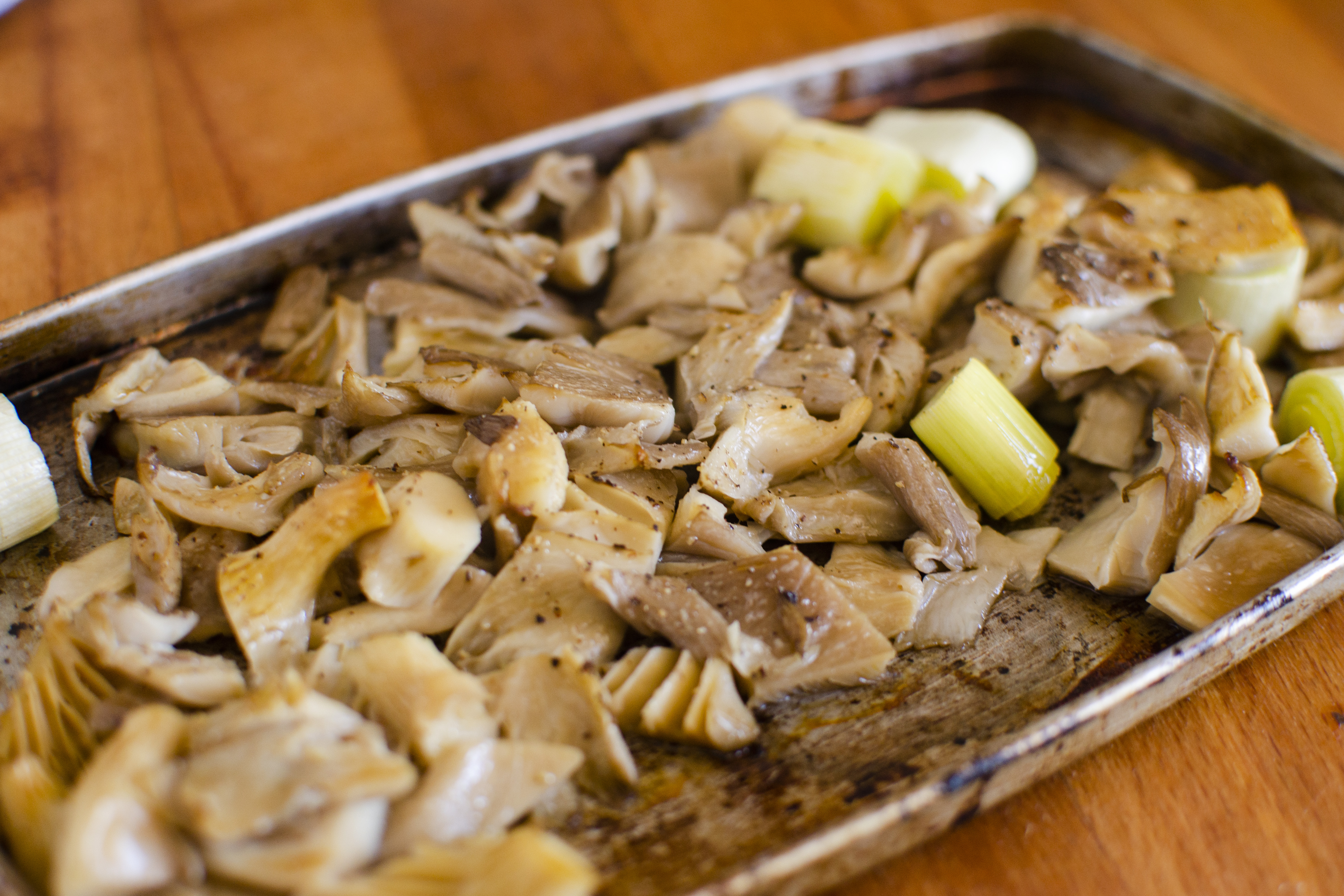
Sautéing is the most flavorful and beginner-friendly way to freeze chanterelle mushrooms. It removes excess moisture, concentrates flavor, and gives you mushrooms that are ready to toss into pasta, eggs, rice dishes, soups, and sauces. If you want the best overall texture after freezing, start here.
Best for
This method is ideal for risotto, pasta, omelets, creamy soups, mushroom gravy, savory galettes, flatbreads, and quick skillet dinners.
How to do it
- Clean and trim the chanterelles. Slice, tear, or quarter large mushrooms.
- Heat a heavy skillet over medium heat. Add a small amount of butter, oil, or a mix of both.
- Add the mushrooms in a single layer if possible. Do not crowd the pan; crowded mushrooms steam instead of sauté.
- Cook until the chanterelles release moisture and that liquid mostly evaporates. Stir occasionally.
- Season lightly with salt if desired, but keep seasoning simple if you plan to use the mushrooms in many recipes later.
- Remove from heat when the mushrooms are almost fully cooked and tender.
- Cool completely.
- Spread on a parchment-lined baking sheet and freeze until firm, or pack directly in thin, flat portions.
- Transfer to freezer bags or containers, remove as much air as possible, label, date, and freeze.
Pro tip: freeze them flat
Pack sautéed chanterelles in a thin layer inside freezer bags. Press out the air, seal, and lay the bag flat. Once frozen, the bag stacks neatly and lets you break off a portion instead of defrosting the whole batch. This is especially helpful when you only need a handful for scrambled eggs or a small sauce.
Flavor tip
If you know exactly how you will use the mushrooms, you can add garlic, shallots, thyme, parsley, or black pepper during the last minute of cooking. However, plain sautéed chanterelles are more flexible. Future you may want them in cream sauce, ramen, stuffing, or wild rice soup, and future you does not always appreciate today’s aggressive garlic mood.
Method 2: Steam-Blanch Chanterelles Before Freezing
Steam-blanching is a smart choice when you want to preserve color and keep the mushrooms versatile. Blanching slows enzyme activity that can affect flavor, color, and texture during freezer storage. Compared with sautéing, steaming is cleaner, lighter, and less oily.
Best for
Use steam-blanched chanterelles in soups, stews, casseroles, sauces, stir-fries, and dishes where you want mushroom flavor without extra fat.
How to do it
- Clean, trim, and cut the chanterelles into even pieces.
- For better color, soak the mushrooms for about 5 minutes in a mixture of 1 teaspoon lemon juice per pint of water. Drain well.
- Bring water to a boil in a pot fitted with a steamer basket. The mushrooms should sit above the water, not in it.
- Add the mushrooms in a single layer or loose layer so steam can circulate.
- Steam slices for about 3 minutes, quarters for about 3 1/2 minutes, and whole small mushrooms for about 5 minutes.
- Cool promptly in ice water to stop the cooking.
- Drain thoroughly and pat dry.
- Pack into freezer containers or bags, leaving about 1/2 inch of headspace if using rigid containers.
- Seal, label, date, and freeze.
Why drying after steaming matters
Do not rush the draining step. Extra surface water turns into ice, and ice leads to a weaker texture later. After cooling, let the mushrooms sit in a colander, then pat them dry. A salad spinner can help if the pieces are sturdy enough, but do not turn delicate chanterelles into mushroom confetti.
When to choose steam-blanching instead of sautéing
Choose this method if you want a lighter freezer stash, if you avoid added fat, or if you plan to season the mushrooms later. Steamed chanterelles are also convenient for recipes where butter or oil will be added during final cooking, such as creamy mushroom soup or a pan sauce.
Method 3: Freeze Recipe-Ready Chanterelle Portions
The third easy way is to freeze chanterelles in the form you will actually use. This method is less about one cooking technique and more about smart kitchen planning. You cook the mushrooms first, then freeze them in measured portions for fast meals. It is perfect when you want your future dinner to feel like someone helpful has already done the annoying part.
Best for
This method is ideal for busy cooks who use chanterelles in repeat recipes such as soup, gravy, pasta sauce, risotto, breakfast eggs, pot pie filling, or holiday stuffing.
How to do it
- Clean and cut the mushrooms.
- Sauté them plain, dry-sauté them until their moisture cooks off, or steam-blanch them using the method above.
- Cool completely.
- Measure into portions: 1/2 cup for eggs, 1 cup for pasta, 2 cups for soup, or 8-ounce portions for larger recipes.
- Pack portions into small freezer bags, silicone trays, muffin tins, or freezer-safe containers.
- For cube-style portions, freeze until solid, then transfer cubes to a heavy freezer bag.
- Label each package with the amount, date, and whether the mushrooms are plain, salted, buttered, or seasoned.
Recipe-ready portion ideas
- Breakfast pack: 1/2 cup sautéed chanterelles for omelets, scrambled eggs, or breakfast potatoes.
- Pasta pack: 1 cup sautéed chanterelles with a little thyme for cream sauce or brown butter noodles.
- Soup pack: 2 cups steam-blanched or sautéed chanterelles for wild rice soup or chicken stew.
- Gravy pack: Finely chopped cooked chanterelles frozen in small cubes for quick mushroom gravy.
- Risotto pack: Plain cooked chanterelles frozen flat so they can be stirred in near the end of cooking.
Why this method saves time
Frozen mushrooms are easiest to use when they are already portioned. Instead of thawing a large container, you can grab exactly what the recipe needs. This helps reduce waste, protects texture, and makes weeknight cooking feel less like a kitchen obstacle course.
Should You Freeze Chanterelles Raw?
You can freeze many mushrooms raw, but raw freezing is not the best choice for chanterelles if quality matters. Because mushrooms are moisture-rich, raw-frozen pieces can become watery and soft after thawing. If you absolutely must freeze raw chanterelles because time is short, clean them, dry them well, cut them evenly, flash-freeze them on a tray, and use them directly from frozen in soups or long-cooked dishes.
Still, for better flavor and texture, cook them first. A quick sauté or steam-blanch takes only a few minutes and usually gives a better result. Raw freezing is the emergency exit; cooked freezing is the front door.
How Long Do Frozen Chanterelles Last?
For best quality, use frozen chanterelle mushrooms within 6 to 9 months. Food kept continuously frozen at 0°F remains safe for a long time, but flavor and texture are quality issues. The longer mushrooms sit in the freezer, the more likely they are to pick up freezer flavors, dry out, or lose their charming woodland personality.
Label every package with the date. This sounds obvious until you find an icy bag in February and wonder whether it contains chanterelles, roasted squash, or a science project from the previous administration.
How to Use Frozen Chanterelle Mushrooms
In most cooked dishes, you can add frozen chanterelles directly to the pan or pot. This works especially well for soups, stews, sauces, risotto, casseroles, and skillet meals. If the mushrooms release liquid as they heat, simply cook until the extra moisture evaporates or becomes part of the sauce.
Great dishes for frozen chanterelles
- Chanterelle cream sauce over pasta
- Wild rice and mushroom soup
- Chicken or turkey pot pie
- Soft scrambled eggs with herbs
- Mushroom gravy for mashed potatoes
- Risotto with Parmesan and thyme
- Pizza with fontina, onions, and herbs
- Savory bread pudding or holiday stuffing
Do not thaw unless you need to
Thawing can make mushrooms softer because moisture escapes as ice crystals melt. For the best texture, add frozen cooked chanterelles straight to hot dishes. If you need to thaw them for a quick-cooking recipe, thaw in the refrigerator, drain any liquid, and cook briefly over medium-high heat to refresh the texture.
Common Mistakes to Avoid
Freezing dirty mushrooms
Grit does not disappear in the freezer. Clean chanterelles carefully before cooking. A little forest flavor is charming; actual dirt in your cream sauce is less adorable.
Overcrowding the skillet
If sautéing, give the mushrooms room. Crowding traps steam and slows evaporation. Cook in batches if needed, especially after a large forage or farmers market haul.
Packing while warm
Warm mushrooms create condensation, which becomes ice. Cool completely before packing.
Using thin storage bags
Use heavy freezer bags, vacuum-seal bags, or freezer-safe containers. Thin sandwich bags invite freezer burn, and freezer burn is where good chanterelles go to lose their sparkle.
Forgetting labels
Write the date, method, and portion size. Example: “Chanterelles, sautéed, 1 cup, Aug. 20.” That little label is a gift to your future self.
Quick Comparison: The 3 Best Ways to Freeze Chanterelles
| Method | Best Use | Main Advantage | Texture Result |
|---|---|---|---|
| Sauté before freezing | Pasta, eggs, risotto, sauces | Best flavor concentration | Tender and rich |
| Steam-blanch before freezing | Soups, stews, casseroles | Good color and versatility | Light and flexible |
| Recipe-ready portions | Fast weeknight cooking | Most convenient | Depends on prep method |
Experience Notes: What You Learn After Freezing Chanterelles a Few Times
The first lesson is that chanterelles are not like green peas. You cannot simply toss them into a bag, shove them behind the ice cream, and expect perfection months later. They are delicate, moisture-rich mushrooms with a flavor that deserves a little respect. Once you cook them before freezing, the whole process makes more sense. The pan fills with steam, the mushrooms soften, their liquid cooks away, and that famous golden flavor becomes deeper and more concentrated.
The second lesson is that smaller portions win. A giant freezer bag of chanterelles feels efficient on freezing day, but it becomes annoying when you only want enough for two omelets. Freezing in 1/2-cup or 1-cup portions makes the mushrooms far more useful. It turns them from “special ingredient I should save for someday” into “easy ingredient I can use tonight.” That is the difference between preserving food and accidentally building a frozen museum.
The third lesson is that plain mushrooms are often better than heavily seasoned ones. Garlic, thyme, and shallots are wonderful, but not every future recipe wants the same flavor profile. Plain sautéed chanterelles can become French-style cream sauce, Italian risotto, Midwestern wild rice soup, or a quick breakfast hash. Seasoned mushrooms are convenient, but plain mushrooms are adaptable.
The fourth lesson is to freeze the mushrooms flat whenever possible. Flat bags stack beautifully, thaw faster if thawing is needed, and allow you to snap off a section. This matters when freezer space is tight. Chanterelles may be luxurious, but they do not get to rent an entire shelf unless they are paying utilities.
The fifth lesson is that frozen chanterelles shine best in cooked dishes with moisture or fat. They are excellent in soup, gravy, cream sauce, casseroles, and risotto. They are less impressive when treated like fresh mushrooms for a delicate garnish. If you want a pretty golden mushroom on top of toast, use fresh chanterelles. If you want deep mushroom flavor in a winter sauce, frozen chanterelles are fantastic.
The sixth lesson is that labeling saves dinner. After a few months, frozen cooked mushrooms can look surprisingly similar to caramelized onions, roasted eggplant, or something mysterious enough to require courage. A clear label prevents confusion and helps you use the oldest batches first.
Finally, freezing chanterelles changes how you cook seasonally. A summer or fall harvest becomes a January soup. A farmers market splurge becomes a quick pasta on a rainy night. A small bag of golden mushrooms can make an ordinary dinner feel special. That is the real pleasure of preserving chanterelles: not just saving food, but saving a little piece of the season when it tasted best.
Conclusion
Freezing chanterelle mushrooms is easy when you remember the golden rule: cook first, freeze second. Sautéing gives the richest flavor, steam-blanching keeps things light and versatile, and recipe-ready portions make future meals faster. Start with fresh, clean, properly identified mushrooms; cool them completely; pack them well; label everything; and use them within the best-quality window.
Chanterelles may be seasonal, but with the right freezer method, their flavor does not have to vanish when the forest or farmers market moves on. A little prep now means pasta, soup, risotto, and mushroom gravy later. That is not just food preservation. That is edible time travel, and frankly, it tastes better than it has any right to.