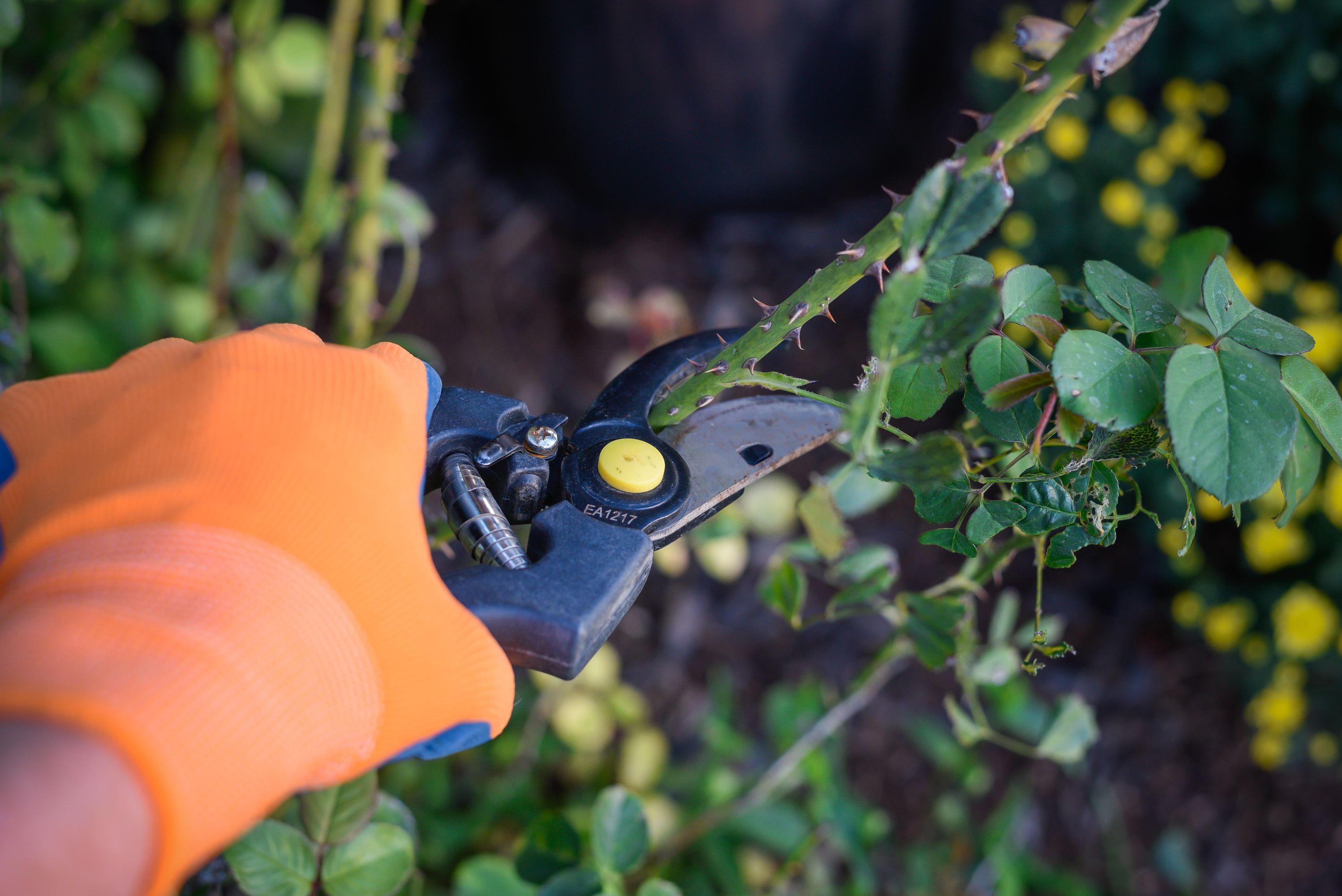
Gardening is basically a long-term relationship with dirt: sometimes it’s dreamy, sometimes it’s complicated,
and occasionally it makes you question your life choices while you wrestle a tomato cage in the wind.
The good news? A few smart habits can turn “random acts of planting” into a garden that actually looks like
you meant to do it on purpose.
Below are 25 practical, proven gardening tips that work for beginners and seasoned plant whisperers alike.
You’ll get the “why,” the “how,” and a few reality checksbecause plants don’t care about our schedules,
but they do respond to good systems.
Start With the Stuff That Matters Most: Sun, Soil, and Planning
1) Know your sun like you know your coffee order
Before you buy a single plant, figure out how many hours of direct sun your spot gets in summer. “Full sun”
usually means 6+ hours. Morning sun is gentler; late-afternoon sun can be intense. Place sun-lovers (tomatoes,
peppers, most herbs) where they’ll thrive, and shade-tolerant plants (some greens, ferns, hostas) where they
won’t fry.
2) Use the USDA Plant Hardiness Zone as a baseline, not a prophecy
Hardiness zones help you choose perennials likely to survive winter lows where you live. But microclimates
matter: a warm wall, a windy corner, or a low spot that collects frost can change outcomes. Use the zone to
narrow choices, then observe your yard like a scientist with a trowel.
3) Test your soil before you “fix” it
Guessing soil pH and nutrients is like seasoning soup without tasting. A soil test can tell you pH, phosphorus,
and other basics, plus what (if anything) to add. Many gardeners over-lime or over-fertilize with the best
intentionsand then wonder why plants look unimpressed.
4) Don’t work wet soil (it remembers)
Digging or tilling when soil is soggy compacts it, wrecks structure, and can turn it into something with the
texture of brick. Do the simple test: squeeze a handful. If it forms a sticky ball that doesn’t crumble, wait.
Your future roots will thank you.
5) Improve soil with organic matterconsistently
Compost and other organic matter improve drainage in clay, add water-holding capacity in sandy soil, and feed
the soil life that supports plant health. The keyword is “consistently.” A little compost each season beats a
one-time mega-dump followed by years of neglect.
6) Build beds where you stand, not where you wish you stood
Put your garden where you’ll actually visit it. A perfect plot “way over there” is where weeds go to start
families. A smaller bed near the door often outperforms a big distant one because you’ll notice problems
sooner and harvest more often.
7) Sketch your garden like a coach drawing plays
A quick plan prevents chaos. Note what you grew where last year, where tall crops cast shade, and where hoses
reach. Even a rough sketch helps with crop rotation, succession planting, and avoiding the classic move:
planting a pumpkin vine next to a walkway and then acting betrayed when it behaves like a pumpkin vine.
Planting Smarter: Timing, Technique, and Spacing
8) Plant the right thing at the right time (your calendar is not the boss of frost)
Use local frost dates as a guide and match crops to temperatures. Peas and spinach enjoy cool weather; okra and
basil want warmth. Trying to rush heat-lovers into cold soil is how you end up with stunted plants and a
bruised ego.
9) Harden off seedlings so they don’t faint dramatically outdoors
Indoor seedlings are soft babies. Hardening off means gradually exposing them to sun, wind, and outdoor
temperature swings over 7–14 days. Start with shade and calm conditions, then slowly increase exposure.
This reduces transplant shock and helps plants establish faster.
10) Plant at the correct depthmost seeds want a “blanket,” not a burial
A common rule: plant seeds about 2–3 times as deep as the seed’s diameter (unless the packet says otherwise).
Too shallow can dry out; too deep can prevent emergence. Tiny seeds often need light to germinateso they want
a gentle press into the surface, not a dirt nap.
11) Give plants the space they’re asking for (even if it feels emotionally distant)
Crowded plants compete for light, water, and nutrients, and they stay damp longerinviting disease. Follow
spacing guidelines and thin seedlings. Yes, thinning feels like breaking up with plants you raised. But the
survivors will be healthier, more productive, and less likely to become a mildew convention.
12) Water in transplants properly: the “root-to-soil handshake” matters
When transplanting, water the hole or water immediately after planting to settle soil around roots and remove
air pockets. Press soil gentlyfirm, not compacted. Then mulch (but don’t smother the stem) to keep moisture
steady while roots recover.
13) Rotate crop families to outsmart pests and diseases
Many pests and diseases build up when you plant the same family in the same spot year after year. Rotate
families (like tomatoes/peppers/eggplant, or cabbage/broccoli/kale) so they return to the same bed only every
3–4 years if possible. Even partial rotation helps.
14) Succession plant to harvest longer (instead of all at once and then… nothing)
Sow small batches every 1–3 weeks for crops like lettuce, radishes, cilantro, and beans. This keeps harvests
steady and reduces the “I have 47 zucchinis today and none next week” situation. Staggering also spreads risk
if pests or weather wipe out one planting.
Watering and Feeding: The Art of Not Overdoing It
15) Water deeply, less oftentrain roots to go down
Frequent light watering encourages shallow roots, which makes plants more vulnerable to heat stress. Instead,
water thoroughly so moisture reaches deeper into the root zone. Check soil a couple inches down; if it’s dry,
it’s time to water. If it’s moist, step away from the hose.
16) Aim for about 1 inch of water per week for many veggie gardens
A common guideline for established vegetable gardens is roughly an inch of water weekly (from rain plus
irrigation), adjusted for heat, wind, soil type, and plant stage. Use a rain gauge or a straight-sided
container to see what you’re actually delivering.
17) Water early in the day for happier plants and fewer leaf diseases
Morning watering reduces evaporation and gives foliage time to dry. Wet leaves overnight can encourage fungal
issues. If you must water later, focus water at the base of plants to keep leaves dry and drama to a minimum.
18) Mulch like you mean itbut don’t build “mulch volcanos”
Mulch moderates soil temperature, reduces weeds, and slows evaporation. Apply it in an even layer and keep it
pulled back from stems and trunks to discourage rot and pests. Think “donut,” not “volcano.”
19) Feed the soil first, then fertilize strategically
Healthy soil does a lot of nutritional heavy lifting. When you do fertilize, match it to plant needs and
timing. Too much nitrogen can give you lush leaves and disappointing fruit on tomatoes and peppers. Slow and
steady wins the harvest.
20) Compost smart: balance greens and browns, and watch moisture
Effective compost needs a mix of nitrogen-rich “greens” (kitchen scraps, fresh grass clippings) and
carbon-rich “browns” (dry leaves, shredded cardboard). Keep it about as damp as a wrung-out sponge and add
oxygen by turning or aerating. A well-managed pile can heat up, which speeds decomposition and helps reduce
pathogens and weed seeds.
Pests, Diseases, and Weeds: Win With Prevention and Timing
21) Practice IPM: scout first, then act with the least intense solution
Integrated Pest Management (IPM) means you don’t go nuclear at the first chewed leaf. Identify the pest,
monitor how bad it is, and use cultural and mechanical fixes first (like removing infested leaves, improving
airflow, or hand-picking). If you do use a pesticide, choose the least toxic effective option and follow the
label exactly.
22) Improve airflow to prevent fungal problems
Many plant diseases thrive in humid, still conditions. Space plants properly, prune for airflow when
appropriate, and avoid overhead watering late in the day. Tomatoes benefit from staking or caging; squash and
cucumbers benefit from trellising if space allows.
23) Weed early and often (tiny weeds are polite; big weeds have lawyers)
Weeds compete for water and nutrients. The easiest time to remove them is when they’re small and before they
seed. A quick weekly pass with a hoe or hand weeder is far less painful than an annual “I live in a thistle
documentary now” event.
24) Clean habits prevent big problems
Remove diseased plant debris, sanitize pruners when moving between infected plants, and don’t compost plants
with serious disease unless you’re confident your compost gets hot enough for long enough. Good hygiene in the
garden is boringbut it’s the boring that saves your season.
Containers and Maintenance: Small Moves, Big Results
25) Skip the rocks in the bottom of potsuse better soil and drainage holes instead
Putting gravel or rocks in the bottom of a container doesn’t improve drainage the way people hope. It can
create a zone where water hangs out above the rocks, keeping soil wetter near roots. The better solution:
use a quality potting mix, make sure the pot has drainage holes, and consider adding perlite for aeration.
Your container plants don’t need a rock collection; they need air and consistent moisture.
Bonus: of Real-Garden Experience (a.k.a. What Usually Happens in Backyards)
Here’s a truth gardeners learn the fun way (meaning: after at least one avoidable mess): gardens don’t fail
because you didn’t buy the fanciest fertilizer. They struggle because the daily basics weren’t set up to be
easy. The easiest garden to maintain is the one designed for your real lifeyour time, your weather, your
patience level, and your willingness to drag a hose across the yard.
For example, many gardeners start out watering “a little bit every day” because it feels responsible, like
doing homework. But what often happens is shallow roots and plants that wilt the second summer gets spicy.
When people switch to deeper watering and add mulch, they’re shocked by how quickly plants act like they’re
back in therapy and making progress. Suddenly tomatoes stop sulking, basil looks less dramatic, and peppers
don’t drop blossoms at the first sign of stress.
Another common experience: the Great Spacing Denial. Seedlings look adorable and harmless, so it’s tempting to
plant them close “just for now.” Then July arrives, and your bed becomes a jungle where airflow is a rumor.
Powdery mildew and fungal leaf spots love that environment. Gardeners who thin early and stake plants usually
end up with fewer diseases and easier harvestingbecause you can actually see what you’re picking.
Composting has its own learning curve too. Early compost piles often swing between “dry as a desert” and “a
smelly swamp.” Most folks eventually discover the wrung-out-sponge moisture target and the magic of shredding
browns (dry leaves, cardboard) so they break down faster. Once compost becomes a regular habitadd a layer,
cover scraps, turn when you remembersoil texture improves, and plants start needing less “rescue feeding.”
And containers? Containers are wonderful… and also tiny, portable lessons in physics. They dry out faster,
overheat more easily, and punish inconsistent watering. The gardeners who succeed with pots tend to do three
things: pick the right container size (bigger is more forgiving), use a quality potting mix (not garden soil),
and check moisture oftenespecially during heat waves. Once that routine clicks, containers become reliable
instead of needy.
Finally, the most underrated “experience tip” is simply paying attention. Walk your garden like you’re doing a
quick health check: look under leaves, scan for chewed edges, notice pale growth, poke the soil, and see who’s
flowering. The earlier you notice a problem, the smaller (and cheaper) the solution. Gardening rewards the
people who show up regularlyeven for five minutesbecause plants change fast, and so do pests. The goal isn’t
perfection. The goal is a system that keeps you in the game long enough to enjoy the harvest, the flowers,
and the deeply satisfying feeling of having outsmarted a weed… at least for this week.
Conclusion
Great gardens aren’t built on secret tricksthey’re built on repeatable fundamentals: right plant, right
place, healthy soil, consistent water, smart spacing, and calm pest management. If you implement even a third
of these tips, you’ll spend less time reacting to problems and more time enjoying the best parts of gardening:
harvesting, sharing, and casually showing friends your basil like it’s a newborn baby.