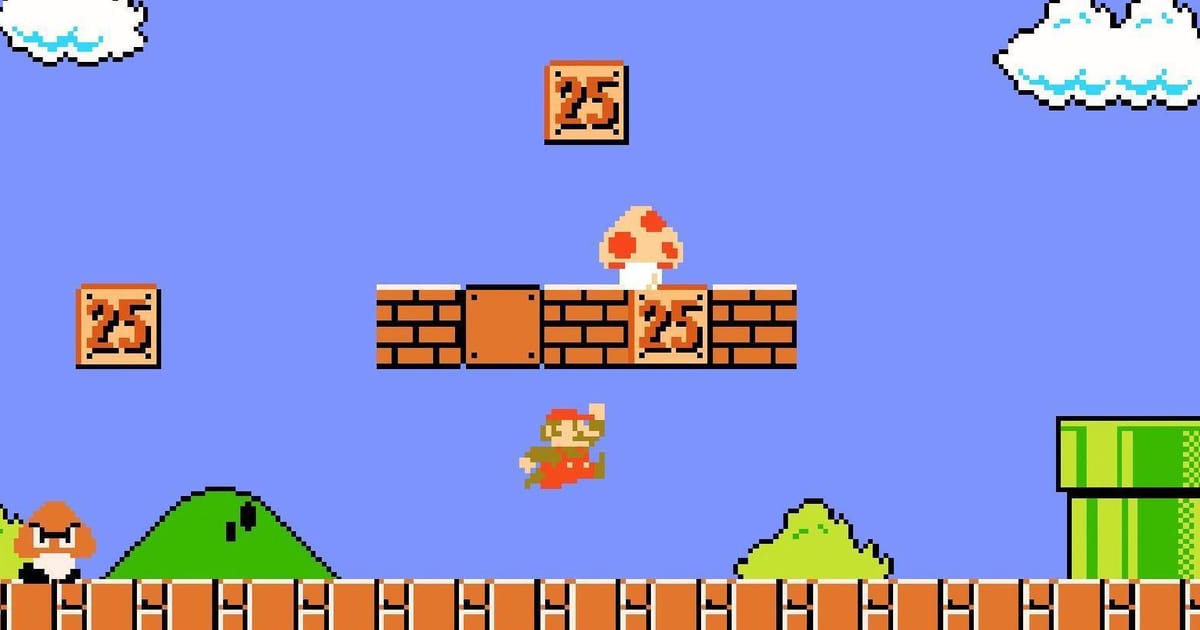
Super Mario Bros. is the kind of game that looks simple until you realize it basically taught the world how to jump, run, panic, celebrate, and blame a small digital turtle for ruining a perfectly good afternoon. Released in the mid-1980s, this Nintendo classic did more than introduce players to the Mushroom Kingdom. It helped shape platform games, popularized side-scrolling adventures, and turned a mustached hero in overalls into one of the most recognizable characters on Earth.
But even if you can hum the theme song, dodge a Goomba in your sleep, and still remember the emotional betrayal of missing a jump in World 8-3, there are plenty of Super Mario Bros. trivia facts hiding behind those brick blocks. From Mario’s original name to secret glitches, clever design tricks, and musical history, here are 20 things you never knew about Super Mario Bros.
Why Super Mario Bros. Still Matters
Before we jump into the trivia pipe, it helps to understand why this game became such a cultural giant. Super Mario Bros. was not just another NES game. It was a masterclass in design. It showed players what to do without a long tutorial, created memorable characters with only a handful of pixels, and made every level feel like a tiny adventure. In a world where many games now need a 45-minute onboarding sequence and three patch updates before breakfast, Mario’s first big side-scrolling quest remains refreshingly elegant.
20 Super Mario Bros. Trivia Facts You Never Knew
1. Mario Was Not Always Named Mario
Before he became Mario, the world’s favorite plumber was known as Jumpman in the 1981 arcade game Donkey Kong. Shigeru Miyamoto also considered the name “Mr. Video,” because he imagined the character appearing across many different games like a recurring movie cameo. Luckily, “Mr. Video Bros.” never happened. Some alternate timelines are best left unplugged.
2. Mario Was Named After a Real Person
The name Mario was inspired by Mario Segale, a real estate developer connected to Nintendo of America’s early operations near Seattle. The story has become one of gaming’s favorite behind-the-scenes legends: a real landlord helped give a digital hero his forever name. Not bad for a man who never had to stomp a Koopa to make history.
3. Super Mario Bros. Was Released in 1985
Super Mario Bros. launched in Japan for the Famicom in 1985 and became one of the defining games of the Nintendo Entertainment System era. Nintendo’s official Mario history lists the NES release date as October 18, 1985. That date matters because the game arrived when home video games needed a serious comeback. Mario did not just enter the room; he kicked down the castle door.
4. The Game Was a Sequel to Mario Bros.
The title may sound like the beginning, but Super Mario Bros. followed the 1983 arcade game Mario Bros. That earlier game featured Mario and Luigi dealing with enemies in sewer-like stages. The 1985 game expanded the idea dramatically, turning a single-screen arcade concept into a scrolling journey through fields, caves, water levels, bridges, and castles.
5. World 1-1 Is Secretly a Tutorial
One of the greatest things about World 1-1 is that it teaches without talking. The first Goomba walks toward Mario, inviting the player to jump. The first question block rewards curiosity. The first pipe suggests exploration. The level says, “Here is how this world works,” without popping up a text box the size of a tax form.
6. The Goomba Was Designed to Be Simple
Goombas may look like angry mushrooms with shoe problems, but their design is brilliant. They are slow, predictable, and easy to understand. That makes them perfect first enemies. Players learn that contact hurts, jumping helps, and timing matters. In other words, the humble Goomba is basically the Mushroom Kingdom’s least-paid professor.
7. Mario’s Look Came From Technical Limits
Mario’s hat, mustache, gloves, and overalls were not random fashion choices. Early hardware had limited pixels, so the character needed bold visual features. A mustache helped define his face, a cap avoided the need to animate hair, and gloves made his movements easier to read. Retro style was not just charming; it was problem-solving in tiny squares.
8. Mario Was a Carpenter Before He Was a Plumber
In Donkey Kong, Mario was associated with construction, so he was closer to a carpenter than a plumber. The plumbing identity made more sense later, especially after pipes became central to the Mario universe. Once a character spends enough time entering mysterious pipes, the job title practically writes itself.
9. Mushrooms Were Inspired by Fairy-Tale Logic
The Super Mushroom is one of the most famous power-ups in gaming. The idea fits the game’s magical kingdom setting, where mushrooms, forests, and strange transformations feel right at home. Eating a mushroom and suddenly growing larger may be questionable nutrition, but in Mario’s world, it is just Tuesday.
10. The Fire Flower Changed Mario’s Personality
The Fire Flower does more than give Mario a ranged attack. It changes how players behave. Suddenly, instead of carefully hopping over danger, you can blast fireballs across the screen. This simple power-up creates a shift from survival to confidence, at least until a Hammer Bro reminds you that confidence is not the same as skill.
11. The Star Makes You Feel Invincible
The Starman is short-lived, but unforgettable. Its music speeds up the mood, Mario flashes, and enemies become speed bumps. The genius is that the power does not last long. Players feel unstoppable for just enough time to take risks, then instantly return to being one mistimed jump away from disaster.
12. The Theme Song Made Music History
Koji Kondo’s “Ground Theme” is one of the most recognizable pieces of video game music ever created. In 2023, the Super Mario Bros. theme was selected for preservation in the U.S. Library of Congress National Recording Registry, becoming a milestone for video game music. Not bad for a tune that has lived rent-free in people’s brains for decades.
13. The Music Works Like Game Design
The soundtrack is not just catchy background noise. It supports the pace of the game. The overworld theme feels bouncy and bright, underwater music feels floaty, and castle music creates instant tension. Before games had cinematic orchestras, Super Mario Bros. proved that a few memorable melodies could build an entire emotional world.
14. Bushes and Clouds Share a Visual Trick
One famous bit of visual economy in Super Mario Bros. is that some bushes and clouds use similar shapes with different colors. This kind of asset reuse helped save space while keeping levels lively. It is the 8-bit equivalent of turning one outfit into two looks by changing the jacket.
15. Bowser Is Not Always Bowser
In several castle levels, the “Bowser” Mario defeats is actually a disguised enemy. If players beat him with fireballs, the illusion is revealed. This small detail adds mystery to the adventure and makes the final confrontation feel more important. Apparently, even villains in the Mushroom Kingdom believe in understudies.
16. Warp Zones Reward Curious Players
The Warp Zones are among the game’s most famous secrets. By exploring above the normal path in certain levels, players can skip ahead to later worlds. This was not just a cheat-like shortcut; it encouraged experimentation. Super Mario Bros. quietly taught players that the obvious route is not always the only route.
17. The Minus World Is a Legendary Glitch
The Minus World, often shown as World -1, is one of the most famous glitches in video game history. In the NES version, players can enter a looping underwater level by exploiting a wall-and-pipe glitch in World 1-2. It feels like a secret dimension, even though it was not designed as a normal playable world.
18. The Infinite 1-Up Trick Became Playground Legend
Many players learned about the infinite 1-Up trick through friends, magazines, or pure trial and error. By bouncing a Koopa shell repeatedly in the right spot, Mario can rack up extra lives. Whether you saw it as a clever technique or suspicious turtle bullying, it became one of the game’s most iconic tricks.
19. Super Mario Bros. Sold More Than 40 Million Copies
The game became a massive commercial success, selling more than 40 million copies worldwide. Its bundling with the NES helped put Mario in millions of homes and made the game a shared cultural memory. For many families, the NES was not just a console; it was the machine that made everyone argue over whose turn it was.
20. The Game Entered the World Video Game Hall of Fame
Super Mario Bros. is recognized by The Strong National Museum of Play’s World Video Game Hall of Fame, a fitting honor for a game that influenced design, culture, music, and childhood memories around the world. Few games have aged this gracefully. Mario may be pixelated, but his legacy is high-definition.
What These Super Mario Bros. Facts Reveal About Great Game Design
The best Super Mario Bros. facts are not just random trivia. They reveal how carefully the game was built. World 1-1 teaches movement. Power-ups teach risk and reward. Secrets teach curiosity. Music shapes emotion. Even technical limits became part of Mario’s personality. Instead of fighting against hardware restrictions, Nintendo turned them into iconic design choices.
That is why the original game still feels readable today. You can hand a controller to someone who has never played it, and within seconds they understand the basics. The game does not need to explain fun. It simply places a Goomba in your path and trusts your thumbs to figure things out.
Player Experiences: Why Super Mario Bros. Still Feels Magical
Playing Super Mario Bros. is a surprisingly emotional experience, especially for a game built from simple shapes, bright colors, and a hero who solves most problems by jumping on them. The first few seconds of World 1-1 feel friendly. The sky is blue, the music is cheerful, and the first question block practically begs to be hit. Then a Goomba appears, and suddenly the game becomes a tiny drama about courage, timing, and whether your thumb is awake.
For many players, the magic comes from discovery. Maybe you found your first hidden 1-Up by accident. Maybe someone showed you the Warp Zone and you felt like you had been handed forbidden knowledge. Maybe you entered the Minus World and thought you had broken reality. These moments turned Super Mario Bros. into more than a game. It became a playground filled with rumors, secrets, and “Wait, you can do that?” conversations.
The game also creates a memorable rhythm. You start carefully, then get bold. You grab a mushroom and suddenly feel taller in real life. You get a Fire Flower and begin clearing enemies like a tiny mustached action hero. Then you mistime one jump, fall into a pit, and remember that the Mushroom Kingdom has no mercy department. That emotional loopconfidence, chaos, recovery, and retryis part of why the game remains so addictive.
Another unforgettable experience is the sound. The main theme makes the adventure feel light and playful, but the castle music changes everything. Suddenly the game feels dangerous. The timer is ticking, fire bars are spinning, and Bowser is waiting at the end like a bad landlord with lava. Even without modern graphics, voice acting, or cinematic cutscenes, the game makes players feel pressure and excitement.
What makes Super Mario Bros. special is that it respects the player. It does not overexplain. It lets mistakes teach lessons. It rewards curiosity with coins, shortcuts, and secrets. It makes every successful jump feel earned. Whether someone played it on an original NES, a modern Nintendo system, or through a classic collection, the experience still works because the design is clean, generous, and endlessly replayable.
In a modern gaming world full of huge maps and complicated menus, returning to Super Mario Bros. can feel like opening a perfectly built toy box. Everything has a purpose. Every enemy, block, pipe, and platform contributes to the adventure. That is why this 8-bit classic still feels alive. It does not need nostalgia to be fun, although nostalgia certainly shows up wearing overalls and humming the theme song.
Conclusion
Super Mario Bros. remains one of the most important video games ever made because it combines simplicity with genius. Its secrets, glitches, music, characters, and level design continue to inspire players and developers decades after its release. These 20 pieces of Super Mario Bros. trivia show that the game’s magic is not accidental. Every jump, mushroom, pipe, and melody helped create a world that still feels welcoming, challenging, and wonderfully strange.
Whether you are a lifelong Nintendo fan or a curious newcomer, the original Super Mario Bros. proves that great design never really gets old. It just waits for someone to press Start again.