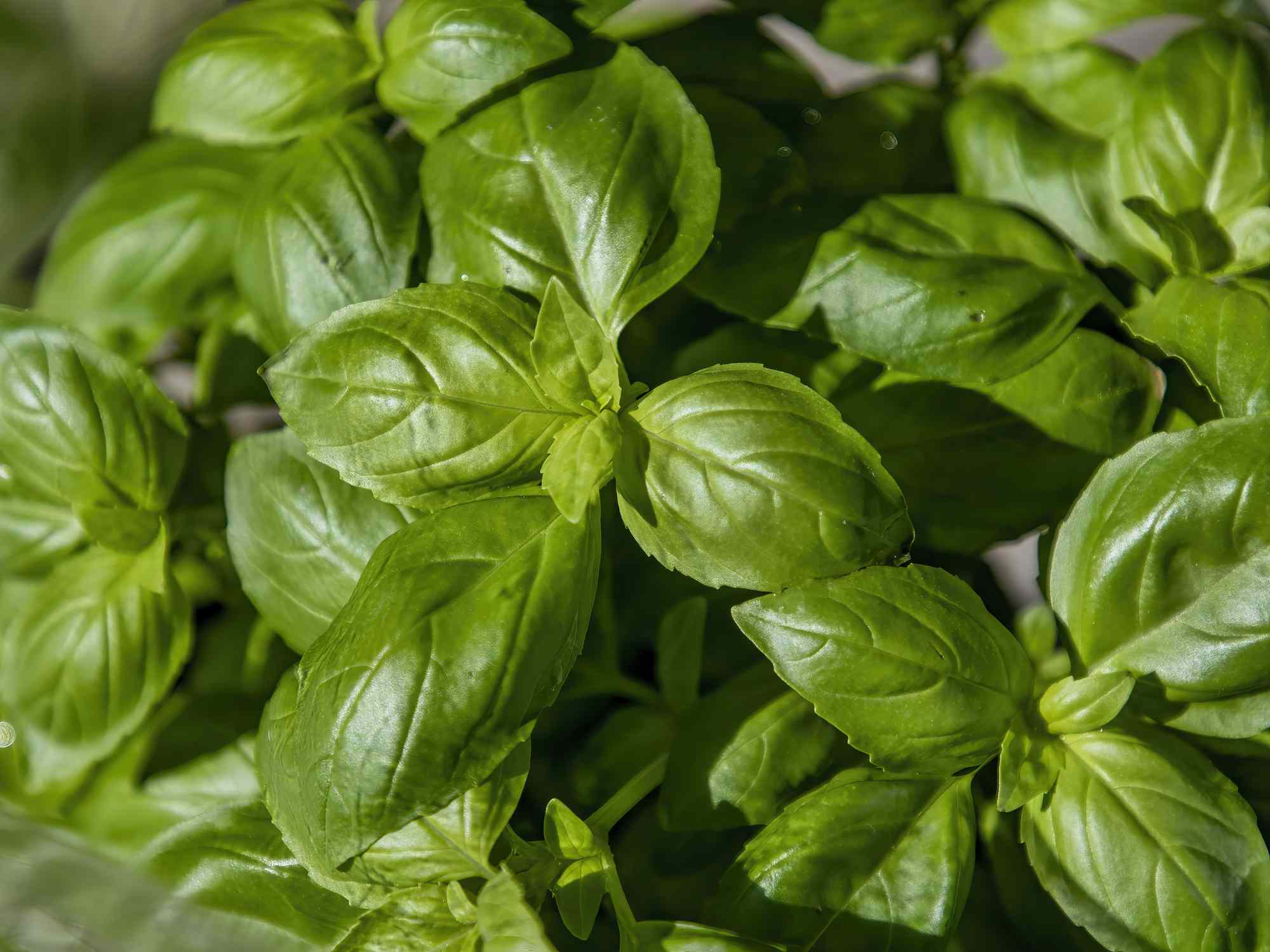
Basil already behaves like the garden’s overachiever. It smells amazing, turns a plain pasta night into a life event, and makes even a humble raised bed feel a little Mediterranean. But basil gets even better when it grows with the right neighbors. That is where companion planting comes in.
Now, let’s be honest: companion planting is not magic. Your basil will not become a bodyguard with leaves. Still, smart plant pairings can make a real difference. The best basil companion plants can help you use space more efficiently, attract pollinators and beneficial insects, create a more diverse planting bed, and in some cases reduce pest pressure. A few classic pairings, especially basil with tomatoes, have some research behind them. Others are simply practical, good-looking, and garden-friendly.
In this guide, you will find 20 basil companion plants that are worth trying, plus tips on how to combine them without turning your garden into a leafy traffic jam. Whether you grow in raised beds, containers, or a sunny backyard plot, these pairings can help your basil stay healthier, more productive, and less tempting to unwanted visitors.
Why Basil Benefits from Companion Planting
Basil likes warm weather, plenty of sun, well-drained soil, and regular moisture. It also appreciates good airflow, which helps reduce disease pressure. That means the best companion plants for basil usually fit into one of four categories: plants with similar growing needs, crops that make efficient use of shared space, flowers that attract helpful insects, and aromatic or diverse neighbors that can make it harder for pests to zero in on a buffet.
In other words, the goal is not to create a fantasy football lineup of “perfect” plants. The goal is to build a smarter planting mix. Some companions help basil indirectly by drawing in pollinators. Some help fill empty soil so weeds have less room to move in. Others pair well with basil because they thrive in the same summer conditions and make bed planning easier.
20 Basil Companion Plants That Actually Make Sense
Classic Vegetable Partners
-
Tomatoes
This is the celebrity couple of the edible garden, and for good reason. Basil and tomatoes enjoy similar warmth, sunlight, and watering patterns, which makes them easy to grow together. They also make efficient use of space, and basil’s compact habit fits nicely around tomato plants without stealing the spotlight. -
Peppers
Sweet peppers and hot peppers both pair well with basil because they like the same hot, sunny conditions. Basil can tuck in around the base of pepper plants, helping the bed look fuller and more intentional instead of like you forgot to finish planting it. -
Eggplant
Eggplant is another heat-loving crop that plays nicely with basil. Their shared care needs make irrigation and feeding simpler, and basil’s lower growth habit can soften the look of a bed dominated by large, broad eggplant leaves. -
Asparagus
Asparagus and basil are often listed together in companion charts, and the pairing can work well in mixed edible beds. Basil brings summer productivity and fragrance near asparagus plantings, especially once the spear harvest season ends and you want the bed to keep earning its keep.
Other Herbs That Pair Well with Basil
-
Parsley
Parsley and basil are a kitchen dream team, but they also work well in the garden. Both fit neatly into herb borders and raised beds, and parsley’s flowering stage can help support beneficial insects if you let a plant or two bolt. -
Chives
Chives are compact, tidy, and useful. They do not bully basil, they look great planted at bed edges, and they add another aromatic note to the planting mix, which can help make the garden less predictable to pests. -
Cilantro
Cilantro is more of a seasonal relay partner than a permanent summer roommate, but it still deserves a spot. In many gardens, cilantro performs best in cooler weather while basil takes over as temperatures rise. That makes them great companions in succession planting plans. -
Oregano
Oregano and basil are both sun-loving herbs that can create a productive, fragrant herb section. Just give oregano enough room, because it can spread enthusiastically when it feels emotionally supported by summer. -
Thyme
Thyme stays low and makes a good front-of-bed companion. It does not compete heavily for space, and it gives you a layered herb planting that looks organized, useful, and pleasantly smug.
Leafy and Root Crop Companions for Efficient Space Use
-
Lettuce
Lettuce and basil can work well together, especially in spring-to-summer transitions or in larger containers. Lettuce fills lower gaps while basil grows upward and outward as the season warms, helping you get more harvest from the same square footage. -
Spinach
Spinach is another useful filler crop in mixed beds. It is especially handy if you want to harvest a quick cool-season crop before basil reaches full size and takes over the space. -
Carrots
Carrots make good basil companions because they use root space rather than leaf space. That means you can grow both in proximity without a dramatic above-ground custody battle. -
Radishes
Radishes are fast, compact, and excellent for filling gaps while basil is still maturing. They are basically the sprinters of the vegetable patch: in, out, done, while basil is still warming up. -
Beets
Beets can share space with basil in a mixed bed, especially when spacing is planned carefully. Their upright foliage and root growth pattern make them a decent match for gardeners who want more diversity without overcrowding.
Flowers and Insectary Plants That Help the Whole Bed
-
Marigolds
Marigolds are one of the most popular basil companion flowers, and they earn that reputation. They add bright color, contribute to bed diversity, and are often used in companion planting for pest management. While not every marigold claim is equally strong, they are still a smart choice in edible gardens. -
Nasturtiums
Nasturtiums are the charming extroverts of the vegetable patch. They can act as a decoy for some pests, bring in pollinators, and spill beautifully over bed edges or container rims. They also make your basil patch look like you hired a garden stylist. -
Sweet Alyssum
Sweet alyssum is tiny, low-growing, and incredibly useful. It is famous for attracting beneficial insects such as hoverflies and parasitic wasps, making it a strong companion for basil and the crops around it. -
Borage
Borage is a pollinator magnet with starry blue flowers and a relaxed cottage-garden look. It brings bees and other helpful insects into the area, which benefits the entire planting rather than basil alone. -
Calendula
Calendula adds cheerful color and long-season bloom power. It fits beautifully into mixed herb and vegetable beds and helps create the flowering diversity that companion planting relies on. -
Zinnias
Zinnias are not subtle, and that is exactly why they are useful. They bloom for a long time, attract pollinators, and turn a practical food garden into something that looks intentional, vibrant, and very hard to ignore.
How These Basil Companion Plants Help in Real Gardens
The phrase “boost growth and prevent pests” sounds dramatic, but in real gardening, the benefits are often small, steady, and cumulative. Basil companion planting works best when you think in systems rather than miracles.
- Shared growing conditions: Tomatoes, peppers, eggplant, oregano, and thyme all fit basil’s summer-loving personality.
- Better use of space: Lettuce, spinach, radishes, carrots, and beets can fill gaps or use different layers of the bed.
- More beneficial insects: Sweet alyssum, borage, calendula, marigolds, nasturtiums, and zinnias help attract pollinators and natural enemies of pest insects.
- Greater biodiversity: A diverse bed can make it harder for pests to find one favorite crop and settle in for the season.
- Visual balance: A basil planting mixed with flowers and herbs is simply easier to maintain because you notice problems sooner when the bed is pleasant to visit.
How to Plant Basil with Companions Without Causing Trouble
Companion planting only works when spacing, timing, and airflow are handled well. Even the friendliest plants become annoying neighbors when they are stuffed too close together.
Give Basil the Basics First
Start with a sunny location, well-drained soil, and consistent moisture. Basil is not interested in swamp life, but it also does not enjoy drying out completely. Pinch it regularly to keep it bushy, and remove flower spikes if you want the best leaf production.
Use Tall-Middle-Low Layers
A simple formula works well: place taller crops like tomatoes and peppers behind or in the center, basil in the middle layer, and low growers such as thyme, alyssum, or lettuce near the edges. This keeps the bed productive without turning it into a chlorophyll traffic jam.
Mix Function with Beauty
Pair edible crops with flowering companions on purpose. A border of marigolds, a few clumps of alyssum, and pockets of basil among tomatoes and peppers create a planting that is easier on the eyes and more supportive of beneficial insects.
Do Not Overcrowd Aggressive Growers
Basil likes companionship, not suffocation. Give spreading plants like oregano and borage enough room, and avoid letting any one vigorous plant take over. Good airflow matters, especially in humid climates where basil can struggle with disease.
What Not to Plant Too Close to Basil
While basil is fairly sociable, it is not compatible with everything. Avoid pairing it too tightly with overly aggressive spreaders that can crowd it out. Many gardeners also skip fennel near mixed herb and vegetable beds because fennel tends to be a poor team player in general. The bigger issue, though, is not some dramatic feud between plants. It is competition for light, airflow, and moisture.
Final Thoughts on the Best Basil Companion Plants
The best basil companion plants are not always the ones with the flashiest folklore. They are the ones that make your garden more balanced, more diverse, and easier to manage. Tomatoes are the classic match. Peppers, eggplant, parsley, chives, and oregano are practical partners. Flowers like marigolds, nasturtiums, sweet alyssum, borage, calendula, and zinnias help turn a basil planting into a more resilient mini-ecosystem.
If you want healthier basil, fewer pest headaches, and a garden that looks as good as it tastes, companion planting is absolutely worth trying. Just keep expectations realistic, give plants enough room, and remember that good gardening still beats gardening mythology every time.
Practical Experience and Real-World Lessons from Growing Basil with Companions
In real gardens, the experience of growing basil with companion plants usually feels less like a dramatic before-and-after reveal and more like a series of small wins that add up over the season. Gardeners often notice first that mixed plantings simply feel healthier. A row of basil tucked around tomatoes or peppers tends to make the bed look fuller, which means the soil dries out a little more slowly, weeds have fewer empty patches to claim, and the space becomes easier to check during daily watering.
One common experience is that basil near tomatoes makes the whole garden easier to harvest and manage. You walk out for a tomato, spot a few basil tips ready for picking, and suddenly dinner improves itself. That may sound like a kitchen bonus rather than a gardening benefit, but frequent harvesting keeps basil bushier. Bushier basil means more leaves, fewer flowers, and a plant that stays productive longer.
Another real-world lesson is that flowers matter more than many people expect. Gardeners who mix basil with alyssum, marigolds, borage, nasturtiums, or zinnias often report that the area feels more alive. There are more bees visiting, more small beneficial insects moving around, and generally less of that lonely monoculture look where pests can settle in unnoticed. That does not mean every insect problem disappears. Aphids do not file a formal eviction notice just because you planted a marigold. But the garden often becomes more balanced, and balance is a big deal.
There is also a spacing lesson that almost everyone learns the hard way at least once. Basil starts small and innocent-looking, so it is tempting to pack in companions too tightly. Then midsummer arrives, the tomatoes become giant, the basil turns into a leafy shrub, the oregano sprawls like it pays rent, and airflow becomes a memory. The smarter approach is to plant with July in mind, not April optimism. Give basil room to branch, especially in humid climates.
Container gardeners have their own version of this experience. A large pot with one tomato, one basil, and a low edging plant like alyssum can look fantastic and be very productive. But a small pot crammed with five “companion plants” is usually just a stressed-out salad. In containers, companion planting works best when you keep it simple and respect root space.
Perhaps the biggest takeaway from practical experience is this: basil companion planting works best when it supports solid gardening habits. Water consistently. Harvest often. Watch for crowding. Invite flowers into the bed. Think in terms of diversity instead of miracle cures. When gardeners do that, basil usually rewards them with lush growth, steady harvests, and fewer pest headaches. And honestly, that is a pretty great deal for a plant whose second job is turning olive oil, garlic, and cheese into happiness.