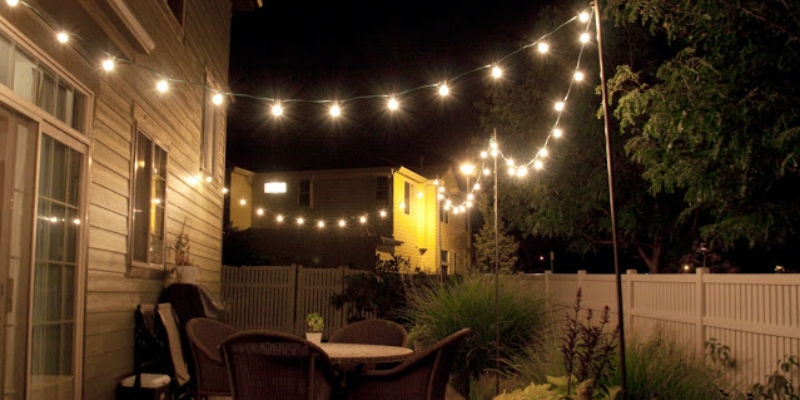
When the sun goes down, a thoughtfully lit backyard does not disappearit gets a second personality. The ordinary patio becomes an intimate dining room, a favorite tree turns into living sculpture, and the walkway stops behaving like an obstacle course designed by mischievous garden gnomes.
The best backyard lighting ideas combine three things: visibility, atmosphere, and restraint. You need enough illumination to walk, cook, and socialize safely, but not so much that your yard resembles a convenience-store parking lot. By layering ambient, task, and accent lighting, you can create an outdoor space that feels welcoming, useful, and visually interesting.
Whether you are planning a complete low-voltage landscape lighting system or simply hanging a few outdoor string lights, the following ideas can help you transform your backyard after dark.
Plan Your Backyard Lighting Before Buying Fixtures
Before filling an online cart with glowing objects, walk through your backyard at night. Identify the places where people move, gather, cook, climb steps, or admire the landscaping. This quick nighttime inspection usually reveals where lighting is genuinely needed and where it would merely be decorative.
Layer the Three Main Types of Outdoor Light
A balanced lighting plan typically includes ambient light for general comfort, task light for specific activities, and accent light for plants or architectural features. String lights might provide atmosphere over a patio, while a downward-facing fixture illuminates the grill and a spotlight highlights a Japanese maple.
Choose Warm, Controlled Illumination
Warm white light in the approximate range of 2200K to 3000K generally feels more relaxing in residential landscapes than bluish daylight-colored bulbs. Warmer illumination also blends naturally with wood, stone, brick, foliage, and skin tones. Use timers, dimmers, motion sensors, and smart controls so the lights operate only when needed.
20 Amazing Backyard Lighting Ideas to Try
1. Create a Bistro-Style String Light Canopy
Outdoor string lights remain popular because they provide a large visual payoff without requiring a complete landscape renovation. Stretch commercial-style strands between a house, pergola, mature trees, or securely installed poles. A zigzag pattern feels casual, while straight parallel rows create a cleaner, more architectural appearance.
Install a support cable first when spanning a wide area so the electrical cord does not carry the full load. Allow a gentle dip between supports rather than pulling every strand drum-tight. The result should look festive, not as though the backyard is holding its breath.
2. Guide Guests with Low Path Lights
Path lighting improves visibility along garden walks, side yards, and routes between the house and patio. Instead of arranging fixtures like runway markers, stagger them from side to side. Space them far enough apart to create overlapping pools of light without illuminating every inch of pavement.
Choose shielded fixtures that direct light toward the ground. This reduces glare and helps guests see changes in elevation, edging, and wandering garden hoses before those objects introduce themselves unexpectedly.
3. Reproduce Moonlight from Above
Moonlighting is one of the most natural-looking backyard lighting techniques. A downward-facing fixture is mounted high in a mature tree or beneath an elevated structure, casting soft illumination through branches and leaves. The moving shadows create depth and make the light appear as though it came from the sky.
This technique works especially well over lawns, pathways, and quiet seating areas. Keep the output subtle. Artificial moonlight should whisper, not arrive with the enthusiasm of a sports stadium.
4. Uplight a Beautiful Tree
A carefully positioned spotlight or well light can turn a mature tree into the nighttime focal point of the yard. Place the fixture near the trunk and angle it upward to reveal interesting bark, branching patterns, or foliage.
For a broad tree, use two fixtures from different directions rather than one extremely bright lamp. The cross-lighting creates dimension and avoids a flat, overly dramatic shadow. Select only a few important specimens; uplighting every shrub can make the landscape look crowded.
5. Install Lights Beneath Steps and Retaining Walls
Integrated hardscape lighting offers both safety and sophistication. Small fixtures can be installed beneath stair treads, capstones, bench edges, or retaining-wall ledges. Because the source remains partially hidden, the light washes downward without shining directly into anyone’s eyes.
This approach works beautifully with stone, brick, concrete, and composite decking. It also defines elevation changes, which is particularly useful in yards where one innocent-looking step has been ambushing relatives for years.
6. Hang Pendant Lights from a Pergola
A pergola provides the perfect framework for outdoor pendants. Hang one large fixture above a dining table or use two or three smaller pendants over an outdoor kitchen island. Woven shades, metal lanterns, and weather-resistant glass fixtures can make the patio feel like a genuine outdoor room.
Consider the view from seated eye level. The fixture should illuminate the table without blocking conversation or creating glare. Choose a model with the correct moisture rating for the location.
7. Group Lanterns Around a Seating Area
Portable lanterns are ideal for renters, small patios, and homeowners who enjoy changing the arrangement. Combine lanterns in two or three sizes and place them beside a sofa, near planters, or around the edge of a deck.
Battery-operated LED candles provide flicker without open flames, dripping wax, or the memorable excitement of a cushion catching fire. For a cohesive display, repeat one materialsuch as black metal, aged brass, or woven rattanthroughout the group.
8. Add Rechargeable Table Lamps
Cordless rechargeable lamps bring indoor comfort outdoors. Place them on a dining table, bar cart, side table, or serving station to create flexible task lighting. Many models include several brightness settings, allowing the lamp to shift from dinner illumination to after-dinner ambiance.
These lamps are particularly useful where electrical outlets are limited. Store them indoors during severe weather unless the manufacturer specifically states that they can remain exposed.
9. Illuminate Deck and Fence Posts
Post-cap lights define the perimeter of a deck or fence without consuming floor space. Solar versions are easy to install, while wired low-voltage models usually provide more consistent performance in shaded locations.
Use the fixtures selectively rather than topping every available post. Lighting the corners, stairs, and entrances may provide all the definition you need. Repetition creates rhythm; excessive repetition creates a backyard dotted with tiny glowing hats.
10. Wash a Fence with Soft Light
A plain fence can become an attractive nighttime backdrop when illuminated with low, wide-beam fixtures. Position lights near the base and aim them upward for a textured effect, or mount shielded fixtures above and direct the light downward.
Wall washing is especially effective on horizontal wood, stone, stucco, and decorative privacy panels. Keep the fixtures evenly spaced, but allow some shadow between the beams so the surface retains character.
11. Use Solar Lights in Sunny Garden Beds
Solar lights are useful where running cable would be inconvenient. Place them among flowers, around raised beds, beside a shed, or along a secondary path. They are easy to relocate as plants grow or the landscape changes.
Performance depends heavily on sunlight exposure, panel orientation, battery condition, and seasonal weather. Avoid positioning the panels beneath dense foliage. Solar lights are excellent supporting actors, but in deeply shaded yards they may forget their lines before dessert.
12. Highlight a Fountain or Pond
Water reflects and multiplies light, making even modest illumination appear dramatic. Use a submerged fixture rated for aquatic applications, or position a shielded spotlight outside the water to graze a fountain, waterfall, or surrounding plants.
Avoid aiming intense light directly across a pool or pond at seated guests. Side lighting usually reveals movement and texture more effectively. Warm white light feels peaceful, while carefully used color can give a contemporary water feature extra personality.
13. Define the Area Around a Fire Pit
A fire already supplies warm, moving light, so the surrounding fixtures should remain quiet. Add low path lights on the approach, concealed lighting beneath built-in seating, or a few lanterns near the perimeter.
Keep fixtures, cords, batteries, and decorative materials safely away from heat and sparks. The goal is to help people navigate the space without competing with the flames. Let the fire be the celebrity; the electrical lighting can manage crowd control.
14. Make Planters Glow
Illuminated planters combine landscaping and lighting in one feature. Some containers have integrated LEDs, while standard planters can be enhanced with small spotlights tucked behind or beneath the foliage.
Use translucent containers for an even glow, or aim light through ornamental grasses to produce lively shadows. Large glowing planters can mark patio entrances, divide outdoor zones, or frame a backyard dining area.
15. Hide LED Strips Under Benches
Outdoor-rated LED strip lights can be concealed beneath bench seats, bar counters, stair rails, and cabinet edges. The hidden source creates a modern floating effect while supplying gentle background illumination.
Install the strips in a suitable weather-resistant channel and position them so individual diodes are not visible. A diffuser softens the light and makes the finished project look intentional rather than like leftover holiday decorations found a summer job.
16. Feature an Outdoor Chandelier
A chandelier can turn a covered porch, gazebo, or pergola into a memorable entertaining space. Choose a properly rated fixture that suits the scale of the table and structure. Rustic wood, black metal, coastal rope, and contemporary geometric designs can all work outdoors.
For a simpler approach, suspend a decorative frame holding weather-safe battery candles. The fixture becomes a daytime focal point and a nighttime source of atmosphere.
17. Divide the Yard into Smart Lighting Zones
Smart controls allow different areas to operate independently. You might create separate zones for the dining patio, garden path, outdoor kitchen, water feature, and security lights. This prevents the entire property from lighting up whenever one person steps outside.
Schedules can turn decorative lights off after entertaining hours, while dimmers adjust the mood throughout the evening. Look for controls designed for exterior use and verify that they are compatible with the transformer, fixtures, and bulbs.
18. Use Motion Lighting Where It Has a Job
Motion-activated lights are valuable near gates, trash storage areas, sheds, side passages, and exterior doors. Position sensors carefully so normal street activity, waving branches, and neighborhood cats do not trigger a nightly light show.
Choose shielded fixtures and moderate brightness. A targeted light that activates when needed can improve visibility without remaining on all night or shining into a neighbor’s window.
19. Illuminate Outdoor Art and Architectural Details
Accent lights can highlight sculptures, masonry, trellises, decorative screens, or an attractive exterior wall. Experiment with the fixture angle before permanently installing it. A light placed close to a textured surface creates stronger shadows, while a light positioned farther away provides a softer wash.
Not every feature needs equal attention. Select one or two focal points that help guide the eye through the yard after dark.
20. Add Flexible Seasonal Accents
Keep a small collection of portable lighting for parties and seasonal changes. Clip-on lights, LED candles, mini string lights, paper-look outdoor lanterns, and color-changing lamps can refresh the yard without altering the permanent system.
Use color as an accent rather than coating the entire landscape in electric purple. Warm white can remain the foundation, while temporary color adds fun around a bar, game area, holiday display, or birthday table.
How to Choose the Right Backyard Lighting
Match Brightness to the Activity
A grill, prep counter, or set of stairs needs more useful illumination than an ornamental flower bed. Compare fixture output in lumens rather than relying only on wattage. Select the lowest practical output, then use dimming or shielding to fine-tune the effect.
Choose Outdoor-Rated Materials
Look for corrosion-resistant metals, durable finishes, sealed connections, shatter-resistant bulbs, and moisture-rated components. Coastal environments, freezing winters, intense sun, and irrigation systems can be surprisingly demanding. A pretty fixture that rusts before the second barbecue is not a bargain.
Consider Low-Voltage and Solar Systems
Low-voltage landscape lighting is popular because it offers reliable output with relatively flexible installation. A transformer reduces household voltage before electricity reaches the fixtures. Solar products eliminate cable runs but require adequate sunlight and occasional battery or panel maintenance.
Prevent Glare and Light Spill
Direct light toward paths, work surfaces, plants, and architectural featuresnot the sky, bedroom windows, or neighboring properties. Shielded fixtures and careful aiming produce a more comfortable yard while reducing wasted light. More brightness does not automatically create more beauty; often it merely reveals the recycling bins in astonishing detail.
Experience-Based Lessons for Better Backyard Lighting
The most useful backyard lighting lessons tend to appear after the fixtures have been installed and the initial excitement has faded. A design may look impressive in a photograph yet feel uncomfortable during an actual dinner. That is why temporary testing is so valuable. Before burying cable or drilling into a pergola, place portable lights where permanent fixtures might go. Sit in every chair, walk every path, and view the setup from inside the house. A fixture that seems discreet while standing may shine directly into the eyes of anyone seated nearby.
Another recurring lesson is that successful outdoor lighting usually begins with less light than expected. Homeowners often try to brighten the entire yard evenly, only to remove bulbs or reduce output later. Darkness is not a design failure. It creates contrast, preserves the evening atmosphere, and allows highlighted trees, walls, and water features to stand out. A few carefully aimed fixtures can create more visual depth than a dozen lights scattered without a plan.
Plant growth also changes a lighting design. A spotlight aimed perfectly at a young shrub may be completely buried by foliage after one growing season. Path fixtures can lean as soil settles, mulch can cover lenses, and irrigation can leave mineral deposits on glass. Scheduling a quick inspection every few months keeps the system looking intentional. Clean the lenses, straighten stakes, trim nearby plants, check exposed cable, and adjust fixture angles as the landscape matures.
Color temperature makes a larger difference in person than it often does on a product page. Warm light tends to make wood, brick, natural stone, and greenery feel comfortable. Very cool white light can appear harsh beside a relaxed seating area, particularly when several fixtures with mismatched colors are visible at once. Buying one sample fixture or bulb before ordering an entire system can prevent an expensive collection of almost-matching whites.
Controls are another upgrade that becomes more valuable over time. Decorative lighting does not need to operate from sunset until sunrise. A timer can switch off patio and garden lights after the household goes indoors, while motion sensors keep side-yard or gate lighting available when needed. Separate zones also allow a quiet evening on the deck without illuminating the pool, shed, fence, and every tomato plant on the property.
Finally, a backyard lighting plan works best when it supports how the space is genuinely used. A family that frequently cooks outside needs excellent task lighting near the grill. A garden lover may care more about moonlighting and specimen-tree accents. A household with children, older relatives, or uneven terrain should prioritize steps and pathways. The most amazing backyard is not necessarily the brightest or most expensive one. It is the yard where people can move comfortably, see one another clearly, and still notice the stars.
Final Thoughts
The strongest backyard lighting ideas do more than decorate a patio. They guide movement, extend outdoor living hours, highlight landscaping, and create a sense of place after sunset. Begin with the areas that affect safety and daily use, then add decorative layers gradually.
Combine warm LEDs, shielded path lights, overhead ambiance, and a few carefully chosen focal points. Test each fixture after dark, control the system with timers or sensors, and resist the temptation to illuminate everything. With thoughtful placement, your backyard can feel welcoming and magical without becoming visible from the moon.