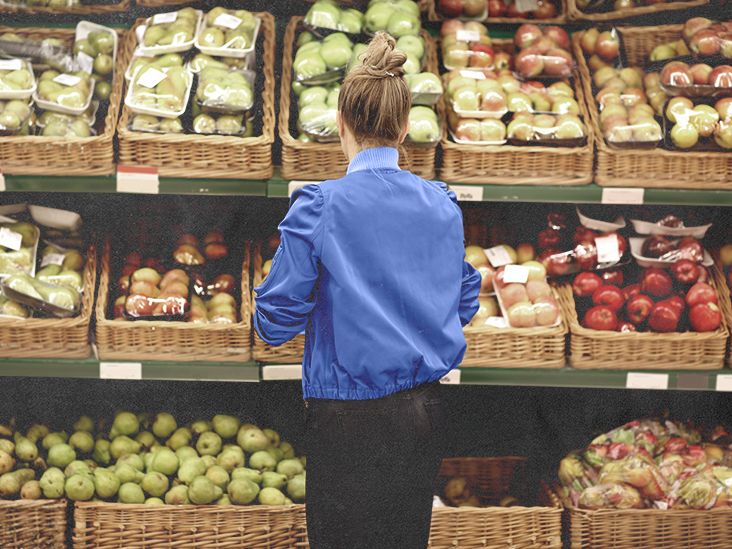
Food waste has a sneaky way of entering our lives. It begins with admirable intentions: a heroic bag of spinach, enough bananas to supply a small smoothie shop, or a family-size container purchased because the unit price looked irresistible. A week later, the spinach has become green soup, the bananas resemble archaeological artifacts, and nobody remembers why the enormous container was necessary.
Reducing food waste is not about achieving a perfectly organized, zero-waste kitchen overnight. It is about making a series of practical decisions that help more food reach a plate instead of a trash can. Those decisions can save money, reduce pressure on natural resources, support food-insecure neighbors, and make homes, schools, workplaces, and communities more efficient.
Roughly one-third of the food moving through the United States food system is lost or wasted. Households are a major part of the problem, and the USDA estimates that an average American family of four loses about $1,500 each year to uneaten food. Meanwhile, food is the most common material sent to U.S. landfills, where decomposing organic matter contributes to methane emissions.
The encouraging part is that most people already have the tools needed to make a difference: a shopping list, a freezer, a marker, a few storage containers, and the willingness to turn Wednesday’s roasted vegetables into Thursday’s excellent quesadillas. Here are 16 realistic ways to reduce food waste at home, school, work, and beyond.
Why Food Waste Reduction Should Start With Prevention
Composting is valuable, but preventing edible food from becoming waste is even better. The EPA’s Wasted Food Scale places prevention, donation, and upcycling above disposal methods because food delivers its greatest benefit when it fulfills its original purpose: feeding people.
Think of composting as the safety net, not the opening act. Before placing something in a compost bin, ask whether it could be eaten, frozen, shared, donated, preserved, or transformed. A soft apple can become applesauce. Stale bread can become croutons. Broccoli stems can join a stir-fry instead of retiring early.
16 Practical Ways to Reduce Food Waste
1. Measure What You Throw Away
You cannot fix a waste problem you never notice. For one week, keep a simple food waste log. Record what was discarded, how much was wasted, and why. Categories might include spoiled produce, oversized portions, forgotten leftovers, cooking mistakes, and food rejected by children.
The goal is not to make anyone feel guilty about one tragic avocado. The goal is to identify patterns. If salad greens are discarded every Friday, buy smaller packages or schedule salads earlier in the week. If cooked rice is repeatedly wasted, reduce the amount prepared or freeze individual portions. Schools can conduct cafeteria waste audits using separate bins and weighing stations to see which foods students leave uneaten.
2. Shop Your Kitchen Before Shopping at the Store
Before making a grocery list, inspect the refrigerator, freezer, pantry, fruit bowl, and any mysterious cabinet where canned beans go to contemplate eternity. Build several meals around ingredients already available.
A quick inventory prevents duplicate purchases and reveals foods that need immediate attention. Half a cabbage, two carrots, and leftover chicken could become soup, fried rice, tacos, or a chopped salad. Taking a photo of the refrigerator before leaving home can also help when someone at the store asks, “Do we have milk?” and everyone suddenly loses access to memory.
3. Plan Meals, but Leave Room for Reality
A rigid seven-day meal plan can fail when schedules change. Instead, choose three or four main meals, one flexible leftover night, and a few backup foods such as frozen vegetables, eggs, pasta, or canned beans.
Account for restaurant meals, school events, sports practices, travel, and evenings when nobody wants to cook anything requiring more effort than opening a container. Planning around your actual week prevents aspirational groceries from becoming expensive compost.
4. Buy Realistic Quantities
Bulk purchasing is economical only when the food is eventually eaten. A giant package that costs less per ounce is not a bargain if half of it becomes fuzzy.
Buy smaller amounts of unfamiliar foods, delicate produce, fresh herbs, and highly perishable ingredients. Choose loose produce when possible so you can purchase three apples instead of an entire bag. For large households, bulk packages may make sense, but portion and freeze excess food soon after returning home rather than trusting your future self to remember.
5. Understand Food Date Labels
Date-label confusion is a significant cause of consumer food waste. With the important exception of infant formula, many dates printed on packaged foods indicate quality rather than an automatic point at which the food becomes unsafe.
Terms such as “Best if Used By” generally refer to expected flavor or quality. A “Sell By” date is mainly used for store inventory management. Examine the product, follow storage instructions, and consult reliable food safety guidance rather than throwing away an unopened item solely because its printed date passed yesterday.
Food safety still comes first. Discard food with mold where mold should not be, leaking or bulging containers, unusual odors, slimy textures, or signs of temperature abuse. Never taste questionable food to determine whether it is safe.
6. Create an “Eat Me First” Zone
Designate a visible refrigerator shelf or bin for food that should be eaten soon. Place opened yogurt, ripe fruit, leftovers, cut vegetables, and products approaching their quality dates in this area.
This system uses the “first in, first out” principle: older food moves to the front, while newer purchases go behind it. A bright label reading “Eat Me First” is useful because a clear container of pasta hidden behind three beverage bottles has approximately the same visibility as a submarine.
7. Store Food the Right Way
Proper storage can add useful days to many ingredients. Keep the refrigerator at 40°F or below and the freezer at 0°F or below. Use an appliance thermometer if the refrigerator does not display an accurate temperature.
Store leafy greens dry, wrap herbs appropriately, separate produce that is sensitive to ethylene gas from produce that releases it, and keep dry goods in sealed containers. Avoid overfilling the refrigerator because cold air needs room to circulate. Label opened packages and transfer vulnerable foods into containers that protect them from moisture, air, and pantry pests.
8. Use the Freezer Before Food Reaches the Point of No Return
The freezer is essentially a pause button for food. Freeze bread, meat, cooked grains, soup, shredded cheese, ripe bananas, berries, sauces, herbs, and properly packaged leftovers before their quality declines.
Freeze items in usable portions and label each package with its name and date. Otherwise, next month’s dinner may involve guessing whether a frozen block is chili, tomato sauce, or an avant-garde dessert. Maintain a freezer inventory so food does not disappear beneath a geological layer of ice packs.
9. Cook Flexible “Use-It-Up” Meals
Some recipes demand precise ingredients. Others happily accept whatever needs rescuing. Soups, stews, omelets, pizzas, grain bowls, tacos, curries, casseroles, smoothies, and stir-fries are excellent vehicles for odds and ends.
Create a weekly “use-it-up” dinner. Combine roasted vegetables with pasta, fold leftover meat into tacos, blend ripe fruit into smoothies, or turn cooked grains into a breakfast bowl. This approach reduces waste while making meal planning easier. It also gives leftovers a disguise, which can be useful when the household claims it does not eat leftovers but enthusiastically eats “loaded skillet night.”
10. Use More Edible Parts of Ingredients
Many peels, stems, leaves, and trimmings are edible when cleaned and prepared properly. Broccoli stems can be peeled and sliced, beet greens can be sautéed, carrot tops can flavor pesto, citrus zest can brighten baked goods, and clean vegetable trimmings can be frozen for stock.
This does not mean every peel, pit, or stem belongs on the dinner table. Avoid parts known to be unsafe or unpleasant, and confirm unfamiliar uses through reliable food safety resources. The objective is not to eat a pineapple crown. It is to stop discarding useful food out of habit.
11. Serve Smaller Portions and Offer Seconds
Large initial portions frequently become plate waste, particularly among young children. Start with a modest serving and allow people to take more when they are still hungry.
This works at family meals, school cafeterias, workplace events, restaurants, and buffets. Smaller serving utensils and plates can also discourage accidental over-serving. At schools, appropriately sized portions and student choice can reduce the amount of untouched food returned on trays while still meeting program requirements.
12. Pack Smarter School and Work Lunches
Observe what regularly comes home uneaten. A child may like whole apples but find them difficult to finish during a short lunch period. Sliced apples with a little lemon juice may be more practical. A sandwich may be consistently too large, while two smaller portions allow one to be saved.
Use insulated lunch bags and cold packs for perishable foods. Pack amounts based on appetite rather than on how impressive the lunch looks at 7 a.m. Adults should bring reusable containers for restaurant leftovers and workplace meals. A container is much more effective when it actually leaves the kitchen instead of spending the day beside the keys.
13. Conduct Student-Led Cafeteria Waste Audits
Schools can involve students in sorting and measuring unopened food, edible plate waste, liquids, packaging, and unavoidable scraps. Results can identify unpopular menu items, rushed lunch periods, oversized portions, or foods that students do not recognize.
After collecting data, students can create posters, analyze results in math class, study decomposition in science, or suggest menu improvements. Repeat the audit after making changes. A measurable decline in waste turns an environmental lesson into visible progress rather than another poster everyone stops noticing after Tuesday.
14. Use Taste Tests, Choice, and Share Tables at School
Students are more likely to eat unfamiliar foods after seeing, tasting, and discussing them. Schools can introduce new dishes through small taste tests before adding full portions to the menu. Gathering student feedback helps cafeteria teams distinguish between a recipe that needs improvement and one that simply needs better presentation.
Where local rules and school food safety policies permit, a supervised share table can collect eligible whole or unopened items that students do not want. Other students may take those items during the meal period. Schools should follow USDA guidance as well as state and local health requirements, especially for temperature-controlled foods.
15. Donate Safe, Edible Surplus Food
Unopened packaged foods, fresh produce, and safely handled prepared foods may be suitable for donation through food banks, community refrigerators, shelters, school programs, or local rescue organizations. Contact the organization first to learn what it accepts and how food must be packaged, labeled, transported, and temperature-controlled.
Households can also share appropriate surplus food with neighbors, friends, or relatives. A basket of extra garden zucchini is generosity. Leaving twenty zucchini anonymously on a porch may be interpreted as a declaration of war, so communication is recommended.
16. Compost Unavoidable Food Scraps
After edible food has been prevented, shared, donated, or repurposed, compost unavoidable scraps such as certain peels, pits, coffee grounds, eggshells, and spoiled produce. Composting returns nutrients and organic matter to soil and keeps those materials out of landfills.
Choose a backyard pile, enclosed bin, worm bin, municipal collection program, or community drop-off site. Accepted materials vary, so check local rules before adding meat, dairy, compostable packaging, or oily foods. Remember that composting a discarded dinner is less beneficial than eating the dinner, but it is a much better final destination for unavoidable scraps than the trash.
How to Make Food Waste Reduction Stick
The most effective system is one people can follow on busy days. Begin with two or three habits: create an “Eat Me First” shelf, schedule a weekly leftover meal, and freeze bread before it goes stale. Once those habits become routine, add waste tracking, better storage, or composting.
Make responsibility visible and shared. At home, assign one person to review the refrigerator before grocery day. At school, form a student green team. At work, place clear instructions near shared refrigerators and event cleanup stations. Track results in pounds, servings, or money saved, and celebrate improvement rather than demanding perfection.
A Composite Experience: What Happened During a 30-Day Food Waste Challenge
The following composite example combines common experiences from household waste-prevention projects and student cafeteria programs. It illustrates how small changes can work in everyday life without pretending that every carrot will be rescued or every child will suddenly request steamed kale.
During the first week, the Rivera family tracked everything they discarded. The list was surprisingly repetitive: wilted salad greens, half-eaten restaurant meals, forgotten rice, soft berries, bread crusts, and ambitious vegetables purchased without a specific plan. Nobody considered the family especially wasteful. In fact, each person believed someone else was responsible for the suspicious container in the back of the refrigerator.
The family created an “Eat Me First” bin and moved leftovers into clear containers. They also changed grocery planning. Instead of selecting seven different dinners, they planned four, reserved Friday for a use-it-up meal, and left one evening open for schedule changes. Before shopping, they photographed the refrigerator and checked the pantry.
By the second week, the freezer became more useful. Half a loaf of bread was frozen immediately. Ripe bananas were peeled and stored for smoothies. Extra chili was divided into single-meal portions instead of spending six increasingly unpopular days in the refrigerator. Labels prevented the freezer from becoming a museum of unidentified brown objects.
The family also adjusted serving sizes. The youngest child received a smaller initial portion and could request seconds. Surprisingly, this reduced plate waste without reducing how much the child ate. Restaurant leftovers were transferred into lunch containers as soon as the family returned home, making them easy to grab the next morning.
At the same time, a student environmental club at the children’s middle school conducted a cafeteria waste audit. Students discovered that whole fruit, unopened milk, and one particular vegetable side accounted for much of the discarded food. Conversations revealed that some students had too little time to finish lunch, while others did not want specific meal components.
The school tested several responses. It held a tasting session for a revised vegetable recipe, improved signs explaining meal choices, and established a supervised share table under local food safety rules. Students created weekly charts showing what was wasted and presented the results during announcements. Because the project involved measurement rather than scolding, participation felt like an experiment instead of a lecture.
After 30 days, neither the home nor the school produced zero food waste. Potato peels, eggshells, spoiled items, and occasional abandoned lunches remained. However, both groups understood their waste more clearly. The Rivera family bought fewer duplicate groceries, relied more on flexible meals, and saved several usable servings each week. The school gained information it could use to improve purchasing and menus.
The most important experience was not dramatic. It was the moment food waste stopped being invisible. Once leftovers had a designated shelf, bananas had a freezer plan, and cafeteria scraps had measurable weight, prevention became easier. The challenge succeeded because it replaced vague good intentions with simple systems.
Conclusion
Learning how to reduce food waste does not require a lifestyle built entirely around mason jars and heroic carrot-top pesto. It requires awareness, sensible planning, safer storage, realistic portions, creative cooking, and cooperation.
Start before food enters the shopping cart. Buy amounts that fit your schedule, organize ingredients so they remain visible, freeze food before it spoils, and make leftovers convenient. At schools and workplaces, measure waste, offer appropriate choices, rescue safe surplus food, and involve the people who actually eat the meals. Compost what cannot reasonably be prevented or recovered.
Every rescued serving represents money, labor, water, energy, and farmland that did not go to waste. One saved lunch may feel small, but repeated across a household, classroom, school district, or community, small actions become a meaningful change.
Note: Food waste prevention should never override food safety. Keep perishable foods at safe temperatures, refrigerate them promptly, follow trusted storage guidance, and discard food when contamination or unsafe handling is suspected.