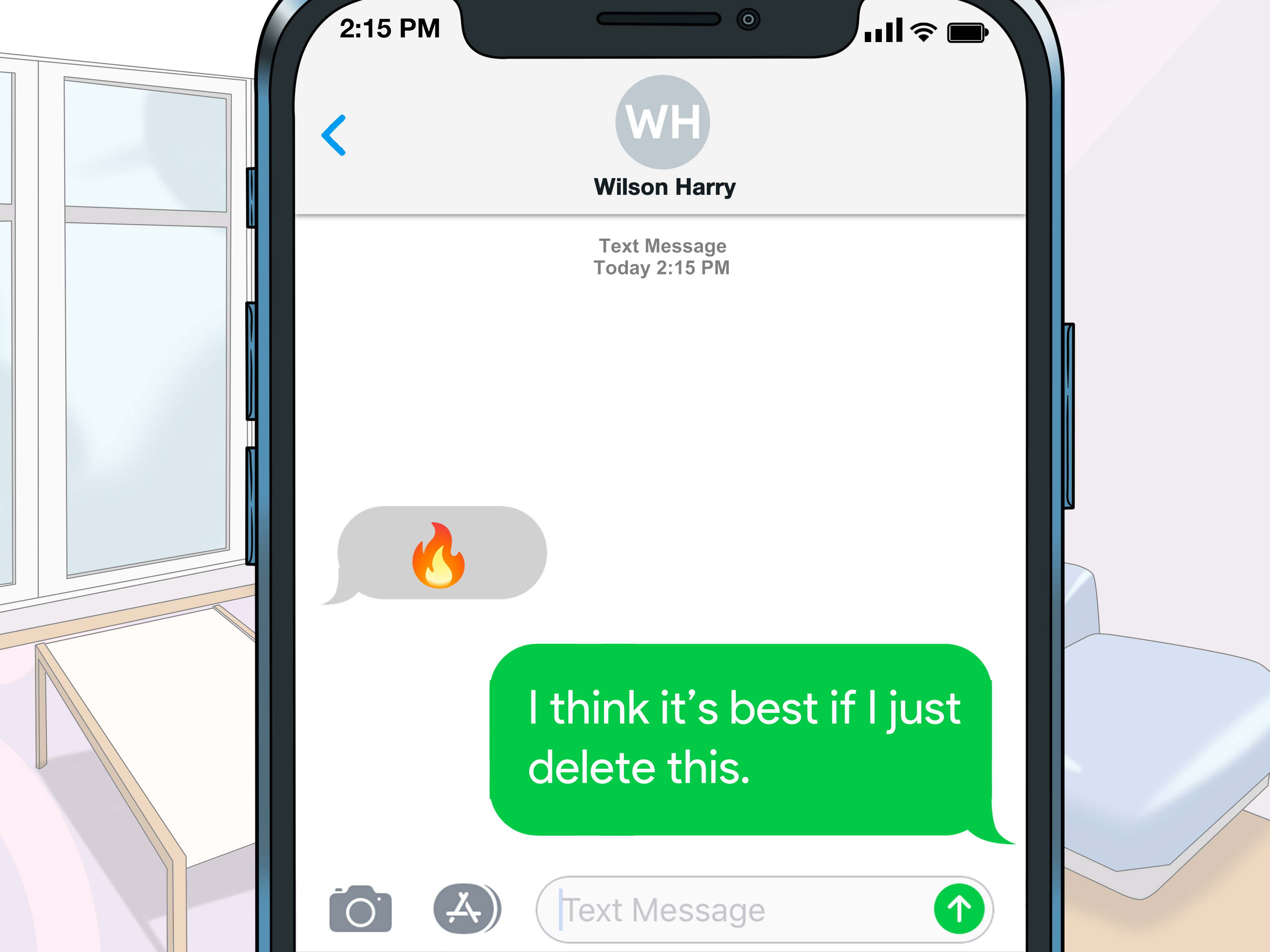
If you have spent more than five minutes on Instagram, Snapchat, TikTok, or plain old texting, you already know the fire emoji is doing a lot of heavy lifting. It can mean “you look amazing,” “that idea is excellent,” “this song slaps,” “your outfit wins today,” or simply “wow, that is impressive.” In other words, one tiny flame can carry the emotional weight of an entire standing ovation. Not bad for a little orange campfire.
Still, knowing what the fire emoji means is only half the battle. The real challenge is knowing how to respond without sounding awkward, too serious, too flirty, too dry, or like you learned texting from a corporate handbook. That is where this guide comes in. Below, you will find 12 smart, funny, natural ways to respond to the fire emoji, plus tips on matching the vibe, keeping the conversation moving, and avoiding the classic mistake of overthinking a single symbol until it feels like a college entrance exam.
What Does the Fire Emoji Usually Mean?
Most of the time, the fire emoji means something is hot, exciting, stylish, impressive, or high-quality. People use it when they want to react quickly but still show enthusiasm. It can be a compliment on a photo, a reaction to a great performance, a response to a bold opinion, or a hype signal under a social media post. Sometimes it is playful. Sometimes it is flirty. Sometimes it just means, “This is genuinely excellent, and my thumbs are moving too fast for a full sentence.”
That said, context matters. A fire emoji from your best friend under a new haircut is different from a fire emoji from a stranger in your DMs. A fire emoji in a group chat may simply mean approval. A fire emoji after a selfie may lean more personal. The smartest responses do not come from memorizing one perfect line. They come from reading the room, matching the relationship, and choosing a reply that feels natural for the moment.
12 Ways to Respond to the Fire Emoji
1. Send a Fire Emoji Back
Sometimes the easiest move is the best move. If someone sends you a fire emoji, sending one back keeps the energy equal and effortless. This works especially well in casual chats, story replies, and comment sections where nobody is expecting a five-paragraph speech about feelings, symbolism, and digital anthropology.
Example: “🔥” or “🔥🔥”
This response is short, clean, and universal. It says, “I see your hype, and I accept your hype.”
2. Say “Appreciate You”
If you want to sound friendly without overdoing it, gratitude is your best friend. A simple thank-you response works in almost every setting, from classmates to coworkers to mutuals on social media. It also avoids turning a nice compliment into a weird emotional gymnastics routine.
Example: “Appreciate you.”
Variation: “Thanks, that means a lot.”
This is ideal when you want to acknowledge the compliment while keeping the tone grounded and polite.
3. Return the Compliment
If the fire emoji clearly means admiration, returning the energy can make the interaction warmer and more memorable. Just do not make it sound forced. Keep it natural and specific when possible.
Example: “You are too kind. You stay bringing the heat too.”
Variation: “Coming from you? That is elite.”
This works well when the relationship already has a playful or encouraging vibe.
4. Add a Little Humor
Humor is one of the best ways to respond to the fire emoji because it keeps things light and human. It shows confidence without looking like you printed your reply off a motivational poster.
Example: “Someone call the fire department.”
Variation: “Good news: the fit survived. Bad news: the phone almost melted.”
A funny response works especially well on selfies, outfit posts, gym updates, food photos, and anything else that invited praise in the first place.
5. Lean Into the Confidence
There is nothing wrong with owning the compliment. In fact, confident responses often feel more charming than overly modest ones. The key is to sound playful, not arrogant.
Example: “Had to show up properly.”
Variation: “I was hoping someone would notice.”
This response is great when you want to project self-assurance and keep the conversation upbeat.
6. Use an Emoji Combo
If words feel like too much and one fire emoji feels too little, an emoji combo can do the job. Think of it as the digital version of nodding enthusiastically while also trying to look cool.
Example: “🔥🙌😎”
Variation: “🔥🤝”
Emoji combos are useful in fast-moving chats and social comments where a full sentence might feel strangely formal.
7. Keep It Playful
When the fire emoji feels light, friendly, or a little flirty, a playful response can keep the momentum going without making things awkward. This is where charm matters more than complexity.
Example: “Careful, you are boosting my ego.”
Variation: “Keep talking like that and I will start charging appearance fees.”
Playful replies work best when the other person already communicates that way. If the vibe is formal, save the jokes for another day.
8. Turn It Into a Conversation
The fire emoji does not have to be the end of the exchange. You can use it as a bridge into a real conversation by asking a simple follow-up question. This is a smart move if you want engagement instead of just a one-tap reaction.
Example: “Haha, thank you. Was it the outfit or the caption?”
Variation: “Glad you liked it. Want the full story behind it?”
This approach is especially useful for creators, brands, influencers, or anyone trying to keep a social media interaction alive.
9. Match the Platform
Not every response needs the same tone. On Instagram, you can be looser. In a text thread, you can be warmer. In a professional group chat, you probably do not want to answer like you are auditioning for a reality show.
Example: “Thanks! Glad it landed.”
Variation: “Appreciate that. I worked hard on it.”
This kind of response fits posts about presentations, projects, performances, or creative work where the compliment is about quality rather than appearance.
10. Reply With Specificity
One of the most underrated ways to respond to the fire emoji is to make your reply more specific than the emoji itself. This makes the exchange feel more thoughtful and less automatic.
Example: “Thank you. I was not sure about the shoes, so this is reassuring.”
Variation: “Thanks. That recipe took three tries, so I am claiming this win.”
Specific replies work beautifully because they turn a generic reaction into a mini conversation with personality.
11. Use a Friendly Flirty Line
Sometimes the fire emoji clearly has a little extra sparkle behind it. If you are comfortable and the relationship supports it, a soft flirty reply can keep things fun without becoming too much.
Example: “Look at you being smooth.”
Variation: “Well now I have to keep the bar high.”
The best flirty responses are light, respectful, and easy to step back from. If the vibe is unclear, stay on the safer side and keep it playful rather than intense.
12. Keep It Short if You Are Unsure
You do not need a dazzling response every single time. If you are unsure what the person means, or if you do not want to encourage more attention, a simple, polite reply is enough. Texting is not a spelling bee for emotional subtext.
Example: “Thanks!”
Variation: “Haha, appreciate it.”
Simple responses are often the strongest option when you want to be kind without opening a deeper or more personal exchange.
How to Choose the Right Response
The best response to the fire emoji depends on three things: who sent it, where they sent it, and what kind of conversation you want next. If your best friend sends it after you post a ridiculous but amazing thrift-store outfit, you can absolutely answer with chaos, jokes, and dramatic confidence. If a coworker reacts to a project update with a fire emoji, a warm but polished thank-you makes more sense. If someone you like sends it, a playful response may work better than pretending you are a museum statue with no emotional range.
It also helps to ask yourself what your goal is. Do you want to be polite? Funny? Confident? Flirty? Brief? Do you want the conversation to continue, or do you want to acknowledge the compliment and move on? Once you know that, the right response usually becomes obvious. People often get stuck because they are trying to decode every emoji like it contains national secrets. Usually, it is much simpler: read the vibe and reply like a real person.
Common Mistakes to Avoid
The first mistake is overreacting. A fire emoji is usually a compliment, not a legally binding declaration of destiny. The second mistake is underreacting in a way that feels cold, especially if the person is clearly trying to be kind. The third mistake is choosing a response that does not fit the relationship. Going full flirt mode in a neutral situation can make things weird fast. On the other hand, answering a clearly playful comment with “Thank you for your message” makes you sound like a customer service bot.
Another mistake is forgetting that not every message deserves a performance. Sometimes a simple “thanks” is perfect. Sometimes silence is also fine, especially if the message feels uncomfortable or unwanted. Good texting etiquette is not about impressing everyone. It is about being clear, respectful, and appropriately human.
Why the Fire Emoji Still Works So Well
The fire emoji survives because it is flexible. It can hype up a person, a look, an idea, a song, a joke, a meal, a win, or a moment. It is fast, expressive, and easy to understand. In digital conversations where tone can get lost, that little flame helps people show excitement without needing a whole speech. That is why knowing how to respond matters. A good reply keeps the energy moving. A great reply adds personality, confidence, and timing.
Experiences That Show Why Your Fire Emoji Reply Matters
One of the most common experiences with the fire emoji happens after posting a photo you almost did not upload. Maybe it is a new haircut, an outfit you were not sure about, or a picture from an event where the lighting finally decided to cooperate for once. You post it casually, pretending you are emotionally detached, and then somebody replies with “🔥.” In that moment, your response shapes the mood. If you answer with confidence, the interaction feels fun and effortless. If you panic and send something stiff, the moment suddenly feels like you are writing a cover letter to a compliment.
Another familiar situation is the group chat. Somebody shares a project, a basketball clip, a music snippet, a meal they cooked, or a screenshot of some small but glorious life victory. A fire emoji appears in response, and it works like instant validation. In these situations, the best replies are usually simple and upbeat. People are not looking for a speech. They are looking for energy. A quick “let’s go,” “appreciate it,” or “you already know” keeps the momentum going and makes the whole chat feel more alive.
Then there is the social media comment section, where the fire emoji can mean admiration, support, friendliness, or low-key chaos depending on who sent it. A close friend might use it dramatically under a photo of your coffee. A mutual might send it after a gym update or fashion post. A crush might use it in a way that makes you stare at your phone like it just handed you a philosophical puzzle. The experience most people learn from here is that tone matters more than cleverness. The perfect response is not always the funniest one. It is the one that fits the relationship without trying too hard.
There are also moments when the fire emoji is about achievement rather than appearance. Maybe you share a grade you worked hard for, a design you finished, a performance clip, or a business win. When someone responds with fire, they are not just saying “cool.” They are saying, “That was strong.” In those cases, a grounded response such as “Thank you, I worked hard on that” can be more effective than a joke. It shows confidence, gratitude, and maturity all at once.
Finally, many people learn through experience that not every fire emoji deserves the same access to your energy. A compliment from someone you trust may earn a playful reply. A random or uncomfortable message may deserve a short acknowledgment or no response at all. That is one of the most useful lessons in digital communication: responding well is not about performing for everyone. It is about choosing a reply that reflects your comfort, your boundaries, and your style. Once you figure that out, the fire emoji stops being confusing and starts becoming what it was meant to be: a tiny, efficient burst of enthusiasm with excellent branding.
Final Thoughts
If you want to know how to respond to the fire emoji, the answer is not one magical line. It is understanding the vibe and choosing a response that feels natural for the moment. You can be funny, grateful, confident, playful, or brief. The best reply is the one that matches your relationship with the sender and the kind of conversation you want next. So yes, you can send a fire emoji back. You can say thanks. You can crack a joke. You can keep it classy. Just do not overthink it so hard that a tiny flame becomes a five-act drama.