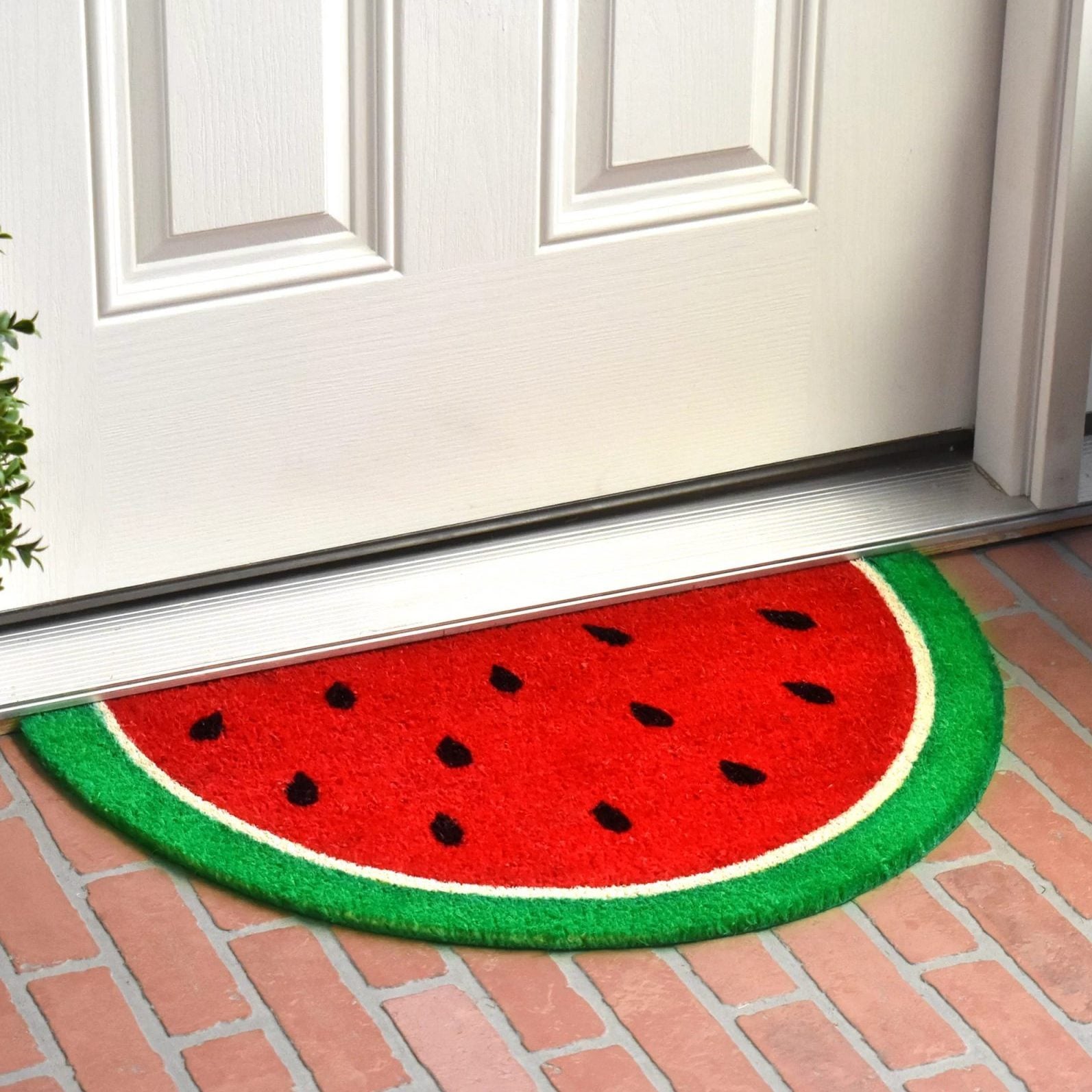
Your doormat may occupy only a few square feet, but it has a surprisingly big job description. It scrapes mud from sneakers, catches leaves before they migrate into the living room, welcomes guests, complements your front door, and quietly judges anyone who ignores the request to wipe their feet.
The right doormat can make an ordinary entrance feel polished without requiring a new porch, an expensive renovation, or a weekend spent arguing with a paint sprayer. Whether you prefer classic farmhouse charm, cheerful color, modern geometry, or a washable mat that can survive children, dogs, and questionable weather, there is an entryway doormat idea that fits your home.
Before choosing a design, remember that a front door mat must balance appearance with performance. Outdoor materials should suit the local climate, the dimensions should feel proportional to the doorway, and the pile should be low enough for the door to swing freely. Once those practical matters are handled, you can have fun with patterns, messages, colors, shapes, and layered outdoor rugs.
How to Choose a Doormat That Looks Good and Works Hard
A beautiful doormat is not particularly useful if it slides across the porch, remains soaked for days, or prevents the front door from opening. Consider these essentials before falling in love with a clever slogan.
Measure the doorway and door clearance
Many standard front door mats measure approximately 18 by 30 inches, but that size can look undersized beneath a wide single door or a set of double doors. Ideally, the mat should visually cover most of the doorway’s width without crowding planters, railings, or steps.
Measure the vertical space beneath the bottom of the door as well. A thick coir mat might look luxurious, but it will become considerably less charming when the door catches on it every morning. Low-profile mats are usually safer choices for tight clearances, storm doors, and indoor entryways.
Match the material to the location
Coir, made from coconut husk fibers, has a naturally textured surface that helps scrape dry dirt and debris from shoes. It works especially well in covered outdoor areas where it is protected from prolonged saturation. Rubber is durable, grippy, and easy to rinse, making it practical for wet or muddy entrances. Polypropylene and other synthetic fibers often resist moisture, dry quickly, and offer a broader range of printed patterns.
For interior entryways, washable textile mats and low-pile runners can provide a softer, more decorative look. Always follow the manufacturer’s placement and cleaning instructions, particularly when using natural fibers or mats with specialty backings.
Coordinate instead of matching everything
Your doormat does not need to be the exact color of the front door, shutters, mailbox, planters, and family dog. In fact, overly perfect matching can make an entryway feel more like a showroom than a home.
Instead, repeat one or two visual elements. A black geometric mat can echo black door hardware. A rust-colored pattern can connect with brick steps. A botanical design can complement nearby greenery. The goal is a coordinated entrance with a little personality, not a front porch wearing a uniform.
1. Start With a Classic Natural Coir Doormat
A simple coir doormat remains one of the most versatile choices for a front door. Its warm tan color works with painted wood, brick, stone, stucco, concrete, and nearly every exterior color palette. The coarse fibers also give it a practical advantage by brushing dry dirt from the bottoms of shoes.
Choose a plain rectangular mat for a clean, understated entrance, or select one with a subtle border for extra definition. A black frame, woven edge, or simple stripe can make natural coir feel more finished without overpowering the doorway.
This option is ideal for traditional homes, modern farmhouses, cottages, and neutral porches. Place it beneath a covered entrance whenever possible. Coir may shed when new, and repeated exposure to heavy rain can shorten its useful life, so it appreciates a little shelter almost as much as your delivery packages do.
2. Create a Layered Doormat Look
Layering a small doormat over a larger outdoor rug is one of the easiest ways to make a front entrance feel substantial and intentionally decorated. The base rug adds color and pattern, while the upper mat performs the dirt-scraping duties.
A 2-by-3-foot outdoor rug often works beneath a standard doormat, although larger porches and wider doors may need more generous proportions. Popular base patterns include buffalo check, narrow stripes, diamonds, and simple geometric designs. Top the rug with a natural coir or solid rubber-backed mat that allows several inches of the lower pattern to remain visible.
For the most attractive result, vary the materials and scale of the patterns. A small-lettered welcome mat pairs well with a broad plaid base. A bold geometric lower rug looks balanced beneath a plain upper mat. Two equally busy patterns may cause your porch to look as though the rugs are competing for a talent-show trophy.
Use outdoor-rated pieces, secure any slippery layers, and lift both mats periodically so the porch surface can dry.
3. Personalize the Entrance With a Monogram
A monogrammed doormat adds a tailored touch without covering the entire porch in family photographs. Choose a single initial, a family name, or a restrained crest-style design for an entrance that feels personal but polished.
Monograms look especially attractive on wide coir mats with dark borders. They can also bring visual order to symmetrical front doors framed by matching lanterns or planters. For double doors, consider an oversized rectangular mat so the initial does not appear stranded in the middle of a tiny island.
Keep customized wording simple. A large, readable letter generally ages better than an elaborate design filled with dates, decorative flourishes, and enough text to qualify as a short autobiography.
4. Welcome Guests With a Botanical or Floral Pattern
Floral doormats bring immediate color to porches that lack space for a full collection of planters. They can also soften hard exterior materials such as brick, concrete, black metal, and gray siding.
For a timeless look, choose line-drawn leaves, vines, or small blossoms in a limited palette. Bright daisies, citrus fruit, tropical foliage, and oversized blooms create a more playful entrance. Botanical motifs are particularly effective during spring and summer, but muted olive, rust, and gold patterns can transition beautifully into fall.
Coordinate the design with one nearby element rather than recreating an entire garden center. A floral mat beside a single pot of greenery often looks more sophisticated than a porch containing seven competing flower patterns and a decorative frog wearing rain boots.
5. Choose Bold Geometry for a Modern Front Door
Geometric doormats give contemporary homes a crisp, architectural appearance. Look for stripes, grids, arches, diamonds, checkerboards, or abstract blocks in black, charcoal, cream, navy, or another color already used on the exterior.
A graphic mat is also an effective way to modernize a traditional doorway without changing permanent features. For example, a black-and-tan grid can sharpen the appearance of a red brick entrance, while a curved arch pattern can echo a rounded transom window.
Choose a design with enough contrast to remain visible from the walkway, but remember that extremely pale backgrounds may reveal dirt quickly. Medium and dark tones are more forgiving in high-traffic entryways, especially when the neighborhood weather treats “partly cloudy” as a personal challenge.
6. Try a Half-Round Mat for a Small Porch
A half-round doormat is a smart choice for narrow landings, apartment entrances, side doors, and compact porches. Its curved edge adds a decorative element while reducing the amount of floor space occupied by the mat.
This shape works particularly well beneath arched doorways, fanlights, circular hardware, and traditional architectural details. It can also soften a boxy entrance dominated by rectangular siding, steps, and windows.
Rubber half-round mats with openwork patterns allow water and small debris to pass through rather than pooling on the surface. Coir-and-rubber combinations offer a classic appearance with additional weight around the edges. Confirm that the mat lies flat and does not extend over the lip of a step.
7. Use a Washable Doormat for a Busy Household
Washable doormats are practical for households with pets, children, gardeners, athletes, or anyone who repeatedly enters the house while carrying evidence of the outdoors on their shoes.
Many washable systems combine a removable fabric cover with a heavier nonslip base. Others use a single low-profile mat designed for machine washing or easy rinsing. These products are available in traditional, vintage-inspired, seasonal, floral, and contemporary patterns, so easy maintenance no longer requires selecting something that resembles commercial hallway flooring.
Before washing, check the care label, shake or vacuum away loose debris, and follow the recommended temperature and drying method. Confirm that the mat is completely dry before placing it back at the door. A washable design is convenient; a damp mat developing its own ecosystem is considerably less so.
8. Prepare for Rain With a Water-Trapping Mat
Homes in rainy, snowy, or muddy regions need a front door mat designed to manage moisture as well as dirt. Look for a textured surface, raised border, drainage pattern, and nonslip rubber backing. Dark gray, brown, navy, and black help conceal the marks left by wet shoes between cleanings.
A water-trapping mat is especially useful inside the entryway, where it can serve as the second step in a two-mat system. The outdoor mat scrapes away larger debris, while the indoor mat absorbs remaining moisture. This combination protects floors more effectively than expecting one decorative mat to perform every task known to household engineering.
Remove accumulated leaves, salt, and grit frequently. Mats cannot trap more dirt once their grooves and fibers are already full, much like a vacuum cleaner cannot continue helping after someone ignores the flashing “empty bin” light for three weeks.
9. Bring a Vintage-Style Rug Just Inside the Door
For an interior entryway, a small vintage-inspired rug can feel warmer and more refined than a conventional welcome mat. Persian-style borders, faded medallions, Turkish motifs, and distressed patterns introduce character while disguising minor stains and everyday wear.
Choose a low-pile rug that allows the door to open smoothly. A nonslip rug pad or integrated backing can help keep it stable on hardwood, tile, or laminate flooring. Machine-washable reproductions offer the appearance of an aged textile without the maintenance concerns of a valuable antique.
This idea works particularly well in apartments, enclosed foyers, and homes where an exterior mat handles most of the heavy debris. Coordinate the rug with nearby artwork, a console table, or a painted interior door for a cohesive transition into the house.
10. Rotate Seasonal Doormats Without Redecorating Everything
A seasonal doormat can refresh a front porch with very little effort. Spring flowers, summer citrus, autumn leaves, winter greenery, and understated holiday messages create a timely update without requiring a garage full of giant decorations.
Keep the surrounding elements relatively neutral so the mat can change easily. A black-and-white base rug, simple planters, classic lanterns, and a natural wreath provide a flexible foundation throughout the year. Swap only the upper doormat and perhaps one small accent, such as a ribbon or potted plant.
Avoid wording that is so specific it becomes awkward the morning after the occasion. “Happy Fall” has a comfortable decorating window. “Welcome to Kevin’s Annual October 14 Pumpkin Chili Party” may have a slightly shorter career.
11. Make a Custom Stenciled Doormat
A do-it-yourself stenciled doormat allows you to control the wording, font, color, and layout. Start with a plain coir mat, a sturdy stencil, and paint intended for outdoor use and compatible with the material.
Secure the stencil carefully so it cannot shift. Apply paint with a firm vertical dabbing motion rather than brushing sideways, which can push paint underneath the stencil edges. Several light applications usually create cleaner lettering than one heavy coat. Allow the mat to dry thoroughly according to the paint manufacturer’s directions.
Custom ideas include a house number, a simple “hello,” a pet silhouette, a local landmark, or a short phrase that fits the household’s personality. Keep the design bold enough to remain legible against the coarse surface. Thin script may disappear into the fibers and leave guests wondering whether the mat says “welcome” or is displaying a mysterious weather map.
Simple Styling Ideas Around Your Front Door Mat
A doormat looks most inviting when it participates in the overall entryway rather than sitting alone on an empty porch. Fortunately, the supporting decor does not need to be elaborate.
- Frame the doorway with planters: Matching containers create symmetry, while two different pots in related colors produce a more relaxed look.
- Repeat the mat’s color: Echo one tone in the wreath, house numbers, hardware, lanterns, or flowers.
- Use outdoor lighting: A clean, well-positioned fixture improves both safety and evening curb appeal.
- Leave walking space: Decorations should guide visitors toward the door, not force them through a miniature obstacle course.
- Clean the surrounding surface: Even an expensive mat struggles to impress when it is surrounded by cobwebs, dead leaves, and last December’s delivery label.
How to Keep a Doormat Looking Inviting
Routine cleaning helps a doormat retain both its appearance and its ability to trap debris. Shake out or vacuum the mat regularly, paying special attention after storms, yard work, or periods of heavy foot traffic.
Rubber and some synthetic mats can often be rinsed with a hose and gently scrubbed with mild soap. Coir usually benefits from dry cleaning methods, light vacuuming, or gentle spot treatment unless the manufacturer recommends otherwise. Washable fabric mats should be cleaned according to their care labels, particularly if they include rubber, latex, or specialty backing.
Lift the mat periodically to remove trapped moisture and dirt from the porch beneath it. Allow the surface and mat to dry completely before replacing them. Replace any mat with torn edges, permanent curling, deep stains, degraded backing, or worn fibers that no longer clean shoes effectively.
Experience-Based Lessons for Creating a Better Entryway
Many homeowners begin with the design they like best and consider practical details later. After living with the mat for a few weeks, however, the most important qualities become obvious. A doormat is handled by the weather, stepped on daily, shaken, washed, dragged aside for deliveries, and occasionally treated as a bed by a pet. The winning choice is usually the one that still looks respectable after participating in real life.
One of the most common lessons is that scale matters. A small mat may technically fit beneath a front door, but it can look lost beneath a broad porch roof or beside large planters. Moving up one size often makes the entire entrance look more deliberate. Double doors almost always benefit from an extra-wide mat rather than two unrelated small mats placed side by side.
Door clearance is another detail people tend to discover through experience, usually while holding groceries. Thick coir feels sturdy and premium, but a storm door may scrape across it or refuse to open fully. Measuring the gap before shopping prevents the daily ritual of kicking the mat back into place.
Exposed entrances also teach a fast lesson about materials. Natural coir can perform well in a covered location, but a mat sitting directly in repeated rainfall may stay wet, fade, or deteriorate sooner. Rubber, polypropylene, and fast-drying synthetic designs are generally easier to manage in areas that receive direct weather. The most beautiful mat is not truly beautiful when it smells like a swamp with typography.
Layered doormats look polished in photographs and can work beautifully in real homes, but they require occasional maintenance. Dirt and moisture often collect between the two layers. Lifting the mats after heavy rain, sweeping underneath them, and allowing the base rug to dry helps prevent discoloration and odors. A rug pad or secure backing may also be necessary on smooth porch surfaces.
Another useful lesson is to keep decorative messages readable and friendly. Humor can make an entrance memorable, but jokes aimed at visitors, delivery drivers, or relatives may age quickly. Simple greetings, subtle wordplay, house numbers, and family initials tend to remain appealing longer. Your doormat can show personality without beginning a neighborhood dispute before anyone rings the bell.
Busy households often benefit from using two mats instead of demanding heroic performance from one. A rugged outdoor scraper removes gravel, leaves, and dried mud. A softer indoor mat catches moisture and finer particles. This arrangement is particularly helpful near hardwood flooring, light-colored tile, or an entryway that opens directly into the main living area.
It is also worth observing the route people naturally take. A mat centered perfectly beneath the door may not work if everyone approaches from one side and steps around it. Position and size should support actual foot traffic rather than an imaginary procession walking straight toward the entrance in formal formation.
Finally, consistent upkeep has a greater effect than an expensive purchase. A moderately priced mat that is vacuumed, dried, and replaced when worn will look more welcoming than a premium mat buried beneath leaves. Clean the threshold, wipe the door, remove cobwebs, and straighten nearby planters at the same time. These small actions make the front entryway appear cared for, which is ultimately what creates the warmest first impression.
Conclusion
The best doormat ideas combine curb appeal, durability, and a clear understanding of how the entrance is used. Natural coir offers familiar texture, layered rugs create visual depth, washable systems simplify maintenance, and geometric or botanical designs add personality. Seasonal mats provide quick updates, while monograms and custom stencils make the doorway feel distinctly personal.
Start with accurate measurements, select a material appropriate for the weather, and choose a design that complements rather than overwhelms the front door. Then keep the mat clean, dry, and properly positioned. It may be a small detail, but it is the first piece of your home that many guests encounterand the only one specifically designed to have shoes wiped on it.
Research synthesized from guidance, product testing, and entryway design coverage published by Better Homes & Gardens, The Spruce, Lowe’s, The Home Depot, Martha Stewart, HGTV, Bob Vila, Real Simple, Apartment Therapy, Architectural Digest, Southern Living, and House Beautiful.