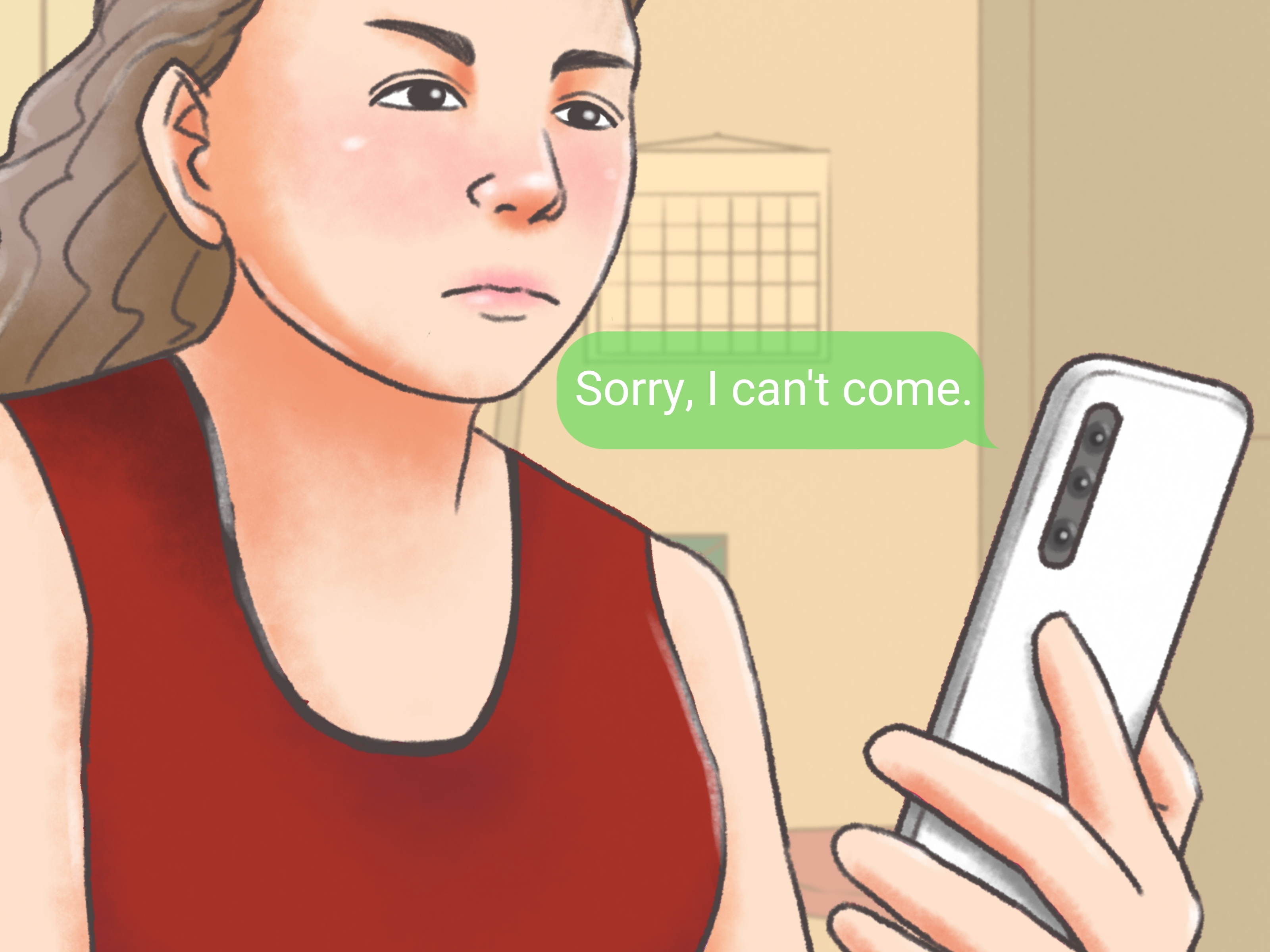
Few wedding planning moments feel as oddly personal as seeing a guest click “decline” on your RSVP form. You know, logically, that people have schedules, budgets, toddlers, work trips, illnesses, and lives that do not revolve around your seating chart. Emotionally, however, it can still feel like your carefully chosen invitation just got politely placed in a tiny tuxedo-shaped shredder.
The good news? A declined wedding invitation is not a friendship funeral. In most cases, it is simply a practical answer to a complicated calendar. The way you respond can protect relationships, reduce awkwardness, and keep your planning moving without turning into a detective drama titled The Case of the Missing Cousin at Table Seven.
This guide covers 11 easy ways to respond when someone declines your wedding invitation, with warm wording examples, etiquette tips, and real-life advice for staying gracious even when your guest count starts doing gymnastics.
Why Your Response Matters More Than You Think
When someone says they cannot attend your wedding, they may already feel guilty, disappointed, or nervous about hurting your feelings. A kind response reassures them that your relationship is bigger than one day on the calendar. It also helps you stay focused on what truly matters: marrying your person, celebrating with the people who can be there, and not starting a group chat called “People Who Betrayed the Buffet.”
Modern wedding etiquette is built around clarity, prompt replies, and mutual respect. Guests should respond by the RSVP deadline, and hosts should receive the answer with grace. That does not mean you have to pretend you are not sad. It simply means you answer with maturity, warmth, and a little emotional sunscreen.
11 Easy Ways to Respond when Someone Declines Your Wedding Invitation
1. Start with a Simple “Thank You for Letting Us Know”
The easiest and most elegant response is also the shortest. Thank the guest for replying and acknowledge their message without making them explain every detail of their life. This is especially useful when the guest sends a standard RSVP decline without a long note.
Example: “Thank you so much for letting us know. We’ll miss you, but we completely understand.”
This response works because it is calm, clear, and kind. It also avoids the dangerous follow-up question: “But why?” Unless the person offers a reason, you do not need to interrogate them like they are trying to sneak a plus-one into a black-tie reception.
2. Let Them Know They Will Be Missed
If the guest is a close friend, relative, or someone you genuinely hoped would attend, it is perfectly okay to say you will miss them. Keep it affectionate rather than dramatic. The goal is to express love, not hand them a guilt sandwich with extra mayonnaise.
Example: “We’ll really miss having you there, but we understand. Thank you for letting us know, and we hope we can celebrate together soon.”
This kind of wedding RSVP response feels personal without being heavy. It shows that their presence mattered, while still respecting their decision.
3. Avoid Taking It Personally
People decline wedding invitations for dozens of reasons: travel costs, work obligations, childcare challenges, health concerns, prior commitments, family needs, or emotional limits. Sometimes the reason has nothing to do with you at all.
Before responding, take a breath. If you feel hurt, do not reply while your feelings are wearing tap shoes. Give yourself a little time, then send a gracious message.
Example: “We completely understand. Thank you for getting back to us, and we appreciate your kind wishes.”
A wedding invitation is an invitation, not a subpoena. Guests are allowed to say no, and your peace will thank you for remembering that.
4. Match the Tone to Your Relationship
Not every decline needs the same response. Your college roommate deserves a warmer note than your dad’s former coworker whom you last saw near a cheese platter in 2009.
For acquaintances, keep it polite and brief. For close loved ones, add warmth and maybe suggest a future celebration.
For an acquaintance: “Thank you for letting us know. We appreciate your response and your kind wishes.”
For a close friend: “We’re so sad we won’t get to celebrate with you in person, but we totally understand. Let’s plan dinner after the wedding so we can catch up properly.”
This makes your response feel thoughtful instead of copied from a robot wearing a boutonniere.
5. Do Not Pressure Them to Change Their Mind
When someone declines, especially someone important, your first instinct may be to say, “Are you sure?” Resist. Asking once for clarification may be acceptable if the RSVP seems mistaken, but pressuring someone can make the situation uncomfortable.
A guest who has already declined may be dealing with budget stress, grief, health issues, work limitations, or private family matters. They do not need to defend their absence in court.
Better response: “We understand and appreciate you letting us know. You’ll be missed!”
Avoid: “Can’t you just come for the ceremony?” or “But we already counted you.”
Your wedding should feel like a celebration, not a timeshare presentation.
6. Reply Quickly So the Awkwardness Does Not Grow Legs
If a guest sends a thoughtful decline, try to respond within a reasonable time. A quick message prevents them from wondering whether they offended you. It also helps you mentally move forward with your guest list, catering numbers, and seating plan.
Example: “Thank you for your sweet note. We completely understand and are grateful you told us so promptly.”
Prompt communication is one of the quiet heroes of wedding planning. It keeps everyone out of the fog, which is especially helpful when you are juggling RSVPs, vendor deadlines, and the eternal question of whether Aunt Linda can sit near the speakers.
7. Accept Their Reason Without Debating It
If the guest explains why they cannot attend, accept the explanation graciously. You do not have to decide whether the reason is “good enough.” This is not a reality show where guests compete for the most acceptable excuse.
Example: “Thank you for telling us. We completely understand that travel is difficult right now. We’ll miss you and hope to celebrate together another time.”
If they mention finances, health, children, work, or family obligations, be especially gentle. Weddings are joyful, but attending one can be expensive and logistically complicated. A little empathy goes a long way.
8. Offer Another Way to Celebrate
When someone close cannot attend, suggest a low-pressure alternative. This could be dinner after the honeymoon, a video call, coffee, or sharing photos after the wedding. The key is to make it feel optional and warm, not like a mandatory makeup assignment.
Example: “We’ll miss you at the wedding, but we’d love to celebrate with you after things settle down. Maybe dinner when we’re back from the honeymoon?”
This keeps the relationship connected beyond the wedding date. It also reminds both of you that love is not limited to one dance floor and one suspiciously expensive floral arch.
9. Be Gracious About Gifts
Some guests who decline may send a wedding gift, a card, flowers, or a sweet message. Others may not, and that is okay. A declined invitation does not automatically come with a gift receipt attached.
If they send something, respond with sincere appreciation. If they do not, do not mention it. Gift etiquette should never become emotional accounting.
Example for a gift: “Thank you so much for your thoughtful gift and kind wishes. We’ll miss you at the wedding, but your love means so much to us.”
A wedding gift is a gesture, not an attendance tax. Treat it with gratitude, not expectation.
10. Update Your Guest List Without Drama
Once someone declines, mark it clearly in your RSVP tracker. Tell your planner, caterer, or venue if needed. If you have a secondary guest list, this may also be the moment to invite someone else, depending on timing and etiquette.
Be careful with last-minute replacement invitations. If you invite someone very late, make sure the invitation still feels sincere rather than “Congratulations, you have been promoted from backup guest.”
Practical tip: Keep a column in your spreadsheet for “declined,” “responded,” “gift sent,” “thank-you note,” and “follow-up needed.” It may not sound romantic, but neither does forgetting who ordered the salmon.
Good organization turns emotional RSVP moments into manageable planning tasks.
11. Keep the Door Open for Future Connection
The best response to a declined wedding invitation leaves the relationship intact. End with warmth, not disappointment. A guest who cannot attend your wedding can still be part of your life, your memories, and your future celebrations.
Example: “We’ll miss you, but we completely understand. Thank you for your love and support. We can’t wait to share photos with you afterward.”
This kind of message gives everyone room to feel good. It says, “We love you,” not “Please report to the emotional penalty box.”
What Not to Say When Someone Declines
Even if you feel hurt, avoid responses that create guilt or tension. Wedding stress can make tiny disappointments feel enormous, but some messages are better left unsent.
Avoid Guilt-Based Replies
Do not say, “I can’t believe you won’t be there,” “We thought we were closer,” or “You’re really going to miss the most important day of our lives?” These may be honest feelings, but they are not helpful responses.
Avoid Asking for Private Details
If someone says they cannot attend because of personal reasons, accept that. They may be protecting information about money, health, family, fertility, grief, or relationships. You do not need the full documentary.
Avoid Public Callouts
Never post online about people who declined your invitation. Even vague posts can sting. “Interesting who shows up for you during wedding season” is not mysterious; it is messy with a ring light.
Polite Response Templates You Can Copy
Warm and Simple
“Thank you for letting us know. We’ll miss you, but we completely understand and appreciate your kind wishes.”
For a Close Friend
“We’re sad you won’t be there, but we totally understand. Thank you for telling us. Let’s celebrate together after the wedding!”
For a Family Member
“We’ll really miss celebrating with you, but we understand. Thank you for letting us know, and we’re grateful for your love and support.”
For a Guest Who Declines Because of Travel
“We completely understand that travel is a lot. Thank you for letting us know. We’ll miss you and hope to celebrate together soon.”
For a Guest Who Sends a Gift
“Thank you so much for your thoughtful gift and sweet message. We’ll miss you at the wedding, but we’re so grateful for your love.”
Experience-Based Advice: What Real Couples Learn from Declined Wedding Invitations
Here is the part of wedding planning that nobody puts on the invitation suite: the RSVP phase can feel weirdly emotional. One minute you are choosing signature cocktails with names like “Mint to Be,” and the next you are staring at a decline from someone you thought would absolutely be there. It can feel like a tiny rejection, even when it is not meant that way.
Many couples learn that the first few declines hurt the most. After that, they begin to see the pattern more clearly. People are not usually declining because they do not care. They are declining because flights are expensive, babysitters are unavailable, work schedules are stubborn, health is unpredictable, or another major family event landed on the same weekend. Life has terrible timing. It does not check your wedding website before making plans.
One helpful experience is to create emotional distance between the RSVP and the relationship. A “no” on a response card is not the same as “I do not value you.” It simply means “I cannot attend this event.” Couples who remember that tend to respond more gracefully and feel less resentment later.
Another lesson is that declines can actually help the wedding day feel more intentional. Fewer guests may mean more room in the budget, a better seating flow, or the ability to invite someone else you truly wanted there. It may even reduce pressure. A wedding with 93 happy guests is better than a wedding with 120 people, 12 of whom are stressed, resentful, or checking flight alerts under the table.
Couples also discover that some guests who decline show love in other beautiful ways. They send a heartfelt card. They call the week of the wedding. They mail a gift. They comment enthusiastically on photos. They take the couple to dinner afterward and ask about every detail, including the cake flavor, which is the correct level of post-wedding journalism.
The best approach is to keep a few ready-made responses saved in your phone. Wedding planning already requires enough decisions. You do not need to craft a fresh diplomatic statement every time someone cannot come. A simple, warm reply protects your energy.
It also helps to assign one partner or a trusted helper to manage the RSVP tracker. This keeps declines from becoming emotional surprises all day long. Instead of checking responses every five minutes like a stock trader watching the market, set a routine. Review replies once a day or a few times a week, update the list, and move on.
Finally, remember that your wedding day will not feel empty because of the people who could not attend. It will feel full because of the people who are present, the vows you exchange, the laughter during speeches, the music, the food, the photos, and the slightly chaotic dance floor where someone’s uncle becomes unexpectedly committed to “Uptown Funk.”
A declined wedding invitation is a small planning moment, not the final word on a relationship. Respond with grace, keep your heart open, and save your dramatic energy for the dress bustle, the weather forecast, or the best man’s speech. Some things deserve panic. A polite RSVP decline usually does not.
Conclusion
Knowing how to respond when someone declines your wedding invitation is part etiquette, part emotional intelligence, and part remembering that everyone has a life outside your color palette. The best responses are warm, brief, and pressure-free. Thank the guest for letting you know, say they will be missed if appropriate, and keep the relationship bigger than the RSVP.
Whether the decline comes from a close friend, a family member, a coworker, or a distant relative, your goal is the same: respond with kindness and move forward. Your wedding day will still be meaningful, joyful, and full of love. And yes, the cake will still taste amazing even if Cousin Mark cannot make it.
Note: This article is written in original American English for web publication and synthesized from established wedding etiquette, RSVP planning, and guest communication best practices.