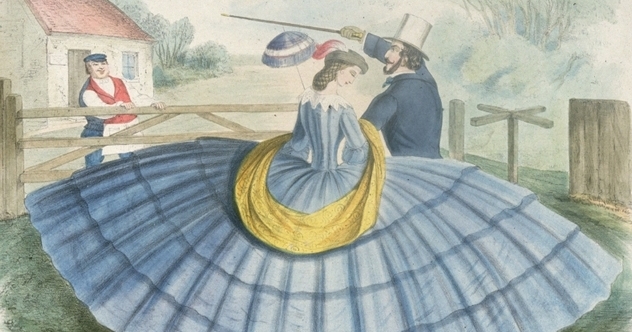
Fashion has always been a little dramatic. Today, we complain about shoes that pinch, jeans that require negotiation, and dry-clean-only labels that feel like a personal attack. But compared with our ancestors, we are living in a golden age of elastic waistbands and breathable fabrics. For centuries, people chased beauty, status, and social approval through clothing and cosmetics that could poison them, burn them, crush them, trip them, deform them, or slowly damage their bodies while everyone nodded and said, “How elegant.”
The history of dangerous fashion is not just a parade of strange old trends. It is a reminder that style has always been tied to class, gender expectations, technology, and marketing. New pigments, new fabrics, new silhouettes, and new beauty ideals often arrived before anyone fully understoodor cared aboutthe risks. A bright green gown could signal wealth. A tiny waist could suggest discipline. A pale face could imply refinement. A towering shoe could turn a person into a walking status symbol, assuming they did not fall down a staircase first.
Below are ten real ways people in the past risked their health, and sometimes their lives, in the name of looking fashionable. Some were victims of toxic manufacturing. Others willingly followed beauty standards that sound shocking now. Either way, the closet of history is full of skeletonsand a surprising number of them are wearing excellent hats.
1. Arsenic Green Dresses: The Color That Looked Fresh and Acted Like a Villain
In the 19th century, vivid green was one of the most fashionable colors a person could wear. Thanks to pigments such as Scheele’s Green and Paris Green, dresses, gloves, shoes, artificial flowers, wallpapers, and accessories could glow with an intense emerald shade that earlier dyes struggled to achieve. The problem was that these brilliant greens often contained arsenic.
For wealthy women, a green silk gown could be the ultimate party entrance. For the people who made those gowns, especially artificial flower makers and textile workers, the danger was even worse. Arsenic dust could flake from dyed leaves, fabrics, and trims, entering the lungs or settling on skin. Symptoms could include sores, headaches, nausea, nerve problems, and long-term poisoning. Some workers reportedly became seriously ill from handling green materials day after day.
The wearer of an arsenic-dyed dress might not drop dead in the ballroom like a melodrama heroine, but she could still experience irritation or exposure, especially if the fabric shed pigment. The true horror was the way fashion turned poison into decoration. The color looked like springtime; the chemistry behaved like a murder mystery.
2. Mercury Hats: When Looking Sharp Made Hatters “Mad”
The phrase “mad as a hatter” did not appear from nowhere. Felt hats, especially in the 18th and 19th centuries, were often made using mercury nitrate to treat animal fur. This process helped separate and mat the fibers, creating smooth felt for fashionable hats. Unfortunately, mercury fumes and residue exposed workers to a powerful neurotoxin.
Hat makers could suffer tremors, irritability, memory problems, mood changes, gum disease, and other neurological symptoms. The condition was sometimes called “hatter’s shakes.” While the stylish gentleman strolling down the street in a fine top hat may have looked dignified, the worker who produced it might have paid for that dignity with his health.
This is one of the clearest examples of fashion’s hidden human cost. The final product symbolized respectability, success, and masculine polish. Behind the scenes, workshops could be filled with toxic exposure. The hat sat neatly on the head; the damage settled into the nervous system.
3. Flammable Crinolines: Big Skirts, Bigger Fire Hazards
Few fashion trends combined glamour and danger quite like the crinoline. In the mid-19th century, cage crinolines allowed women’s skirts to expand into enormous bell shapes without endless layers of heavy petticoats. The silhouette was fashionable, dramatic, and impossible to ignore. It was also extremely dangerous around open flames.
Victorian homes were full of fireplaces, candles, gas lamps, and kitchen fires. A wide skirt could brush against a flame before the wearer even realized it. Once ignited, lightweight cotton, muslin, or gauze could burn quickly, with the crinoline structure holding fabric away from the body and feeding the flames with air. Many women died from burns after their dresses caught fire.
Crinolines could also catch on carriage wheels, furniture, doorways, and other people. A gust of wind could turn a fashionable woman into an unwilling weather experiment. But fire was the deadliest threat. The crinoline made a woman’s presence grand; it also made her personal space dangerously combustible.
4. Lead Makeup: A Pale Face With a Heavy Price
For centuries, pale skin was associated with wealth and refinement in many European societies. It suggested that a person did not work outdoors and therefore belonged to a higher social class. To achieve this look, people used cosmetics containing white lead, including products such as Venetian ceruse.
Lead-based makeup could create the smooth, ghostly complexion that fashion demanded, but it came with serious risks. Lead poisoning can affect the nervous system, digestive system, kidneys, and reproductive health. It can cause fatigue, abdominal pain, headaches, mood changes, and long-term organ damage. Applied repeatedly to the face, lead cosmetics could also damage the skin, which encouraged users to apply even more makeup to cover the problem. It was a beauty routine with the logic of a leaking roof: add more layers and hope nobody notices the disaster underneath.
Some historical figures, including elite women of the Renaissance and early modern periods, are often associated with this pale, lead-painted look. Whether or not every famous case can be proven, the broader pattern is clear: beauty standards made toxicity fashionable long before ingredient labels could save anyone.
5. Belladonna Eye Drops: Big Beautiful Pupils, Blurry Consequences
In certain periods, especially in Renaissance Italy, women used belladonna to dilate their pupils. The name “belladonna” means “beautiful woman,” which is charming until you remember the plant is also known as deadly nightshade. Dilated pupils were considered attractive because they made the eyes appear larger and more alluring.
The active compounds in belladonna can affect the nervous system. Used in the eyes, it could cause blurred vision, light sensitivity, increased heart rate, confusion, and, in dangerous amounts, poisoning. Imagine deliberately making it harder to see because society decided wide pupils were irresistible. It is the historical equivalent of wearing sunglasses indoors, except the sunglasses are toxic and your depth perception has resigned.
Belladonna shows how beauty ideals often target tiny details of the body and then demand risky interventions to change them. Eyes were not simply eyes; they were social signals. Unfortunately, the signal came with side effects.
6. Foot Binding: Beauty Built on Broken Bones
Foot binding in China is one of history’s most painful examples of fashion, status, and gender control merging into a single practice. For roughly a thousand years, many girls had their feet tightly bound to prevent normal growth and create the tiny “lotus foot” ideal. The process often began in childhood, when bones were still developing.
Binding could break toes, deform arches, cause chronic pain, restrict mobility, and increase the risk of infection. In severe cases, infection could become life-threatening. Bound feet were associated with beauty, discipline, marriageability, and social status, especially among certain classes. A woman’s limited movement was not a side effect of the ideal; in many ways, it was part of the ideal.
Foot binding was not merely a “shoe trend.” It was a body-altering social system. It shaped how women moved through the world, literally and symbolically. The fashionable foot was admired because it had been controlled, reduced, and reshaped. It is a haunting reminder that fashion can become dangerous when pain is mistaken for virtue.
7. Corsets and Tight-Lacing: The Waistline War
Corsets are often discussed in exaggerated ways, and not every corset was a torture device. Many were ordinary support garments, and some women wore them comfortably. However, tight-lacingthe practice of pulling the corset extremely tight to create a very small waistcould cause real health problems.
Severe tight-lacing could restrict breathing, compress organs, weaken muscles, cause fainting, and make physical movement difficult. The fashionable hourglass figure became a visual symbol of femininity, self-control, and social respectability. The waist was treated like a public résumé: the smaller it looked, the more disciplined the wearer appeared.
The danger was not simply the garment but the pressure to use it to extremes. When society rewards an unrealistic silhouette, people often push their bodies to match it. The corset became a tool of beauty, posture, class performance, and occasionally self-inflicted misery. It was shapewear with stakes.
8. Chopines: Platform Shoes That Turned Walking Into a Circus Act
Long before modern platform heels, wealthy women in Renaissance Venice and Spain wore chopinestowering platform shoes that could reach astonishing heights. Originally practical in muddy or wet streets, chopines became status symbols. The higher the shoe, the more dramatic the statement. Unfortunately, the statement was sometimes, “Please send help; I am now furniture.”
Walking in very high chopines could be difficult and dangerous. Wearers often needed servants for balance. A fall could cause sprains, fractures, or worse, especially on stone streets and staircases. Like many dangerous fashion trends, chopines turned inconvenience into prestige. If you could barely walk, that proved you were important enough not to need practical movement.
They also changed posture and gait, making every outing a performance. In this sense, chopines were less like shoes and more like portable social architecture. They elevated the body, advertised wealth, and turned gravity into a daily opponent.
9. Stiff High Collars: The “Father Killer” Around the Neck
In the 19th and early 20th centuries, men’s fashion favored stiff, high collars that framed the face and signaled respectability. Some were so rigid and tight that they earned the nickname “father killers.” While that sounds like a rejected detective novel title, the danger was real enough to become part of fashion folklore.
A tight collar could restrict blood flow or breathing, especially if a man fell asleep, became intoxicated, or wore it too tightly fastened. Reports connected stiff collars with choking or fainting incidents. Even when they were not deadly, they could be deeply uncomfortable. But discomfort often carried social value. A crisp collar said a man was proper, controlled, and civilized. Softness was for the informal; stiffness was for success.
This trend shows that men were not immune to hazardous fashion. They may not have been wearing arsenic flowers in their hair, but they were perfectly capable of putting a small white fence around their throats and calling it elegance.
10. Radium Beauty Products: The Glow-Up That Glowed Too Much
In the early 20th century, radium was marketed as modern, scientific, and almost magical. Before its dangers were fully understood by the public, radioactive ingredients appeared in health tonics, cosmetics, creams, and novelty products. The idea of glowing with vitality was taken much too literally.
Radium exposure can damage tissue, bones, and DNA. The most infamous victims were the “Radium Girls,” factory workers who painted luminous watch dials and suffered terrible health consequences after ingesting radium through workplace practices. While their story is more industrial than fashion-focused, it belongs in the broader history of beauty, visibility, and dangerous materials. Products that promised radiance sometimes carried risks far beyond ordinary cosmetic irritation.
Radium beauty culture reveals how easily new science can be turned into a sales pitch. Consumers were told that modern ingredients could make them healthier, younger, and more attractive. The packaging looked futuristic. The consequences were grim. It was not skincare; it was a cautionary tale in a jar.
Why Dangerous Fashion Was So Persuasive
It is tempting to laugh at the past and wonder how anyone could wear arsenic, mercury, lead, or shoes tall enough to require a support staff. But modern readers should be careful. Our ancestors were not foolish cartoons wandering into danger with excellent posture. They lived in worlds where scientific knowledge was limited, regulations were weak, and social pressure was intense.
Fashion has always communicated identity. It tells others who we are, who we want to be, what group we belong to, and how much status we can display. In earlier centuries, the stakes were often higher because clothing more rigidly signaled class, gender, morality, and respectability. A fashionable appearance could affect marriage prospects, employment, reputation, and social access.
There was also the problem of novelty. New dyes, new cosmetics, new manufacturing methods, and new silhouettes often appeared exciting before they appeared dangerous. A bright green gown did not arrive with a skull-and-crossbones label. A mercury-treated hat looked polished. A radium cream sounded scientific. When beauty products are marketed with confidence, people tend to trust the promise before they question the chemistry.
Modern Lessons From History’s Deadly Closet
Today, most clothing will not poison you at dinner, which is a comforting sentence that should make everyone grateful. Still, the history of dangerous fashion remains relevant. Modern consumers still face pressure to suffer for beauty, whether through extreme dieting, painful footwear, risky cosmetic procedures, or trend cycles that encourage constant consumption.
The lesson is not that fashion is bad. Fashion can be creative, joyful, personal, political, and deeply human. The lesson is that beauty standards deserve questioning, especially when they demand pain, secrecy, or physical harm. If a trend requires you to ignore your body’s warning signs, it may be less “timeless elegance” and more “future museum exhibit about bad decisions.”
Historical fashion also reminds us to consider the people who make what we wear. The wearer of a mercury hat might have faced limited risk compared with the hatter. The woman in the green dress might have been admired, while the worker handling arsenic pigments suffered daily exposure. Fashion’s dangers have often fallen hardest on laborers, women, children, and people with the least power to refuse.
Personal Experiences and Reflections on Deadly Fashion History
Reading about the dangerous fashion trends of the past can feel oddly personal, even if we are centuries removed from arsenic gowns and stiff collars. Almost everyone has worn something uncomfortable because it looked good, fit a dress code, impressed someone, or helped them feel like the person they wanted to be. That tiny moment of choosing appearance over comfort is the small, modern cousin of a much larger historical pattern.
Think about formal shoes that punish your feet before the event even begins. Think about shapewear that turns sitting into a negotiation. Think about a jacket too warm for the weather but too stylish to leave at home. None of these compare directly to lead poisoning or crinoline fires, but they help us understand the emotional logic. Fashion is rarely just fabric. It is confidence, belonging, aspiration, performance, and sometimes armor.
The strangest part of studying deadly fashion is realizing that many trends probably felt normal at the time. A Victorian woman wearing a wide crinoline did not think of herself as a future example in an article about hazardous clothing. She was simply dressing appropriately for her era. A Renaissance noblewoman applying pale makeup was not trying to poison herself; she was meeting the beauty expectations of her social world. A Venetian woman balancing on chopines was participating in a language of status that everyone around her understood.
That is what makes the topic so fascinating. Dangerous fashion was not always forced by villains twirling mustaches in candlelit rooms. Often, it was maintained by ordinary approval. Compliments can be powerful. So can gossip. So can the fear of looking poor, unfeminine, unfashionable, unserious, or out of place. When enough people agree that a certain look is desirable, the risks can become invisible.
There is also a sensory side to imagining these fashions. Picture the rustle of a huge skirt moving through a narrow hallway. Picture the sharp smell of treated felt in a hat workshop. Picture the chalky feel of lead makeup on skin, the unstable height of chopines, the tight pull of laces, the heat of candles near gauze and cotton. These were not abstract trends. They touched bodies every day. They changed how people breathed, walked, worked, danced, sat, and survived.
From a modern perspective, the most useful response is not smugness but curiosity. What are we normalizing now that future generations may find unbelievable? Which beauty routines seem harmless because they are popular? Which workers are exposed to risk so consumers can enjoy low prices and fresh trends? Which ideals make people feel that discomfort is the cost of being accepted?
The past gives us a dramatic mirror. Arsenic dresses and mercury hats may seem distant, but the desire to be admired is timeless. The need to belong is timeless. The willingness to suffer a little for beauty is also, unfortunately, very persistent. The best lesson from history’s deadly wardrobe is not to abandon style, but to make style answer a few basic questions: Is it safe? Is it fair? Is it worth it? And can you walk near a fireplace without becoming breaking news?
Conclusion
The story of fashion is full of artistry, invention, and self-expression. It is also full of poison, fire, pressure, and pain. From arsenic-green gowns to mercury hats, from lead cosmetics to foot binding, our ancestors often dressed for a world that valued appearance more than comfort and sometimes more than life itself.
These dangerous fashion trends reveal how beauty standards can become powerful enough to override common sense, especially when society rewards people for suffering quietly. They also show the importance of science, regulation, labor protection, and cultural change. Today, we can admire historical fashion without repeating its worst mistakes. After all, style should turn headsnot damage nerves, crush ribs, burn skirts, or require an emergency exit strategy.
Note: This article is based on documented historical information about hazardous clothing, cosmetics, dyes, accessories, and beauty practices. It is written for educational and editorial purposes.