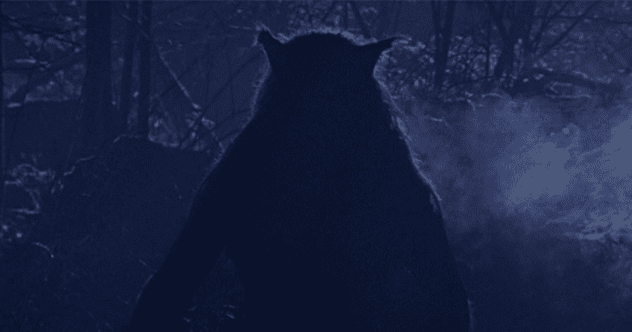
America has never met a dark forest, foggy lake, or suspiciously quiet swamp it could not fill with monsters. From towering ape-like creatures to crying woodland oddballs, cryptids have become permanent residents of the nation’s folkloreeven if they remain stubbornly absent from biology textbooks.
Determining which states have the most cryptids is not as simple as asking the creatures to complete the census. There is no official national registry covering every alleged monster, and sightings are not scientific proof. This editorial ranking considers three factors: the number of enduring regional legends, the volume of organized sighting reports, and the creatures’ cultural influence through festivals, museums, tourism, books, and local traditions.
The Bigfoot Field Researchers Organization database provides one imperfect but useful measure of reported Sasquatch activity. Folklore archives, government pages, regional publications, and cultural organizations help reveal which states have built entire monster ecosystems rather than relying on one famous furry celebrity.
10. Pennsylvania: Home of the Saddest Monster in America
Notable cryptids: The Squonk, Monongy, Ogua, White Bigfoot, and the Butler Gargoyle
Pennsylvania’s cryptid population thrives in its hemlock forests, Appalachian valleys, abandoned industrial areas, and three major rivers. Its most distinctive creature is the Squonk, a wrinkled woodland animal said to be so ashamed of its appearance that it cries constantly. Corner it, the story says, and it dissolves completely into tears. Frankly, many people have handled Monday mornings less gracefully.
Western Pennsylvania adds an impressive supporting cast. Monongy supposedly inhabits the Monongahela River, while the Ogua is rumored to prowl the waterways surrounding Pittsburgh. Other regional reports describe a pale Bigfoot with glowing eyes and an enormous winged figure known as the Butler Gargoyle.
The state’s strength is variety. Pennsylvania offers forest creatures, river monsters, winged humanoids, and multiple Bigfoot traditions. Events such as Squonkapalooza and local Bigfoot festivals have also turned obscure lumber-camp tales into modern community celebrations.
9. Wisconsin: Where a Hoax Became a Hometown Hero
Notable cryptids: The Hodag, Beast of Bray Road, Pepie, Rocky, and Bigfoot
Wisconsin has thousands of lakes, dense northern forests, long winter nights, and enough cheese to lure almost anything out of hiding. Its most beloved cryptid is the Hodag of Rhinelander, a horned, clawed, sharp-toothed forest beast introduced during the logging era.
The original Hodag story was an elaborate hoax associated with timber cruiser Eugene Shepard. That revelation did not hurt the legend. Rhinelander adopted the creature as a mascot, placed giant Hodag statues around town, named parks and businesses after it, and created an annual heritage festival. A fake monster becoming a successful tourism ambassador may be the most American career path imaginable.
Wisconsin also claims the Beast of Bray Road, a large wolf-like creature reportedly seen near Elkhorn. Descriptions often portray it walking on two legs, placing it somewhere between a werewolf, Dogman, and extremely ambitious timber wolf. Lake Pepin’s serpent, nicknamed Pepie, and other aquatic legends give the state additional cryptid depth.
8. Florida: Cryptids With Built-In Humidity
Notable cryptids: The Skunk Ape, St. Johns River Monster, Pensacola Sea Monster, and swamp creatures
Florida’s combination of mangrove forests, tropical wetlands, remote islands, invasive animals, and creatures that already look prehistoric makes it ideal cryptid territory. In this state, seeing something strange beside the road barely qualifies as unusual.
The headline act is the Skunk Ape, Florida’s foul-smelling relative of Bigfoot. Witnesses generally describe a large, hairy, upright creature living in the Everglades and surrounding swamps. Reports became especially prominent during the 1960s and 1970s, and the legend eventually inspired roadside attractions, investigations, merchandise, and the Skunk Ape Research Headquarters near Ochopee.
Skeptics have proposed bears, escaped primates, people in costumes, and ordinary animals distorted by poor visibility. Researchers have also noted that extensive wildlife-camera work in the Everglades has not produced indisputable evidence. None of that has stopped the Skunk Ape from becoming one of the best-known American cryptid legends.
Florida’s long coastline and network of rivers contribute sea-serpent stories as well. When a state contains alligators, pythons, manatees, monkeys, and monitor lizards, identifying a mystery silhouette at dusk can become a challenging group project.
7. Ohio: Frogmen, Grassmen, and Lake Monsters
Notable cryptids: The Loveland Frogman, Ohio Grassman, South Bay Bessie, and Defiance Dogman
Ohio may not have the remote wilderness of Oregon or Washington, but it compensates with an unusually busy collection of humanoids, lake creatures, and Bigfoot reports. The state consistently appears near the top of organized Sasquatch-report databases, particularly in forested southeastern counties.
The Ohio Grassman is the state’s Bigfoot variant, usually described as a tall, broad, hairy creature that may build nest-like structures from vegetation. South Bay Bessie supposedly inhabits Lake Erie, while Defiance has stories of a canine humanoid wandering near railroad tracks.
Ohio’s most charmingly bizarre resident is the Loveland Frogman. The legend describes a large, upright amphibian seen near the Little Miami River. Accounts vary wildly, covering different decades and descriptions, but the creature has inspired artwork, races, stage productions, festivals, and an enthusiastic fan community.
In 2026, Ohio lawmakers even introduced legislation proposing the Loveland Frog as the state’s official cryptid. Whether or not that proposal succeeds, being discussed in the statehouse represents a major professional achievement for an alleged frog that apparently refuses to wear pants.
6. Texas: Everything Is Bigger, Including the Monster List
Notable cryptids: The Lake Worth Monster, Chupacabra, Big Bird, Hairy Man, and East Texas Sasquatch
Texas contains deserts, pine forests, coastal marshes, limestone caves, prairies, and hundreds of miles of international borderland. Those environments support a correspondingly enormous collection of legends.
The Lake Worth Monster became a sensation near Fort Worth in 1969 after witnesses reported a large, hairy, goat-like creature around Greer Island. The incident drew crowds, newspaper attention, and organized searches. The legend became significant enough to appear in the City of Fort Worth’s official planning material, which notes that the creature briefly brought international attention to the lake.
Farther south, the Chupacabra has become deeply associated with Texas folklore. Reports frequently involve hairless, canine-looking animals blamed for livestock deaths. Examinations of alleged specimens have generally identified coyotes, dogs, or hybrids affected by mange, but the more ordinary explanation has never enjoyed the marketing power of “blood-drinking goat sucker.”
Texas also has stories about enormous flying birds, hairy humanoids in the eastern forests, and the Lake Worth Goatman. With its size, ecological variety, and rich blend of regional storytelling traditions, Texas could probably fill a separate top-10 list without crossing the state line.
5. West Virginia: America’s Cryptid Capital in Spirit
Notable cryptids: Mothman, the Flatwoods Monster, Grafton Monster, Sheepsquatch, and Snarly Yow
West Virginia may not lead every numerical database, but few states have embraced cryptid culture more enthusiastically. Appalachian mountains, winding roads, isolated hollows, former mining communities, and abandoned industrial sites provide ideal scenery for stories that begin with, “You are not going to believe what crossed the road.”
Mothman first gained attention around Point Pleasant in November 1966. Witnesses described a tall, winged figure with glowing red eyes near a former munitions site. Newspaper coverage transformed the reports into a national mystery, and later books and movies connected the creaturewithout evidenceto the tragic Silver Bridge collapse of December 1967.
Today, Point Pleasant celebrates Mothman with a museum, statue, shops, murals, and a major annual festival. The creature has evolved from an alarming roadside report into a symbol of local identity.
Elsewhere in the state, the Flatwoods Monster emerged from a 1952 encounter following reports of a strange light in the sky. The Grafton Monster, Sheepsquatch, Snarly Yow, and White Things round out a roster that gives West Virginia extraordinary cryptid density for its size.
4. Michigan: Dogmen and Monsters of the Great Lakes
Notable cryptids: Michigan Dogman, Nain Rouge, Pressie, Bessie, Melon Heads, and Bigfoot
Michigan has more than 3,000 miles of Great Lakes shoreline, countless inland lakes, and vast northern forests. That is enough habitat for every category of cryptid except perhaps a desert sandwormand someone in the Upper Peninsula has probably reported one anyway.
The Michigan Dogman is the state’s most famous mystery creature. It is generally described as a tall canine humanoid with pointed ears, a muscular body, and a disturbing howl. Modern interest expanded dramatically after radio personality Steve Cook recorded “The Legend” as an April Fools’ joke in 1987. Listeners then contacted the station with stories of their own alleged encounters.
Detroit contributes the Nain Rouge, a small red figure traditionally associated with misfortune. The Great Lakes support tales of giant serpents and unidentified aquatic creatures, while the Lower Peninsula has its own Melon Head legends. Northern Michigan also produces a substantial number of Bigfoot reports.
Michigan’s cryptid culture demonstrates how modern media, old regional tales, and witness reports can blend together. A joke song can revive older stories, listeners can add new accounts, and suddenly the monster has a longer résumé than many local politicians.
3. California: A Monster for Every Landscape
Notable cryptids: Bigfoot, Tahoe Tessie, Fresno Nightcrawlers, Dark Watchers, and coastal sea serpents
California is practically several countries stitched together, so it is unsurprising that its cryptid population is equally diverse. The state offers redwood forests, deserts, alpine lakes, rugged coastal mountains, agricultural valleys, and enormous urban areas where even security cameras occasionally capture something weird.
Northern California belongs to Bigfoot country and has accumulated hundreds of reports in organized sighting databases. The state also shares the Lake Tahoe legend of Tahoe Tessie with Nevada. Witness accounts describe long, dark shapes moving through the lake’s cold, deep water, with proposed explanations ranging from unusually large fish to floating logs and the human tendency to become imaginative near fog.
In the Santa Lucia Mountains, folklore describes tall silhouettes known as the Dark Watchers standing along distant ridges. The Fresno Nightcrawlers are a much newer phenomenon: pale, leg-like figures appearing in low-resolution surveillance footage. They resemble a pair of pajama pants that escaped before laundry day.
California ranks highly because its legends span traditional wilderness encounters, lake-monster stories, shadow figures, strange videos, and coastal mysteries. Few states offer such an ecologically diverse hiding placeor such a large population ready to upload blurry footage.
2. Oregon: Bigfoot Country With Bonus Sea Serpents
Notable cryptids: Bigfoot, Colossal Claude, Bandage Man, Agropelter, and Sinkhole Sam
Oregon combines temperate rainforest, volcanic mountains, remote coastline, high desert, deep lakes, and an impressive amount of mist. If a tourism board deliberately designed a cryptid habitat, it would probably look like Oregon.
Bigfoot dominates the state’s monster culture, particularly in the Cascades and coastal forests. Oregon consistently records a high number of reports in the BFRO database, although reports alone do not prove the presence of an undiscovered primate.
The state’s more unusual legend is Colossal Claude, a sea serpent associated with the Columbia River Bar and Oregon Coast. Historical accounts from the 1930s described a large serpentine animal seen by crew members aboard vessels near the mouth of the river. Later reports and unusual underwater footage helped keep the story alive, even though no confirmed animal matching the legend has been found.
Other Oregon oddities include the Bandage Man of Cannon Beach, the water-dwelling Sinkhole Sam, and fearsome critters inherited from logging folklore. The Agropelter supposedly hides in treetops and throws branches at lumberjacks, making it either a monster or the forest’s most aggressive workplace-safety inspector.
1. Washington: The Undisputed Home of Sasquatch
Notable cryptids: Sasquatch, lake monsters, sea serpents, and giant octopus legends
Washington takes the top position because it combines America’s largest concentration of organized Bigfoot reports with an environment that seems custom-built for mystery. The Olympic Peninsula, Cascade Range, Mount Rainier region, and southwestern forests offer enormous tracts of rugged, heavily wooded terrain.
The BFRO database lists more reports from Washington than from any other state. Those entries remain witness reports rather than scientific confirmation, but their volume demonstrates Washington’s unmatched relationship with Sasquatch culture.
Bigfoot stories in the Pacific Northwest long predate the modern cryptozoology industry. The name “Sasquatch” is commonly connected to a Salish-language term, although the traditions of individual Indigenous nations are distinct and should not be reduced to a single modern monster narrative. Settler reports, footprint discoveries, roadside attractions, organized expeditions, proposed legislation, and popular media later expanded the creature’s reputation.
Washington also has lake and coastal legends, including tales of unusually large octopuses beneath Puget Sound and serpentine creatures in regional waterways. Still, Sasquatch is the reason Washington leads this list. In cultural terms, Bigfoot is not merely hiding in the state’s forests; he is working full-time in tourism, branding, advertising, and souvenir production.
A 500-Word Cryptid Road Trip Experience
What exploring America’s monster country is really like
Picture beginning a cryptid road trip in Point Pleasant, West Virginia. The town does not treat Mothman as an embarrassing rumor hidden in an attic. He is displayed proudly in the center of town, complete with a metallic statue, museum exhibits, murals, themed merchandise, and businesses happy to place glowing red eyes on almost anything. During the annual festival, visitors arrive in costumes, vendors sell monster artwork, and families pose for photographs with a creature once described as terrifying. The experience feels less like investigating a dangerous animal and more like attending a homecoming celebration for a peculiar celebrity.
In Loveland, Ohio, the tone is equally playful. Frogman imagery appears on shirts, posters, race materials, and festival decorations. Local enthusiasm shows how cryptid tourism works at its best: the community does not need to convince every visitor that a giant amphibian is hiding beside the river. The story itself creates conversation, creativity, and a reason to explore the town. You may leave without seeing a four-foot frog, but you might leave with three stickers and a strong opinion about which bridge looks the most suspicious.
Rhinelander, Wisconsin, offers another style of encounter. The Hodag’s hoax origins are openly discussed, yet the creature remains a beloved civic symbol. Visitors can photograph oversized statues, follow Hodag-themed attractions, attend heritage events, and hear different versions of the legend. Instead of weakening the experience, knowing the original story was fabricated makes it more interesting. The Hodag illustrates how folklore can remain culturally authentic even when the animal is not zoologically authentic.
The atmosphere changes in the Pacific Northwest. Driving through western Oregon or Washington at dusk, the scale of the forest becomes impossible to ignore. Trees crowd the road, fog settles between trunks, and visibility disappears only a short distance beyond the headlights. A broken stump can resemble a shoulder. A bear can stand upright. An elk can make an unfamiliar sound. Once Bigfoot is on your mind, the forest begins providing suspicious shapes at wholesale prices.
A responsible cryptid trip should remain a folklore adventure rather than an excuse to trespass or wander unprepared into remote wilderness. Travelers should stay on legal trails, carry navigation and emergency supplies, respect wildlife, and avoid approaching unfamiliar animals. Most importantly, visitors should listen to local stories without treating every tradition as interchangeable. A lumberjack’s comic fearsome critter, a modern internet video, and an Indigenous cultural narrative do not necessarily belong in the same category.
The most memorable part of exploring the states with the most cryptids is rarely an actual sighting. It is hearing a diner owner describe what her grandfather saw, finding monster footprints painted on a sidewalk, or watching a skeptical local become surprisingly specific about the exact road where nobody should stop after midnight. Cryptid travel turns landscapes into stories. Lakes become deeper, forests become quieter, and ordinary roadside shadows receive dramatic promotions.
Why Cryptid Legends Continue to Thrive
Cryptids survive because they occupy the narrow space between possibility and imagination. Remote environments still contain unfamiliar sounds, unexpected animal behavior, distorted tracks, and difficult viewing conditions. Human memory then reshapes ambiguous experiences, while newspapers, television, podcasts, and social media spread the most entertaining versions.
These stories also give communities distinctive identities. Mothman belongs to Point Pleasant. The Hodag belongs to Rhinelander. The Frogman belongs to Loveland. Bigfoot may wander across the continent, but Washington and Oregon have built him a particularly comfortable cultural home.
Scientific evidence has not confirmed the creatures discussed here as unknown animal species. Yet cryptid legends remain valuable as folklore, regional history, tourism, art, and shared storytelling. Belief is optional. Enjoying the mystery is not.
Conclusion
The states with the most cryptids tend to combine wild landscapes with strong storytelling traditions. Washington and Oregon dominate Bigfoot country, while California and Michigan offer exceptional environmental variety. West Virginia, Wisconsin, Ohio, Texas, Florida, and Pennsylvania demonstrate that a state does not need endless wilderness to develop a world-class monster collection.
Whether these creatures began as misidentified wildlife, deliberate hoaxes, frightening encounters, old campfire stories, or modern media phenomena, they have become part of American culture. Until someone produces clear biological evidence, the nation’s cryptids will remain exactly where they are most powerful: just beyond the headlights, behind the next tree, and safely out of focus.