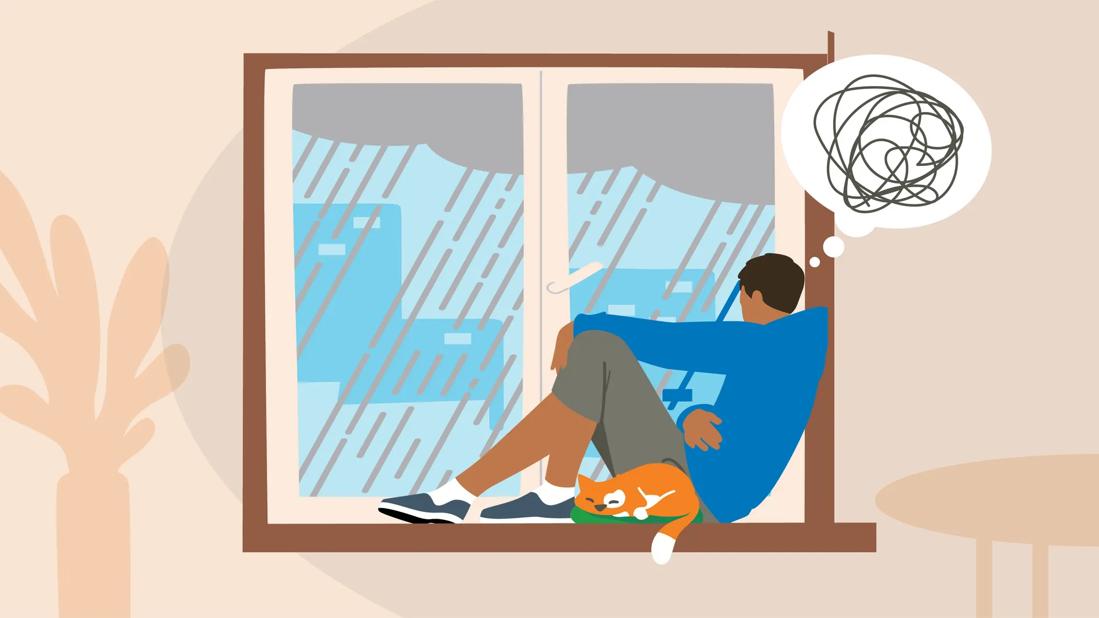
Teenagers are famous for eye rolls, mysterious bedroom disappearances, and treating “How was your day?” like a hostile interrogation. That part is normal. What is not normal is a lasting pattern of sadness, irritability, hopelessness, withdrawal, or major changes in sleep, appetite, energy, and daily functioning. In other words, there is a big difference between ordinary teenage moodiness and a mental health condition that deserves real attention.
If you are a parent, caregiver, teacher, or even the family member who somehow got promoted to “the one who notices things,” learning the warning signs of teen depression can help you step in early. Depression in adolescents does not always look like nonstop crying or dramatic movie scenes. Sometimes it looks like a once-outgoing kid who suddenly wants to quit everything. Sometimes it looks like anger, exhaustion, stomachaches, slipping grades, or a teen who says, “I’m just tired,” over and over until everyone starts believing that is the whole story.
This guide breaks down 10 signs your teen may be depressed, explains what those signs can look like in daily life, and covers what to do next. One sign alone does not prove depression. But when several signs show up together, last for more than a couple of weeks, and begin to affect school, relationships, routines, or self-care, it is time to take a closer look.
When Is It More Than “Just a Phase”?
All teens have rough patches. They get stressed about school, friendships, sports, family conflict, breakups, body image, and the general chaos of growing up in a world that expects them to be successful, social, calm, productive, and somehow also well-rested. But depression is more than a bad week. It tends to stick around, interfere with everyday life, and make it hard for a teen to enjoy, manage, or even care about the things that used to matter.
Another important point: depression in teens can look different from depression in adults. A depressed teenager may seem irritable, angry, bored, or emotionally flat instead of obviously sad. So if your child does not look heartbroken but does look constantly annoyed, disconnected, exhausted, or unlike themselves, that still counts as a reason to pay attention.
1. Persistent Sadness or Unusual Irritability
The first major red flag is a mood change that does not pass quickly. Your teen may seem sad, empty, tearful, or hopeless. But just as often, they may seem snappy, defensive, or angry all the time. Depression in adolescents frequently wears an irritated face. That means the teen who seems “mean lately” may actually be struggling more than anyone realizes.
Look for a pattern rather than one dramatic moment. Maybe your teen used to bounce back after a stressful day, but now they stay gloomy or edgy for weeks. Maybe every conversation turns tense. Maybe their reactions are bigger than the situation calls for. When low mood or irritability becomes their new normal, it deserves attention.
2. Loss of Interest in Things They Used to Enjoy
A teen who once loved basketball, guitar, gaming with friends, volunteering, theater, or weekend mall trips may suddenly stop caring. Depression often steals pleasure first. Parents may notice that the teen is not just “busy” or “growing out of things,” but is genuinely uninterested in activities that once lit them up.
This loss of interest can be subtle. Your teen may still attend practice but move through it like a ghost. They may stop initiating plans, quit clubs without much explanation, or spend hours doing nothing they actually enjoy. A favorite hobby becoming a chore is a common sign that something deeper may be going on.
3. Pulling Away From Friends and Family
Needing privacy is standard teen behavior. Becoming socially disconnected is different. A depressed teen may isolate more than usual, stop texting friends back, eat alone, stay in their room constantly, or avoid family events they once tolerated with only the normal amount of teenage dramatic sighing.
Some teens withdraw because socializing feels exhausting. Others pull back because they feel misunderstood, numb, ashamed, or convinced they are a burden. If your teen is suddenly canceling plans, disappearing from friendships, or treating human contact like it is a subscription they forgot to renew, notice the pattern.
4. Big Changes in Sleep
Sleep problems are one of the most common signs of teen depression. Some teens sleep far more than usual and still wake up exhausted. Others cannot fall asleep, wake often, or seem wired late at night and miserable in the morning. Either way, their sleep pattern shifts in a way that affects mood, energy, and daily functioning.
Yes, many teenagers stay up too late. That alone does not mean depression. The concern is when sleep changes come with other warning signs: low motivation, sadness, irritability, school struggles, or withdrawal. If your teen’s sleep schedule has gone from “not ideal” to “life-disrupting,” it is worth taking seriously.
5. Appetite or Weight Changes
Depression can affect eating habits in both directions. Some teens lose interest in food, skip meals, or say they are not hungry. Others eat more often, especially for comfort, distraction, or emotional relief. Significant weight change is not required for this sign to matter. Sometimes the clue is simply that your teen’s normal eating rhythm has changed.
Maybe breakfast used to be routine and now it is never touched. Maybe your teen suddenly raids the pantry late at night. Maybe they seem emotionally disconnected from hunger cues altogether. Appetite shifts can happen for many reasons, but when they appear alongside other mood or behavior changes, they can be part of the depression picture.
6. Falling Grades or Trouble Concentrating
Depression does not just affect feelings. It can also affect thinking. Teens may struggle to focus, remember assignments, complete homework, or stay mentally present in class. A child who was once organized may suddenly miss deadlines, forget simple tasks, or stare at a worksheet like it is written in ancient code.
Sometimes adults mistake this for laziness, carelessness, or lack of discipline. But depression can slow thinking, drain motivation, and make even ordinary tasks feel overwhelming. If a teen’s academic performance drops sharply or they start complaining that they “can’t think” or “can’t care,” that deserves compassion, not just correction.
7. Constant Fatigue or a Noticeable Drop in Energy
Many depressed teens feel worn out all the time. They may complain of being tired even after sleeping. They may move more slowly, take longer to get ready, or seem physically and emotionally drained by basic routines. This is not ordinary laziness. Depression can make small tasks feel huge.
Parents often notice this as a shift in pace. A teen who used to get up and go now lies around, postpones everything, and says, “I’ll do it later,” until later becomes tomorrow and tomorrow becomes next week. Low energy paired with low mood, social withdrawal, or loss of interest is a combination worth noticing.
8. Frequent Physical Complaints With No Clear Cause
Not every depressed teen says, “I feel depressed.” Some say, “My head hurts,” “My stomach feels weird,” or “I’m tired all the time.” Emotional pain often shows up through physical symptoms, especially in adolescents who do not yet have the words, comfort level, or self-awareness to explain what they are feeling emotionally.
Recurring headaches, stomachaches, body aches, or general complaints of not feeling well can sometimes be part of depression, particularly when medical causes are ruled out or the symptoms show up most around school, social stress, or emotionally difficult moments. The body is not being dramatic. It is often carrying what the mind cannot say out loud.
9. Harsh Self-Talk, Guilt, Worthlessness, or Hopelessness
Listen closely to how your teen talks about themselves. Depression often comes with relentless inner criticism. You may hear statements like “I’m stupid,” “I ruin everything,” “Nobody cares,” “What’s the point?” or “I’m bad at everything.” Even when those phrases sound exaggerated, they may reflect real emotional pain.
Hopelessness is especially important to notice. A teen who believes nothing will improve may stop trying, stop reaching out, or stop imagining a better future. That mindset can quietly deepen depression and make ordinary encouragement feel useless. When a teen sounds defeated by life rather than annoyed by a bad day, take it seriously.
10. Talking About Death, Disappearing, or Not Wanting to Be Here
This is the sign that should never be brushed off. A teen may not speak in clear, dramatic statements. Sometimes the language is indirect: “I wish I could disappear,” “Nobody would care if I was gone,” or “I’m tired of everything.” Some teens may also give away valued items, act suddenly detached, or show risky, self-destructive behavior.
If your teen talks about wanting to die, not wanting to be alive, or seems unsafe, treat it as urgent. Stay with them, remove immediate dangers if you can do so safely, and get help right away. This is not the moment for a lecture, a debate, or a wait-and-see experiment. It is the moment for calm, direct support and immediate professional help.
What Parents and Caregivers Can Do Next
Start with a calm conversation
Choose a quiet moment and keep your tone gentle. Try something like, “I’ve noticed you seem more down and tired lately, and I want to understand what’s going on.” Avoid launching into a courtroom speech with exhibits A through Z. The goal is not to win the case. The goal is to open the door.
Listen more than you talk
Your teen may minimize, shrug, or say “I’m fine” with Olympic-level commitment. Stay steady. Let them know you are not there to punish or judge them. Even if they only share a little, that conversation matters.
Schedule a professional evaluation
If several signs are present, especially for more than two weeks, contact your teen’s pediatrician, family doctor, or a licensed mental health professional. Depression is treatable, and early support can make a real difference.
Do not assume it is laziness, attitude, or bad parenting
Depression is a health issue, not a character flaw. Your teen is not failing a motivation contest. And you are not failing because your family needs help.
Create a safer, more supportive environment
Reduce unnecessary pressure where possible. Keep routines predictable. Encourage sleep, regular meals, movement, and connection without turning every habit into a battle plan. Small structure helps, but compassion helps more.
Act quickly if safety is a concern
If your teen talks about wanting to die, says they cannot stay safe, or seems to be in immediate danger, seek urgent help right away through emergency services or a crisis resource.
Experiences Families Commonly Describe
When families look back, they often say the early signs were easy to explain away. At first, the teen just seemed stressed. Then tired. Then irritable. Then “kind of off.” Depression rarely arrives with a neon sign and a marching band. It often shows up in ordinary moments that do not look dramatic until you connect them together.
One common experience is the slow retreat. A parent may notice that their teen no longer lingers in the kitchen after school, no longer jokes with siblings, and no longer asks for rides to hang out with friends. At first it can look like growing independence. Later it becomes clear that the teen was not building a new life so much as backing out of the old one.
Another familiar pattern is the homework standoff. Families describe a teen sitting in front of assignments for hours, doing little or nothing, and then melting down when asked why. Adults sometimes assume defiance. But many teens later explain that they felt foggy, overwhelmed, and ashamed. They were not refusing because they did not care. They were stuck because everything felt too heavy to begin.
Parents also talk about the “always tired” stage. Their teen sleeps late, drags through the day, and still says they are exhausted. Even fun plans seem like too much effort. The teen who once loved movie nights or late-night snack runs now seems emotionally unavailable, as if the spark has dimmed. Families often say this was the point when they realized they were not dealing with ordinary moodiness anymore.
Some caregivers describe increased conflict. The teen becomes more defensive, more angry, more likely to snap over small things. That can be confusing because many adults expect depression to look soft and sad. In real life, teen depression can sound like slammed doors, one-word answers, and a face that says, “Please leave me alone,” even when the deeper truth is, “Please notice I’m not okay.”
Teens themselves often describe feeling misunderstood during this period. They may know something is wrong but not know how to explain it. Some say they felt numb rather than sad. Others say they felt trapped, tired, or guilty for not being able to function the way they used to. A few report that everyone kept telling them to try harder, get organized, cheer up, or be grateful, which only made them feel more broken.
There is also the experience of relief when someone finally asks the right question. Not “Why are your grades slipping?” Not “What is your problem lately?” But “You haven’t seemed like yourself. Are you hurting?” Families often remember that moment because it shifts the conversation from performance to wellbeing. And once the focus changes, help becomes possible.
Another common experience is that progress is rarely instant. Support may include therapy, family changes, school accommodations, healthier routines, and sometimes medication. Improvement can come in waves. A teen may not suddenly become cheerful and chatty by next Tuesday at 4:00 p.m. But many families say the same thing: once depression was recognized for what it was, the household became less confused and more connected. People stopped arguing with the symptoms and started responding to the pain underneath them.
That is the hopeful part. Depression can be serious, but it is also treatable. Families do not need to be perfect. They need to be observant, willing to listen, and ready to get help when the signs add up.
Final Thoughts
Knowing the signs of depression in teens does not mean assuming the worst about every bad mood. It means recognizing when ordinary stress may have crossed into something deeper. If your teen seems persistently sad, irritable, exhausted, withdrawn, hopeless, or unlike themselves, trust your observations. You do not need to make a diagnosis at the kitchen table. You only need to take the signs seriously enough to start the conversation and seek support.
Note: This article is for informational purposes only and is not a diagnosis. If your teen may be in immediate danger or is talking about wanting to die, seek urgent help right away.