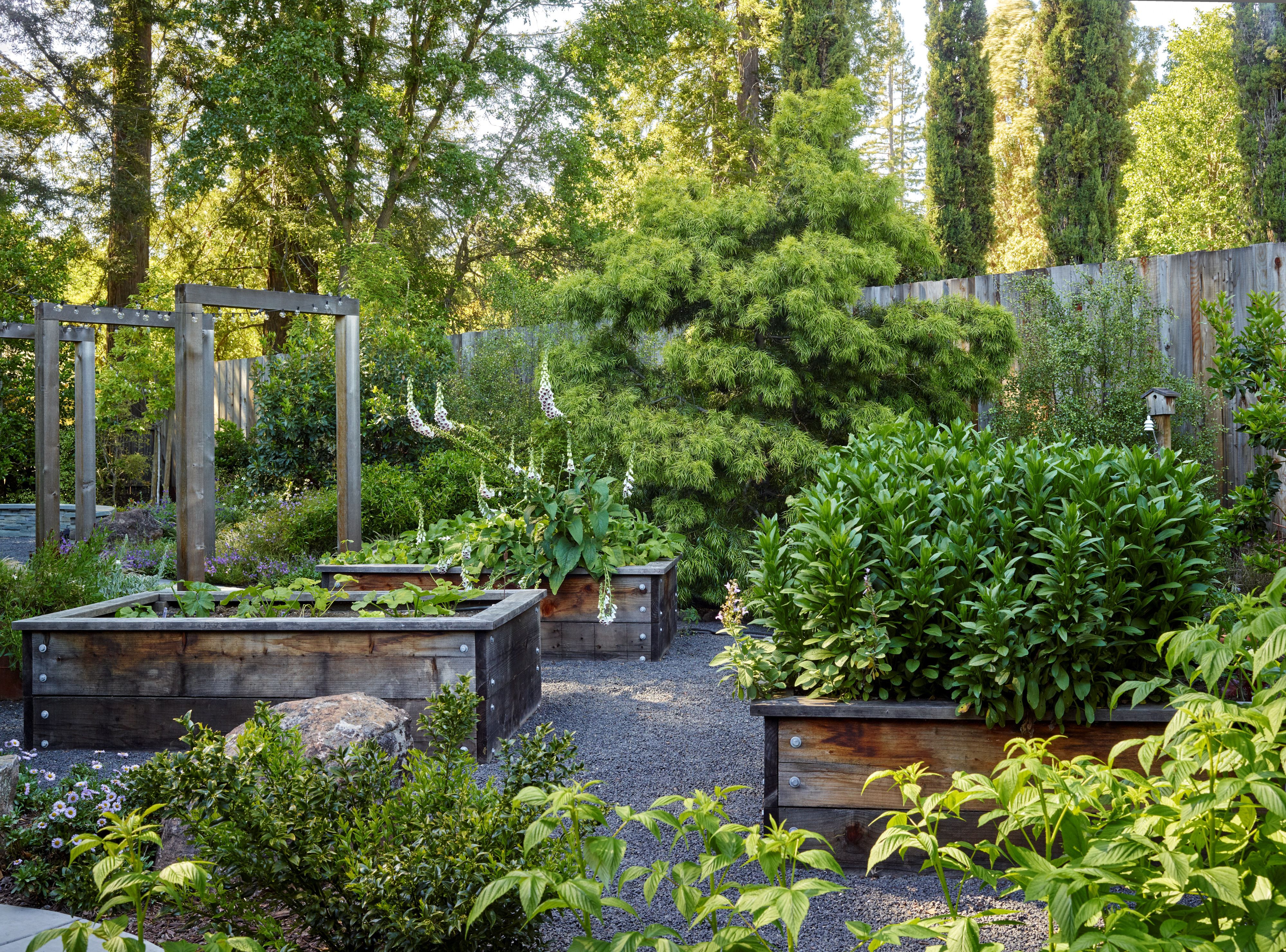
Raised garden beds are the “life hack” of the veggie world: better drainage, warmer soil, fewer back-breaking squats,
and a tidy little rectangle that makes you feel like an adult who owns matching towels.
But raised beds can also go sideways fastusually because of a few very fixable choices made early on.
Below are the most common raised garden bed mistakes (and what to do instead), written for normal humans:
the ones with jobs, kids, and a suspiciously high number of half-used bags of compost in the garage.
Why raised beds work (when you don’t sabotage them)
A raised bed is basically a controlled environment: you decide the soil, the shape, the drainage, and the plant spacing.
Done right, that control means fewer headaches and better harvests. Done wrong, it means you built an expensive sandbox
where tomatoes go to contemplate mortality.
The goal isn’t perfection. It’s avoiding the handful of decisions that cause 80% of raised bed problemsstunted plants,
constant wilting, weeds staging a hostile takeover, or that mysterious mid-season “why do my peppers hate me?” vibe.
1) Putting your raised bed in the wrong spot
What it looks like
Leggy seedlings, pale leaves, tiny harvests, or plants that flower like they’re trying but fruit like they forgot the assignment.
Why it’s a problem
Most vegetables want full sunthink 6–8+ hours. Shade from fences, buildings, or trees can cut yields hard.
Trees are extra rude because they also compete for water (and certain trees can make things worse with plant-inhibiting compounds).
What to do instead
- Track sun for a day (or use a sun-mapping app) before you build.
- Place beds near an easy water sourceyour future self will thank you.
- Keep beds away from tree root zones when possible.
2) Building beds you can’t reach (so you step in them)
What it looks like
You swear you’ll “never step in the bed,” then reality hits: you need to weed the middle and suddenly you’re doing the
forbidden stomp. Soil gets compacted. Roots sulk. Plants underperform.
Why it’s a problem
Raised beds shine because the soil stays loose and root-friendly. Stepping inside turns your fluffy soil mix into a
compressed brick with dreams.
What to do instead
- Keep beds about 3–4 feet wide so you can reach the center from the edges.
- Leave comfortable paths (your hips have entered the chat).
- If you already built a wide bed, add a stepping stone ONLY if absolutely neededand keep it minimal.
3) Choosing the wrong depth and height
What it looks like
Carrots fork like they’re auditioning for modern art. Tomatoes stay small. Squash acts thirsty no matter what.
Or the opposite: you build a towering bed that bows outward like it’s trying to escape.
Why it’s a problem
Plant roots need space. Too shallow and roots hit a hard stop (especially for fruiting crops). Too tall without reinforcement
and the bed walls can warp, loosen, or failusually right after you’ve filled it with expensive soil.
What to do instead
- A practical range for many vegetables is 10–18 inches of soil depth.
- Go deeper for large fruiting crops if your underlying soil is poor or compacted.
- If building higher than about 18–24 inches, use strong corner bracing and mid-span supports.
4) Using sketchy or short-lived building materials
What it looks like
Your bed looks great… for one season. Then boards rot, fasteners pop, or you start wondering if “mystery lumber” and
edible lettuce should share a zip code.
Why it’s a problem
Some materials are simply not garden-friendly for food production (think creosote-treated railroad ties or unknown treated wood).
Others are safe but don’t last. Either way, you’ll pay twiceonce in money, once in annoyed rebuilding.
What to do instead
- Choose rot-resistant options like cedar or other naturally durable woods.
- Avoid creosote-treated or chemically questionable reclaimed materials for edible beds.
- If you’re unsure about a material’s past life, don’t let it be in charge of your salad.
Note: Guidance on pressure-treated lumber varies by source and by chemical era. If you use it, make sure it’s modern
pressure-treated wood (not the old formulations), and consider lining the inside walls if you want an extra barrier.
5) Blocking drainage with the wrong “bottom”
What it looks like
Water pools after rain. The bed stays soggy. Fungus shows up like it pays rent. Plants yellow, then collapse
in a melodrama called “root stress.”
Why it’s a problem
A classic raised bed is open to the ground below. When people add non-permeable plastic or a solid barrier underneath,
drainage and soil biology suffer. Water can’t move through naturally, and roots can’t explore.
What to do instead
- If you need a barrier, choose something permeable (not plastic).
- On hard surfaces, use a bottom liner designed to drain (and plan for more frequent watering).
- Focus on good soil structure for drainagethis beats “plastic as a lifestyle choice.”
6) Skipping base prep (hello, weeds and grass)
What it looks like
You fill the bed, plant everything, and then grass shows up inside the bed like it got an invitation.
Weeds sprout from below. You start questioning your life choices.
Why it’s a problem
Existing turf and perennial weeds don’t politely disappear just because you built a wooden rectangle over them.
They keep growing, and they are way more persistent than your motivation in August heat.
What to do instead
- Remove sod or thoroughly kill the grass before building.
- Smother with overlapped cardboard or thick layers of paper (no glossy ink party favors).
- If burrowing pests are common in your area, consider hardware cloth under the bed before filling.
7) Filling with the wrong soil mix
What it looks like
The soil becomes a hard crust, dries out instantly, or turns into a swamp. Plants look hungry, even when you “fed them.”
You add more compost. Things get weirder.
Why it’s a problem
Raised beds need a balance: drainage, moisture holding, nutrients, and structure. Straight native soil often compacts.
All-compost beds can be too rich, too salty, or unstable over time. Cheap “topsoil” can be mostly filler with
inconsistent texture.
What to do instead
- Use a proven blend: a practical approach is compost + a soilless mix in roughly equal parts, and (for deeper beds) some real topsoil in moderation.
- Aim for soil that holds moisture but drains wellcrumbly, not muddy or powdery.
- Test soil occasionally and adjust pH/nutrients based on results, not vibes.
Pro tip: Avoid creating a “layer cake” of radically different materials (like thick gravel under fine soil).
When textures change abruptly, water movement can get weirdbetter to keep the root zone mix consistent and fix drainage
with soil structure, bed placement, or proper site drainage solutions.
8) Leaving soil bare (no mulch, more chaos)
What it looks like
Weeds pop up overnight. Soil surface cracks. Watering feels like trying to hydrate a sponge in a hair dryer.
Plants get stressed during heat swings.
Why it’s a problem
Bare soil loses moisture quickly, warms up faster in summer, and invites weeds to RSVP “yes” to your garden.
Mulch also reduces splashing soil, which can help limit some disease spread onto leaves.
What to do instead
- Add about 2 inches of organic mulch once seedlings are established (straw, shredded leaves, fine bark, etc.).
- Keep mulch a little away from plant stems to reduce rot risk.
- Refresh as it breaks downmulch is a “subscription service,” not a one-time purchase.
9) Watering like it’s in-ground (it’s not)
What it looks like
Your bed looks thirsty at 2 p.m., you panic-water, and then it looks thirsty again tomorrow. Or the opposite:
you water on a schedule and wonder why roots are unhappy. Either way, it’s confusing.
Why it’s a problem
Raised beds often drain fasterespecially in the first season and especially if your mix is very airy.
Sun and wind dry them out, and shallow beds lose moisture faster than in-ground plots.
What to do instead
- Water based on the soil, not the calendar. Check moisture 2–4 inches down.
- Water deeply so the whole bed is moist, not just the top inch.
- Consider soaker hoses or drip irrigation for steady moisture and fewer foliar disease issues.
Bonus: Morning watering is usually kinder to plants and less likely to invite overnight leaf wetness problems.
10) Ignoring rotation and sanitation (disease loves routines)
What it looks like
Tomatoes get the same spots every year. Squash plants collapse mid-season. You blame the weather, the moon,
and possibly your neighbor’s vibeswhile the real culprit is “same crop, same bed, every year.”
Why it’s a problem
Many pests and diseases build up when the same plant families live in the same soil repeatedly.
Raised beds can intensify this because the planting zone is concentrated.
What to do instead
- Rotate plant families (tomatoes/peppers/eggplant; squash/cukes; brassicas; legumes, etc.).
- Aim for a multi-year rotation when possibledon’t replant the same family in the same spot every season.
- Remove diseased plant debris and sanitize stakes/cages between seasons.
- Give plants airflowcrowded beds are basically a disease networking event.
Raised Bed Fix-It Checklist
- Sun: 6–8+ hours for most vegetables; track it before building.
- Access: 3–4 ft wide beds; paths you can actually walk on comfortably.
- Depth: roughly 10–18 in for many vegetables; reinforce taller beds.
- Materials: rot-resistant and food-safe; avoid questionable treated timbers.
- Drainage: don’t block the bottom with plastic; improve soil structure instead.
- Base prep: remove/kills sod; smother with cardboard; add rodent mesh if needed.
- Soil: balanced mix (not straight dirt, not pure compost); test occasionally.
- Mulch: ~2 inches once plants are established.
- Watering: check moisture 2–4 in down; water deeply; consider drip/soaker hoses.
- Rotation: rotate plant families; clean up diseased debris.
FAQ: Quick answers people Google at midnight
How deep should a raised garden bed be?
Many vegetable beds do well around 10–18 inches. Shallow beds can still work for some crops,
but deeper beds make moisture management and rooting more forgivingespecially if native soil underneath is compacted.
What’s the best soil for raised beds?
You want a mix that drains well but holds moisture. A common practical strategy is blending compost with a soilless
component and a portion of quality topsoil (especially for deeper beds). Avoid “mystery fill” and go for consistent texture.
Do I need a liner or landscape fabric underneath?
Underneath a bed on soil, you usually want water and roots to move freely. If you use a barrier for weeds,
choose something permeable (cardboard/paper can work as a starter layer). Avoid non-permeable plastic under the bed.
Why does my raised bed dry out so fast?
Raised beds are exposed on the sides, often use airy mixes, and may drain quicklyespecially the first season.
Mulch, deeper watering, and drip/soaker irrigation make a huge difference.
Garden Bed “War Stories”: Real-World Lessons (The 500-Word Version)
If you hang around gardeners long enoughcommunity plots, neighborhood chats, extension workshopsyou’ll notice that
raised bed problems tend to repeat like a catchy song you didn’t ask for. The details change, but the plot is familiar.
Here are a few “this happens all the time” scenarios that connect directly to the mistakes above.
The Shady Bed That Looked Sunny in March. A classic: someone builds a bed in early spring when trees are bare,
the sun feels generous, and optimism is at peak levels. By late May, leaf canopy arrives like a stage curtain dropping.
Tomatoes stretch, peppers stall, and suddenly you’re growing “salad vibes” instead of salad. The fix isn’t complicated
track sunlight across seasons, or plan beds where summer sun is reliable. It’s just a lesson most people learn once.
The “I Can Totally Reach That” Rectangle. Another repeat offender is the bed that’s slightly too wide.
It’s only 5 feet, you tell yourself, and you have “long arms.” Fast-forward to peak growth: you need to harvest beans in the middle,
pull a weed jungle, and you end up stepping in to solve the problem. Soil compaction follows, and the bed slowly loses that fluffy,
easy-growing magic. Gardeners who redesign later usually say the same thing: smaller, reachable beds produce morenot because they’re
inherently better, but because you maintain them consistently.
The Compost Volcano. Compost is wonderful, which is exactly why it gets overused. Some gardeners fill a bed with
almost all compost because the bag says “organic” and the color looks rich. For a while, plants explode with leafy growth.
Then midsummer stress hits: moisture swings, nutrient imbalance, and sometimes poor fruiting. The “aha” moment is realizing that
raised bed soil is a recipe, not a single ingredient. Once they blend compost with structured components and add mulch, everything
calms downand the garden stops behaving like it drank three energy drinks.
The Daily Watering Trap. A raised bed that drains quickly can train you into constant watering.
People start watering “a little” every day, which keeps roots near the surface and makes plants extra sensitive to heat.
When gardeners switch to checking moisture a few inches down and watering deeply (plus adding mulch), plants usually become more resilient.
Many also report that soaker hoses or drip lines feel like cheatingin the best waybecause consistency beats heroics.
The “Why Are My Tomatoes Sick Again?” Mystery. Replanting the same crop family in the same bed is the slow-burn mistake.
It works… until it doesn’t. Then the same disease shows up year after year, and you’re stuck in an endless cycle of disappointment and
late-night internet diagnosing. Gardeners who rotate families and clean up debris at season’s end often describe it as flipping the game
to “easy mode.” It doesn’t eliminate every issue, but it reduces the repeat offenders dramatically.
The common thread in all these stories isn’t that raised beds are hard. It’s that raised beds are honest.
They magnify both good decisions and avoidable mistakes. Fix the fundamentalssun, access, depth, soil structure, mulch, smart watering,
and rotationand your bed goes from “high-maintenance drama” to “reliably productive little food factory.”
Conclusion
The best raised beds aren’t the fanciest. They’re the ones built where plants get sun, filled with a balanced soil mix,
kept evenly watered, and designed so you can actually maintain them without stepping inside like a garden kaiju.
Avoid these 10 raised garden bed mistakes, and you’ll spend less time troubleshooting and more time harvesting.
And if you’ve already made some of these mistakes? Congratulationsyou’re officially a gardener. Fix one thing at a time,
and your next season will feel like you secretly leveled up.