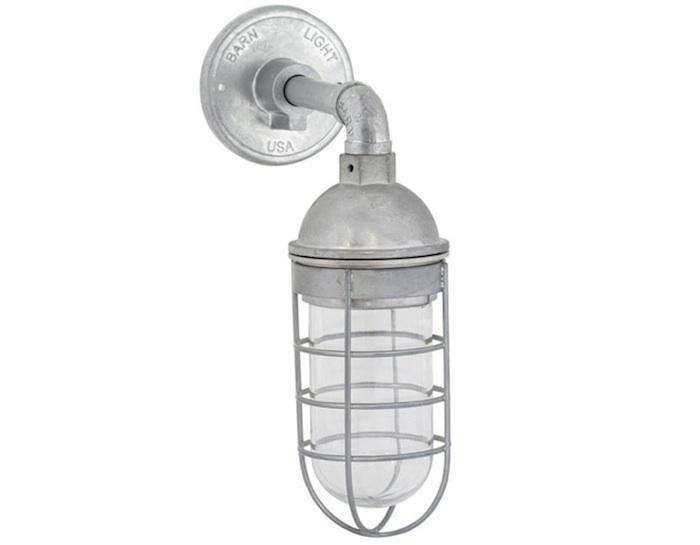
Barnhouse-style outdoor lighting has a rare design superpower: it makes a home look practical, welcoming, and just a little bit like it knows how to chop firewood. Whether you live in a white clapboard farmhouse, a modern suburban home, a lake cottage, or a city bungalow with one brave tomato plant on the porch, the right barnhouse outdoor lights can add instant curb appeal without shouting, “I just discovered Pinterest at 2 a.m.”
The look is rooted in utility. Traditional barn lights were designed to throw light downward over doors, stalls, workshops, and driveways. Today’s versions keep that hardworking shapewide shades, gooseneck arms, simple metal finishes, sturdy silhouettesbut pair it with better LEDs, safer weather ratings, smarter controls, and more polished design. In other words: all the charm, fewer mysterious extension cords.
This guide breaks down ten easy pieces that define barnhouse-style outdoor lighting, along with practical tips on finish, scale, brightness, placement, and installation. Think of it as a friendly field guide for making your exterior look warm, intentional, and safely litwithout turning your porch into an airport runway.
What Is Barnhouse-Style Outdoor Lighting?
Barnhouse-style outdoor lighting blends classic barn, farmhouse, industrial, and modern rustic design. The most recognizable fixture is the gooseneck barn light: a curved arm, a metal shade, and a downward-facing beam. But the style also includes outdoor sconces, pendants, flush mounts, lanterns, post lights, cage lights, and simple utility fixtures that feel clean, durable, and honest.
The key ingredients are straightforward: metal construction, unfussy forms, visible hardware, warm light, and practical placement. Matte black, galvanized steel, oil-rubbed bronze, weathered pewter, white enamel, copper, and aged brass are common finishes. Some homes lean traditional with lantern shapes and seeded glass; others go modern with sleek dome shades and black powder-coated steel.
Good barnhouse exterior lighting should do three things at once: help people see, flatter the architecture, and avoid annoying the neighbors. That last part matters. A beautiful light that blasts sideways into a bedroom window is not “rustic charm.” It is a tiny metal goblin with a bulb.
Before You Buy: The Practical Rules That Matter
Choose the Right Weather Rating
Outdoor lighting must be rated for the location where it will be installed. A damp-rated fixture is generally suited to covered areas protected from direct rain, such as a fully covered porch. A wet-rated fixture is designed for places where rain, splashing water, or direct weather exposure may reach the fixture, such as open patios, exposed exterior walls, pergolas, walkways, and garage fronts.
When in doubt, choose wet-rated outdoor lights. They offer more flexibility and peace of mind, especially for barnhouse-style fixtures installed on garage doors, sheds, fences, and uncovered entries.
Use Warm, Comfortable Light
For most farmhouse outdoor lighting, warm white light in the 2700K to 3000K range feels inviting and natural. Cooler light can look harsh on wood, brick, stone, and siding. Warm light also supports the cozy barnhouse mood: welcoming, not interrogation-room chic.
Mind the Brightness
Outdoor lighting should be bright enough for safety but not so bright that raccoons start wearing sunglasses. For porch sconces, entries, and decorative barn lights, moderate brightness is usually best. Driveways and work areas may need more lumens, while seating areas often look better with softer layered lighting.
Control the Beam
Barnhouse lighting works best when the beam is directed downward. Wide metal shades, shielded bulbs, timers, dimmers, motion sensors, and dusk-to-dawn controls help reduce wasted light, save energy, and keep the night sky looking like the night sky.
10 Easy Pieces for Barnhouse-Style Outdoor Lighting
1. The Classic Gooseneck Barn Light
If barnhouse outdoor lighting had a mascot, it would be the gooseneck barn light. This fixture has a curved arm that projects from the wall and a broad shade that points light downward. It is excellent over garage doors, workshop entrances, side doors, sheds, and covered service areas.
For a traditional look, choose galvanized steel or white enamel. For a sharper modern farmhouse style, matte black is nearly impossible to mess up. A medium shade works well over single doors, while larger shades feel more proportional over double garage doors or broad barn-style facades.
2. The Dome-Shade Wall Sconce
A dome-shade outdoor sconce gives you the barnhouse mood without the extended gooseneck arm. It is compact, versatile, and easy to use beside front doors, back doors, mudroom entries, and porch columns. The downward shade creates a tidy pool of light and keeps the fixture from looking too fussy.
This piece is especially useful for smaller homes where oversized gooseneck lights might look like they are trying to launch satellites. Choose a finish that contrasts with your siding: black on white, galvanized on dark green, bronze on cream, or copper on weathered wood.
3. The Outdoor Barn Pendant
For a covered porch, breezeway, outdoor dining area, or screened room, a barn-style pendant can be the design equivalent of a firm handshake. It anchors the space, adds vertical interest, and gives outdoor rooms a finished look.
Use one pendant over a small seating area or two over a long outdoor dining table. Keep proportions in mind: a tiny pendant under a tall porch ceiling can look timid, while a gigantic shade over a narrow stoop can make visitors duck even when they do not need to. That is not hospitality; that is suspense.
4. The Flush-Mount Porch Light
Low ceilings need love too. A barnhouse-style flush mount is ideal for covered porches, entry alcoves, mudroom overhangs, and small outdoor ceilings where a pendant would hang too low. Look for simple metal rims, frosted or clear glass, and finishes that coordinate with your door hardware.
Flush mounts are practical because they stay close to the ceiling and distribute light evenly. For a more rustic look, choose a cage detail or ribbed glass. For a cleaner farmhouse style, choose a simple round or square fixture in black, bronze, or white.
5. The Cage Light
Cage lights bring a little workshop attitude to barnhouse exteriors. The protective metal cage recalls old utility lighting and works well on sheds, garages, potting areas, basement entries, and side porches. The look is rugged but not sloppy, which is the sweet spot for modern rustic design.
Because cage fixtures often reveal the bulb, choose the bulb carefully. A warm LED filament bulb can look charming, while a glaring bare bulb can look like you are lighting a police lineup for garden gnomes. If glare is a concern, use frosted glass or a lower-lumen bulb.
6. The Barnhouse Lantern Sconce
Not every farmhouse exterior needs a pure barn light. A lantern-style sconce with simple lines, black metal, and clear or seeded glass can bridge traditional and barnhouse design beautifully. It works well on front entries, porch columns, patios, and garage doors where you want a more residential feel.
The trick is to keep the lantern simple. Avoid overly ornate scrollwork if your goal is barnhouse style. Clean rectangles, modest curves, and sturdy metal frames feel more authentic and less like the fixture wandered over from a haunted Victorian mansion.
7. The Galvanized Utility Light
Galvanized outdoor lighting is a natural fit for barnhouse exteriors because it feels durable, casual, and slightly agricultural in the best possible way. It pairs beautifully with white siding, cedar shakes, board-and-batten walls, brick, stone, and dark-painted trim.
Galvanized finishes are especially useful when you want character without too much contrast. Black fixtures can look crisp, but galvanized steel feels softer and more weathered. It is also excellent for sheds, barns, chicken coops, and garden structuresyes, even the chicken coop deserves good lighting. The hens may not write reviews, but they notice ambiance.
8. The Motion-Sensor Barn Light
A barnhouse fixture with motion-sensor control is perfect for side yards, driveways, alleys, garages, and utility doors. It provides light only when needed, which can improve safety and reduce wasted energy. Many homeowners like motion sensors near trash areas, tool sheds, and detached garages because nobody enjoys fumbling with keys while holding a recycling bin and questioning all life choices.
For the best result, choose a fixture where the sensor is integrated neatly or placed discreetly. The goal is to keep the barnhouse look while adding modern convenience. Aim the sensor carefully so passing cars, waving branches, or one dramatic moth do not trigger a light show every three minutes.
9. The Dusk-to-Dawn Entry Light
Dusk-to-dawn outdoor lights use a photocell to turn on when the light level drops and turn off when daylight returns. This feature is convenient for front entries, garage doors, and pathways where consistent evening light is useful.
For barnhouse style, look for dusk-to-dawn wall lights with classic metal shades, simple lantern frames, or downward-facing designs. If the fixture will stay on all night, use a warm LED and modest brightness. A porch should say “welcome home,” not “minor league baseball stadium.”
10. The Post, Pier, or Path Light with Farmhouse Character
Barnhouse-style outdoor lighting should not stop at the front door. Post lights, pier-mounted lanterns, and path lights can extend the same design language along walkways, garden gates, driveways, and patio edges. Choose simple silhouettes, warm light, and finishes that coordinate with the main exterior fixtures.
For a cohesive look, repeat one finish across several lighting zones. For example, black gooseneck lights on the garage can pair with black path lights and a black lantern at the gate. Galvanized barn sconces can coordinate with zinc planters, metal roofing, or steel garden edging. Repetition makes the design feel intentional, even if your landscaping is currently being emotionally supported by mulch.
How to Choose the Right Size
Scale is where many outdoor lighting plans wobble. A fixture that looks substantial online may appear tiny once installed beside a tall door or wide garage. As a general design rule, outdoor sconces beside a front door often look best when they are roughly one-quarter to one-third the height of the door. Garage lights should be large enough to read from the street but not so large that they dominate the architecture.
For gooseneck barn lights, consider both shade diameter and arm projection. A deep projection can look dramatic over a garage or workshop but may feel awkward in a narrow walkway. For covered porches, confirm that doors can swing open and that tall guests will not develop a personal relationship with the fixture.
Best Finishes for Barnhouse Exterior Lights
Matte Black
Matte black is the modern farmhouse default for good reason. It is crisp, graphic, and pairs well with white siding, natural wood, brick, stone, and neutral paint colors. It also coordinates easily with black window frames and door hardware.
Galvanized Steel
Galvanized finishes feel authentic, relaxed, and slightly industrial. They are ideal for barns, sheds, coastal cottages, garden structures, and homes with metal roofing or weathered wood details.
Bronze and Oil-Rubbed Bronze
Bronze finishes add warmth and softness. They work well with brick, tan siding, cream paint, natural stone, and traditional farmhouse exteriors.
Copper and Aged Brass
Copper and brass bring a warmer, more collected look. They can patina beautifully over time, although they require a bit more design confidence. Use them when you want the fixture to be a feature, not just background hardware.
Where Barnhouse Outdoor Lighting Works Best
Barnhouse lighting is wonderfully flexible. Use gooseneck lights over garage doors to highlight carriage-style panels or board-and-batten siding. Add lantern sconces beside a front door for symmetry. Hang a barn pendant above a covered porch seating area. Install a cage light by a basement door, mudroom, or workshop. Use path lights to guide guests from the driveway to the entrance without forcing them to navigate by moonlight and optimism.
The best plans layer lighting. One fixture cannot do everything. A porch sconce helps with keys. A pendant warms up seating. A path light improves safety. A garage light adds curb appeal. Together, they create a home that feels thoughtful after dark, which is when many exteriors otherwise become architectural soup.
Energy Efficiency and Smart Controls
LED lighting is the best choice for most outdoor applications because quality LEDs use far less energy than traditional incandescent bulbs and last much longer. For barnhouse fixtures, LED bulbs also make it easier to choose the exact warmth and brightness you want.
Controls matter too. Dimmers help soften porch lighting for relaxed evenings. Timers prevent lights from running all night unnecessarily. Motion sensors add security and convenience. Photosensors handle dusk-to-dawn operation automatically. Smart bulbs or smart switches can be useful, but make sure the products are rated for the environment where they will be used.
Installation Tips That Save Headaches
Always follow local electrical codes and hire a licensed electrician for hardwired outdoor fixtures unless you are qualified to do the work safely. Outdoor lighting involves weather exposure, grounding, junction boxes, seals, and ratings that should not be treated like a casual weekend guessing game.
Before installation, check the fixture dimensions, mounting plate size, bulb requirements, weather rating, and clearance. Confirm that the light will not block shutters, door swings, trim, house numbers, or garage mechanisms. If replacing old fixtures, inspect the wall surface for gaps, rot, peeling paint, or missing caulk. A new barn light looks much better when it is not mounted over a tiny archaeological site of previous wiring decisions.
Common Mistakes to Avoid
The first mistake is choosing indoor fixtures for outdoor use. The second is using bulbs that are too bright or too cool. The third is placing lights too high, too low, or too close to trim. Another common issue is mixing too many styles: one gooseneck, one nautical lantern, one crystal-ish porch light, and one mystery fixture from 1998 can make the exterior feel confused.
That does not mean every fixture must match exactly. A coordinated mix can look excellent. Keep the finish, shape language, or glass style consistent. For example, black metal fixtures can vary by type while still feeling unified. Galvanized shades can pair with simple black path lights if the overall palette feels intentional.
Experience Notes: What Barnhouse Lighting Feels Like in Real Life
After working with exterior lighting plans and studying what actually makes homes feel good after sunset, one lesson stands out: barnhouse-style outdoor lighting succeeds when it looks practical first and decorative second. The fixtures that age best are rarely the loudest ones. They are the pieces that look as if they belong to the building, as if the house put them on in the morning and forgot they were there.
One of the most reliable upgrades is replacing a small builder-grade porch light with a larger, warmer barnhouse sconce. The difference can be surprisingly dramatic. The door looks more important. The entry feels safer. The siding gains texture. Even the welcome mat seems to stand up straighter. It is not magic, exactly, but it is close enough that you may start looking suspiciously at the rest of your exterior.
Garage lighting is another area where barnhouse fixtures shine. Two or three gooseneck lights above garage doors can make a plain facade feel custom. The downward light emphasizes the door pattern, improves visibility, and adds rhythm across the front of the house. This is especially effective on white, charcoal, green, or natural wood garage doors. The look says “thoughtful design,” not “we installed whatever came in the box.”
In outdoor seating areas, barn pendants and flush mounts are more about atmosphere than raw brightness. A covered porch with warm, dimmable lighting becomes a place to linger. Add a pair of chairs, a side table, maybe a fern that is doing its best, and suddenly the porch feels like an outdoor room. People underestimate this. They think curb appeal is only paint, plants, and doors. But at night, lighting is the paint.
Another practical experience: finish choice changes the whole mood. Matte black is crisp and graphic, but it can feel high-contrast on pale siding. Galvanized steel is gentler and more casual. Bronze is warm and traditional. Copper is expressive and gets better with age if you like patina. When choosing finishes, look at what already exists: door hardware, house numbers, roof color, gutters, railings, planters, and window frames. The best outdoor lighting does not enter the scene like a celebrity guest. It joins the cast.
Brightness is where restraint pays off. Many homeowners overlight because they assume more lumens equal more safety. In reality, glare can make it harder to see. A shielded, downward-facing warm light often feels better and performs better than an exposed bright bulb. The goal is to light steps, locks, paths, and gathering areasnot the neighbor’s maple tree, passing airplanes, and one startled possum.
Maintenance is simple but important. Outdoor fixtures collect dust, pollen, spiderwebs, and the occasional bug with poor life planning skills. A gentle cleaning with mild soap and water can keep finishes looking good. Coastal homes or humid climates may need more frequent attention because salt air and moisture are tough on metal. Check screws, seals, bulbs, and glass periodically. A beautiful fixture with a dead bulb is just a tiny sculpture of disappointment.
The most satisfying barnhouse lighting projects usually happen in layers. Start with the entry. Then address the garage or driveway. Then add porch, patio, or path lighting. This approach keeps the budget manageable and lets the home develop a consistent nighttime personality. You do not need to transform the whole exterior in one weekend. In fact, your ladder would probably prefer that you do not.
Ultimately, barnhouse-style outdoor lighting is popular because it feels both nostalgic and useful. It borrows from barns, workshops, porches, and old utility buildings, but it works beautifully on modern homes. It is not precious. It is not overly polished. It has a little grit, a little warmth, and a lot of common sense. And when the sun goes down, common sense with a good metal shade looks surprisingly stylish.
Conclusion
Barnhouse-style outdoor lighting is one of the easiest ways to upgrade a home’s exterior without a full renovation. The best pieces combine durable materials, warm LED light, appropriate weather ratings, thoughtful scale, and downward-focused illumination. Whether you choose a classic gooseneck barn light, a compact dome sconce, a covered-porch pendant, a rugged cage light, or a coordinated path light, the goal is the same: make the outside of your home safer, warmer, and more inviting.
Start with the places people use mostfront doors, garage doors, side entries, walkways, and outdoor seating areas. Choose finishes that suit the architecture, avoid harsh glare, and let the fixtures look like they have a job to do. Barnhouse lighting is at its best when it feels honest, useful, and charmingly unfussy. Basically, it should look good while pretending it is only there to help you find your keys.
Note: This article is written for web publication in standard American English, with practical guidance synthesized from current outdoor lighting standards, design advice, and real barnhouse-style fixture trends.