Streaming is convenient, sure. But let’s be honest: tapping a screen will never feel quite as satisfying as pulling a favorite album from the shelf, admiring the cover art, and sliding the disc into a player like you are hosting your own tiny radio station. A CD collection has personality. It has history. It may even include a few albums you bought because one single was good and the rest of the tracklist was, let’s say, character-building.
The challenge is that CDs are small enough to multiply silently but bulky enough to create chaos when they are stacked in random corners. Jewel cases crack, digipaks bend, and before long your music collection starts looking less like a curated archive and more like a yard sale that got tired halfway through.
Good CD storage ideas solve two problems at once: they protect your discs and make your collection look intentional. Whether you own 40 albums or 4,000, the right system can turn your CDs into a stylish part of your home instead of a clutter crime scene. Below are 10 practical, attractive, and realistic ways to organize your CD collection with style, plus hands-on experience tips for keeping the system working after the initial “I am becoming a new person today” organizing burst wears off.
Why CD Storage Still Matters
CDs may feel retro, but they are still valuable to collectors, music lovers, DJs, thrift-store hunters, and anyone who enjoys physical media. Many albums include liner notes, artwork, bonus tracks, or editions that are not always available on streaming platforms. Plus, a well-organized CD shelf makes browsing music feel more personal. It is the difference between choosing dinner from a menu and wandering through a favorite record shop with no hurry and excellent lighting.
Storage also affects condition. CDs should be kept in protective cases, handled by the edges or center hole, and stored away from extreme heat, moisture, dust, and direct sunlight. That does not mean you need to turn your living room into a climate-controlled archive guarded by lasers. It simply means your storage should be stable, easy to use, and not located next to a sunny window where your favorite albums slowly cook like tiny plastic pancakes.
Before You Start: Sort the Collection First
Before buying shelves, boxes, drawers, or a majestic cabinet worthy of a museum, do one unglamorous but powerful thing: sort your CDs. Separate them into categories such as keep, donate, sell, repair, digitize, and display. This keeps you from organizing albums you no longer want. Buying storage before sorting is like ordering a new garage because you refuse to throw away three broken lawn chairs.
Next, decide how you naturally browse music. Some people think by artist. Others think by genre, decade, mood, or “albums that got me through 2009.” The best CD organization system is not the one that looks perfect on day one. It is the one you will actually maintain on a random Wednesday when you are tired and holding three discs at once.
10 CD Storage Ideas to Organize Your Collection in Style
1. Use Open Shelves for a Music-Library Look
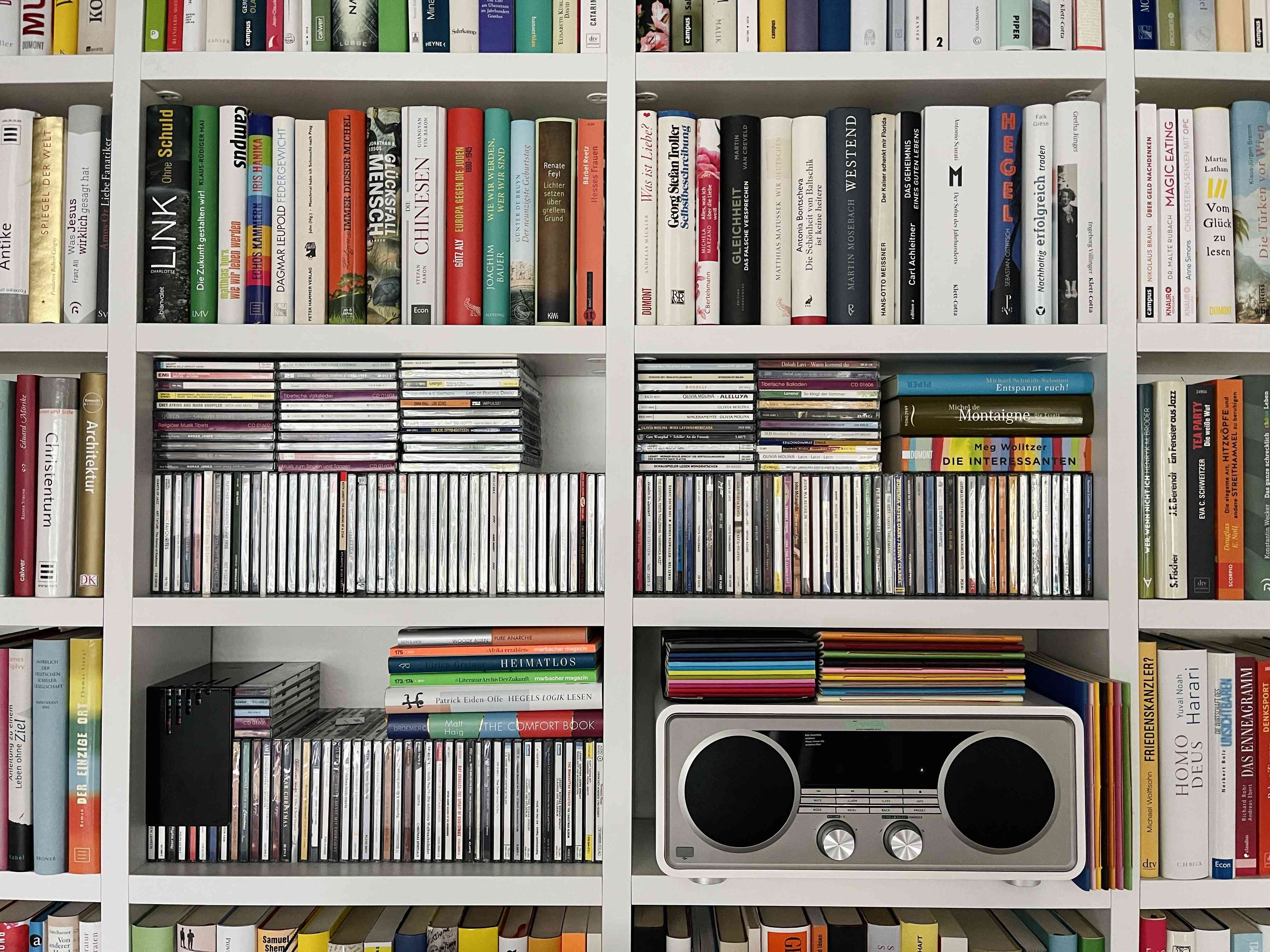
Open shelving is one of the easiest and most stylish CD storage ideas because it turns your collection into part of the room. Line up CDs vertically like books, group them by artist or genre, and use simple bookends to keep each section tidy. This works especially well in living rooms, bedrooms, offices, and listening corners.
The trick is scale. A tiny stack on a huge shelf can look lonely, while too many CDs jammed onto one shelf can look messy. Leave a little breathing room and mix in a few objects, such as a small speaker, framed concert ticket, plant, or vintage radio. Suddenly your shelf says, “I have taste,” not “I lost a fight with a media cabinet.”
2. Choose a Dedicated CD Storage Cabinet
A dedicated CD storage cabinet is ideal for medium and large collections. These cabinets often include narrow shelves, drawers, or adjustable compartments designed for CDs, DVDs, Blu-rays, and games. Because they are made for media, they usually waste less space than a deep bookcase.
For a polished look, choose a cabinet that matches your room style. A walnut cabinet feels warm and mid-century. A white cabinet looks clean and modern. A black or metal-framed unit can lean industrial. If you prefer a calm living room, choose a cabinet with doors so the collection stays protected and visually quiet. Behind those doors, your CDs can be alphabetized, genre-sorted, or arranged by emotional damage. No judgment.
3. Add Floating Shelves for Small Spaces
Floating shelves are perfect when floor space is limited. They keep CDs visible and easy to reach while using vertical wall space. Install a few slim shelves above a desk, beside a stereo setup, or near a reading chair to create a compact listening zone.
For best results, measure your CD cases before buying or building shelves. Standard jewel cases are shallow, so deep shelves can waste space and make the cases slide backward. A narrow ledge or media shelf keeps everything aligned. If you rent, check weight limits and use proper anchors. Your CD collection deserves to be displayed, not dramatically introduced to the floor at 2 a.m.
4. Repurpose a Vintage Card Catalog or Drawer Unit
If you love character-rich furniture, a vintage card catalog, apothecary cabinet, or small drawer chest can become beautiful CD storage. The drawers make it easy to separate music by genre, artist, decade, or listening mood. Add small labels to the front of each drawer for a library-inspired system.
This idea works especially well for collectors who enjoy browsing. Pulling open a wooden drawer marked “Jazz,” “Soundtracks,” or “Road Trip Classics” feels wonderfully intentional. It also hides visual clutter while keeping the collection accessible. The only danger is that guests may assume you are far more organized than you are. Enjoy the illusion.
5. Store CDs in Decorative Boxes
Decorative media boxes are a smart choice for people who want CDs nearby but not on display all the time. Look for sturdy boxes sized for CDs so the cases can stand upright and titles remain easy to read. Clear boxes make contents visible, while fabric, wood, or woven boxes blend better with decor.
Boxes are also excellent for overflow storage. For example, keep your most-played albums on open shelves and store seasonal, rare, or less-used discs in labeled boxes. A consistent set of boxes on a shelf can look neat and grown-up, even if one of them contains an alarming number of early-2000s pop-punk albums.
6. Use Drawers for a Clean, Hidden System
Drawers are one of the most practical CD organization ideas because they protect discs from dust and reduce visual clutter. A shallow drawer lets you flip through titles from above, almost like browsing records in a shop. This works beautifully in media consoles, office cabinets, sideboards, and built-in units.
Use dividers to prevent rows from collapsing. You can separate categories with labeled cards or simple acrylic dividers. If the drawer is deep, place CDs in two rows and label each row clearly. Hidden storage is especially helpful in minimalist rooms where exposed media can feel busy. Your music stays close, but the room keeps its calm face on.
7. Create a Built-In Media Wall
If you have a large CD collection and a permanent listening space, consider a built-in media wall. Built-ins can combine open shelves, closed cabinets, drawers, and display zones around a stereo system or TV. This option is more expensive than basic shelves, but it can make a collection look architectural rather than accidental.
The best built-in designs include both display and concealment. Put favorite albums, box sets, and beautiful covers on open shelves. Store duplicates, backups, and less-attractive cases behind doors. Add lighting if you want the collection to feel like a feature wall. Just avoid turning every inch into storage. A few open spaces keep the design from looking like a very organized bunker.
8. Display Favorite Album Covers Like Art
Some CD covers deserve to be seen. Use small picture ledges, acrylic shelves, or wall-mounted display rails to show off favorite albums. Rotate them monthly to keep the room fresh. This idea works especially well above a turntable stand, desk, sofa, or compact stereo setup.
Because CDs are smaller than vinyl records, grouping matters. Display covers in sets of three, five, or nine for a gallery-wall effect. Choose albums by color, theme, artist, or personal meaning. This turns your collection into decor without exposing every disc at once. It also gives you an excuse to say, “That album changed my life,” while dramatically pointing at a wall. Use responsibly.
9. Try a Slim Tower for Corners and Tight Spots
A slim CD tower can fit into corners, narrow walls, or the awkward gap beside a cabinet. This is a classic media-storage solution because it uses vertical space and keeps titles easy to scan. Modern versions come in wood, metal, glass, and minimalist finishes, so they do not have to look like they time-traveled from a 1998 electronics store.
For style, avoid overcrowding the tower. Keep the shelves neat, and place the tower near related items such as speakers, headphones, or a reading chair. If the tower is tall, anchor it safely according to the manufacturer’s instructions. A falling shelf is not a personality trait.
10. Use Sleeves or Binders for Maximum Space Saving
If space is extremely limited, CD sleeves or binders can reduce a collection dramatically. This is useful for discs without original artwork, burned CDs, car collections, or backup copies. Choose archival-quality sleeves when possible and avoid rough materials that can scratch discs.
The downside is that removing CDs from jewel cases can reduce collector value and separate discs from liner notes. For that reason, binders are best for practical listening collections, not rare editions. A good compromise is to keep valuable albums in original cases and move everyday discs into sleeves. You get space savings without giving your prized collection a one-way ticket to chaos.
Smart Ways to Organize CDs Once You Store Them
Alphabetical Organization
Alphabetical order is simple and reliable. Sort by artist last name or band name, then by album title or release date. This works best for serious collections because it makes finding a specific album fast.
Genre-Based Organization
Genre sorting is great if you choose music by mood. Create sections such as rock, jazz, classical, country, hip-hop, pop, soundtracks, and holiday music. Add small labels so the system stays clear.
Color-Coded Organization
Color-coding looks beautiful but can be harder to use. It works best for small collections or display shelves where style matters more than speed. If you have ever forgotten whether an album spine is blue, black, or “kind of midnight navy if the lamp is on,” you know the risk.
Frequency-Based Organization
Keep favorites and frequently played albums in the easiest-to-reach spot. Store rare, seasonal, or rarely played CDs higher, lower, or farther away. This makes the system practical for everyday listening.
Real-World Experience: What Actually Works When Organizing CDs
After organizing CD collections in different rooms, the biggest lesson is simple: accessibility beats perfection. A system that looks gorgeous but makes albums hard to retrieve will eventually fail. People do not stop being messy because they bought a prettier cabinet. They stay organized when the next action is easy.
For small collections, open shelves are usually the most enjoyable. You see the albums, remember what you own, and actually play them. The key is not letting the shelf become a dumping zone for receipts, cables, batteries, and mysterious screws that “probably go to something.” Keep the CD area dedicated. If other items creep in, remove them quickly before the shelf becomes a tiny junk drawer with better lighting.
For medium collections, drawers are surprisingly effective. They reduce dust, make the room feel calmer, and allow quick flipping. A drawer with labeled dividers feels especially satisfying because it gives the collection structure without requiring every album spine to face guests like a visual marching band. If you use drawers, leave a little extra room in each category. A completely full drawer looks impressive for about two weeks, then one new album ruins the whole system like a plot twist.
For large collections, the best approach is usually a hybrid system. Display favorites, store the main library in shelves or cabinets, and keep overflow or rarely used discs in labeled boxes. This prevents the room from being swallowed by media while still honoring the collection. It also helps with growth. Most collectors do not “finish” collecting. They simply pause between purchases and pretend the next thrift-store visit does not count.
Another useful experience: label more than you think you need to. Labels may sound fussy, but they prevent future confusion. Use simple category labels such as “A–F,” “G–M,” “Jazz,” “Soundtracks,” or “To Digitize.” If you share the space with family members, labels also reduce the chance that someone puts a Christmas album between Metallica and Miles Davis. Technically, that is a bold creative choice. Organizationally, it is a cry for help.
Finally, build a reset habit. Once a month, take five minutes to return misplaced discs, pull out albums you no longer want, and check for cracked cases. Replace damaged cases before they scratch artwork or make browsing annoying. A CD storage system should not be a one-day project; it should be a living setup that supports how you actually listen. When storage feels easy, you are more likely to use the collection, enjoy the music, and stop treating your CDs like a historical exhibit from your own life.
Conclusion
Stylish CD storage is not about hiding your collection or pretending streaming won the entire music war. It is about giving your albums a home that fits your space, your habits, and your design style. Open shelves make CDs feel like a personal library. Cabinets and drawers keep things neat. Floating shelves save space. Vintage drawers add charm. Boxes and binders help when square footage is being dramatic.
The best CD storage ideas combine protection, visibility, and personality. Start by sorting your collection, choose a system that matches how you browse, and leave room for new discoveries. Because let’s be real: the moment your CDs are organized, you will suddenly find five more at a thrift store and call it destiny.
Note: This article is written in original American English for web publishing, based on practical home organization principles, media-storage guidance, and preservation-aware handling practices for CDs.